
A Legacy of Loss: Kyle Chandler’s Deeply Personal Journey Through the Lanterns Finale
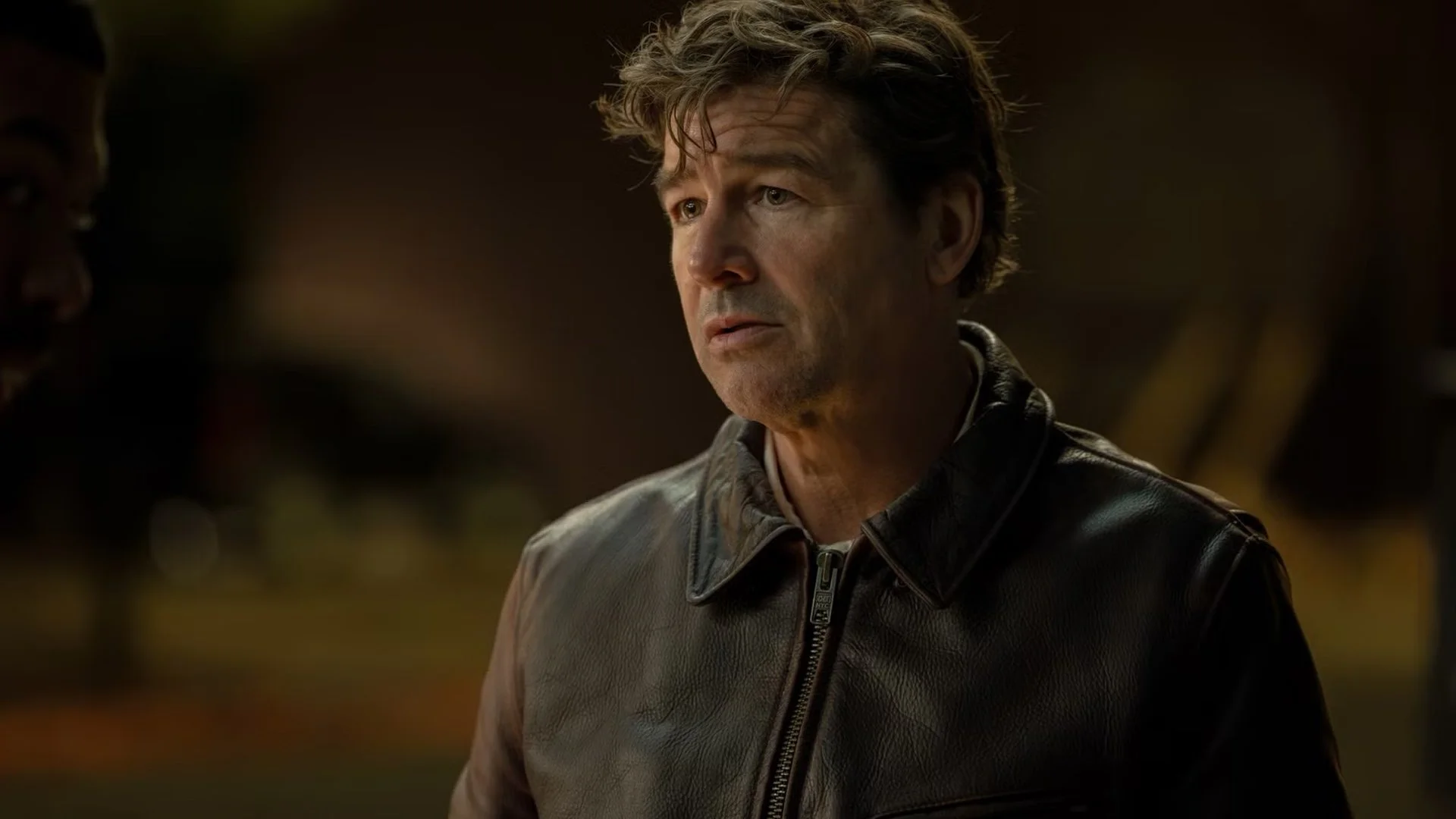
The Season 1 finale of HBO’s Lanterns did more than close out a high-stakes chapter of DC’s television universe; it served as an emotional crucible for lead actor Kyle Chandler. For viewers, the episode was a shocking culmination of mystery, betrayal, and cosmic stakes. For Chandler, who stepped into the iconic role of Hal Jordan without a lifelong attachment to comic book lore, the experience became a profound exploration of grief, mentorship, and the search for a father figure.
As the credits rolled on the final episode, Chandler found himself caught in an unexpected moment of vulnerability. Watching the finished product alongside his wife, the actor—known for his stoic, grounded performances—found himself fighting back tears. It was a reaction that stemmed not just from the narrative conclusion of a television series, but from the realization that his performance had bridged a gap between his own history of loss and the character he brought to life.
The Narrative Shock: Hal Jordan’s Final Bow
The Lanterns finale delivered a series of narrative punches that left the audience reeling. In a stark subversion of traditional superhero tropes, the series revealed that Hal Jordan’s arc would end in tragedy. After navigating a complex, season-long partnership with John Stewart (played by Aaron Pierre), Jordan meets his end at the hands of his own girlfriend. The final moments of the character are defined by a quiet intimacy: a whispered "I love you" moments before he is struck by a fatal bullet to the head.
However, the writers saved the most poignant emotional twist for the very end. Through the medium of a "Halogram"—a technological echo of Jordan—the show staged a final exchange between the mentor and his protégé. When John Stewart tearfully utters, "I love you," the Halogram responds with a term of endearment that crystallized their entire dynamic: "I love you, too, Junior."
This moment of tenderness redefined the series. What began as a procedural mystery regarding the Green Lantern Corps transformed into an exploration of a father-son bond. For Chandler, the scene was the culmination of an arduous creative process that felt less like acting and more like a cathartic release.
Chronology of a Character Arc
To understand the weight of the finale, one must look at how the relationship between Hal and John was constructed throughout the season. The showrunners opted to strip away the "superhero" artifice to focus on the damaged humanity of both men.
Early in the season, the series established that both characters were operating under the weight of their respective histories. Episode 7 provided a seismic shift in Green Lantern lore, revealing that Hal Jordan’s father had died by suicide following a plane crash. This tragedy was framed as part of "The Jordan Boys’ legacy"—a generational struggle with severe depression and feelings of inadequacy.
John Stewart’s background was equally fraught. Raised by parents who viewed emotions as liabilities, John was trained to be a weapon, devoid of the conventional nurturing that typically defines childhood. As the season progressed, the narrative trajectory became clear: these two men, each missing a vital piece of their emotional foundation, were filling that void in one another.
For Chandler, the realization of this dynamic happened organically on set. "It became apparent while we were shooting it," Chandler noted during a post-finale press conference. "That wisdom and being able to give back a little bit. So that love story is, he won my heart over in the end. And I was able to do what my father would have done for me."
Personal Resonance: The Real-Life Echoes of Grief
The resonance of Lanterns for Chandler is inextricably linked to the death of his own father when the actor was only 14 years old. In past interviews, including a 2019 profile with the Los Angeles Times, Chandler has spoken candidly about the "before and after" of that loss. He described the transition into adulthood without a guide as a search for a "baton of manhood" that he never received.
"Films filled a spot for me," Chandler reflected in 2019. "I had a hard time figuring out how I worked, how I functioned."
This history informs his portrayal of Hal Jordan. By playing a man who serves as a mentor, Chandler was effectively rewriting his own narrative, providing the guidance he once desperately sought. This depth of feeling is what made the finale so difficult to watch. As Chandler compared the experience to winning a state championship, he highlighted the physical and emotional exhaustion of the project. "Tears come to your eye because all the work that you put in slams into you at one moment on the field," he explained. Watching the finale with his wife, he felt he was "saying goodbye to a lot of old friends and a lot of great memories."
Official Perspectives and Creative Shifts
The death of Hal Jordan has sparked significant debate among the DC fanbase, with DC Studios head James Gunn even addressing the controversial decision to kill off such a pivotal character. Critics argue that the subversion of the "Green Lantern" legacy is a risky maneuver, while proponents suggest it was necessary to raise the stakes for the new universe.
Chandler, however, entered the project with a unique perspective. Because he did not grow up as a devotee of the comic books, he was not constrained by the weight of decades of canon. Instead, he connected with the script’s exploration of trauma and legacy.
"Every kid’s worst fear is losing a parent," the show’s dialogue observes. "Once that happens, there is nothing to fear anymore." This line, delivered by Jordan, serves as the thesis statement for the entire season. By shifting the focus from cosmic battles to the internal struggle of men dealing with paternal ghosts, the creative team allowed Chandler to inhabit the role in a way that felt authentic to his own lived experience.
Implications for the Future of the Franchise
The conclusion of Lanterns Season 1 leaves the franchise in a precarious but compelling position. By establishing a world where even the most legendary heroes are mortal—and where their deaths carry such heavy, personal weight—HBO and DC have signaled a departure from the "invincible hero" archetype.
The decision to lean into the father-son dynamic between Jordan and Stewart suggests that future installments will prioritize character-driven storytelling over spectacle. For Aaron Pierre’s John Stewart, the death of his mentor is not just a plot point; it is a catalyst for his own development. He now carries the "baton" that Chandler’s character spent the season passing down.
For the audience, the impact of the finale is a testament to the power of grounded storytelling. Even in a universe of emerald rings and space travel, the most resonant moments remain the ones that reflect our own human vulnerabilities.
As for Chandler, he leaves the project having processed a personal chapter of his life through the lens of a fictional one. When he wiped away that tear on his couch, it wasn’t just for Hal Jordan. It was for the 14-year-old boy who lost his father, and for the man who finally found a way to step into the role of the mentor he once needed.
"All of it really did come packed in just a little shooting star," Chandler said of the experience. It is a sentiment that captures the fleeting, fragile, and ultimately beautiful nature of the series. Whether or not the fans embrace the creative risks taken in the finale, the emotional sincerity of the performance remains an undeniable achievement. Lanterns has proven that even when the light of a hero fades, the legacy they leave behind—and the love they impart—can endure.
