
Nostalgia in a Box: Square Enix Brings Iconic Final Fantasy IX Music Boxes to the UK
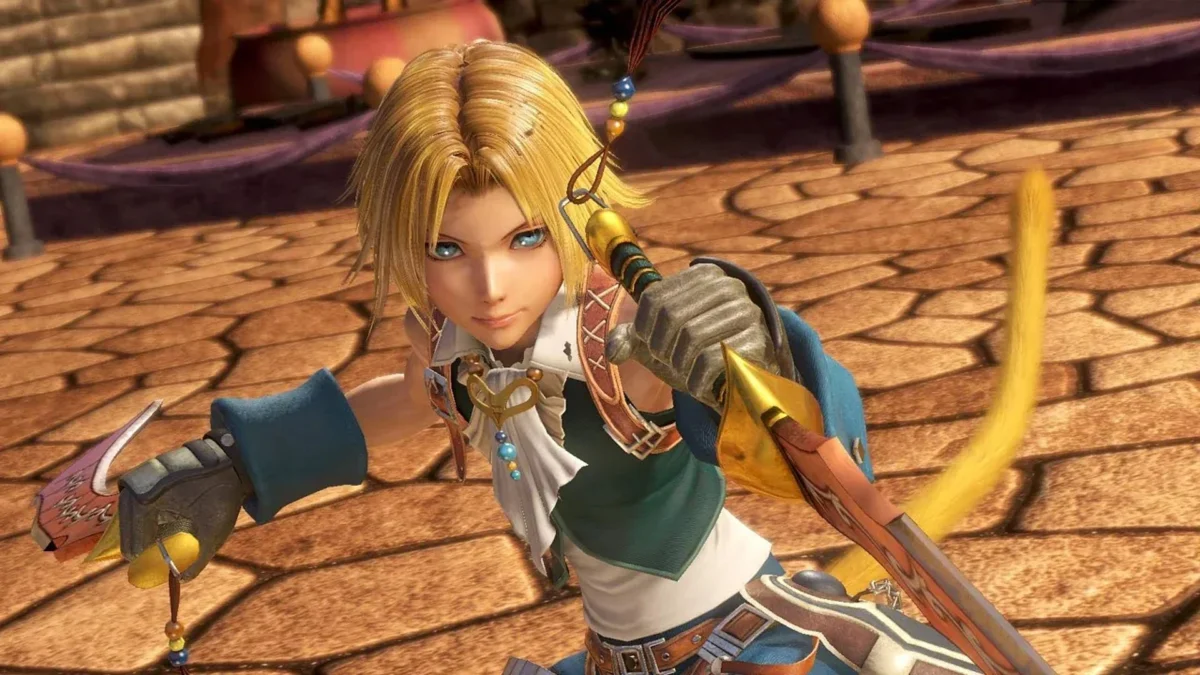
London, United Kingdom — For fans of the classic PlayStation era, Final Fantasy IX holds a deeply cherished place in gaming history. First released in 2000 as the final installment of the franchise on the original PlayStation, the title served as a grand, nostalgic return to the series’ high-fantasy roots, bidding farewell to the futuristic aesthetics of Final Fantasy VII and VIII.
While rumors and passionate community demands for a comprehensive modern remake continue to swirl—especially following the ongoing rollout of the Final Fantasy VII remake trilogy—Square Enix is offering fans a tangible way to reconnect with the beloved 2000 classic this autumn. Following a successful summer launch in the United States, a trio of exquisitely crafted Final Fantasy IX music boxes is officially making its way to the United Kingdom this October. Priced at £24.99 each, these physical collectibles offer a poignant, auditory tribute to one of gaming’s most celebrated soundtracks, composed by legendary maestro Nobuo Uematsu.
Main Facts: The UK Collection and Pricing
Square Enix has confirmed that three distinct music boxes themed around Final Fantasy IX will officially launch in the United Kingdom this October. Pre-orders are currently live via the official online Square Enix Store, with shipments expected to dispatch by the end of the month.
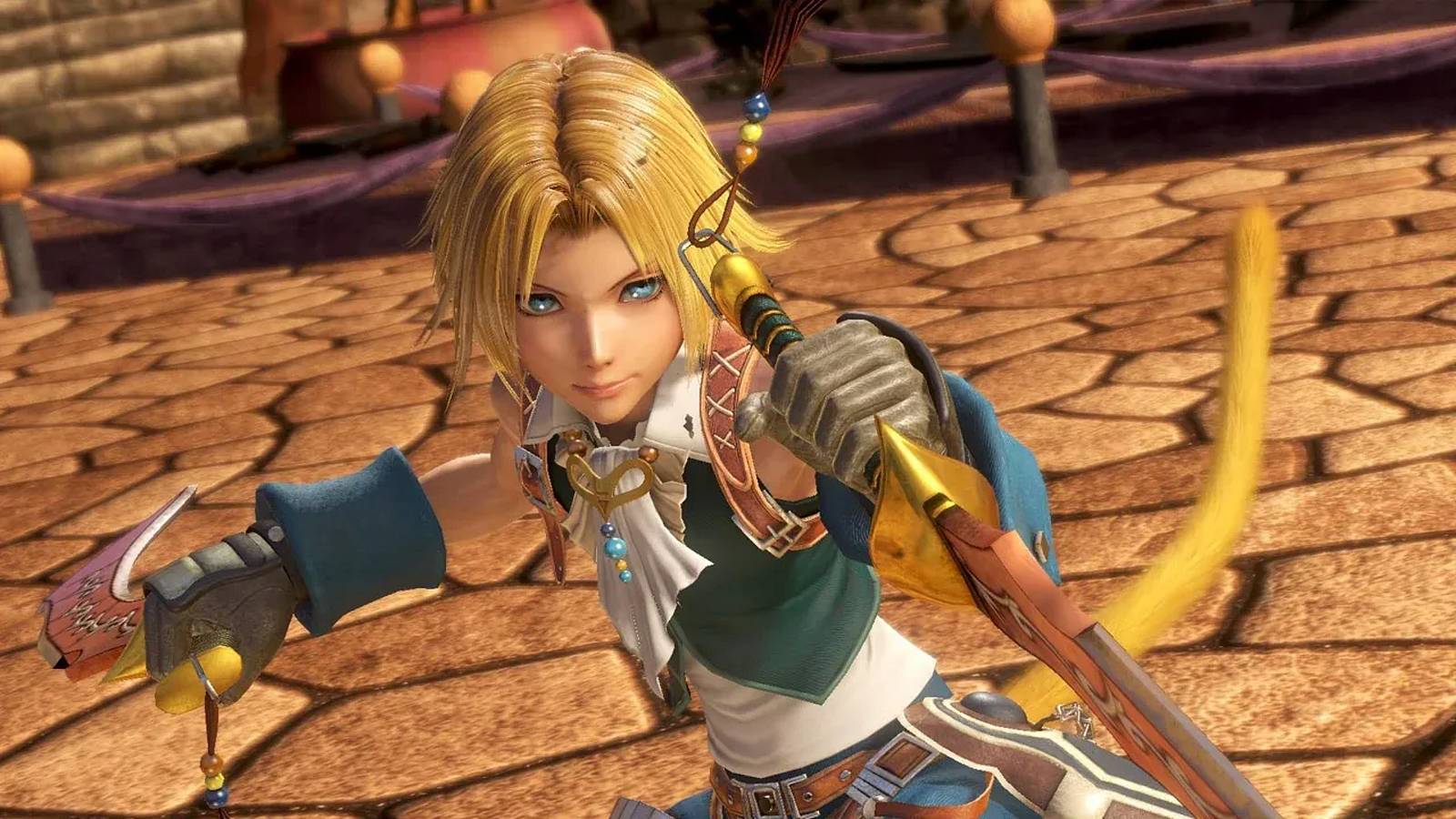
Key details of the UK release include:
- Price Point: £24.99 per unit (inclusive of applicable regional taxes).
- Available Tracks:
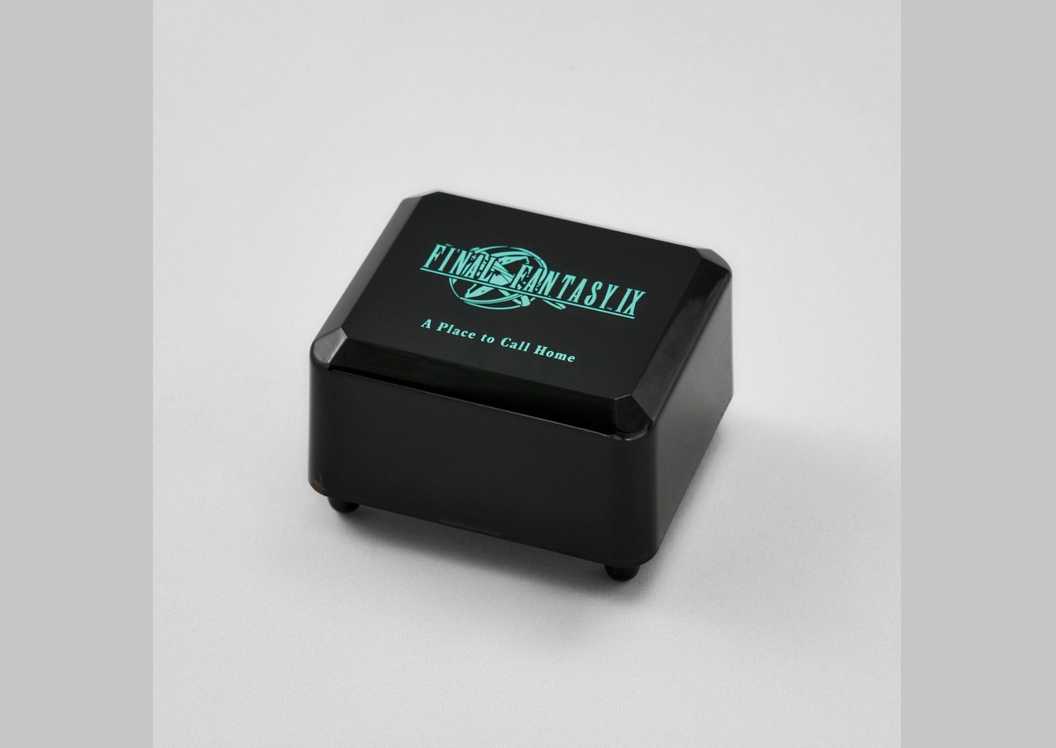
- "A Place to Call Home" (The game’s iconic opening and title screen theme)
- "Roses of May" (The somber leitmotif associated with the knight Beatrix)
- "(You Are) Not Alone" (The deeply emotional, reggae-tinged theme that plays during Zidane’s mid-game existential crisis)
- Design & Aesthetics: Each mechanical music box features unique, custom artwork printed on durable housing, reflecting the thematic elements of their respective tracks—ranging from a stylized crystallization motif to silhouetted character art.
Chronology: From PS1 Classic to Modern Collectible
To understand the cultural resonance of these new merchandise pieces, it is necessary to look back at the trajectory of Final Fantasy IX and Square Enix’s broader strategy regarding physical collectibles.
July 2000: The Original Launch
Final Fantasy IX debuted on the PlayStation console in Japan and North America (followed by a European release in November 2000). Developed under the direction of Hiroyuki Ito and produced by Hironobu Sakaguchi, the game was conceptualized as a retrospective celebration of everything that came before it. It abandoned the cyberpunk and industrial landscapes of its immediate predecessors in favor of a whimsical, medieval-inspired world populated by anthropomorphic characters, black mages, and grand airships.

The Modern Remake Era
In the decades following its release, FFIX transitioned from a beloved cult favorite to a critically revered masterwork. In recent years, data leaks and industry insider reports have heavily suggested that a full-scale remake of Final Fantasy IX has been in development at Square Enix. However, with the publisher currently focused on completing the Final Fantasy VII remake trilogy and managing multi-platform releases, official updates regarding an FFIX modernization project have remained scarce, leaving fans eager for official content tied to the property.
Summer to Fall 2026: The Music Box Rollout
Bridging the gap between the elusive remake demands and the franchise’s rich legacy, Square Enix expanded its line of high-end mechanical music boxes. After debuting the FFIX collection in the North American market earlier this summer, the publisher has formally slated the products for a UK release this October, continuing a long-standing tradition of translating iconic gaming soundtracks into physical, wind-up keepsakes.
Supporting Data: The Anatomy of the Music Boxes
The appeal of these collectibles lies in their meticulous attention to detail, marrying visual artistry with carefully calibrated mechanical audio cylinders.
Track Breakdown and Narrative Significance
- "A Place to Call Home":
- Visual Design: Encased in a sleek black plastic housing, featuring a striking crystal motif reminiscent of the title screen’s central visual iconography.
- In-Game Context: This melody is often the first and last piece of music players experience, setting an inviting, whimsical, yet melancholic tone that defines the continent of Mist.
- "Roses of May":
- Visual Design: Housed in a rich crimson box adorned with artwork of General Beatrix holding her signature sword, set against a backdrop of falling rose petals.
- In-Game Context: Associated with the formidable yet conflicted Alexandrian knight, this track plays during moments of intense moral gravity and doubt, making it a fan-favorite composition for its sweeping emotional weight.
- "(You Are) Not Alone":
- Visual Design: Presented in a neutral cream-colored box featuring the minimalist silhouettes of the game’s primary playable cast.
- In-Game Context: Playing during the harrowing sequence in Terra where protagonist Zidane Tribal experiences a psychological breakdown, this track acts as a literal and figurative rallying cry as his comrades step up to protect him one by one.
The Broader Square Enix Music Box Ecosystem
The Final Fantasy IX items are not isolated products. Square Enix has cultivated a robust catalog of mechanical music boxes spanning several of its most celebrated intellectual properties. Collectors looking to expand their sonic shrines can also purchase music boxes featuring:
- Final Fantasy III: "The Crystal Tower"
- Final Fantasy IV: The primary Love Theme
- Final Fantasy VII: "On Our Way"
- Chrono Cross: "Scars of Time"
- Other Franchises: Select tracks from the Nier series and indie crossover hits like Undertale.
Official Responses and Industry Context
While Square Enix has not issued a formal press conference statement regarding the music boxes—treating them as standard merchandise drops via their direct-to-consumer digital storefront—the company’s merchandising strategy speaks volumes about how it manages its legacy portfolio.
In the wake of shifting gaming market trends, physical merchandising has become a crucial revenue stream and a vital mechanism for maintaining community engagement between major software releases. By targeting regional markets systematically (rolling out from North America to the UK), Square Enix ensures steady logistical distribution while capitalizing on regional nostalgia.
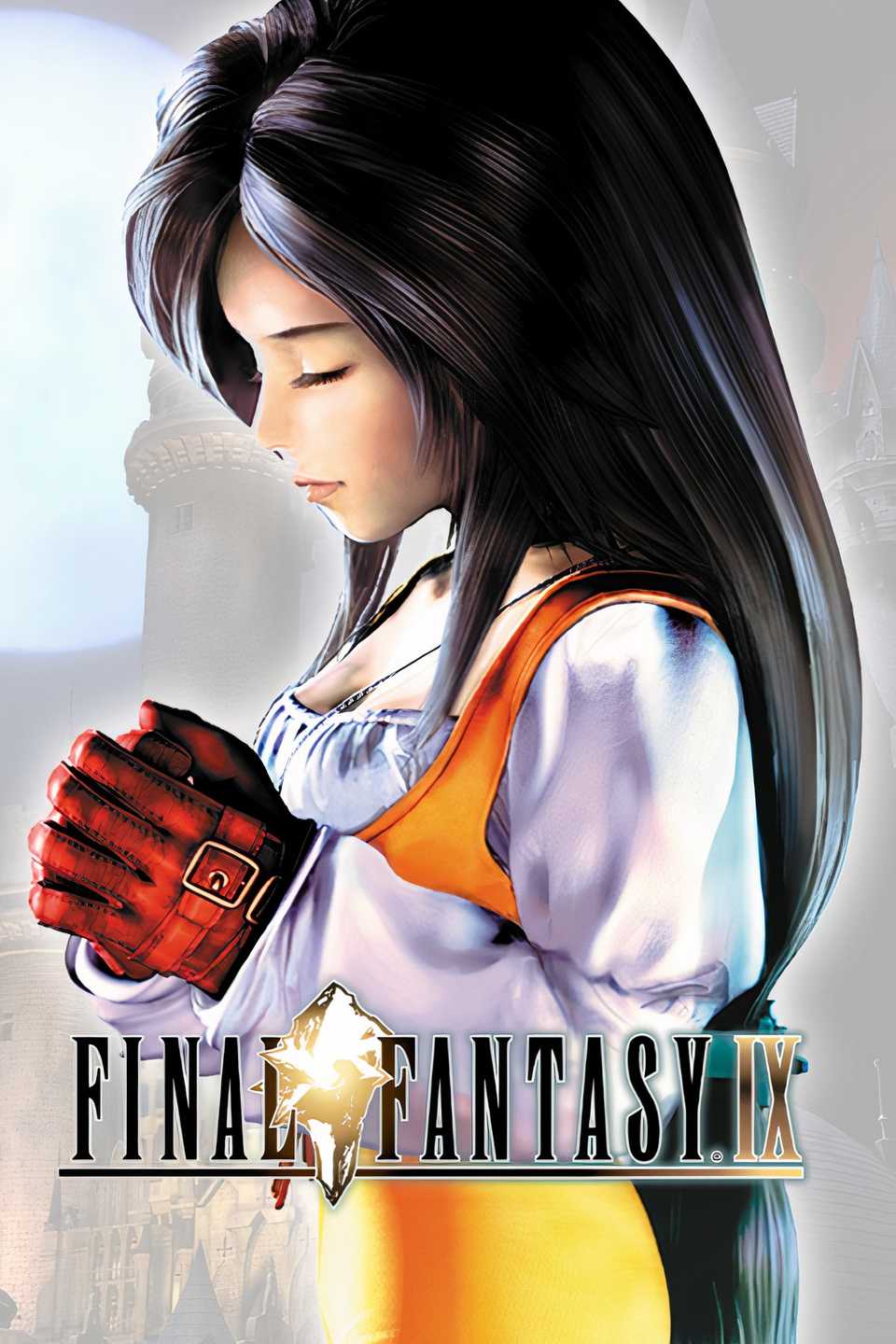
Industry analysts note that physical collectibles tethered to auditory nostalgia often outperform traditional plastic figurines among older demographic cohorts. Fans who grew up playing the PlayStation in the early 2000s now possess the disposable income to invest in premium, understated memorabilia like mechanical music boxes, transforming abstract digital memories into tactile home decor.
Implications: What This Means for Final Fantasy IX Fans
For the community eagerly awaiting news of a modernized Final Fantasy IX, the release of these music boxes carries a bittersweet sentiment.
On one hand, the lack of news regarding a Final Fantasy IX Remake can sometimes frustrate purists who want to see Zidane, Vivi, Dagger, and Steiner rendered in modern, high-definition graphics with contemporary action-RPG mechanics. On the other hand, the continued production of official merchandise proves that Square Enix has not forgotten the title’s commercial and cultural footprint.

Furthermore, Nobuo Uematsu’s score remains the beating heart of Final Fantasy IX. For many players, hearing the delicate, metallic tinkle of a hand-cranked music box playing "A Place to Call Home" or "Not Alone" evokes a stronger emotional response than a graphical upgrade ever could. It strips the game down to its purest, most nostalgic elements.
As pre-orders remain open on the Square Enix UK store ahead of their late October dispatch, these music boxes serve as a poignant reminder of why the PlayStation 1 era of role-playing games remains entirely unmatched. Whether they serve as placeholders for a future remake or simply as quiet desktop monuments to a golden age of gaming, these collectibles ensure that the music of Gaia will continue to play on for generations to come.
