
Global Cinema Spotlight: China’s Oscar Contender ‘Once Upon a Time in the Middle East’ Arrives in U.S. Theaters
By Alex Billington | October 7, 2026
The landscape of international cinema is shifting, and China’s latest entry into the Academy Awards race is a testament to the power of human-centric storytelling amidst geopolitical volatility. Well Go USA has officially dropped the U.S. trailer for the highly anticipated Chinese blockbuster Once Upon a Time in the Middle East (originally titled Welcome to the Loong Restaurant). Directed by the acclaimed Wen Muye, the film has already made significant waves since its August 2026 release in China, solidifying its status as a box office phenomenon and a poignant, if controversial, addition to this year’s international film discourse.
Main Facts: A Story of Survival and Sustenance
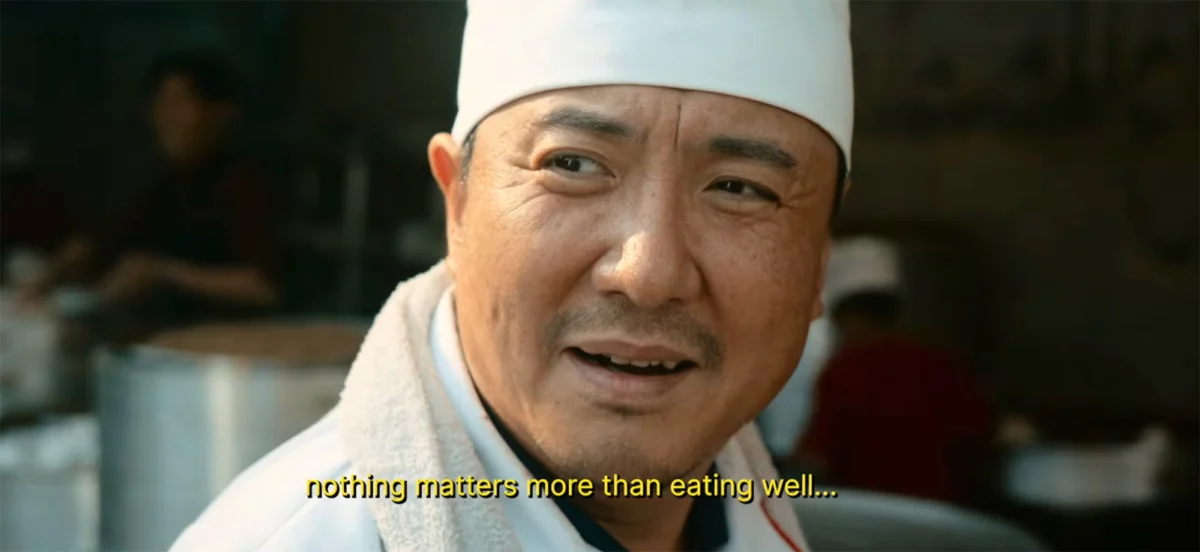
At its core, Once Upon a Time in the Middle East is a departure from the traditional, high-octane war epics that often dominate global markets. The film stars Shen Teng—arguably one of China’s most recognizable and beloved comedic and dramatic actors—as Xu Fu, a chef who migrates to the fictional Middle Eastern city of Bahata to clear his debts and provide for his family.
Alongside his restaurant manager, Ma Junsheng, played by Jiang Qiming, Xu Fu manages to turn a struggling eatery into a thriving cultural hub. However, the narrative takes a sharp turn when war erupts. As the conflict intensifies—specifically involving forces depicted as an antagonistic American military presence—the restaurant is transformed from a place of business into a makeshift refuge for orphans and displaced civilians.
The film eschews the typical focus on battlefield heroism, opting instead for a "humane perspective" on the civilian experience. It poses a fundamental question: When the world outside burns, what role does a simple kitchen play in preserving the dignity of those left behind?

Chronology of Production and Release
The journey of Once Upon a Time in the Middle East from concept to international release has been swift and deliberate.
- Development and Pre-Production: Director Wen Muye, best known for his emotionally resonant work on Dying to Survive and Nice View, began developing the script alongside writers Lang Qunli and Wei Zhong. The production, helmed by industry titans Ning Hao and Mohamed Osama, sought to blend local Chinese cultural identity with the complex geopolitical realities of the contemporary Middle East.
- August 2026 (Domestic Debut): The film opened in Chinese theaters in mid-August. It was met with overwhelming commercial success, quickly becoming one of the highest-grossing films of the summer. The domestic reception was characterized by praise for Shen Teng’s grounded performance and the film’s emotional depth.
- September 2026 (Oscar Submission): Following its domestic success, the China Film Administration officially selected the title as the country’s submission for the Best International Feature Film at the 99th Academy Awards. This selection signaled China’s confidence in the film’s cross-cultural appeal.
- October 9, 2026 (U.S. Release): Well Go USA, known for its expertise in distributing high-quality Asian cinema to North American audiences, scheduled the U.S. theatrical release for October 9, 2026. The promotional campaign has focused heavily on the film’s heartwarming message about food and community, while acknowledging the stark, anti-war themes at its center.
Supporting Data: The Talent Behind the Lens
The film’s success is anchored by a robust creative team and a cast capable of balancing gravity with intimacy.
The Visionary: Wen Muye
Wen Muye has established a reputation as a filmmaker who can navigate social issues without losing the audience’s emotional engagement. His previous work, Dying to Survive, was lauded for its critique of the pharmaceutical industry, and Once Upon a Time in the Middle East serves as a spiritual successor in its focus on the "ordinary man" caught in a systemic crisis.
The Ensemble Cast
While Shen Teng is the marquee name, the film features a diverse international cast that adds authenticity to the Bahata setting:
- Shen Teng (Xu Fu): His transition from lighthearted roles to the desperate, protective chef is being hailed as a career-defining turn.
- Jiang Qiming (Ma Junsheng): Provides the necessary balance to Xu Fu, grounding the restaurant’s operations amidst the encroaching chaos.
- Supporting Talent: Aarif Lee Zhi-ting, Omar Sharif, and Sherif Sabby contribute to the international atmosphere, ensuring that the portrayal of the Middle Eastern city feels lived-in and multifaceted rather than a mere backdrop.
Official Responses and Thematic Reception
The film has not been without its critics, largely due to its overt anti-war stance and its specific depiction of American military intervention. In the Chinese domestic market, the portrayal of the U.S. as a villainous force in the region resonated strongly with local audiences, aligning with current national sentiment.

However, critics in the West are expected to view the film through a more complex lens. The film’s "anti-American" narrative elements are likely to spark significant debate during the Academy Awards season. Supporters of the film argue that the geopolitical framing is secondary to the film’s primary achievement: a deeply moving story about the universal language of food and the resilience of the human spirit in the face of indiscriminate violence.
"All I wanted to do was go home," the protagonist remarks in the trailer—a line that serves as the film’s emotional anchor. This sentiment is designed to resonate with global audiences, regardless of their political alignment, by highlighting the civilian cost of war.
Implications: The Future of Global Cinema
The selection of Once Upon a Time in the Middle East as China’s Oscar submission carries significant weight for the Academy and the broader film industry.
1. Cultural Diplomacy through Cinema
By backing a film that directly addresses international conflict, China is signaling a desire to participate more aggressively in the global conversation regarding geopolitics. It is a bold move to send a film that is explicitly critical of U.S. foreign policy to an American-led awards body, setting the stage for a tense but necessary cultural dialogue.
2. The "Humanitarian Hero" Archetype
The film signals a shift in Chinese blockbuster trends. Where previous years favored large-scale historical epics or sci-fi spectacles, Once Upon a Time in the Middle East suggests an appetite for stories that prioritize humanitarianism. If the film performs well in the U.S., it could inspire a new wave of international co-productions that prioritize social commentary over pure escapism.

3. Market Accessibility
Well Go USA’s involvement is a crucial indicator of the film’s potential longevity. By securing an October release, the film enters the "prestige" window for awards season. The success or failure of the film in North American theaters will be a key metric for how international, politically charged narratives from China are received by Western audiences in the current climate.
Conclusion: A Must-Watch Perspective
As Once Upon a Time in the Middle East arrives in theaters, audiences are invited to look past the political rhetoric to see the heart of the story. Whether or not it secures an Academy Award nomination, the film has already succeeded in doing what great cinema is meant to do: it has forced us to look at a part of the world and a set of circumstances we might otherwise ignore, through the eyes of a man who simply wants to feed his neighbors.
With its blend of high-stakes drama, culinary warmth, and a unflinching look at the casualties of war, Wen Muye’s latest work is poised to be one of the most talked-about films of the fall. As the credits roll, the lingering question for many will remain: Can a kitchen truly be a sanctuary in a world defined by conflict? On October 9th, audiences will have the chance to decide for themselves.
