
The Digital Reckoning: Aaron Sorkin’s Ambitious Meta Biopic Hits Theaters
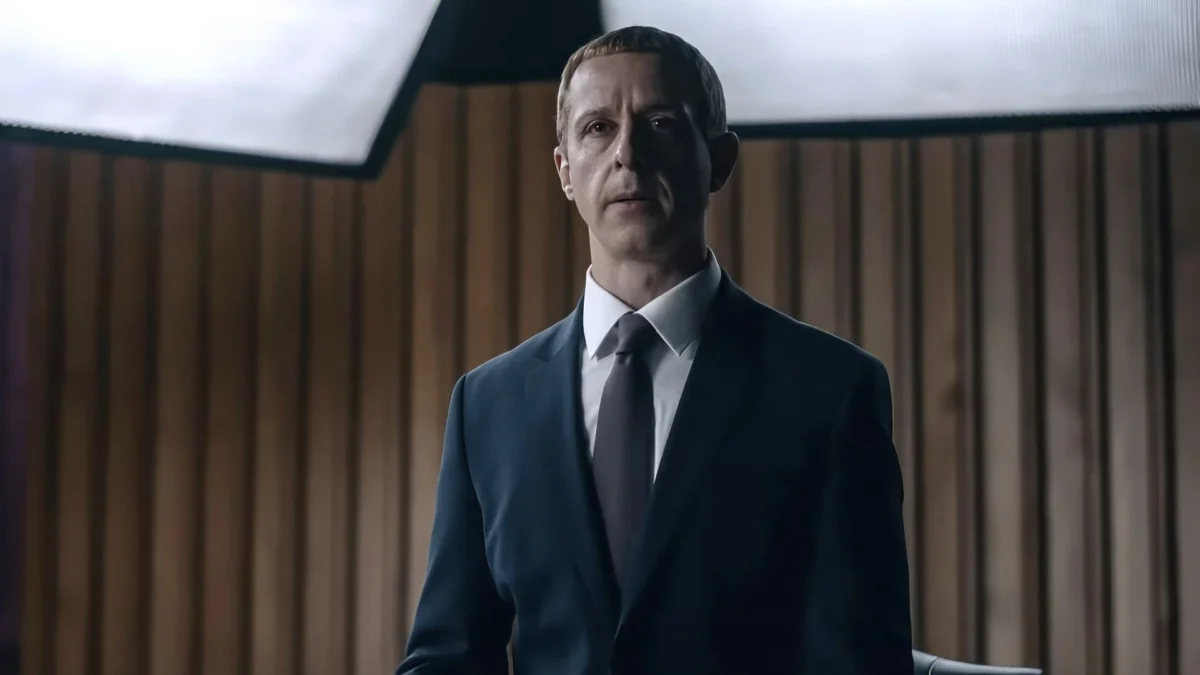
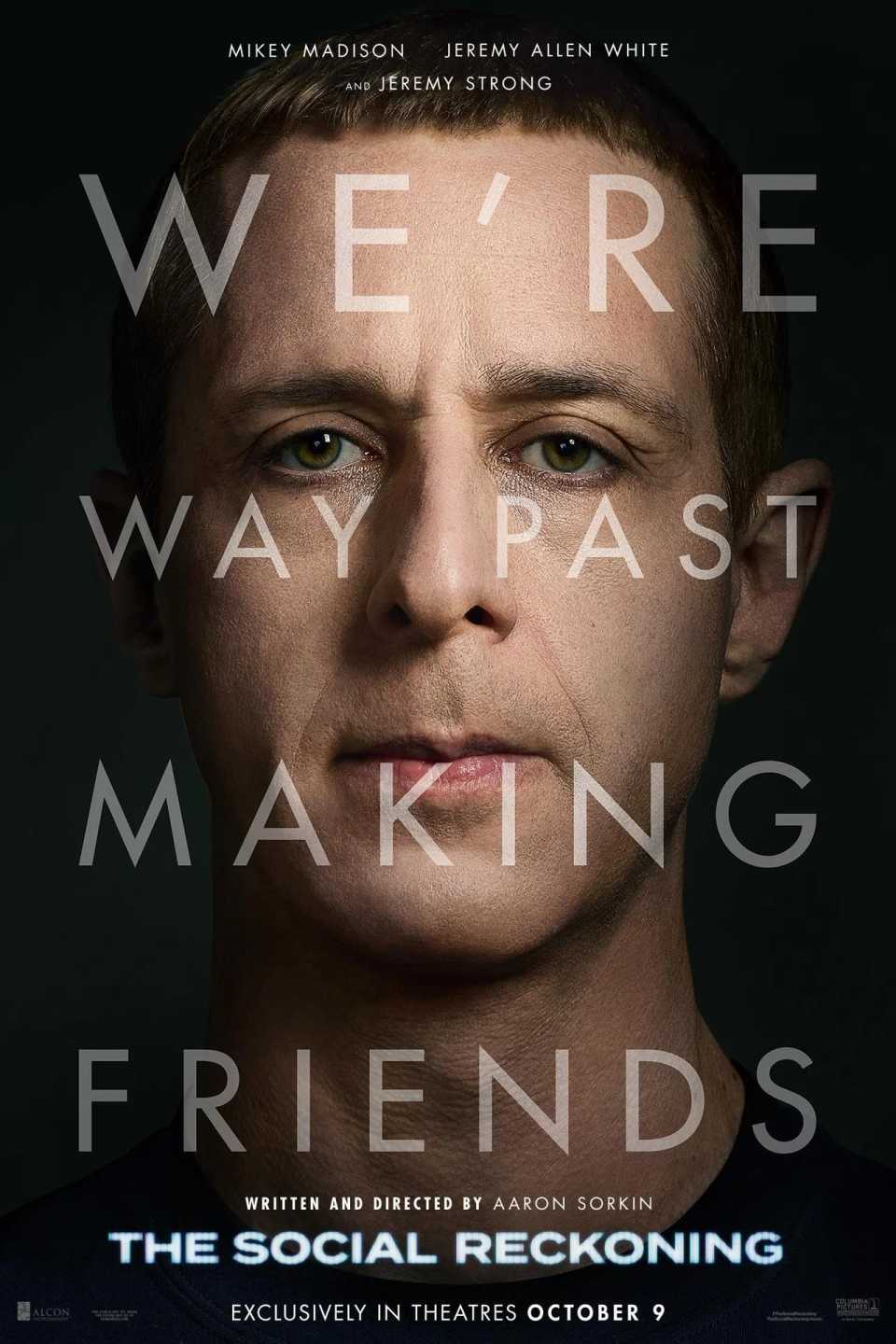
The long-awaited spiritual successor to David Fincher’s 2010 masterpiece The Social Network has officially arrived. The Social Reckoning, written and directed by the master of the modern legal thriller, Aaron Sorkin, made its theatrical debut in the United States on October 9, 2026. Following its high-profile world premiere in London on September 29, the film has sparked immediate conversation regarding the ethics of big tech, the evolution of social media, and the personal cost of hyper-connectivity.
With a cast led by the transformative Jeremy Strong—stepping into the role of Mark Zuckerberg—the film attempts to capture a fractured, volatile era of internet history. While initial box office projections suggest a modest opening between $7 million and $8 million, industry analysts are watching closely to see if the film’s "prestige" branding can drive sustained momentum through the autumn awards season.
The Narrative Foundation: From The Social Network to The Social Reckoning
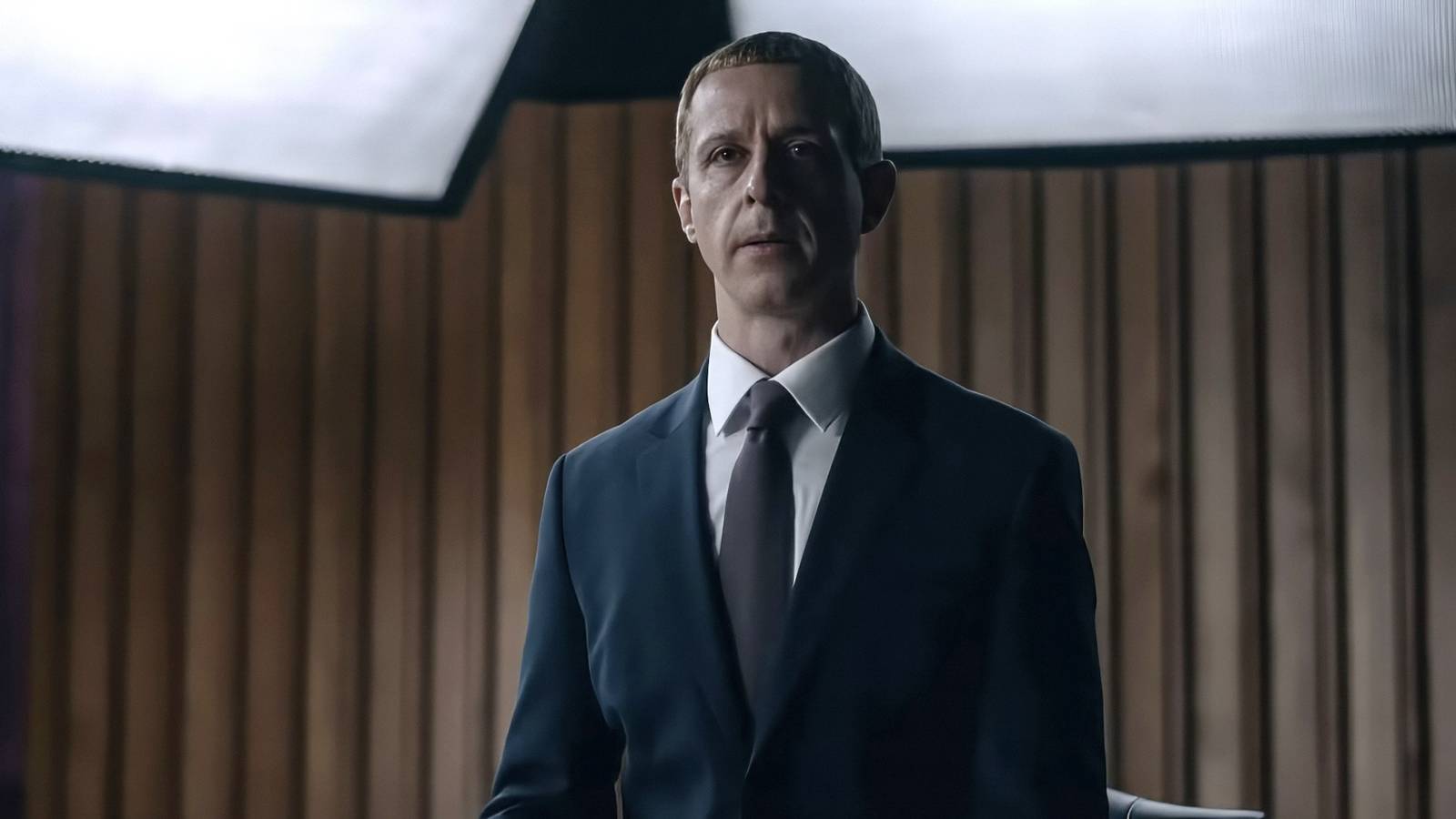
In 2010, Aaron Sorkin and David Fincher defined the origin story of the digital age with The Social Network. Sixteen years later, Sorkin returns to the subject, though the tone has shifted from the kinetic, youthful energy of Harvard dorm rooms to the heavy, claustrophobic atmosphere of corporate scandal.
The Social Reckoning is a dramatization of the 2021 whistleblower event centered on Frances Haugen and Jeff Horwitz. The film meticulously tracks the internal chaos within Meta (formerly Facebook) as leaked documents—the so-called "Facebook Papers"—revealed that the company was acutely aware of the deleterious effects its algorithms had on adolescent mental health and societal polarization, yet consistently prioritized financial growth over safety protocols.

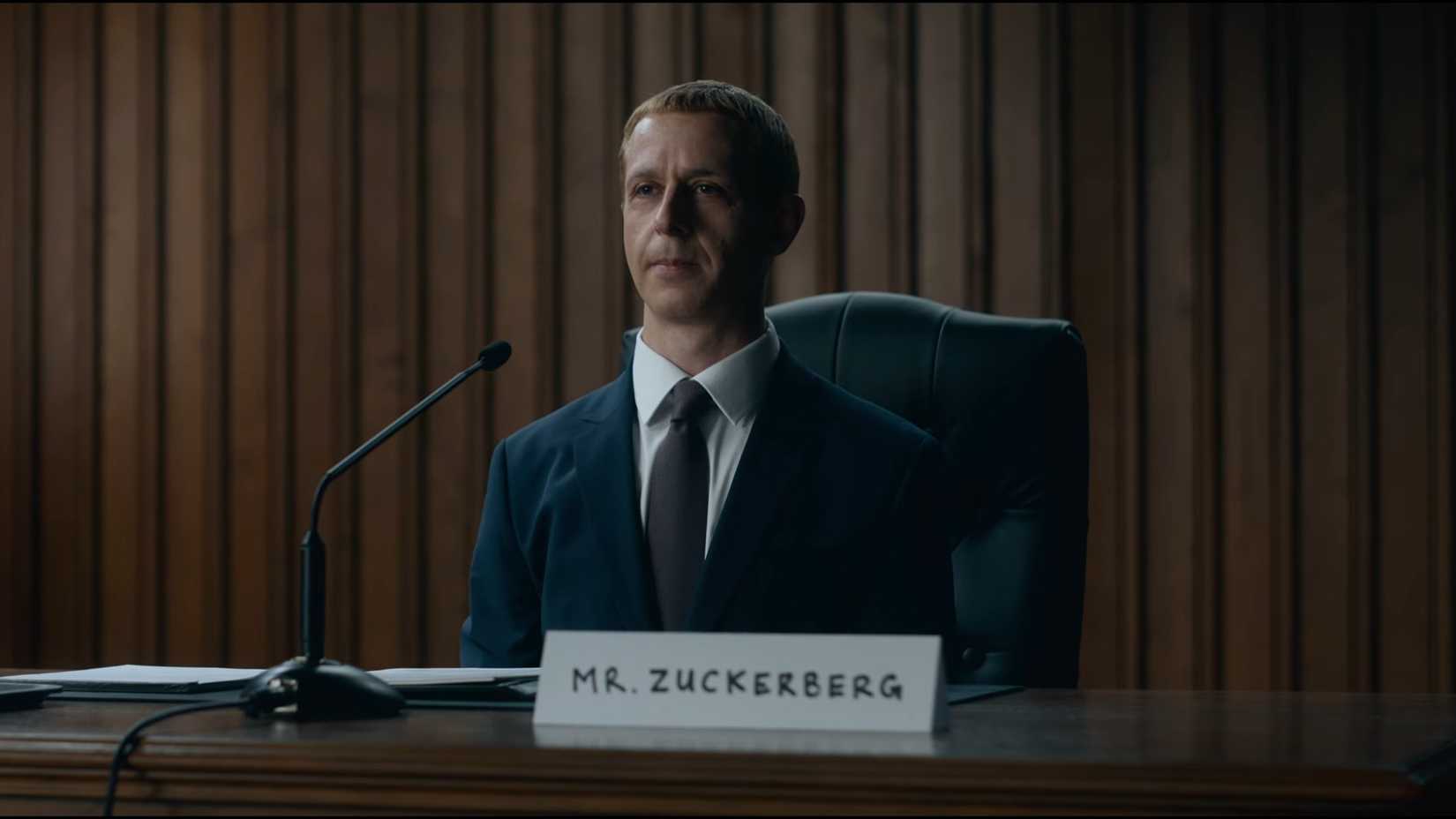
Sorkin’s script leans into his signature rapid-fire dialogue, turning committee hearings and corporate boardrooms into high-stakes gladiatorial arenas. Jeremy Strong, known for his rigorous approach to character work, portrays Zuckerberg not as a caricature, but as a man increasingly isolated by the very infrastructure he built. Supported by a powerhouse ensemble including Bill Burr, Mikey Madison, Betty Gilpin, Jeremy Allen White, and Billy Magnussen, the film attempts to synthesize a complex, multi-year technological crisis into a digestible, albeit intense, cinematic experience.
A Chronology of the Scandal
To understand the film’s gravity, one must look at the timeline of events that inspired the script:

- September 2021: The Wall Street Journal begins publishing "The Facebook Files," a series of articles based on internal documents provided by Frances Haugen. The reports suggest that Facebook’s own researchers warned the company about the harmful effects of Instagram on teenage girls.
- October 2021: Frances Haugen, a former Facebook data scientist, reveals her identity on 60 Minutes, confirming she is the source of the leaked documents. She testifies before the U.S. Senate, accusing the company of "choosing profit over people."
- Late 2021–2022: Global legislative scrutiny of Meta intensifies, leading to the rebranding of the company and a massive shift in internal corporate culture.
- 2025–2026: Production on The Social Reckoning concludes, with Sorkin finalizing a screenplay that frames the events as a modern-day legal thriller.
- September 29, 2026: World premiere in London, followed by polarized critical reception.
- October 9, 2026: Wide theatrical release in North America.
The Business of Distribution: Sony’s Strategy
Produced by a conglomerate including Alcon Entertainment, The Gotham Group, Escape Artists, and Columbia Pictures, The Social Reckoning represents a significant investment in adult-oriented drama. Distribution rights were secured by Sony Pictures, which has employed a specific, multi-tiered release strategy for the film.
The Pay-1 and Pay-2 Windows
In the current Hollywood landscape, the transition from theater to streaming is dictated by "Pay" windows. Under the current agreement between Sony Pictures and Netflix—a partnership solidified in 2021 and extended through 2032—major titles follow a strict release cadence.
The Pay-1 window, which covers the first 18 months following a film’s theatrical run, is the period during which a streaming service holds exclusive rights. Because Sony does not possess its own primary streaming platform, it has leaned heavily into its licensing deal with Netflix. For The Social Reckoning, this means that once the film completes its theatrical and digital rental (PVOD) cycles, it will land permanently on Netflix for North American audiences.
Predicting the Streaming Arrival
While an official streaming date remains unannounced, historical data provides a reliable roadmap. Sony’s recent releases, such as A Big Bold Beautiful Journey (120 days) and It Ends With Us (122 days), suggest a four-month window of theatrical exclusivity.
If this pattern holds, audiences can expect the film to arrive on Netflix in early February 2027. However, variables remain:
- Awards Momentum: If the film garners significant Oscar buzz, Sony may choose to extend the theatrical window to keep the film in the cultural conversation through the winter, potentially pushing the streaming release to late February or even March 2027.
- Performance Factors: If the film fails to find a wide audience in theaters, Sony may accelerate the digital and streaming release to minimize losses.
The Digital Home Entertainment Cycle
Before the film reaches its final destination on Netflix, it will follow the established Pay-Per-View (PVOD) route. Sony’s standard strategy for prestige films typically puts them on digital storefronts—such as Apple TV, YouTube Movies, and Fandango at Home—approximately 30 to 45 days after the theatrical premiere.

However, the "Spider-Man Effect" serves as a warning against assuming universal timelines. While a blockbuster like Spider-Man: Brand New Day was held in theaters for 67 days, the lower box office projections for The Social Reckoning make an extended theatrical run unlikely. Industry experts anticipate a digital rental/purchase release in mid-to-late November 2026, perfectly timed to capture the holiday home-viewing market.
Implications: Is the Audience Ready for Another Meta Movie?
The reception of The Social Reckoning has been, by all accounts, divisive. Critics have noted that while the film is impeccably acted and masterfully directed, the subject matter feels "too close for comfort."

For many, the wounds of the 2021 whistleblower era are still fresh. The film forces audiences to confront the reality that the platforms they use daily are the result of conscious, often cold-blooded corporate calculations. The film’s focus on the legal and psychological maneuvers behind the scenes challenges the viewer to think critically about the trade-off between convenience and safety.
Furthermore, the casting of Jeremy Strong, known for his intense method acting, creates a polarizing effect. Some viewers find his performance to be a profound study of modern neurodivergence and ambition, while others argue it leans too heavily into the "villainous" tropes that audiences have come to expect from portrayals of tech billionaires.

Conclusion: A Barometer for Modern Cinema
Whether The Social Reckoning becomes a financial blockbuster or remains a niche prestige piece, its impact on the cultural landscape is undeniable. It serves as a litmus test for the viability of the "adult drama" in a post-pandemic, streaming-first world.
As the industry watches to see if Sorkin’s latest effort can transcend its modest opening weekend, the broader story remains clear: the intersection of big technology and the human psyche continues to be the most fertile, and contentious, ground for contemporary filmmaking. For those waiting to watch it from the comfort of home, the next few months will be a waiting game, with February 2027 serving as the likely window for the film’s digital migration. Until then, the theater remains the only place to witness the latest chapter of the digital revolution.
