Inside the Noir Schoolyard: How The Scarlet Tamagochi Brought Low-Fi Chilean Animation to the Oscar Stage
By Jamie Lang Published October 8, 2026
Main Facts
As the global animation industry increasingly leans toward hyper-polished, AI-assisted digital pipelines and massive studio budgets, a small, defiantly handmade production from South America is turning heads on the international awards circuit. The ScarletTamagochi (El tamagochi escarlata), a strikingly tactile Chilean animated short film, has officially secured its qualification for the 2027 Academy Awards. The film punched its ticket to the Oscar race by claiming the top prize at Chilemonos, one of Latin America’s premier animation festivals.
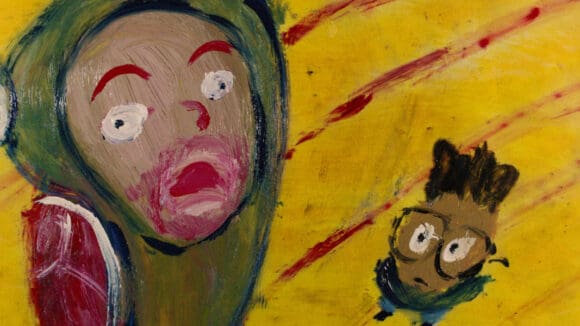
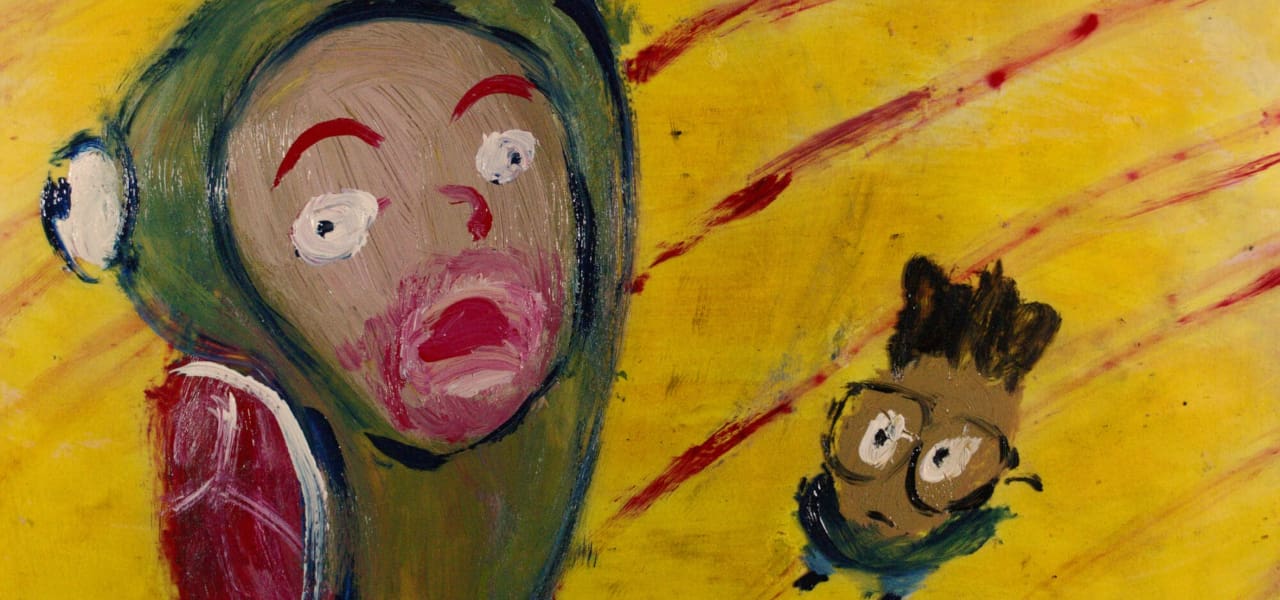
Directed by Francisco Visceral and written by celebrated Chilean comedian Ignacio Sociías—who also produced the project alongside Lucas Engel—The Scarlet Tamagochi is a masterclass in resourcefulness. Crafted by a lean, dedicated crew utilizing minimal financial resources, the short blends hand-painted animation, cutout techniques, and traditional stop-motion.
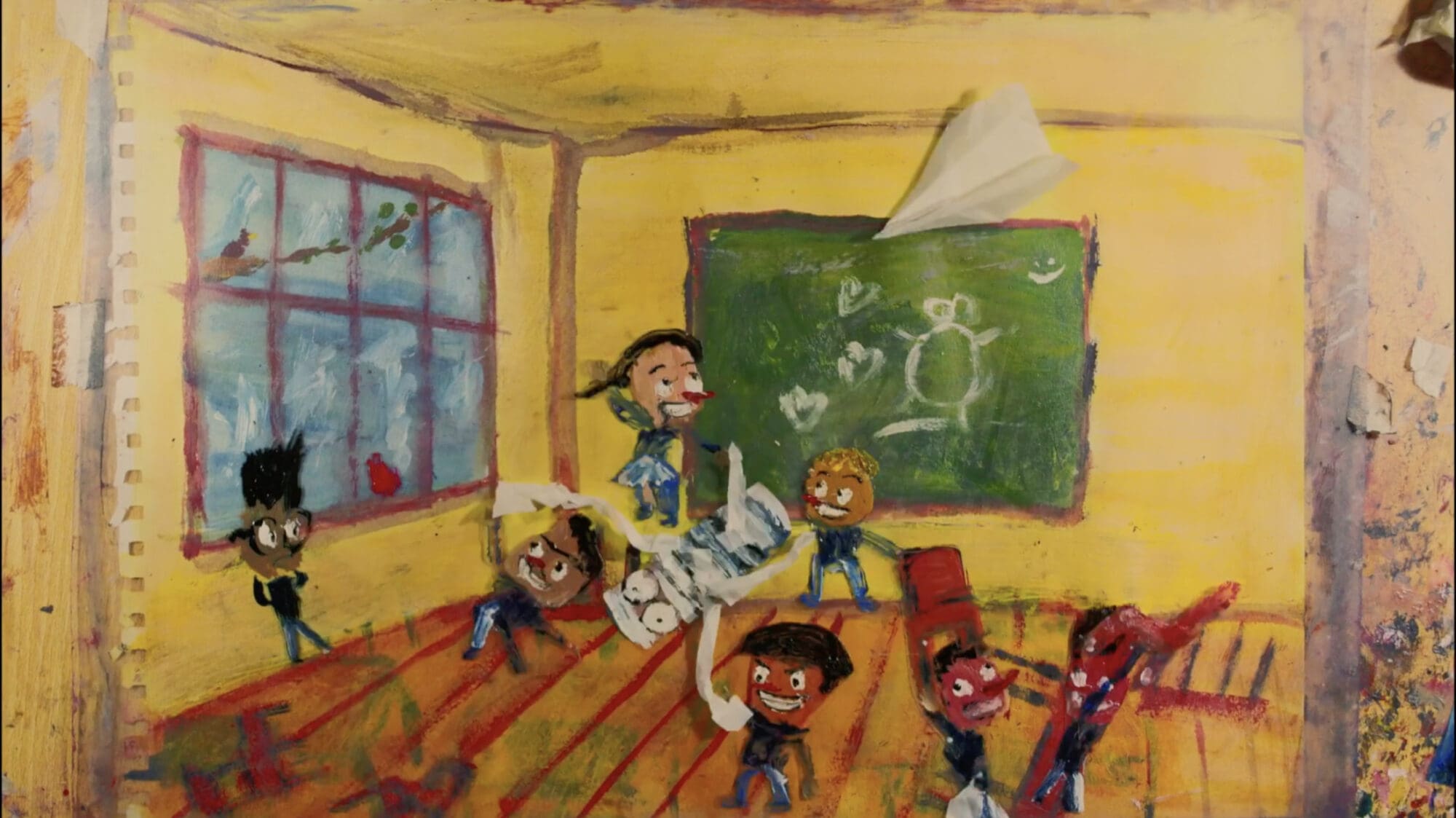
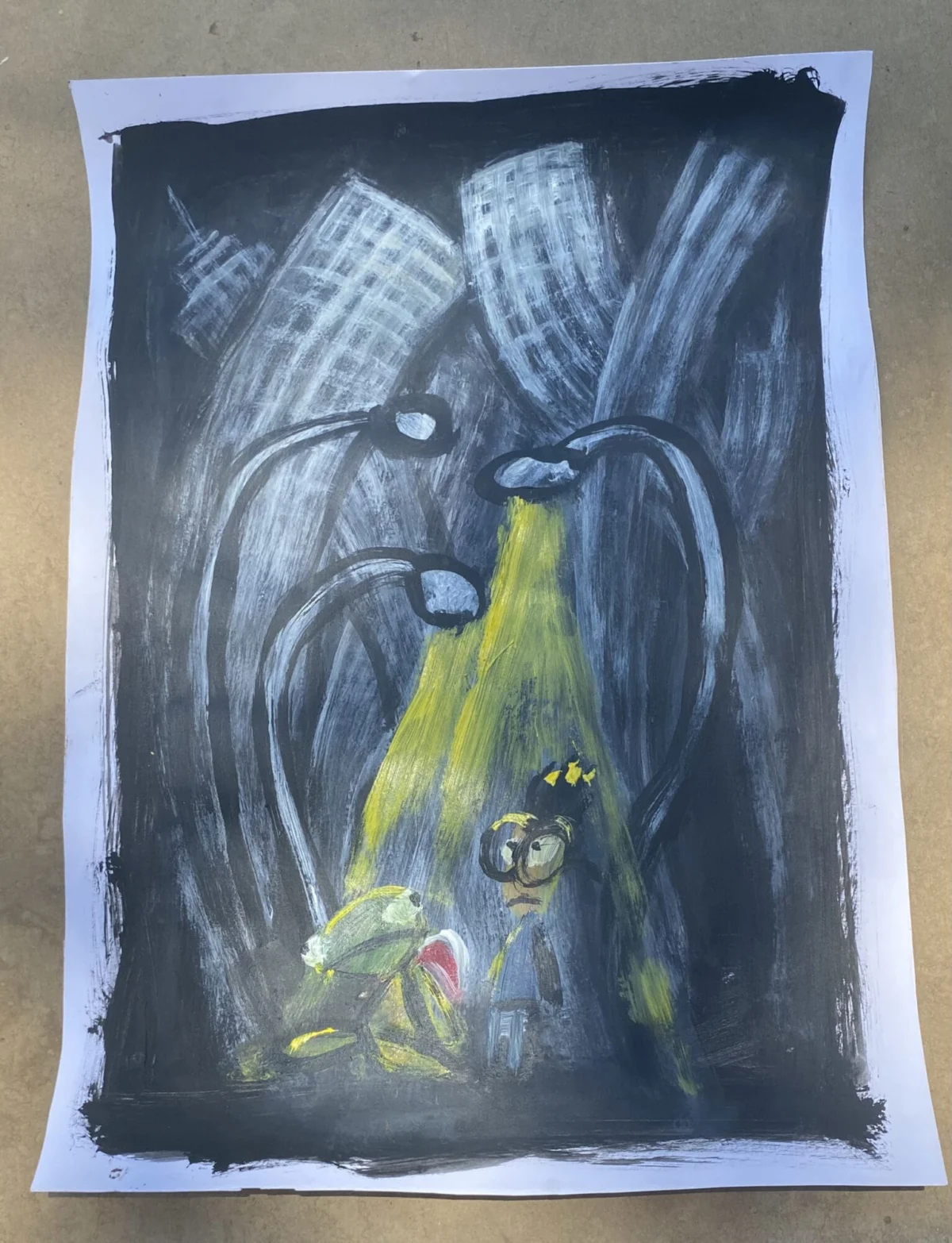
Set against the nostalgic yet abrasive backdrop of a 1990s Chilean schoolyard, the film elevates a deceptively trivial crisis—the sudden disappearance of a virtual digital pet—into a high-stakes, noir-inspired detective mystery. Complete with classic hard-boiled tropes, shadowy rivalries, and elaborate interrogations, the narrative takes childhood angst remarkably seriously. By channeling the unbridled, unruly visual energy of a child illustrating their own tall tales, Visceral and his team have crafted a universally resonant meditation on youth, trauma, and the formative power of early social hierarchies.
Chronology
The journey of The Scarlet Tamagochi from a grassroots concept to an Academy Award-contending festival darling reflects the growing momentum of independent Latin American animation:
The 1990s Inception (Inspiration): The cultural phenomenon of virtual pets (such as the Tamagotchi) sweeps schoolyards globally, leaving indelible memories of frantic feeding, sudden digital deaths, and early lessons in existential dread among children growing up in post-dictatorship Chile.
Development Phase: Comedian Ignacio Sociías conceives a script that views the political maneuvers, micro-aggressions, and emotional stakes of the schoolyard through the gritty lens of adult detective fiction. He partners with producer Lucas Engel to bring the project to life.
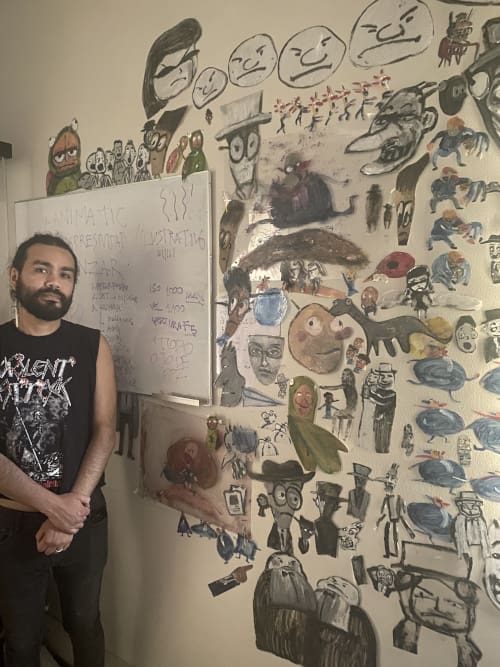
Production & Visual Execution: Francisco Visceral steps into the director’s chair. Operating on a heavily restricted budget and tight timeline, the crew leans into tangible, analog materials—utilizing hand-painted frames, mixed-media cutouts, and stop-motion animation to establish a distinctively "human-made" aesthetic.
Festival Run and Oscar Qualification: Following its completion, The Scarlet Tamagochi captures critical attention across the international festival circuit. Its run culminates at the Chilemonos festival, where it wins the top prize, officially qualifying the short film for consideration in the Animated Short Film category at the 2027 Academy Awards.
Supporting Data
The rise of The Scarlet Tamagochi does not happen in a vacuum; it is part of a broader, critically acclaimed renaissance of Chilean animation that has steadily captured global attention over the past decade.
Precedent of Excellence: Chile has established itself as an artistic powerhouse in the stop-motion and analog animation space. This legacy was famously ignited by La casa lobo (The Wolf House), directed by Cristóbal León and Joaquín Cociña, which fundamentally altered international perceptions of Chilean cinematic aesthetics with its unsettling, metamorphic stop-motion style.
Continued Critical Acumen: The country’s animation prestige was further cemented by Bestia, a 2021 stop-motion short film directed by Hugo Covarrubias. Bestia went on to secure an Academy Award nomination for Best Animated Short Film, proving that Chilean creators could tackle dark, politically charged historical subjects through deeply textured, tactile mediums.
Production Constraints:The Scarlet Tamagochi exemplifies ultra-low-budget indie efficiency. While major Hollywood animated features routinely operate on budgets exceeding $100 million and rely on server farms running complex CGI simulations, Visceral’s production relied on raw human labor, physical paint, paper, and physical manipulation of materials—proving that artistic impact is not strictly correlated to capital expenditure.
Official Responses
In an exclusive interview with Cartoon Brew, director Francisco Visceral opened up about the creative philosophy, stylistic choices, and psychological underpinnings that shaped the film.
When asked what drew him to direct a script blending childhood nostalgia with stark realism, Visceral emphasized that the film avoids sugarcoating youth:
"I love the way the script visits our childhood as a collective fear, and not only the innocence or the happy moments that we choose to keep," Visceral explained. "When you recreate the whole package of emotions that you felt when you were a child, you start to connect not only with nostalgia, but as an adult who realizes that you still are the same kid, with another perspective on the memories due to a whole kind of new experiences that you lived."
He added that the film explores how children navigate an intimidating environment: "I love how El tamagochi escarlata is not only a story about kids, but also a story of how kids grow up and see the world as hostile and intimidating, yet also a fun place to live. I was a weird kid. I’m a weird adult now."
Discussing the steep learning curve of independent filmmaking, Visceral highlighted the importance of embracing imperfection:
"My main lesson was that I learned to take things and make them real and tangible instead of waiting or taking too long because it doesn’t look ‘as it should be.’ Most people think that their work isn’t good because it doesn’t look like other artists’, animators’, or filmmakers’, and that’s not true. The differences that you build are the features that make your work unique."
Regarding the film’s chaotic, mixed-media visual approach, Visceral pointed to a three-pronged philosophy: making it feel like a child’s enthusiastic storytelling, honoring a distinctly Chilean tradition of expressive materiality, and adapting to financial limitations.
"We wanted to make it look like a kid telling a story to his parents or friends, with the same energy as a child using his coloring pencils or brushes," he noted. Furthermore, comparing it to milestones like La casa lobo and Bestia, he emphasized: "Our relationship with materials is more expressive; we are not trying to hide its essence, something different from what other animators are used to doing, especially nowadays with AI. And the third reason is that, well, we didn’t have much money."
Finally, Visceral defended the decision to treat playground politics with cinematic gravity:
"My main concern is to start talking to kids as normal human beings, and to stop pretending their feelings aren’t valid. That said, school is the best place to see their world, and how safe or unfair a child’s daily life can be… Kids’ stories should always be interesting and fun for adults too, because they depend on us to know how they are dealing with this mad world."
Implications
The Academy Award qualification of The Scarlet Tamagochi carries several significant implications for the future of international animation:
Pushing Back Against the AI Wave: At a time when generative artificial intelligence threatens to homogenize commercial digital art and cut labor costs by eliminating human artists, The Scarlet Tamagochi stands as a defiant monument to human-made imperfection. Its raw, tactile aesthetic champions the visible fingerprints of its creators, offering a blueprint for how indie artists can weaponize traditional mediums against automated creative slop.
The Global Viability of Regional Stories: The film’s success reinforces the notion that hyper-local narratives—imbued with specific 1990s Chilean cultural touchstones and schoolyard dynamics—possess universal emotional resonance. Audiences worldwide recognize the universally harrowing experience of peer pressure, bullying, and institutional authority regardless of geography.
Elevating Latin American Animation: Following in the footsteps of Bestia and The Wolf House, The Scarlet Tamagochi further solidifies Chile’s reputation as a global hub for daring, avant-garde, and stop-motion/mixed-media animation. As the film steps onto the Oscar stage, it raises the profile of Latin American creators who continue to punch far above their weight class, proving that compelling storytelling requires vision, courage, and tactile authenticity far more than endless corporate funding.

.png)