
A Time Capsule of Genius: Exploring the Legacy of ‘Once Upon A Time in Harlem’
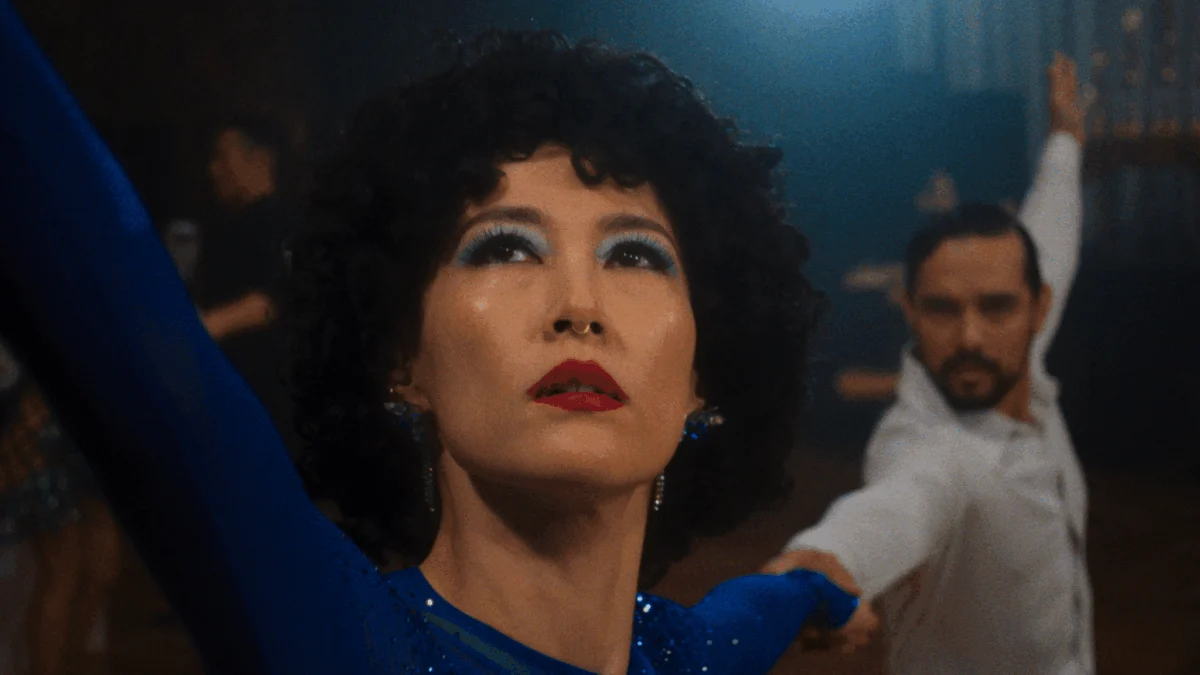
The 2026 Sundance Film Festival stands as a testament to the enduring power of cinematic preservation, nowhere more apparent than in the debut of Once Upon A Time in Harlem. This documentary, a collaborative labor of love between the late, legendary filmmaker William Greaves and his son, David Greaves, offers an intimate, unprecedented window into the minds of the architects of the Harlem Renaissance.
As the festival continues to highlight the most vital voices in independent cinema, Once Upon A Time in Harlem serves as both a historical record and a call to action. It reminds us that culture is not merely something we inherit; it is something we actively define and defend.
The Genesis of an Irresistible Invitation
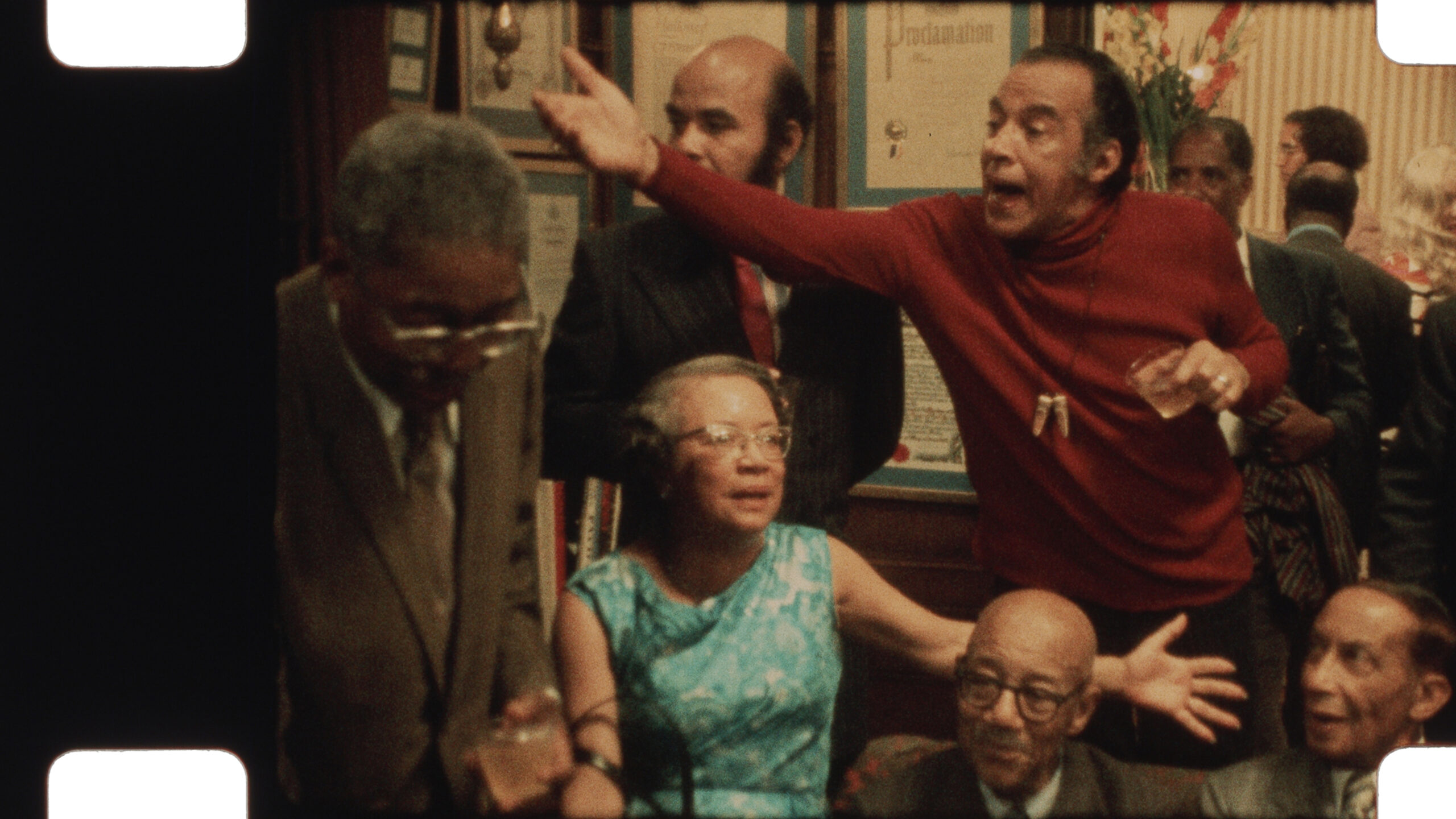
The film opens with a sequence that feels more like an invocation than a prologue. As the sophisticated, melancholic strains of Duke Ellington’s “Black Beauty” fill the theater, the audience is greeted with a simple, elegant text overlay: “You are invited to a cocktail party at the home of Duke Ellington. It will be a gathering of artists and intellectuals — the living luminaries of the Harlem Renaissance. I hope you will join me for this special afternoon. Yours truly, William Greaves.”
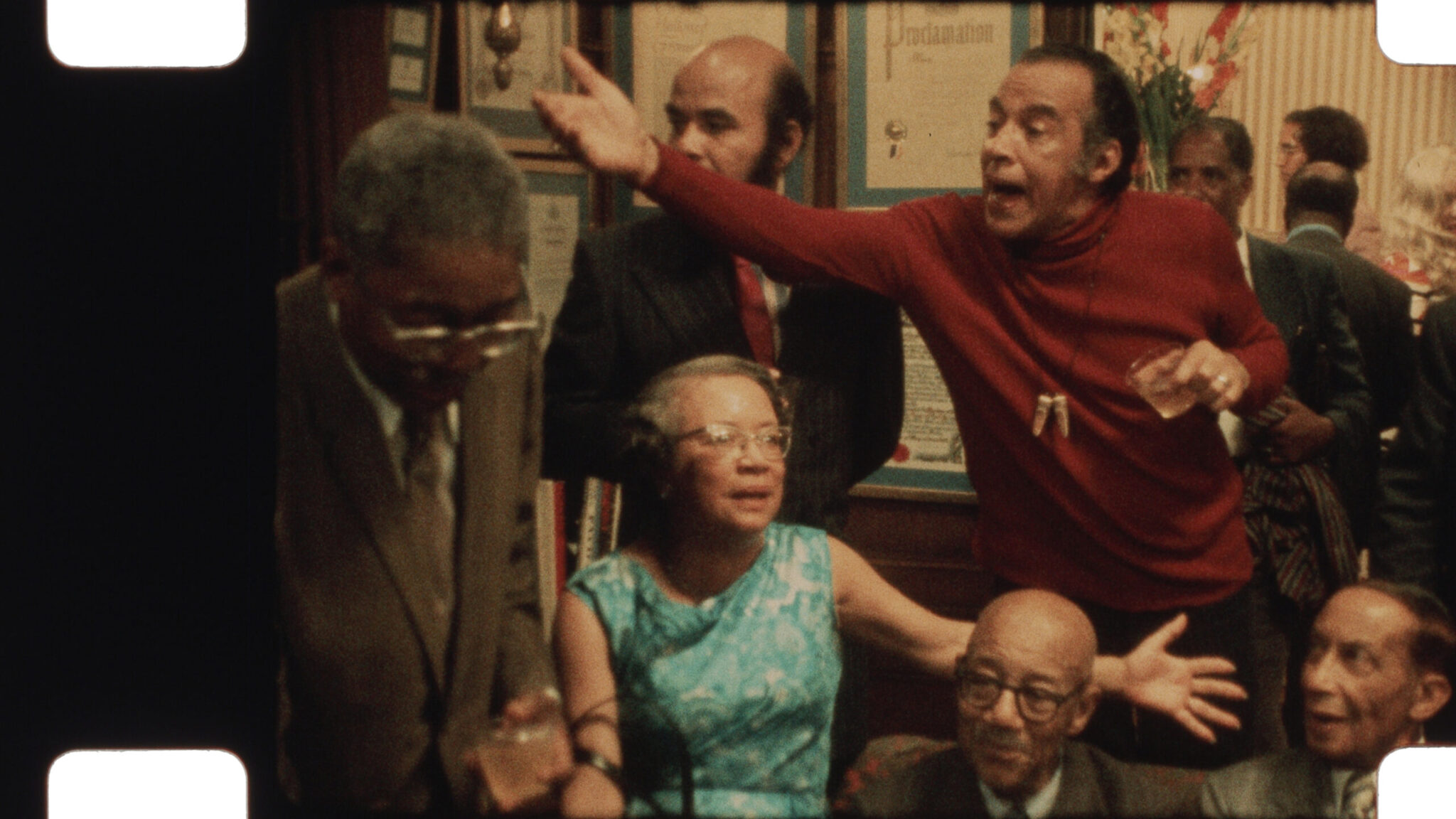
This invitation serves as the heartbeat of the project. Captured in 1972, the footage was unearthed and curated by David Greaves to bridge the gap between the monumental historical period of the Harlem Renaissance and the modern era. The film is not merely a document of a party; it is a masterclass in cinéma vérité, capturing the unscripted, profound, and revelrous conversations of poets, novelists, librarians, photographers, and musicians who transformed the American cultural landscape.
Chronology of a Visionary: The Life and Work of William Greaves
To understand the weight of Once Upon A Time in Harlem, one must understand the man behind the lens. William Greaves was a titan of nonfiction cinema, a filmmaker whose career spanned five decades and shattered the glass ceilings of his industry.
- The Early Years and Still a Brother: Throughout the 1960s, Greaves established his reputation as a voice for the voiceless. His 1968 documentary, Still a Brother: Inside the Negro Middle Class, earned an Emmy nomination and cemented his reputation for challenging the narrow, often degrading stereotypes of Black life depicted in mainstream media.
- The 1980s and the Sundance Connection: In 1980, Greaves was rightfully inducted into the Black Filmmakers Hall of Fame. His relationship with the Sundance Institute blossomed in 1985, when he participated in the Directors Lab to develop The Sweet Flypaper of Life, a project that would further define his stylistic approach to narrative nonfiction.
- A Boundary-Pushing Decade: In 1992, Greaves premiered his meta-cinematic masterpiece, Symbiopsychotaxiplasm: Take One, at the Sundance Film Festival. The film, which blurred the lines between reality, documentary, and fiction, remains a foundational text in experimental film.
- The New Millennium: Greaves continued his creative momentum, returning to Sundance in 2001 with the critically acclaimed Ralph Bunche: An American Odyssey, and again in 2005 with the sequel to his 1992 experimental triumph, Symbiopsychotaxiplasm: Take 2½.
The Significance of the 1972 Gathering
The footage captured in 1972 is, by any standard, an archival goldmine. By bringing these luminaries together in the domestic, comfortable setting of Duke Ellington’s apartment, William Greaves managed to bypass the posturing of public interviews.
The film allows viewers to witness the "architecture" of a movement. It shows the camaraderie between the individuals who, through their art and scholarship, built the foundation for modern African American identity. In the film, these figures are not statues or names in a history textbook; they are living, breathing human beings sharing laughter, debates, and memories.
David Greaves notes that the importance of this footage has only grown with time. "At a time when Black history is being officially erased wherever possible," David explains, "it is important that the story of the Harlem Renaissance be told by the people who lived it."
Insights from the Director: A Conversation with David Greaves
In an exclusive discussion regarding the film’s development, David Greaves shared the motivations that drove him to complete his father’s vision. For David, this project is a synthesis of historical duty and personal legacy.
On the Nature of Creativity
When asked about what he hopes the audience takes away from the film, David emphasized the human spirit. "William was curious to see what this creative epicenter might reveal about Africans in America after 400 years of slavery," he says. "What he discovered reveals the nature and complexity of creativity and the drive of the human spirit."
The Philosophy of "The Truth"
Perhaps the most poignant part of the filmmaking process was revisiting his father’s own words, written four decades after the party was filmed. William Greaves wrote: “I now see that culture is what defines a people, and I see this film as an exploration and an appreciation of African American culture and the role the artist plays in creating that culture and defining who we are as a people.”
For aspiring filmmakers, David offers a piece of advice that echoes the ethos of his father’s work: "The camera loves truth. Let the story unfold as it was meant to, and you’ll be fine."

Implications for Future Filmmakers
Once Upon A Time in Harlem is more than a retrospective; it is a pedagogical tool for the next generation of storytellers. The film highlights several core tenets of documentary filmmaking that are often overlooked in the era of high-production, fast-paced digital media:
- The Camera as a Time Capsule: David Greaves notes that his father’s work captures not just individuals, but the "time" itself. Filmmakers should approach their subjects with the understanding that they are documenting a specific cultural moment for posterity.
- Character Studies over Narrative Arcs: While plot is essential, the emotional resonance of a film often lies in the character study. By focusing on the people, the "story" emerges organically.
- Respect for the Source: The success of this film rests on the trust established between the filmmaker and his subjects. Because William Greaves was a member of the community he was documenting, the interactions appear natural, candid, and deeply personal.
The Cultural Legacy of the Harlem Renaissance
The Harlem Renaissance was not a static event; it was a dynamic, evolving search for identity and recognition. By documenting these figures, the Greaves duo reminds the world that the African American experience is multifaceted and profoundly artistic.
The inclusion of this film in the 2026 Sundance Film Festival signals a broader institutional commitment to preserving Black history through the medium of film. As society grapples with shifting political climates and attempts to restrict the teaching of history, Once Upon A Time in Harlem acts as a defiant, artistic rebuttal—a reminder that when history is recorded by those who lived it, it cannot be erased.
Conclusion: A Living Legacy
As we look toward the future of independent cinema, the lessons provided by Once Upon A Time in Harlem remain clear. Filmmaking is not just a commercial endeavor; it is an act of preservation. It is a way to ensure that the voices of our ancestors continue to echo in the halls of the present.

David Greaves’ own creative heroes—William Greaves, Ossie Davis, and Colson Whitehead—all share a common thread: an unwavering commitment to the truth of the Black experience. By honoring his father’s work, David has ensured that the "cocktail party" at Duke Ellington’s apartment will continue to serve as a meeting place for generations to come.
The film is not merely a look back at what was; it is a blueprint for what can be. Through the lens of the Greaves family, we are reminded that whether we are documentarians, historians, or simply curious audience members, our primary duty is to keep the conversation going—to listen to the architects of our past, and to ensure that their vision for the future remains as vibrant and urgent as the day it was captured.
