
Behind the Scenes of a Trainwreck: A Deep Dive into Chris Rock’s A24 Satire Misty Green
Introduction and Main Facts
In the labyrinthine ecosystem of Hollywood self-critique, few projects arrive with the built-in pedigree, stacked ensemble cast, and acute expectations of Misty Green. Written and directed by Chris Rock and distributed by prestige powerhouse A24, the 2026 drama-satire aims to skewer the ruthless, transactional nature of the entertainment industry. Yet, according to early critical reception following its festival circuit debut, the film collapses under the weight of its own cynicism.
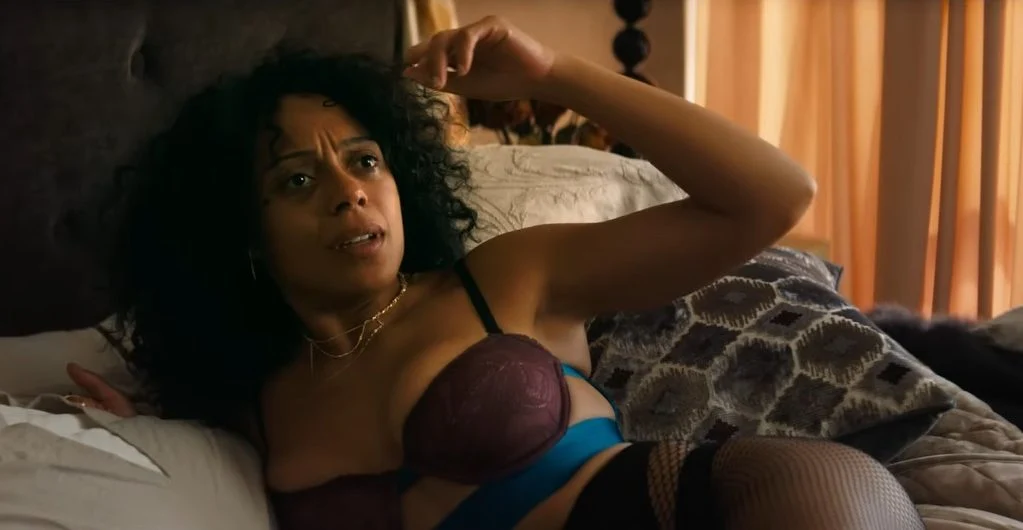
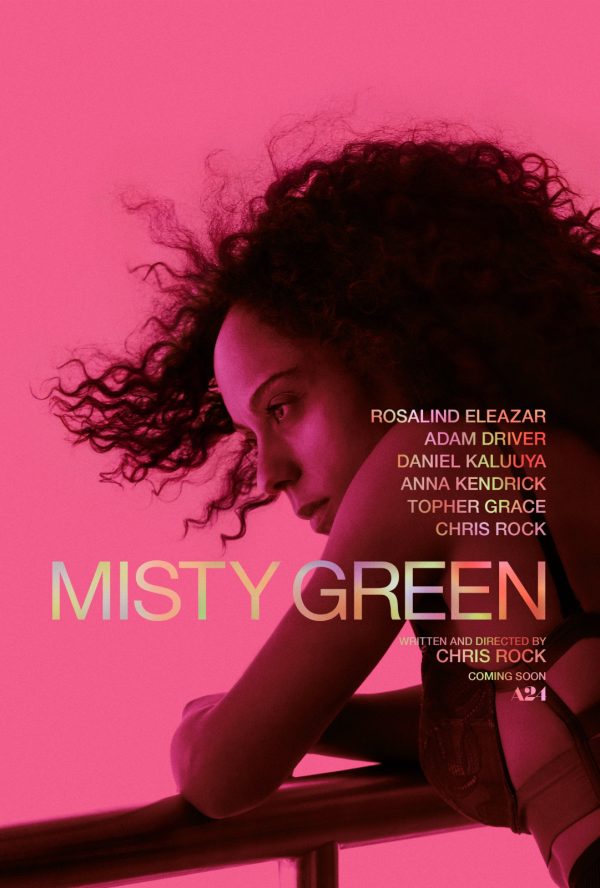
At its core, Misty Green follows the titular protagonist—an Emmy-winning television star whose career has languished in the years following her initial breakthrough. Played by Rosalind Eleazar, Misty fights desperately for a second act in an industry that has effectively left her behind.
However, rather than grounding its narrative in convincing industry drama, the film barrels headfirst into an exhausting parade of dysfunction. Virtually every character populating the cinematic landscape of Misty Green is rendered as a junkie, mentally unstable, or aggressively self-destructive—unless they happen to be a supporting player portrayed by Rock himself.

Despite an enviable ensemble featuring Adam Driver, Daniel Kaluuya, Anna Kendrick, Topher Grace, Anthony Anderson, and a massive supporting roster, the film has drawn harsh critiques for its scattershot direction, heavy-handed messaging, and an inability to make its colorful gallery of trainwrecks feel either human or credible.
Chronology of the Narrative and Production
To understand the trajectory of Misty Green, one must examine the progression of its chaotic narrative structure, which unfolds over an artificial and ultimately toothless ticking-clock framework.
The Inciting Incident: The Seven-Day Ultimatum
The film introduces audiences to Misty Green as she squats in the home of her deceased partner. Celine (Amy Landecker), the partner’s widow, discovers Misty and insists she vacate the premises immediately, venting venomous hostility toward the "homewrecker."
The dynamic shifts abruptly, however, when Celine notices an Emmy award resting on a shelf and recognizes her uninvited guest’s former celebrity status. This realization tempers Celine’s hostility—albeit laced with casual, jarring racism—leading her to grant Misty a strict seven-day grace period to sort out her life before she is cast out onto the streets.
This seven-day countdown is intended to establish an urgent, driving momentum, complete with episodic title cards marking the passage of each day. Yet, due to the film’s loose and freewheeling rhythm, the ticking clock fails to generate genuine suspense or tension, ultimately evaporating into the background of the meandering plot.
The Inner Circle of Chaos
As the week ticks away, Misty interacts with a toxic constellation of individuals who make up her inner circle:

- The Agent: Topher Grace plays a harried, largely thankless role as Misty’s representative, emblematic of Hollywood’s callous machinery.
- The Best Friend: Anna Kendrick portrays an adulterous confidante who adds friction rather than emotional support.
- The Director: Chris Rock steps in front of the camera as a filmmaker tasked with helming a cynical reboot of Dreamgirls. Burdened by a lead actress who cannot sing, Rock’s character admits he is only taking the gig for the paycheck—a rare, seemingly autobiographical critique of industry compromises that the film unfortunately fails to unpack.
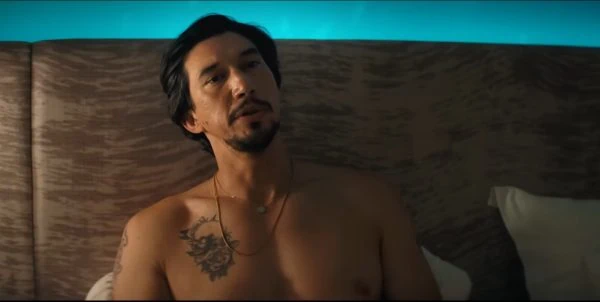
- The Addict: Adam Driver appears as a celebrity drug addict who introduces Misty to illicit, fast-cash alternatives that routinely jeopardize her potential comebacks.
- The Brother: Daniel Kaluuya plays Misty’s schizophrenic brother, recently discharged from a psychiatric facility, whose narrative arc serves primarily as a narrative device to inject chaos, elongate the runtime, and spark conflicts—notably with a Black police officer played by Anthony Anderson.
Supporting Data, Cast, and Crew Overview
Misty Green boasts one of the most star-studded ensemble casts of the 2026 film calendar, though critics have argued that the sheer volume of talent squanders individual impact.
Principal and Supporting Cast
- Rosalind Eleazar as Misty Green
- Chris Rock (Writer, Director, and Supporting Actor)
- Adam Driver
- Daniel Kaluuya
- Anna Kendrick
- Topher Grace
- Anthony Anderson
- Yvonne Orji
- Alexandra Shipp
- Busta Rhymes
- Ice-T
- Kelli Garner
- Amy Landecker
- Rich Sommer
- Tracie Thoms
- Zaria
- Parker Sack
- Carlos Jacott
- Necar Zadegan
- Nicole Ari Parker
Technical and Production Footprint
Backed by A24, the film’s visual and editing choices have faced sharp criticism from reviewers. Technical missteps—such as jarring, mathematically distracting dialogue cuts during restaurant scenes that abruptly alternate reverse shots without spatial or narrative coherence—have been singled out as amateurish. These editorial fractures actively pull viewers out of the viewing experience, contrasting sharply with A24’s typically polished aesthetic standards.
Official Responses and Critical Reception
The festival circuit premiere of Misty Green triggered widespread industry discussion, balancing anticipation for Chris Rock’s directorial ambitions against dismay at the final product.

The Satirical Divide
Industry insiders note that Hollywood has long invited cinematic skewering, from Robert Altman’s The Player to Damien Chazelle’s Babylon. However, critics argue that Rock confuses mean-spirited caricature with incisive satire. By populating the frame exclusively with self-destructive wrecks, the film alienates audience empathy.
Furthermore, elements of the plot appear to nod pointedly toward contemporary cultural flashpoints. Anthony Anderson’s character—a police officer locking horns with Kaluuya’s unstable brother—arrives amid lingering public scrutiny regarding Anderson’s own past personal controversies, inviting subtextual readings about cancel culture, redemption arcs, and industry blacklisting. Similarly, Rock’s on-screen commentary regarding artistic compromises on unwanted IP reboots gestures toward valid gripes about modern studio filmmaking. Yet, rather than interrogating these themes, the film brushes past them in favor of repetitive substance abuse subplots.
Implications for A24 and Chris Rock’s Directorial Career
The polarized reception of Misty Green carries significant ramifications for both its director and its distributor.
A Test for A24’s Prestige Brand
A24 has built its global empire on championing uncompromising, idiosyncratic visions from bold auteurs. However, greenlighting and distributing a project plagued by unfocused narrative pacing, questionable tonal shifts, and perceived technical incompetence tests the limits of brand loyalty. While A24 thrives on risky swings—some of which intentionally court division—Misty Green risks missing the mark not by being too avant-garde, but by stumbling into unintended camp and structural fatigue.
Chris Rock Behind the Camera
For Chris Rock, whose directorial efforts have historically attempted to balance mainstream comedy with observational social commentary, Misty Green represents a pivot toward darker, more abrasive dramatic territory. The film proves that Rock is unafraid to expose the grotesque underbelly of fame, wealth, and mental instability.
Yet, the core takeaway from early analyses is a cautionary one: hatred for an industry, no matter how deeply felt or personally earned, is insufficient narrative fuel on its own. Without compelling character arcs, disciplined editing, or a baseline of likability and emotional resonance, a cinematic takedown of Hollywood risks becoming just another casualty of the very machine it seeks to dismantle.
