
The Modern Sitcom Dilemma: Why Peacock’s ‘The Paper’ is Fighting an Uphill Battle Against the Streaming Model
By Charlie Ridgely
Published October 11, 2026
Main Facts: The Legacy of ‘The Office’ Meets the Reality of ‘The Paper’
Spin-off television series walk a notoriously treacherous tightrope. Historically, very few manage to escape the long, imposing shadow cast by their predecessors, let alone match their cultural footprint. Yet, exceptions do exist. Landmark television achievements like Frasier, Better Call Saul, and Angel proved that with a sharp creative vision and a distinct identity, a spin-off could comfortably sit shoulder-to-shoulder with the original series that birthed it.
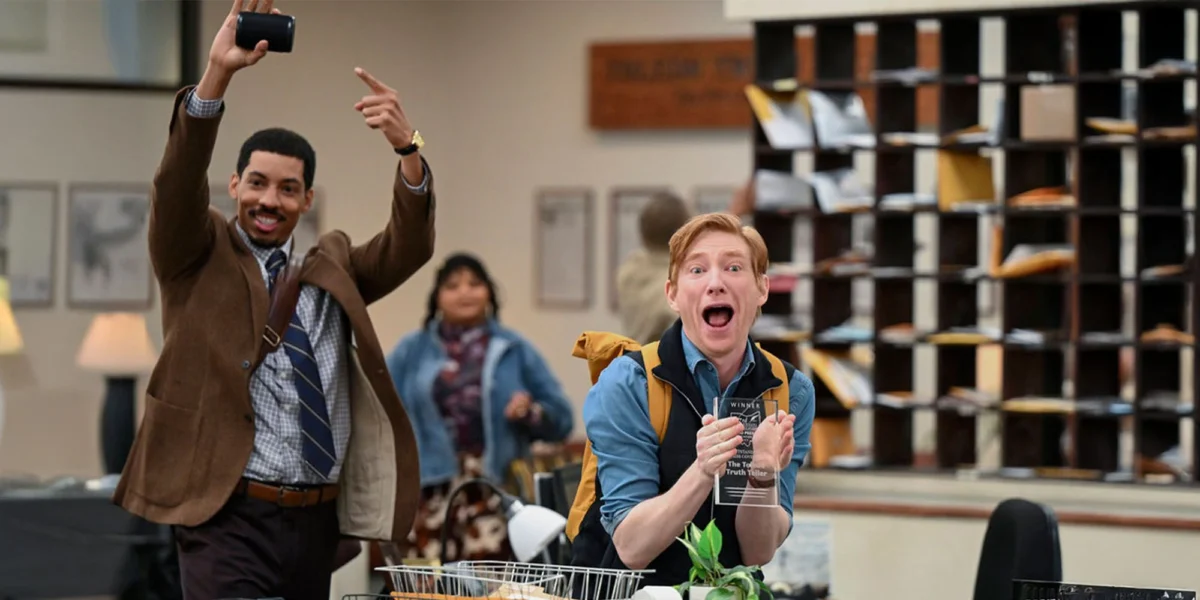
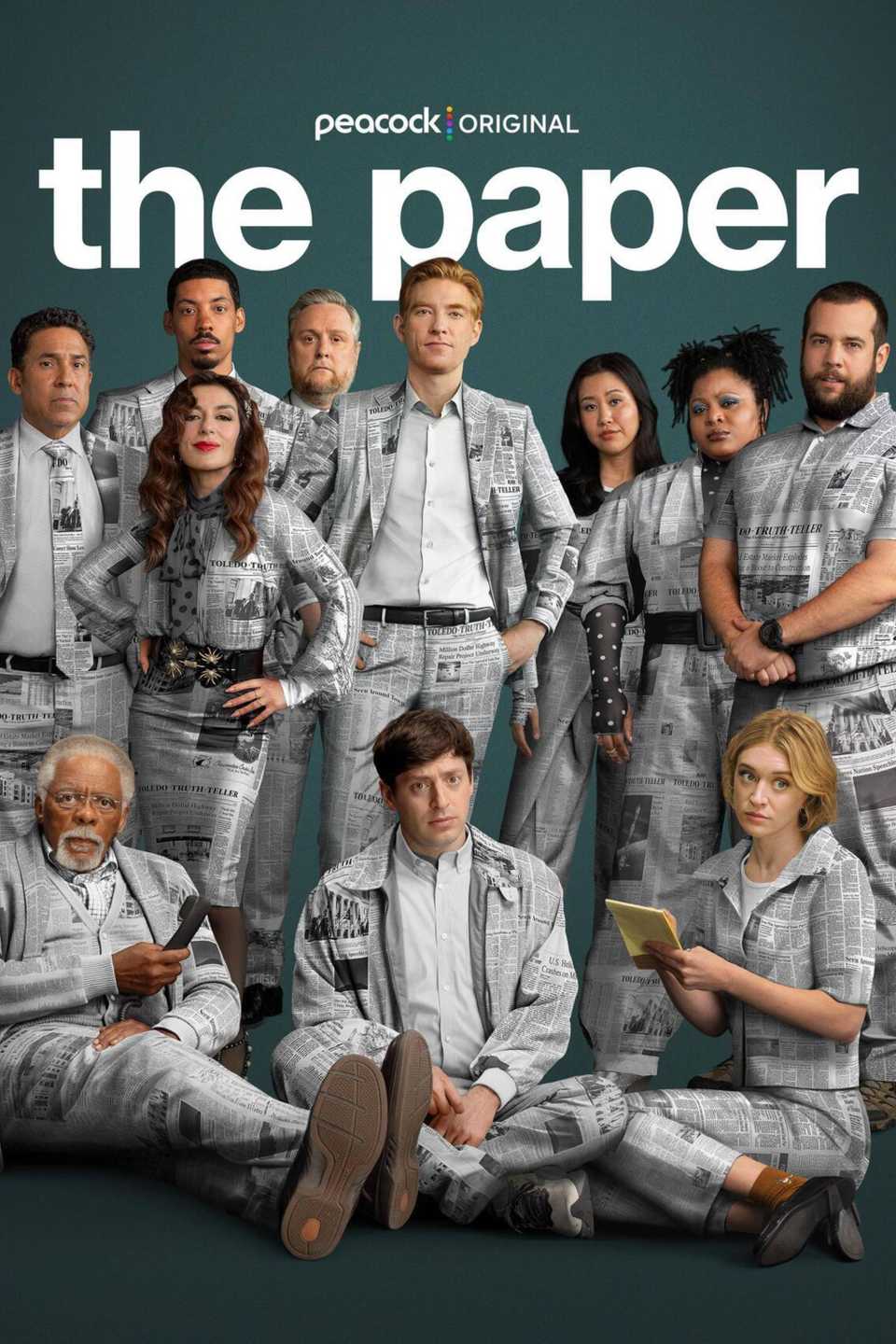
Now, Peacock’s The Paper—created by Greg Daniels and Michael Koman—faces this exact high-stakes challenge. Attempting to fill the massive, empty shoes left behind by The Office, one of the most beloved and endlessly rewatched sitcoms in television history, is no small feat.
Through its first two seasons, The Paper has shown genuine promise. It boasts a compelling, sharply cast ensemble, delivers consistent laughs, and successfully captures the mockumentary DNA and workplace tone that made Dunder Mifflin a household name. However, despite its creative successes, the series is facing an invisible and systemic antagonist. The primary hurdle keeping The Paper from scaling the absolute peaks of television history has nothing to do with its writers, directors, or cast; rather, it is a byproduct of the modern streaming era itself.
Chronology: From Network Staples to Binge-Model Realities
To understand why contemporary comedies struggle to achieve the generational staying power of 2000s and 2010s sitcoms, one must look at how the production landscape has structurally shifted over the last two decades.
- The Golden Era of Network Television (2005–2013): During its original nine-season run on NBC, The Office operated under the traditional broadcast model. With the exception of its truncated first season (which consisted of just 6 episodes), subsequent seasons ranged anywhere from 14 to a sprawling 27 episodes per year. This gave the production team substantial runway.
- The Shift to Streaming Economy (Mid-2010s–Present): As platforms like Netflix, Peacock, and Max revolutionized viewer consumption, economic pressures shifted. Production companies increasingly prioritized shorter seasons—typically numbering 8 to 10 episodes—to manage ballooning budgets, minimize actor scheduling conflicts, and mitigate financial risk.
- September 4, 2025: Peacock officially debuts The Paper, releasing its inaugural season all at once, leaning fully into the binge-watch paradigm.
- Late 2026: Entering its second season, The Paper continues its 10-episode, all-at-once release cycle, prompting renewed industry discourse regarding the long-term cultural impact of compressed television formats.
Supporting Data & Comparative Analysis: Why Episode Counts Matter
The core structural disadvantage facing The Paper becomes starkly apparent when comparing episode counts and character development arcs against its predecessor.
The Mathematics of a Sitcom Ensemble
- The Office (NBC Run): ~201 total episodes across 9 seasons.
- The Paper (Peacock Seasons 1–2): 20 total episodes across 2 seasons.
When a series produces roughly 22 episodes a season, the writers’ room has the luxury of time. Filler episodes, bottle episodes, and concentrated B-plots are not viewed as wasted real estate; instead, they serve as vital breathing room. This allows secondary and tertiary characters—such as Kevin Malone, Kelly Kapoor, and Oscar Martinez—to organically evolve from background furniture into beloved, multi-dimensional fan favorites.
In The Paper, however, every single minute of screen time is at an absolute premium. With only 10 episodes allotted per season and released simultaneously, the narrative must rush forward at breakneck speed to hit plot beats and maintain comedic momentum.

For instance, consider Oscar, who serves as a main character in The Paper. In a compressed 10-episode streaming framework, Oscar would arguably lack the room to breathe that he enjoyed in the original series. Had The Office been forced to spit out a solitary block of 10 episodes once every autumn, iconic character-driven dynamics between Michael Scott, Dwight Schrute, Jim Halpert, and Pam Beesly would have crowded out the quieter, slower character beats that ultimately cemented the show’s legacy.
Furthermore, the all-at-once binge model fundamentally alters viewer engagement. Weekly appointment viewing fosters "watercooler discussions," digital fan theories, and sustained cultural momentum that stretches across months. Releasing a comedy season in a single weekend burns through the cultural conversation in a matter of days, leaving the show to fade from public discourse until the next production cycle rolls around.
Official Industry Perspectives: The Trade-Offs of Streaming Economics
Industry executives and financial analysts frequently defend the shortened-season model, pointing to the economic realities of modern entertainment.
From a fiscal standpoint, producing 8 to 10 episodes per season keeps overall production budgets manageable while granting high-demand actors the scheduling freedom to jump between film projects, theater, and other television ventures. In theory, this lean approach prevents creative burnout and keeps production costs from spiraling out of control—a frequent issue during the twilight years of long-running network shows.
However, creators and media critics are increasingly vocal about the hidden cost of this efficiency: the erosion of television permanence. In interviews and critical essays across the industry, veterans of the sitcom format have noted that modern streaming economics inadvertently disincentivize the creation of long-tail cultural touchstones.
Implications: Will Modern Streaming Comedies Stand the Test of Time?
The ultimate question facing The Paper—and indeed, nearly all modern streaming comedies—is one of longevity.
Consider the titles that continue to dominate streaming charts and cultural conversations years, or even decades, after going off the air. Sitcoms like Friends, The Office, and Parks and Recreation remain ubiquitous background noise and comfort viewing for millions precisely because their massive episode libraries allow viewers to live alongside the characters for extended periods.
A prime example of this phenomenon occurred when USA Network’s long-running legal drama Suits arrived on Netflix. Despite having concluded years prior, its massive backlog of traditional, filler-heavy seasons allowed it to shatter streaming viewership records. Audiences proved they still crave length, depth, and the opportunity to truly know a character inside and out over dozens of hours of television.

If The Paper were granted the luxury of traditional broadcast parameters—such as an expanded episode order per season or a permanent home on a weekly network schedule—it would undoubtedly have a clearer path toward television immortality. It possesses the raw ingredients, the comedic timing, and the creative DNA to stand proudly alongside the merry misfits of Dunder Mifflin.
Unless the streaming industry adapts its rigid episode caps and binge-centric release models, however, even the sharpest spiritual successors will find themselves racing against a clock, fighting not just for laughs, but for the time required to build a lasting legacy.
