
The "Young Sheldon" Path Not Taken: How Marvel Directors Almost Shaped a Sitcom Icon
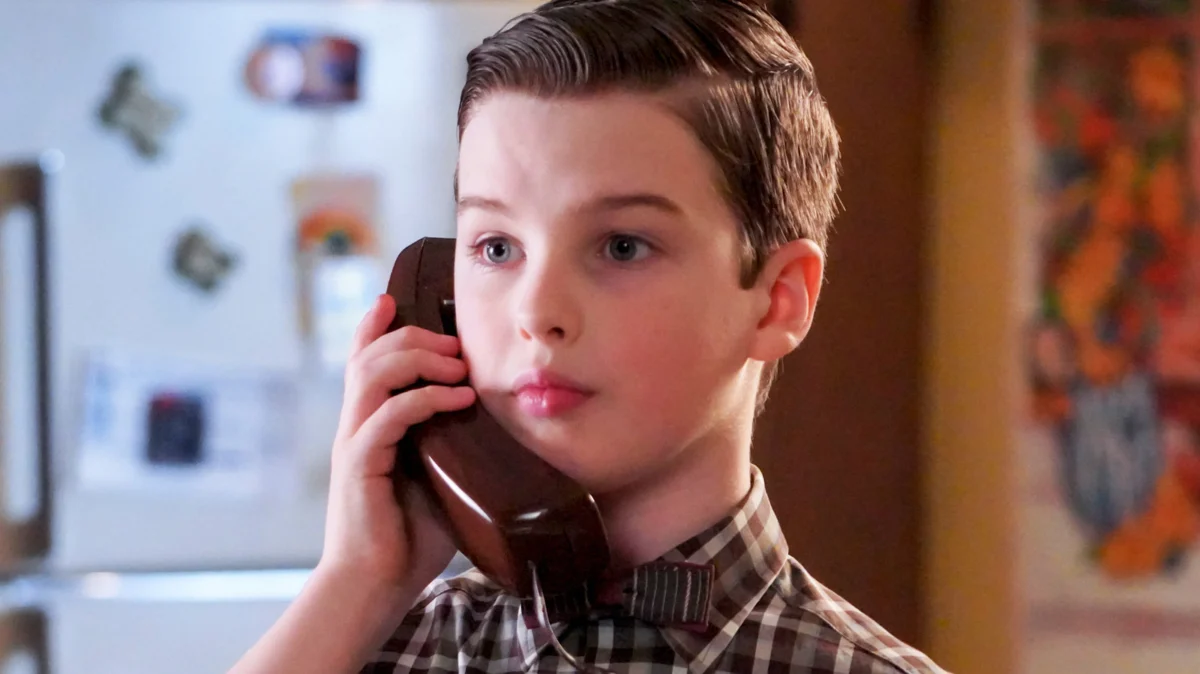
The television landscape of the 2010s was dominated by the behemoth that was The Big Bang Theory. When CBS and co-creators Chuck Lorre and Steve Molaro began conceptualizing a prequel series centered on the eccentric, socially challenged prodigy Sheldon Cooper, the stakes were sky-high. To launch Young Sheldon, the creative team needed a visionary capable of balancing the whimsical, coming-of-age narrative with the established, rigid personality of the iconic lead character. While the pilot was ultimately helmed by Jon Favreau—a titan of the industry whose fingerprints are all over the modern Marvel Cinematic Universe—new details reveal that the show’s distinct tone was nearly placed in the hands of another visionary blockbuster director: Shawn Levy.
The Quest for the Perfect Visionary
In 2016, the television industry was in a state of flux. Streaming services were beginning to exert pressure on traditional network models, and the demand for high-quality, cinematic-style television was peaking. For Chuck Lorre, the goal for Young Sheldon was clear: it had to feel like a premium, standalone product rather than a standard multi-camera sitcom.
To achieve this, the team looked toward filmmakers with a background in visual storytelling and massive blockbuster management. Jon Favreau, fresh off the massive critical and commercial success of Disney’s 2016 live-action The Jungle Book, became the primary target. As series co-creator Steve Molaro recently revealed in an oral history shared via Entertainment Weekly, the pursuit of Favreau was a calculated move to set the aesthetic standard for the show.
“Chuck had just seen The Jungle Book that Jon directed, and he loved it, so he said, ‘Go get that guy! Call him!’” Molaro explained. The outreach was direct, but the timing was precarious. Favreau was already deeply entrenched in the production of the 2019 The Lion King remake, a project of gargantuan scale that would have intimidated most directors into declining a side project.
A Chronology of the Casting Decision
The process of securing a director for the Young Sheldon pilot was a delicate dance of scheduling and creative alignment.
- Early 2016: Chuck Lorre and Steve Molaro finalize the creative vision for the Big Bang Theory spin-off. They agree that a cinematic approach is necessary to capture Sheldon’s childhood in East Texas.
- Mid-2016: After witnessing the visual brilliance of The Jungle Book, Lorre gives the green light to pursue Jon Favreau. Steve Molaro, leveraging a personal friendship with the director, reaches out.
- The Negotiation Phase: Favreau responds with a mix of genuine interest and professional caution. He warns the producers that his schedule is nearly impossible, advising them to keep looking at other candidates while he tries to find a window of availability.
- The Contingency Plan: Understanding that Favreau’s commitment to Disney could fall through, Molaro and the producers initiate talks with Shawn Levy, the executive producer and director behind the Netflix phenomenon Stranger Things.
- The Final Decision: Despite his packed schedule, Favreau successfully carves out time to helm the pilot, setting the visual tone for the series’ seven-season run.
The "Road Not Taken": Shawn Levy as the Backup
It is fascinating to consider how the show might have differed under the direction of Shawn Levy. At the time of these negotiations, Levy was already a household name, having cemented his reputation with the Night at the Museum franchise and the sports-drama Real Steel. More importantly, he was deeply involved in the production of Stranger Things, a show that proved he had a profound understanding of how to blend 1980s nostalgia with high-stakes character drama—a formula that would have been uniquely suited to the setting of Young Sheldon.
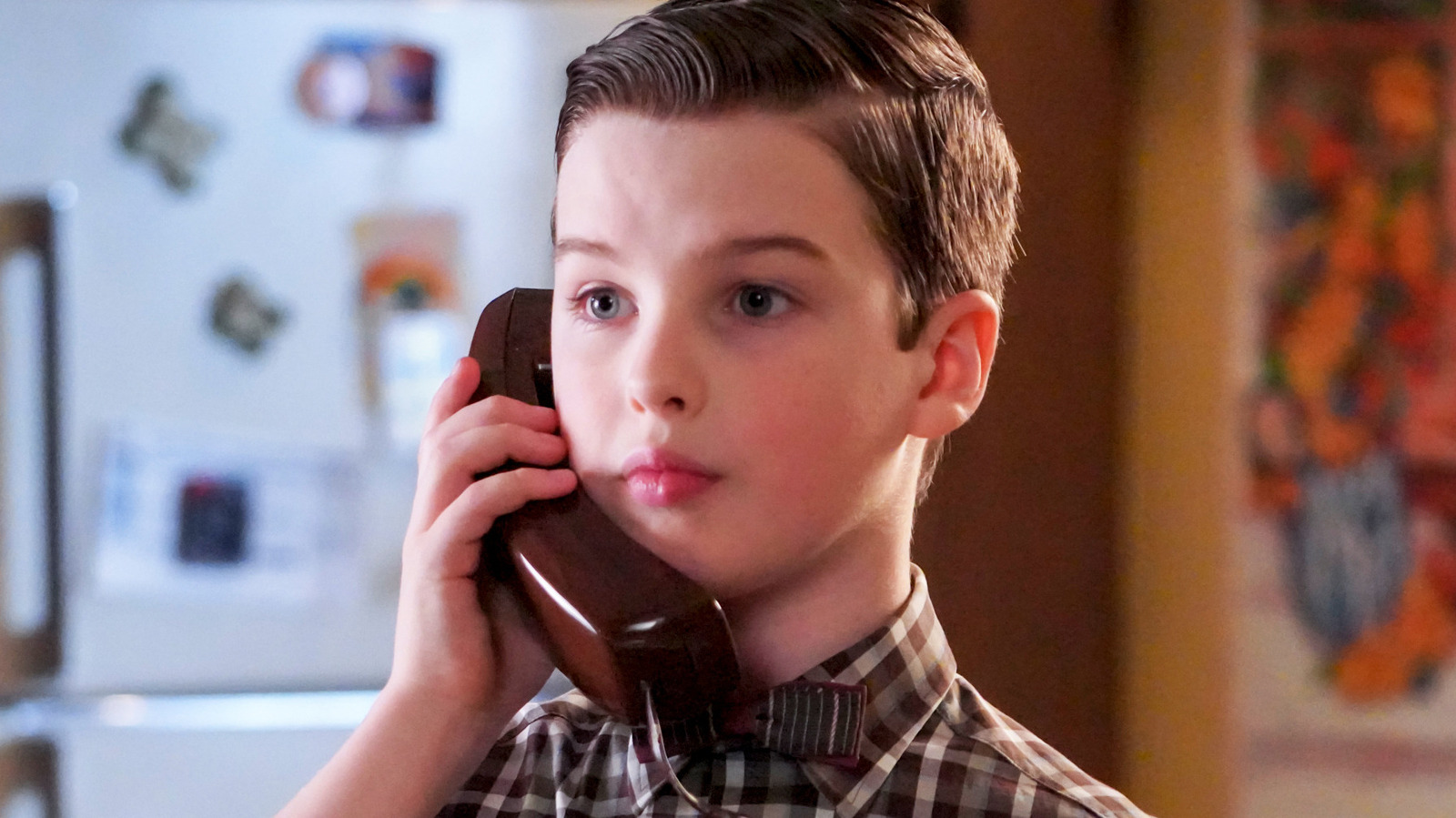
Molaro notes that the production team was transparent with Levy throughout the process. "We had a really good phone call with Shawn… and he was terrific, and very enthusiastic. But we were also very up front that we had been talking to Jon just to not lead anybody on."
Had Favreau been unable to commit, Levy would have stepped in. Given his subsequent trajectory—directing the massive, record-breaking Deadpool & Wolverine—it is clear that Levy possessed the exact blend of blockbuster sensibilities and character-driven focus that the prequel needed. While the world will never see a "Levy-directed Young Sheldon," the fact that such high-caliber talent was courted for a network sitcom pilot speaks volumes about the ambition CBS had for the series.
Supporting Data: The Directors’ Impact on the MCU
To understand why the Young Sheldon producers were so desperate for these specific men, one must look at their contributions to the Marvel Cinematic Universe.
Jon Favreau is widely considered the architect of the MCU. His direction of the original Iron Man (2008) created the blueprint for every superhero film that followed. By injecting the film with a grounded, improvisational tone and a focus on charismatic leads, he established a template that the Young Sheldon team clearly hoped to emulate in their transition from the multi-camera Big Bang Theory to a single-camera, filmic aesthetic.
Shawn Levy, conversely, represents the modern era of the MCU. With Deadpool & Wolverine, he proved he could handle massive intellectual property while maintaining a distinct directorial voice. His ability to balance the irreverent humor of Ryan Reynolds with the emotional weight of Hugh Jackman’s Logan is a testament to his versatility. If he had taken the Young Sheldon job, it is highly probable he would have leaned into the "fish-out-of-water" comedy that defined the show, likely emphasizing the family dynamics of the Coopers with the same precision he applied to the Upside Down in Stranger Things.
Official Responses and Creative Implications
The implications of these near-misses are significant for the television industry. The "Favreau-Levy connection" highlights how the lines between film and television have completely blurred. In the current era, a top-tier director is no longer "too big" for a pilot; rather, they are seen as the key to establishing a brand identity.
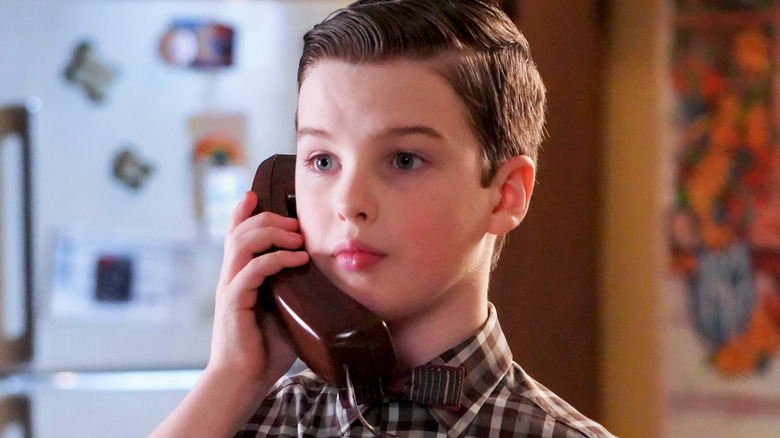
Steve Molaro’s comments reflect a culture of mutual respect among Hollywood’s elite directors. The fact that the production team was able to have open, honest conversations with both Favreau and Levy—and that both directors were eager to engage—underscores the prestige that the Big Bang Theory universe held at the time.
For fans, the decision to hire Favreau was arguably the right one. His pilot episode established the warmth, the humor, and the visual language that sustained the series for 141 episodes. It allowed Iain Armitage to inhabit the role of young Sheldon with a sense of wonder rather than just mimicry, and it created a visual separation from the parent series that allowed Young Sheldon to stand firmly on its own merit.
Conclusion: A Legacy of Quality
The success of Young Sheldon cannot be overstated. By the time it concluded its seven-season run in 2024, it had firmly established itself as one of the most successful spin-offs in television history. While the show ultimately relied on the guiding hand of Jon Favreau, the knowledge that Shawn Levy was the primary backup choice provides a compelling "what if" for television historians.
Both directors went on to achieve even greater heights in the Marvel sandbox, further validating the instincts of Chuck Lorre and Steve Molaro. In the end, the show benefited from the kind of talent that ensures longevity. As viewers continue to revisit the series on platforms like Netflix, they are essentially watching a masterclass in how to build a world—a process that began with two of the most influential directors of the modern era nearly crossing paths in an East Texas classroom.
