Reclaiming a Masterpiece: Where and How to Stream The Best Years of Our Lives (1946)
Main Facts: The Enduring Legacy of a Post-War Cinematic Milestone
Decades after its initial theatrical release, William Wyler’s 1946 masterpieceThe BestYears of Our Lives remains one of the most poignant, emotionally resonant explorations of the American experience. Winner of seven Academy Awards—including Best Picture, Best Director for Wyler, Best Actor for Fredric March, and Best Supporting Actor for Harold Russell—the film tackles the often invisible and agonizing challenges faced by World War II veterans returning to the domestic sphere.
Despite its towering status in film history as a monumental achievement by the American Film Institute (AFI) and critics worldwide, contemporary viewers frequently find themselves asking a deceptively simple question: Where can I streamThe Best Years of Our Lives?
Navigating the fragmented landscape of modern streaming platforms can be a daunting task, especially for classic cinema. Rights management, physical media preservation, and studio licensing often mean that monumental works of art do not occupy permanent, easily accessible slots on mainstream subscription video-on-demand (SVOD) services like Netflix or Hulu. Instead, accessing Wyler’s timeless classic requires an understanding of where digital storefronts, library streaming apps, and physical media archives intersect.
As film enthusiasts, historians, and casual viewers alike seek out ways to stream this cinematic cornerstone, this guide provides a comprehensive breakdown of the film’s availability, its historical and cultural context, and why its urgent themes continue to reverberate across generations.
Chronology: From Post-War Reality to Digital Preservation
To understand the current availability of The Best Years of Our Lives, it is vital to trace the timeline of how the film transitioned from a contemporary social drama into an immortalized piece of cinematic heritage.
1946–1947: The Theatrical Phenomenon and Awards Sweep
Released in late 1946 by RKO Radio Pictures, The Best Years of Our Lives was an immediate critical and commercial sensation. Written by Robert Sherwood and based loosely on MacKinlay Kantor’s blank-verse novel Glory for Me, the film captured the cultural zeitgeist of a nation grappling with the immediate aftermath of global conflict. At the 19th Academy Awards held in March 1947, the film dominated the major categories. Notably, non-professional actor Harold Russell, a disabled veteran who lost both hands during his service, made Oscar history by winning two Academy Awards for the same role.
The Latter 20th Century: Television Syndication and Home Video
Throughout the 1960s, 70s, and 80s, the film found a secondary life on broadcast television, late-night movie slots, and eventually the burgeoning home video market. As VHS tapes and later LaserDiscs replaced broadcast viewing, The Best Years of Our Lives was steadily packaged for collectors, ensuring that generations of film students could study Gregg Toland’s revolutionary deep-focus cinematography.
The Digital Era: Transition to Streaming and On-Demand
With the advent of the 21st century, the distribution paradigm shifted dramatically toward digital platforms. While blockbusters and recent releases flooded streaming algorithms, classic Hollywood cinema found itself relegated to niche platforms or digital rental marketplaces. Today, finding The Best Years of Our Lives on a major subscription streaming service requires tracking rotating licensing agreements between major studios (such as Samuel Goldwyn Productions and Warner Bros., which often handle distribution legacies) and specialty streaming hubs.
Supporting Data: Availability, Platforms, and Access
For viewers eager to watch or rewatch The Best Years of Our Lives, accessing the film typically depends on digital transactional video-on-demand (TVOD) or specialized subscription services rather than free-to-air streaming.
Where to Stream and Rent
Digital Rental & Purchase storefronts: Major digital platforms—including Apple TV, Amazon Prime Video, Google Play, and Vudu—frequently carry The Best Years of Our Lives as an on-demand rental or digital purchase. Prices and availability can fluctuate depending on regional licensing windows, but these storefronts remain the most reliable method for immediate viewing.
Criterion Channel and Specialized Archives: Given its status as an undisputed classic, the film periodically rotates through curated, film-buff-oriented streaming services like The Criterion Channel, Turner Classic Movies (TCM) Watch app, or Kanopy (accessible via local public library cards or university credentials).
Physical Media (Blu-ray and DVD): For cinephiles committed to uncompressed audio, pristine visual restoration, and bonus archival materials, physical releases—such as those distributed through home video archives—remain the gold standard. Streaming bitrates can often compress Gregg Toland’s intricate deep-focus shots, making physical media an invaluable alternative.
Official Responses and Preservation Efforts: The Role of the American Film Institute (AFI)
The challenge of keeping masterpieces like The Best Years of Our Lives accessible to modern audiences highlights a broader cultural mission championed by organizations like the American Film Institute (AFI).
As a 501(c)(3) non-profit dedicated to advancing the art of the moving image, the AFI plays a critical role in empowering storytellers and inspiring audiences to recognize the historical continuity of film. In official statements, archival initiatives, and educational programming, the AFI has continually emphasized that classic films are not merely nostalgic artifacts, but active participants in the cultural dialogue.
"Organizations like the AFI exist to ensure that the foundational pillars of our cinematic heritage are never lost to the shifting sands of technology," notes media preservation advocates. "When viewers search for The Best Years of Our Lives, they are participating in a vital act of cultural remembrance."
Furthermore, institutions dedicated to film preservation—such as the Library of Congress (which selected the film for preservation in the United States National Film Registry in 1989 for being "culturally, historically, or aesthetically significant")—work tirelessly to restore damaged nitrate prints, ensuring that digital transfers and streaming platforms have access to the highest-quality source material possible.
Implications: Why The Best Years of Our Lives Matters Today
The enduring search for where to stream The Best Years of Our Lives is ultimately driven by the film’s timeless thematic relevance. Far from being a dated historical document about 1946 America, Wyler’s film addresses universal human struggles that continue to resonate deeply in the 21st century.
1. The Realities of Veterans Re-integrating into Society
The film follows three men returning to their fictional Midwestern hometown of Boone City:
Al Stephenson (Fredric March), an older banker and decorated sergeant struggling with alcoholism and the disconnect between his wartime experiences and his pre-war corporate life.
Fred Derry (Dana Andrews), a former decorated bombardier who finds himself working a dead-end job at a soda fountain and facing marital collapse.
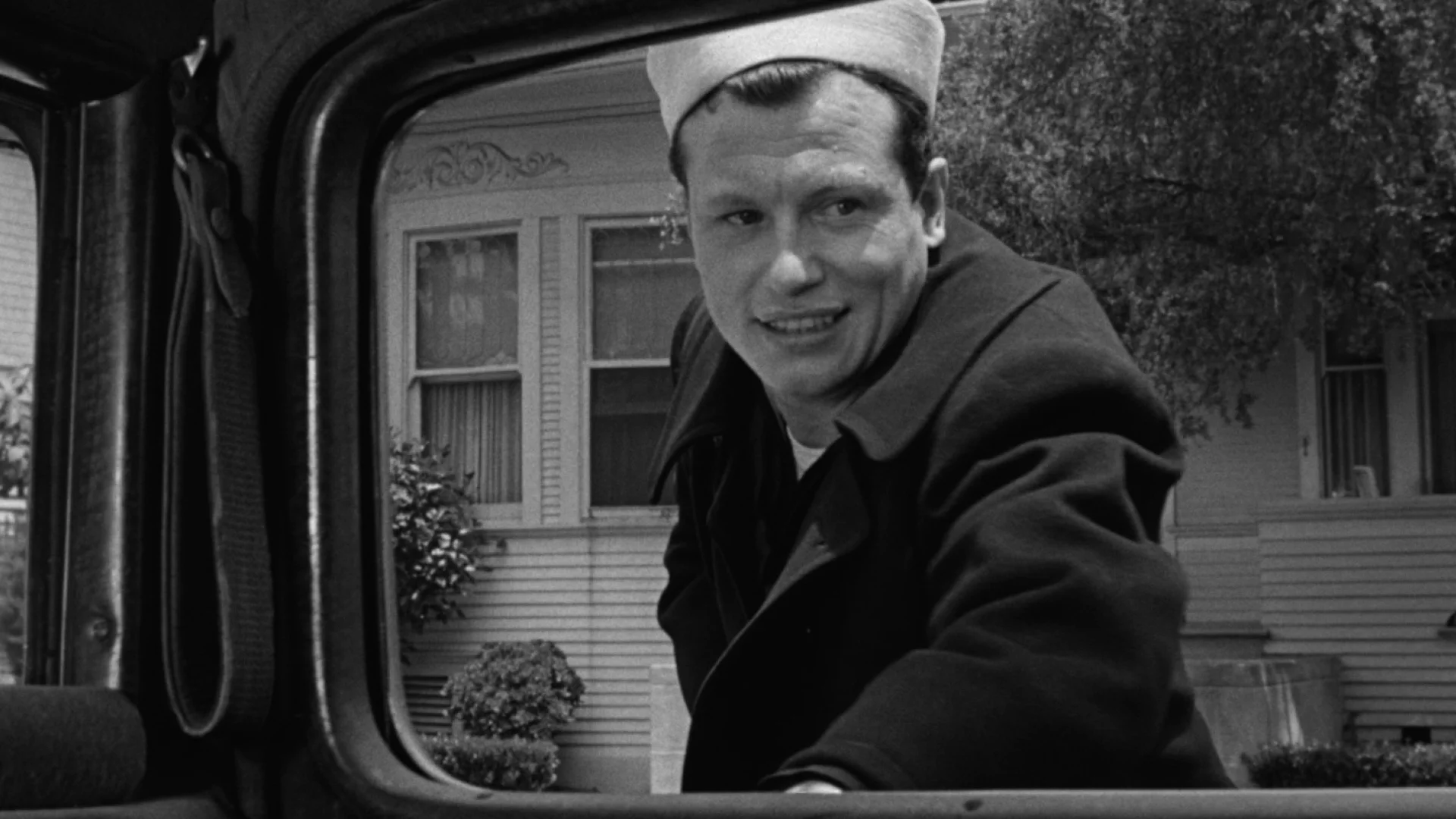
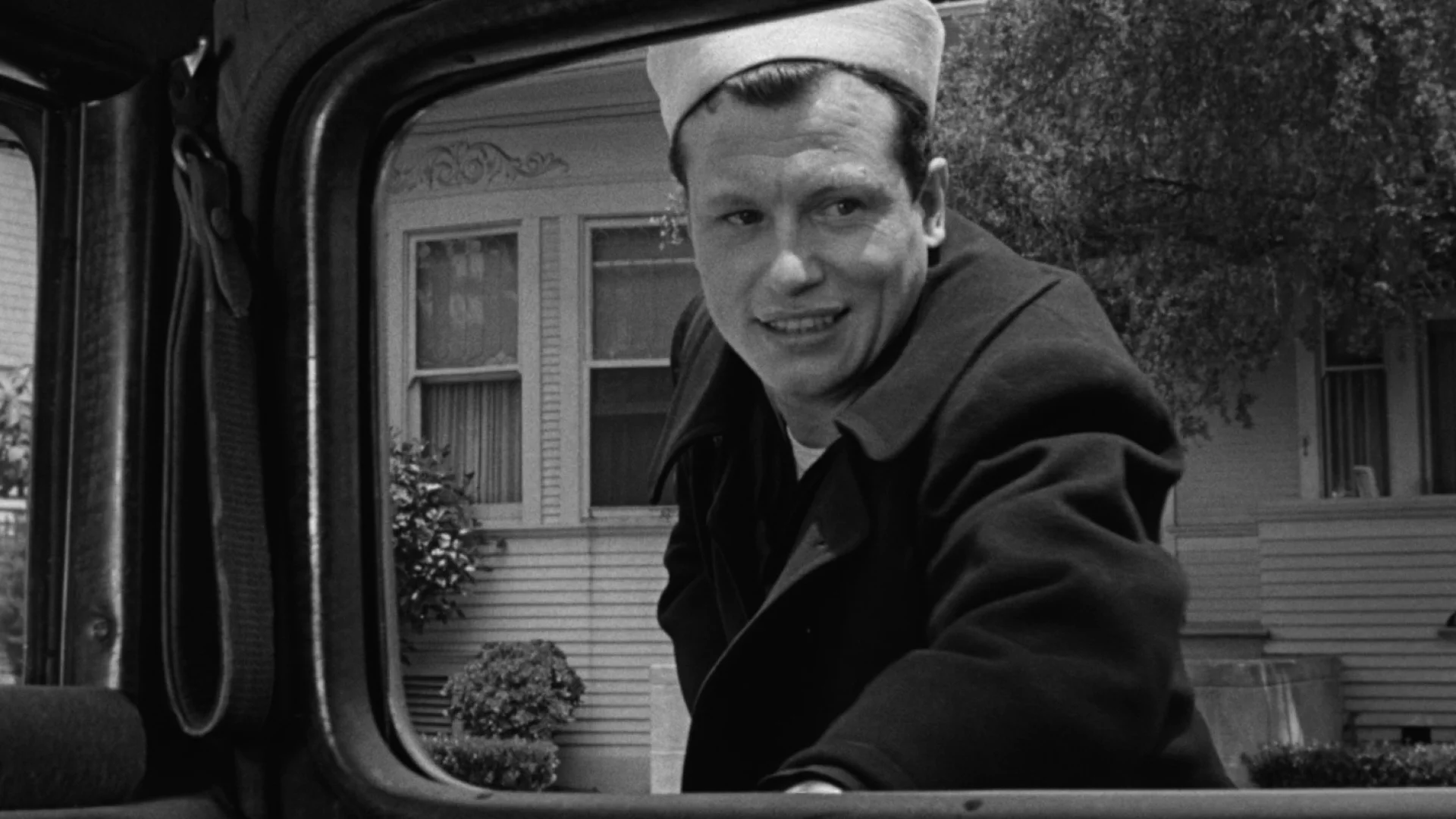
Homer Parrish (Harold Russell), a sailor who lost both hands and must navigate prosthetic hooks, public pity, and the uncertainty of his relationship with his high school sweetheart.
The psychological weight of combat, the invisible scars of post-traumatic stress, and the systemic difficulties veterans face upon returning home are themes as urgently relevant today as they were in the aftermath of World War II. The film refuses to offer a naive, purely upbeat resolution; instead, it presents an honest, clear-eyed portrait of adjustment and resilience.
2. Cinematic Innovation and Visual Storytelling
Beyond its narrative power, The Best Years of Our Lives is celebrated for its technical brilliance. Cinematographer Gregg Toland utilized deep-focus photography—allowing objects in the foreground, middle ground, and background to remain simultaneously in sharp focus—to mirror the complexity of human vision and psychological space. Watching the film on a high-definition screen or a restored digital print reveals masterclasses in blocking, editing, and spatial storytelling that continue to influence modern filmmakers.
3. Community and the Future of Film Appreciation
As audiences continue to seek out titles like The Best Years of Our Lives through digital catalogs, community-driven platforms, and non-profit film institutions, they contribute to a living ecosystem of art appreciation. Supporting organizations like the AFI and engaging with curated streaming platforms ensures that classic cinema remains accessible, educational, and transformative for future generations of storytellers and viewers alike.
To support the preservation of cinematic history and join a nationwide community of film lovers, consider exploring educational resources and donation opportunities through the American Film Institute.