
Beyond the Price Tag: The Essential Guide to Buying a Budget Android Smartphone
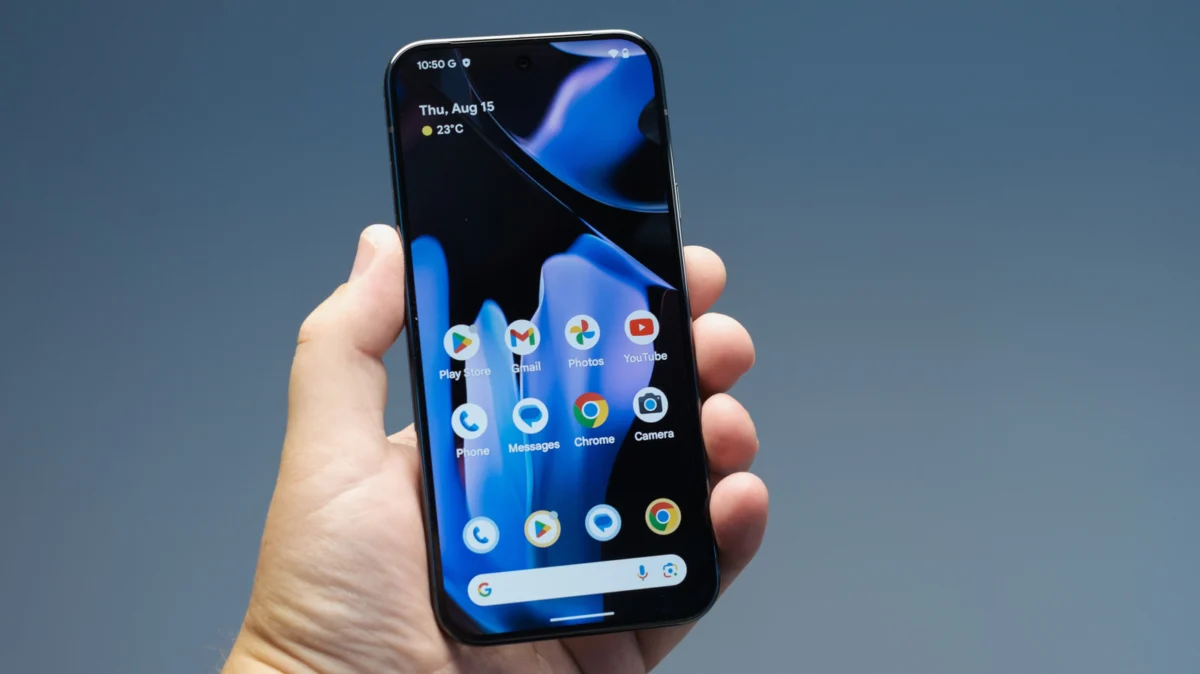
In an era where flagship smartphones regularly breach the $1,000 threshold, the "budget" segment has become a fiercely competitive battleground. For many consumers, the objective is simple: find a device that balances affordability with the day-to-day utility required for modern digital life. However, the pursuit of a sub-$300 smartphone is fraught with pitfalls. A phone that cannot keep up with basic tasks—like navigation, messaging, or high-definition streaming—is not a bargain; it is a source of constant frustration.
To make an informed purchase, buyers must learn to distinguish between aesthetic luxuries, such as premium titanium frames or sleek glass backs, and the non-negotiable technical specifications that define a device’s longevity and usability.
The Foundation of Modern Mobile Utility: Screen and RAM
When evaluating budget smartphones, the display is the primary point of interaction. Historically, compromises were made here, but current standards have shifted significantly. The era of the cramped, low-resolution screen is over.
Visual Real Estate and Panel Technology
A device with a screen smaller than 5.6 inches is largely obsolete for modern content consumption. Most current budget-friendly handsets now feature screens between 6.1 and 6.7 inches, providing a comfortable interface for dual-handed typing and media consumption. Beyond mere size, display technology is paramount. An AMOLED panel is now a standard requirement; these screens offer superior contrast ratios and vibrant color reproduction compared to older LCD counterparts. Furthermore, a peak brightness of at least 1,000 nits is critical to ensure that the device remains readable under harsh, direct sunlight—a common pain point for entry-level devices.
The RAM and Storage Dilemma
Random Access Memory (RAM) serves as the short-term memory of your device, dictating how many applications can run simultaneously without refreshing. For a smooth user experience, 6GB of RAM is the absolute minimum. Anything less will inevitably lead to stuttering during video streaming, lag in social media apps, and an inability to switch between tasks seamlessly. For those who enjoy mobile gaming or heavy multitasking, 8GB should be the target.
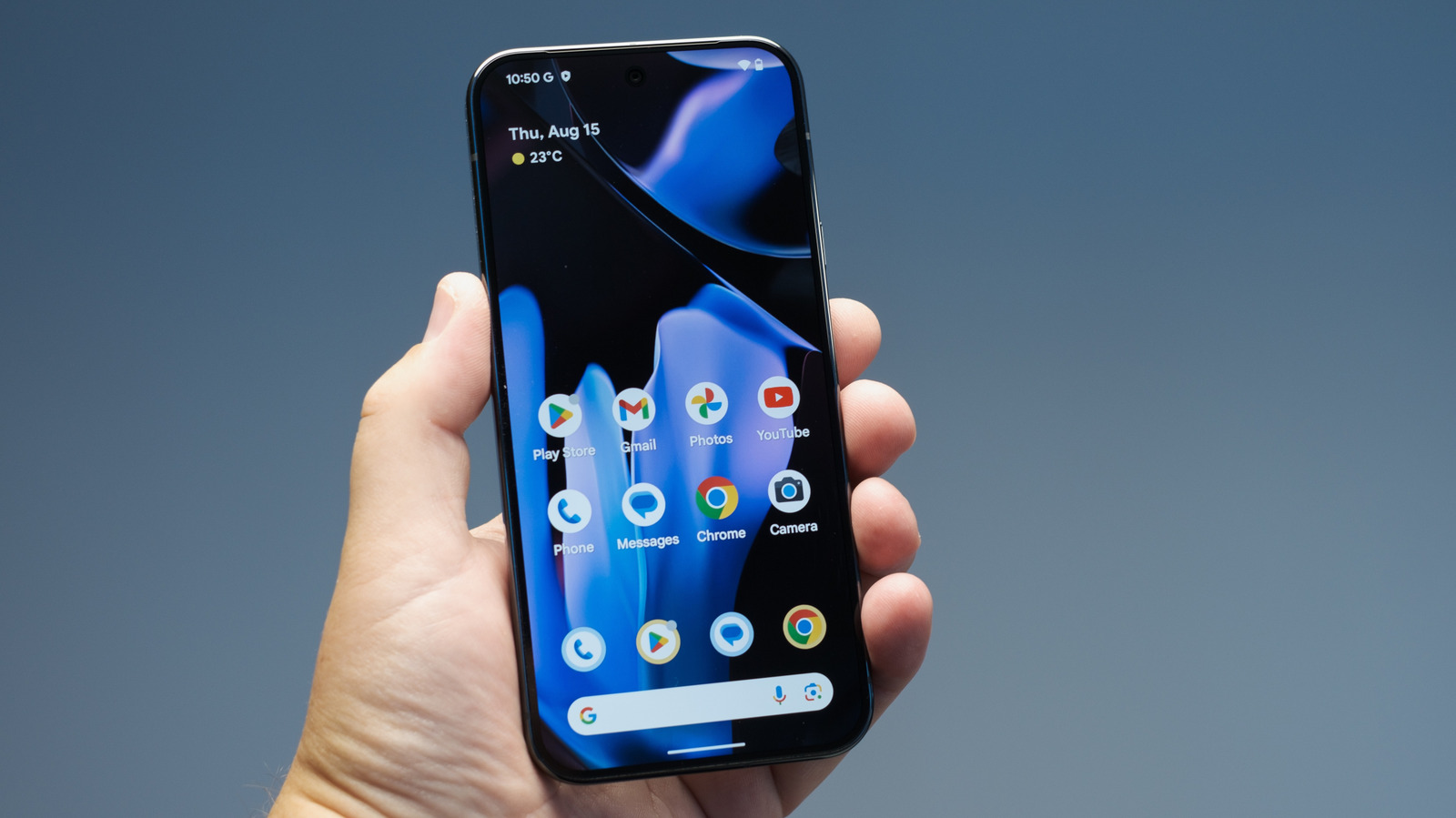
Storage, too, is a critical bottleneck. While some users rely on cloud-based solutions, 128GB of internal storage is the baseline for modern Android OS overhead and application caches. If you capture high-resolution photos or record video, 256GB is the recommended starting point to avoid the dreaded "Storage Full" notification that renders a phone virtually useless.
The Processor: The Engine of Performance
The processor, or System-on-a-Chip (SoC), is the heart of the device. While you need not pay for the top-of-the-line silicon found in thousand-dollar flagships, you must avoid "bottleneck" processors. A device might look great on paper, but if it is powered by an outdated or entry-level chip, it will struggle with basic tasks like rendering webpages or processing images.
Before purchasing, consumers should cross-reference the processor model with online benchmark databases. A chip that is two or three years old might save money, but it will lack the efficiency to handle newer Android updates, leading to a device that feels sluggish within months of purchase. For gamers, the processor is arguably the most vital component, as it must handle high-frame-rate rendering without overheating.
The Pillars of Endurance: Battery and Optics
A smartphone is only as good as its ability to remain powered throughout the day. In the sub-$300 market, the battery capacity should be a non-negotiable metric.
Power Management
A battery capacity of 4,500mAh is the minimum acceptable threshold, but 5,000mAh is the current industry gold standard for budget devices. With the rise of power-intensive apps and background AI processes, a smaller battery will force the user to carry a power bank or find an outlet by early afternoon. Efficient power management, combined with a large capacity, is the difference between a reliable tool and a tethered device.
Photographic Capability
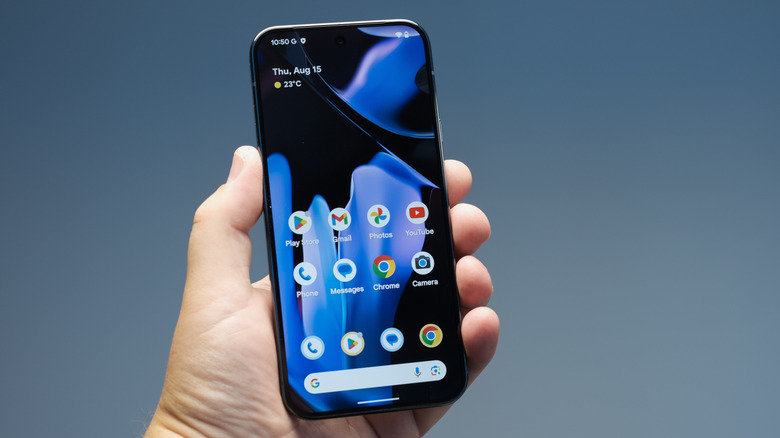
Budget phones often advertise high megapixel counts (e.g., 50MP or 108MP) as a marketing gimmick to mask poor sensor quality. A savvy buyer knows that sensor size is more important than pixel density. A larger sensor captures more light, resulting in clearer photos in low-light conditions. A 32MP rear sensor paired with a high-quality lens will outperform a cheap 108MP sensor every time. Similarly, for front-facing cameras, a 12MP sensor should be the minimum for those who rely on video calls and social media content creation.
Essential Connectivity and Software Longevity
Beyond the core hardware, buyers must verify secondary features that dictate the phone’s future-proofing.
- NFC: Near Field Communication is no longer a luxury; it is required for mobile payments (Google Wallet/Pay) and transit passes.
- Bluetooth Standards: Ensure the device supports recent Bluetooth versions (5.2 or higher) to guarantee stable connections with modern wireless audio peripherals.
- Software Support: This is the most overlooked factor. A budget phone is only a deal if it receives security patches. Check the manufacturer’s update policy. If a phone is already two years old and is reaching the end of its software lifecycle, it poses a security risk.
Market Analysis and Strategic Purchasing
The current landscape of budget Android devices is dominated by a few key players who have mastered the art of "value-tier" engineering.
The Industry Response
Manufacturers like Samsung (with its Galaxy A-series) and Motorola (with the G-series) have responded to consumer demand by bringing high-end design elements—such as high-refresh-rate screens and multi-lens camera arrays—down to the $200–$300 price point. These companies have recognized that consumers are increasingly holding onto their devices for longer periods, necessitating a focus on build quality and software longevity.
Strategic Timing
The most effective way to purchase a high-tier device at a budget price is to target the "mid-range decline." When a new flagship is released, the previous year’s mid-range or flagship models often drop into the $300 range. For example, a refurbished or clearance-sale Google Pixel 8a can often be found for roughly $300. These devices frequently offer superior processor performance, longer-term software support, and better build quality than a brand-new budget device released at the same price.
Implications for the Consumer
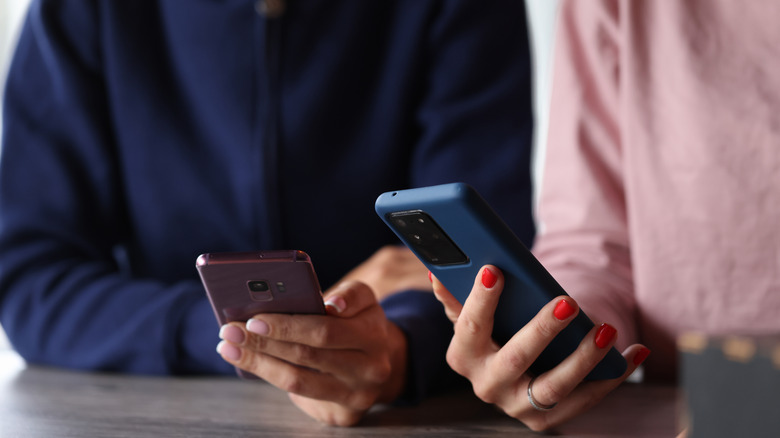
The move toward more capable budget hardware has profound implications for the mobile market. As hardware commoditization continues, the differentiation between a $300 phone and a $1,000 phone is shrinking. The "premium" price is increasingly paid for non-essential features like advanced telephoto zoom lenses, ultra-fast charging, or branding, rather than the core functionality of the smartphone.
By adhering to the "non-negotiable" checklist—6GB+ RAM, 128GB+ storage, 5,000mAh battery, and a commitment to software support—consumers can secure a device that satisfies every modern need without the financial burden of flagship pricing. The era of the "disposable" budget phone is coming to a close; in its place is a new generation of affordable hardware that values performance and longevity above all else.
In conclusion, the next time you browse for a new smartphone, look past the glossy marketing materials and the titanium frames. Focus on the engine under the hood and the software support that will carry that phone into the future. By prioritizing utility over status, you can ensure that your next sub-$300 purchase remains a reliable companion for years to come.
