
From Page to Screen: Why ‘Other Mommy’ Fails to Capture the Terror of Josh Malerman’s Original Vision
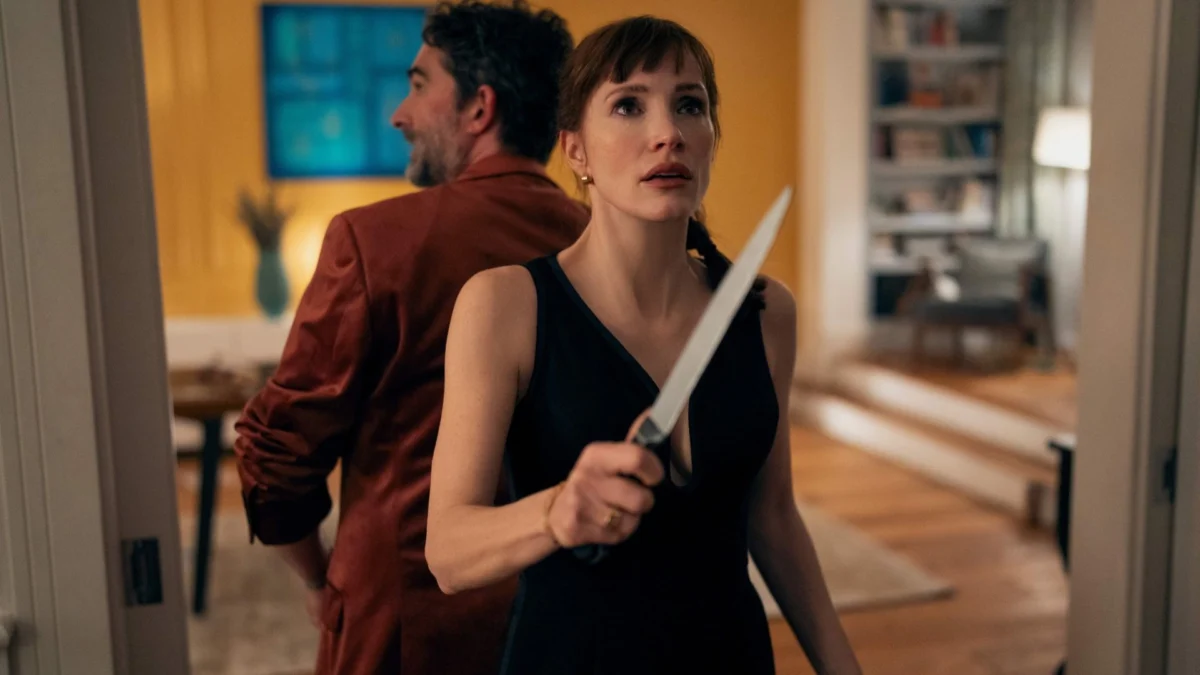
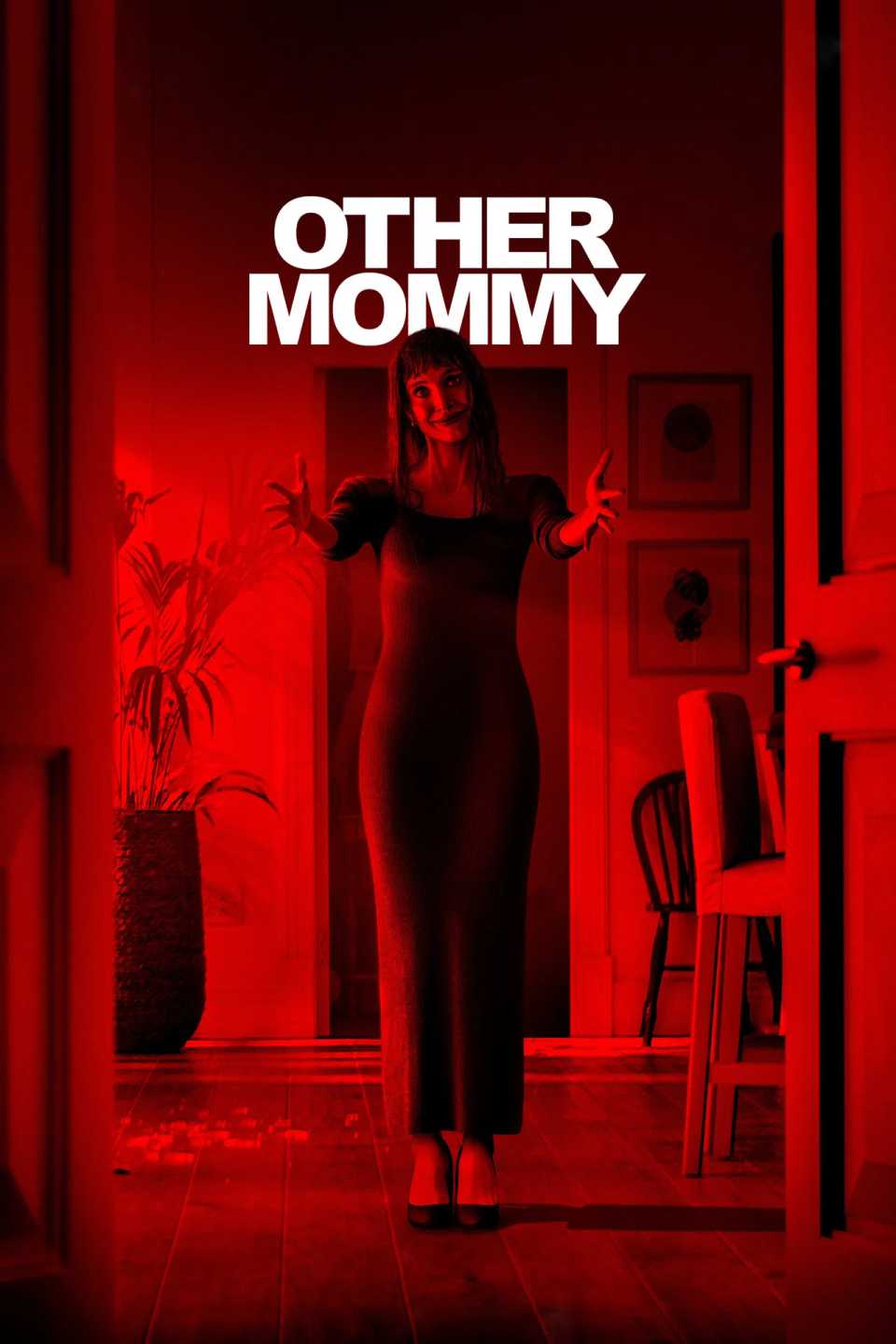
When Josh Malerman’s Incidents Around the House hit bookshelves, it was hailed as a masterclass in domestic horror, defined by its claustrophobic perspective and a bone-chilling sense of inevitable dread. However, the 2026 film adaptation, Other Mommy, directed by Rob Savage and produced by horror titan James Wan, has struggled to translate that literary acclaim into cinematic success. Despite a powerhouse performance by Jessica Chastain, the film currently sits at a dismal 17% on Rotten Tomatoes, leaving both critics and audiences wondering where the adaptation went wrong.
While the film attempts to modernize the story for a broader audience, it frequently sacrifices the nuance and internal terror of the source material in favor of conventional horror tropes. Below, we examine the divide between the page and the screen, exploring why this transition has proven so polarizing.
The Core Premise: A Shared Nightmare
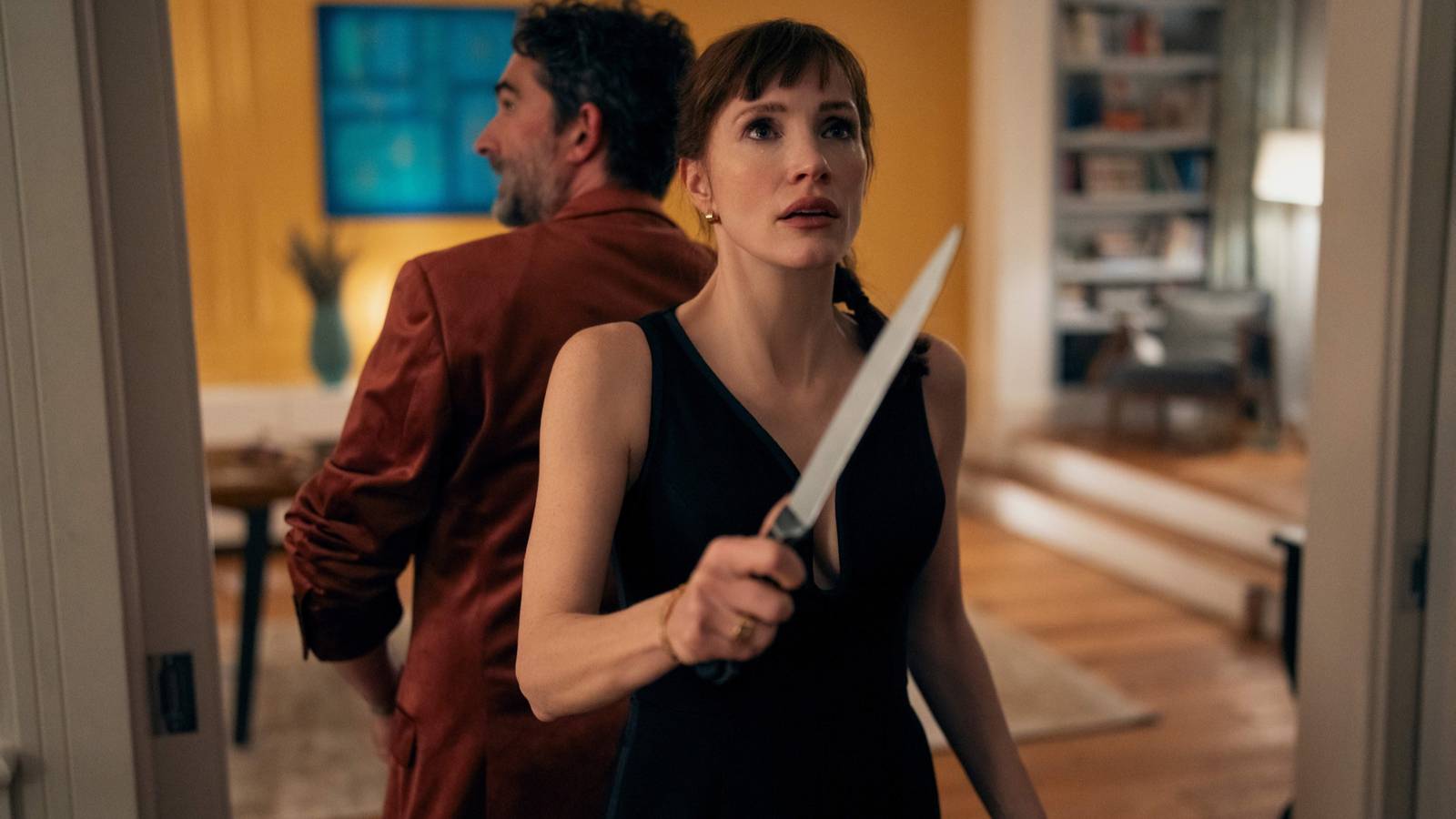
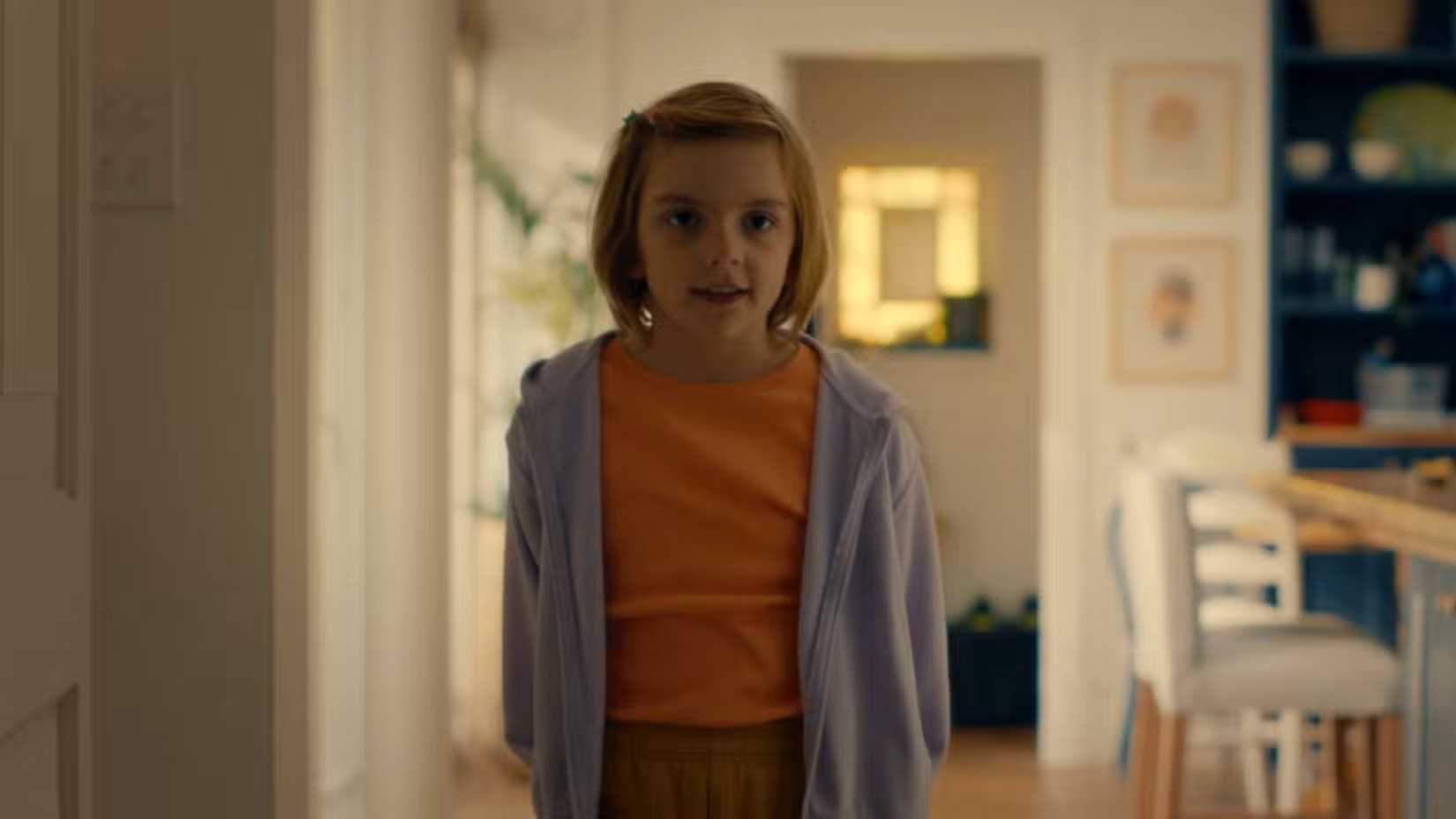
At its heart, Other Mommy remains faithful to the foundational narrative of Malerman’s novel. The story centers on Bela (Arabella Olivia Clark), a young girl caught in the crossfire of her parents’ deteriorating marriage. As her home life crumbles, she becomes the prey of a malevolent, shape-shifting entity that takes the form of her mother, Ursula (Jessica Chastain).
The "Other Mommy" is not merely a ghost; it is a parasitic force. It feeds on Bela’s insecurities, offering to "take away the pain" caused by her parents’ dysfunction, all while harboring a much darker intent: to possess Bela’s physical body and usurp her existence. In both the book and the film, the central hook is the terrifying proximity of the threat. The entity is not hiding in a basement; it is at the dinner table, in the kitchen, and eventually, it becomes indistinguishable from the people Bela trusts most.

The Loss of Internal Perspective
The most significant hurdle in adapting Incidents Around the House was always going to be the narrative structure. Malerman’s novel is a triumph of first-person narration; the entire story is filtered through the impressionable, often confused, and deeply biased lens of a child. This creates a powerful form of dramatic irony. Readers are often aware that a situation is life-threatening long before Bela realizes it, which heightens the tension and keeps the audience in a state of constant anxiety.
In the transition to screen, this internal vantage point is lost. By shifting to a third-person perspective, director Rob Savage inadvertently dilutes the mystery. When we see the entity from a detached, cinematic angle—and when we are forced to observe the reactions of parents Ursula and Russ (Jay Duplass)—the horror becomes more objective and less visceral. The film trades the claustrophobia of a child’s mind for the wider, more traditional scope of a family thriller, a change that many fans of the book have cited as the primary reason for the movie’s lackluster reception.
Amplified Domestic Drama
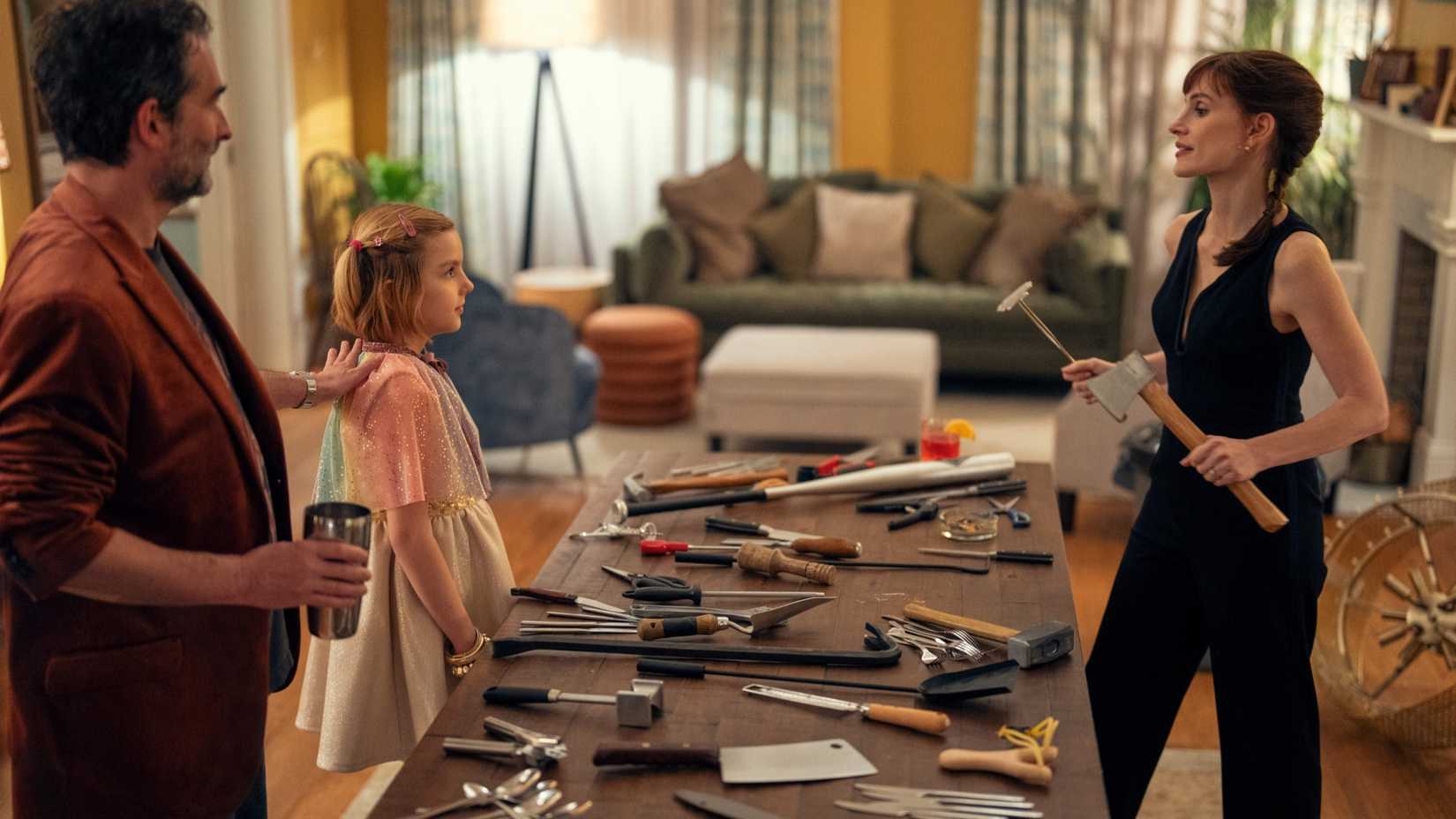
In the source material, the marital strife between Ursula and Russ serves as a backdrop—a catalyst for the entity’s entry into their lives. However, Other Mommy chooses to push this conflict to the forefront. While the infidelity and emotional distance are present in both versions, the film leans heavily into the melodrama.
By making the marital issues a central, driving force of the plot, the movie shifts the tone away from psychological horror and toward domestic drama. While this makes for a more "cinematic" experience, it often feels disconnected from the supernatural terror at play. The film uses these tensions to orchestrate a climactic confrontation, but in doing so, it loses the subtle, creeping rot that defined the book’s atmosphere. The result is a film that feels caught between two genres, failing to fully commit to either the slow-burn horror of the original or the high-stakes drama the filmmakers clearly intended.
The Visual Evolution: From Grotesque to Glossy
One of the most disappointing aspects for readers of the novel is the neutering of the entity’s appearance. In Malerman’s writing, the Other Mommy is truly, deeply grotesque. It possesses avian, almost alien characteristics, and the text describes an olfactory presence—a sensory detail that creates an immediate, visceral reaction in the reader.
The film attempts to replicate this through digital effects, with Chastain delivering an unnerving, vacant-eyed performance. However, the "tells" of the creature in the movie are sporadic. While we see her face shift and lose its human mask in brief, jarring moments, it lacks the sustained, skin-crawling horror of the book’s descriptions. The decision to prioritize "scare jumps" over the sustained, repulsive presence of the entity makes the monster feel less like a primal nightmare and more like a standard horror movie villain.
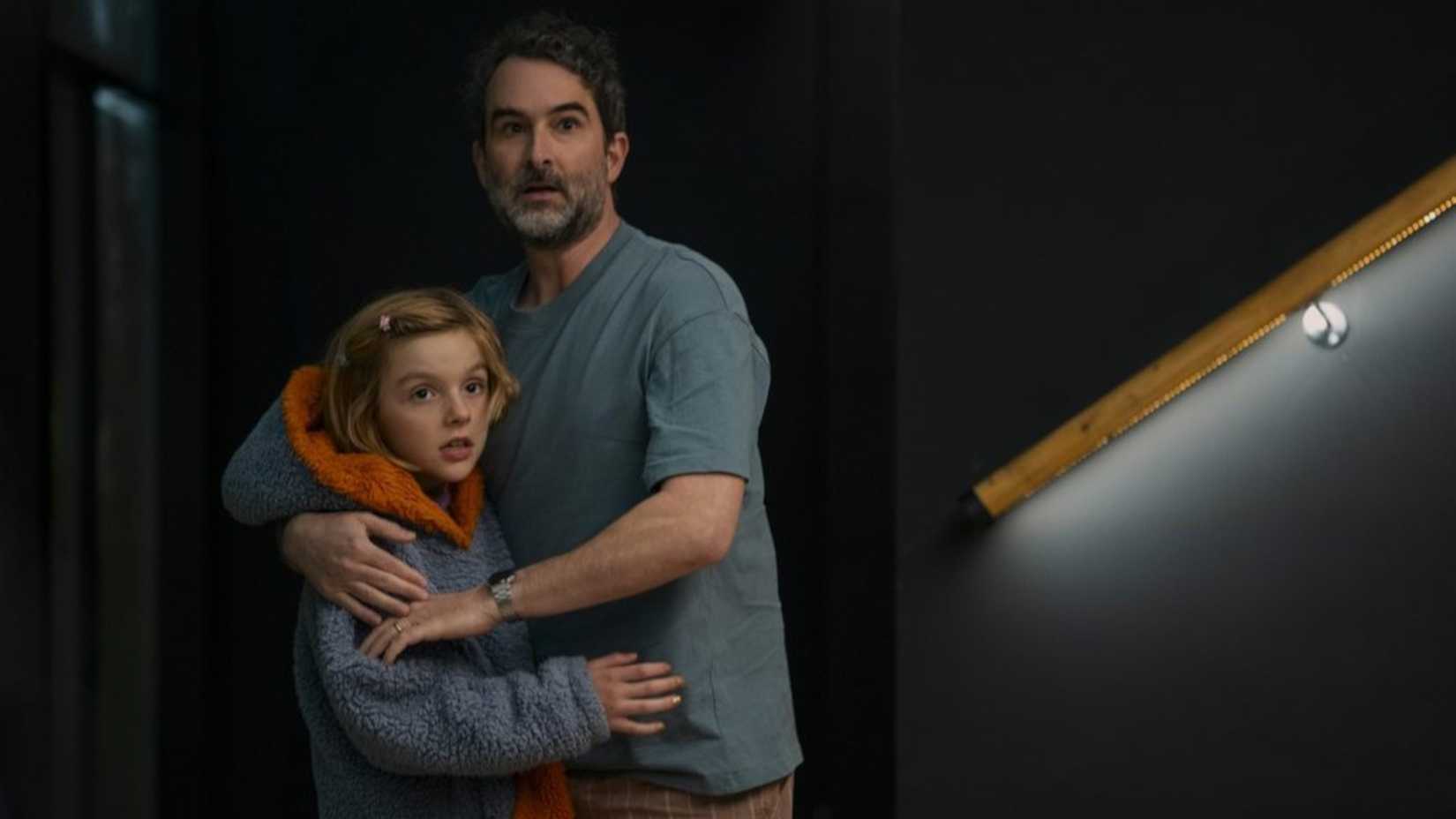
The Brutality of Frank’s Demise
The film’s departure from the source material is perhaps most evident in the death of Frank (Arian Moayed), the family friend and the target of Ursula’s affair. In the book, Frank’s death is a haunting, off-page discovery. The horror comes from the realization of his demise and the guilt it forces upon Bela, who believes she has manifested his end.
In contrast, Other Mommy turns his death into a set piece. By having the family seek refuge in Frank’s home, only to have the creature slaughter him in front of them, the movie opts for visceral, on-screen carnage. While this is certainly effective for horror fans seeking "brutal" kills, it fundamentally changes the nature of the entity’s power. It moves from a psychological tormentor to a physical slasher-style threat, stripping away the mystery of the entity’s capabilities.
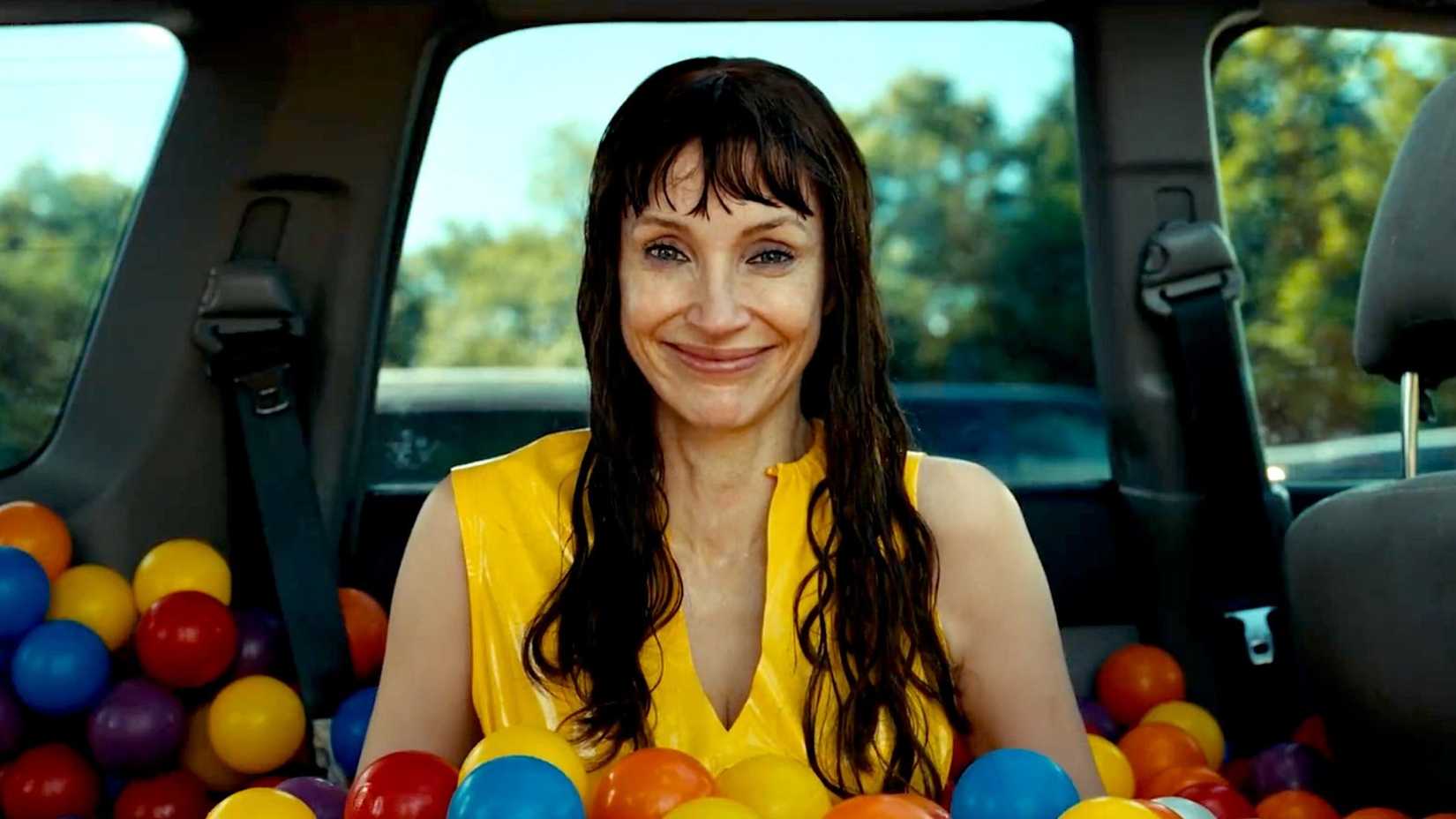
The Ball Pit Sequence and Visual Flair
Director Rob Savage is known for his ability to craft memorable, internet-friendly horror moments, and the "ball pit" sequence in Other Mommy is a clear attempt to provide a signature visual. When Bela and her parents flee to an arcade, the entity corners them, dragging Bela into a surreal, aquatic-like limbo within a ball pit before depositing her in the backseat of their car.
It is a bizarre, dreamlike sequence that feels disconnected from the rest of the film. While it succeeds in providing "visual flair," it is one of many additions that lacks a logical grounding within the story’s internal rules. It serves as a microcosm for the film’s larger issues: it is visually interesting but narratively hollow, prioritizing the "cool" factor over the story’s thematic consistency.
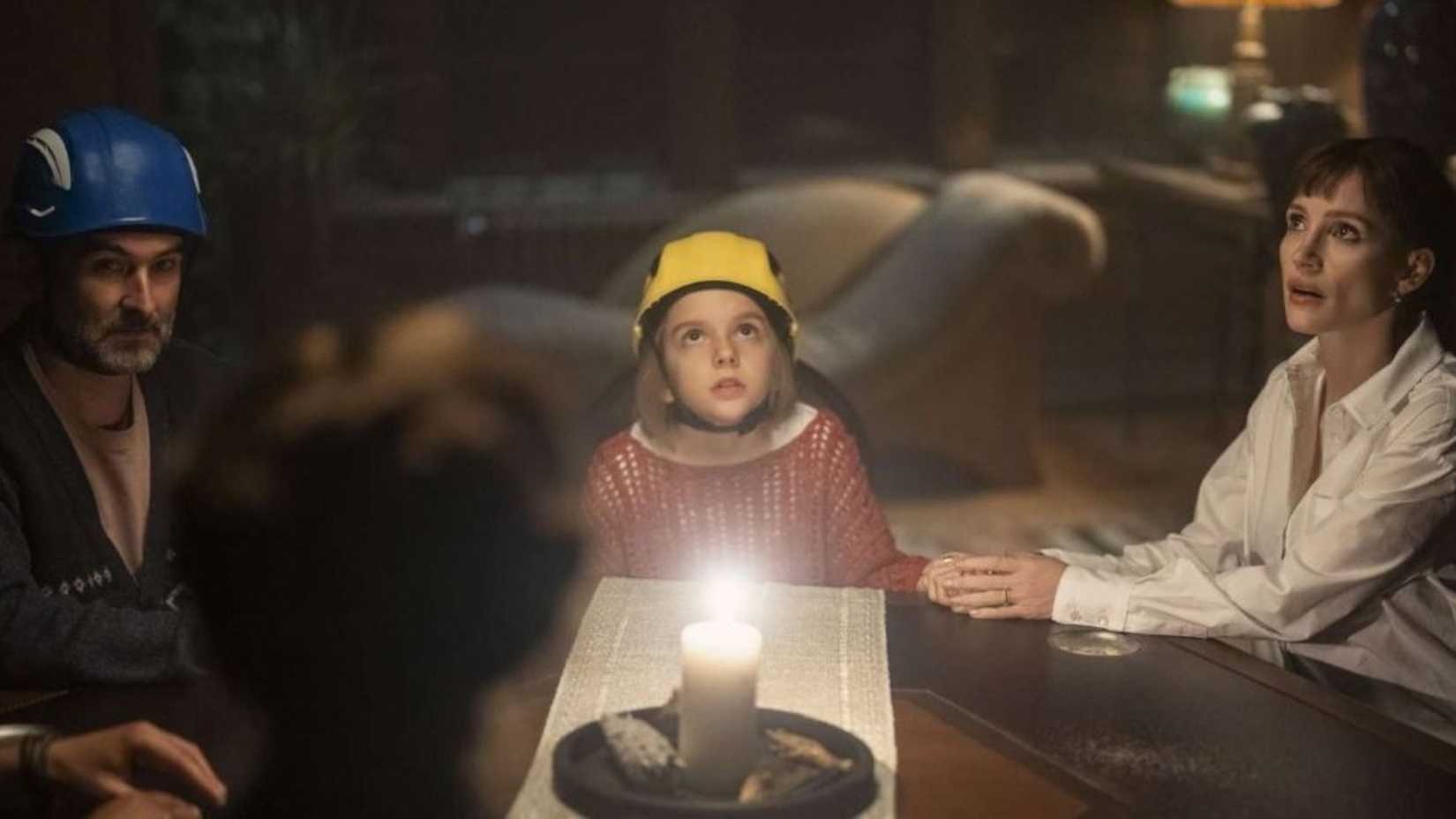
Divergent Fates: Grandma Ruth and the Final Act
Perhaps the most controversial change is the fate of Grandma Ruth (Karen Allen). In the book, the entity kills Ruth and assumes her form, using her identity to manipulate the parents and lead them into a trap. It is a bleak, gut-wrenching turn that cements the hopelessness of the family’s situation.
The film, however, keeps Ruth alive. She acts as a mentor figure, helping the family navigate the horror, and her advice is instrumental in the film’s conclusion. This change, while seemingly minor, shifts the entire weight of the final act. By keeping a supportive figure alive, the film lowers the stakes and allows for a more triumphant, "heroic" finale.
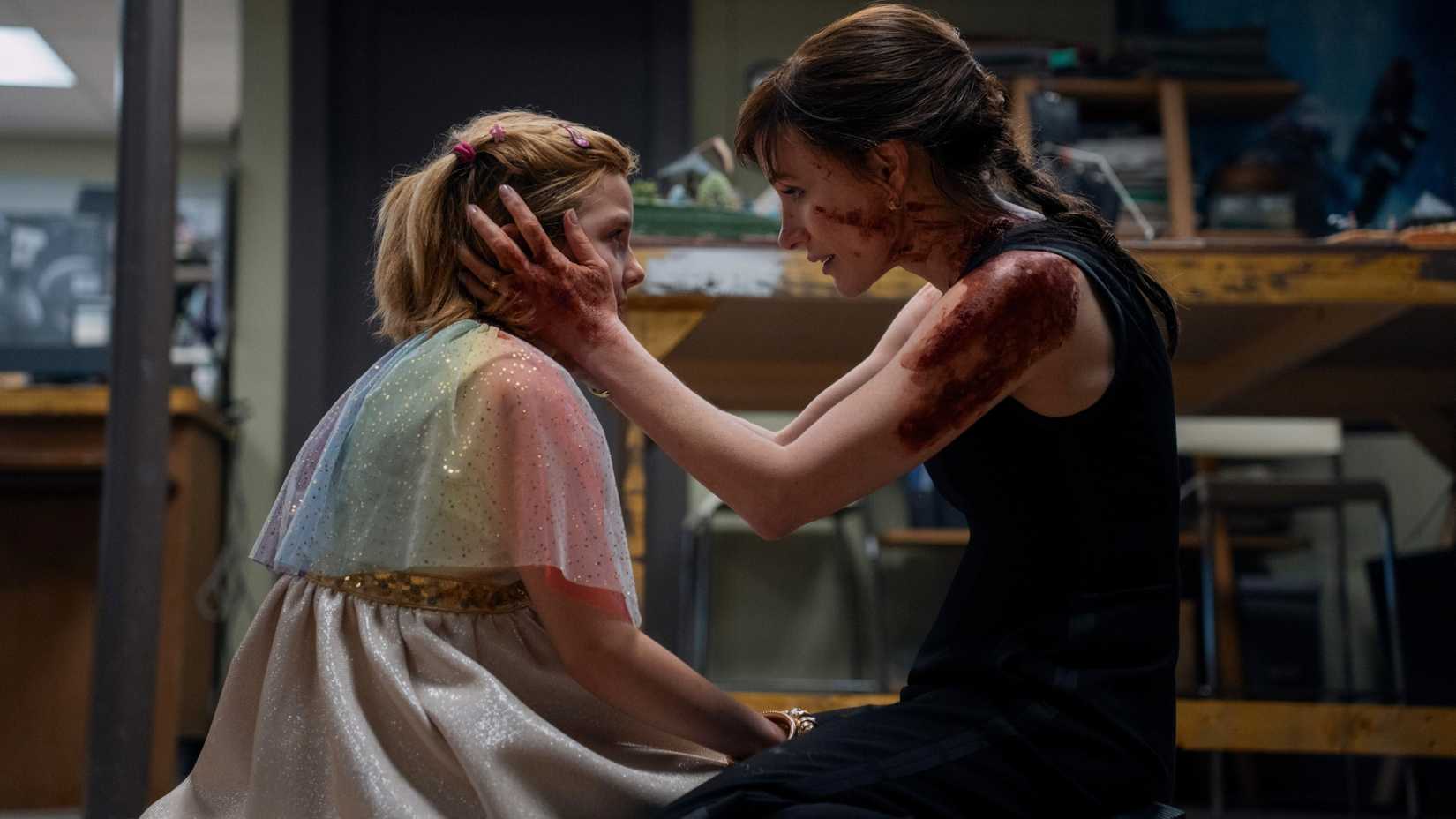
Implications: A Tragic Ending vs. An Optimistic Resolution
The disparity between the two endings highlights the fundamental philosophical divide between the book and the movie. Incidents Around the House ends in tragedy: the parents perish, and Bela ultimately surrenders to the entity, a chilling conclusion that reinforces the novel’s themes of trauma and abandonment.
Other Mommy opts for a cleaner, more audience-friendly resolution. By having the parents survive and the trio reconcile through the power of honesty, the film undercuts the dark, inescapable nature of the entity. While some viewers may appreciate the optimism, it feels at odds with the setup of a movie that spent 90 minutes building a world of inescapable dread.
As of October 2026, the critical consensus is clear: Other Mommy is a missed opportunity. By attempting to "Hollywood-ize" a deeply personal and disturbing piece of literature, the production team has created a film that is neither as frightening nor as profound as its source material. For those looking for the true, unsettling experience of Bela’s struggle, Josh Malerman’s original novel remains the definitive version of this haunting tale.
