The Untold Story of Star Trek: Legacy: How Patrick Stewart Planned to Return and Why Paramount Stalled the Spinoff
By Staff Entertainment Desk Published October 14, 2026
Main Facts: The Vision for StarTrek: Legacy That Never Was
More than three years after the emotionally resonant and critically acclaimed curtain call of Star Trek: Picard Season 3, the proposed spinoff series Star Trek: Legacy remains the most sought-after project in modern franchise history. Conceived as a natural continuation of the universe built across decades of television, the series was designed to pass the torch from Star Trek: The Next Generation to a dynamic new generation of Starfleet officers.
However, despite massive fan demand and an organically constructed springboard at the conclusion of Picard Season 3, Paramount+ ultimately declined to greenlight the project. Under new corporate ownership by Skydance, the studio has shifted its strategic focus toward distancing the franchise from its sprawling, 60-year canon. The overarching goal is to craft entirely fresh, standalone concepts capable of attracting mainstream, uninitiated audiences to the final frontier.
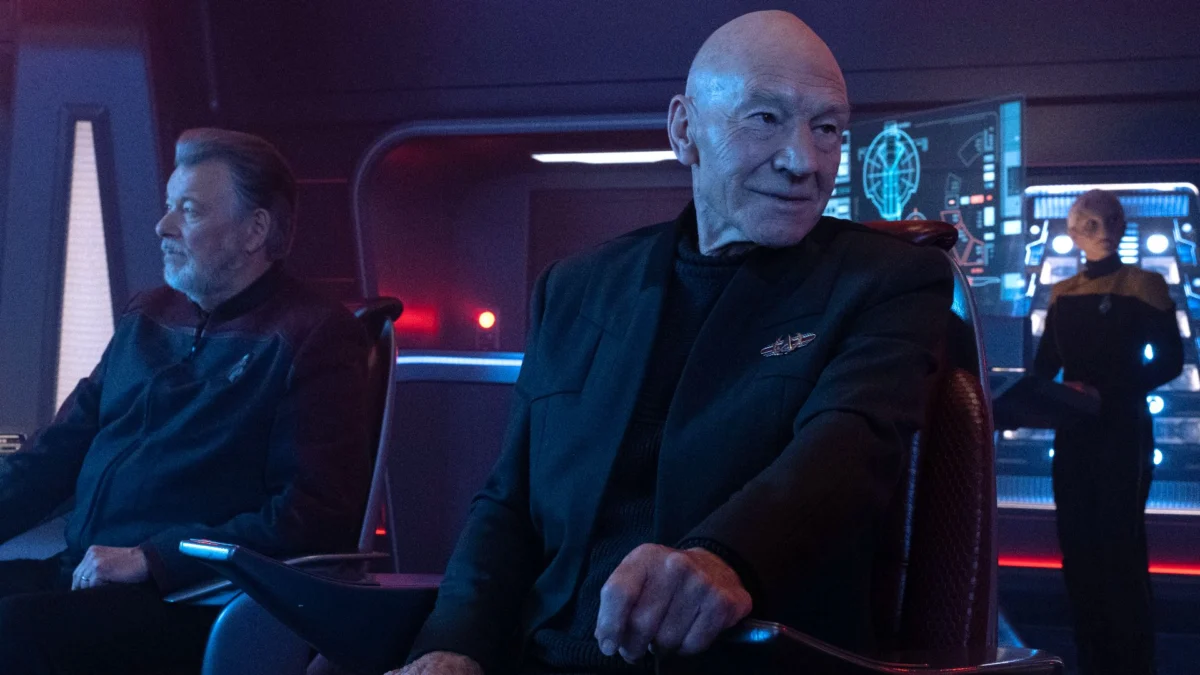
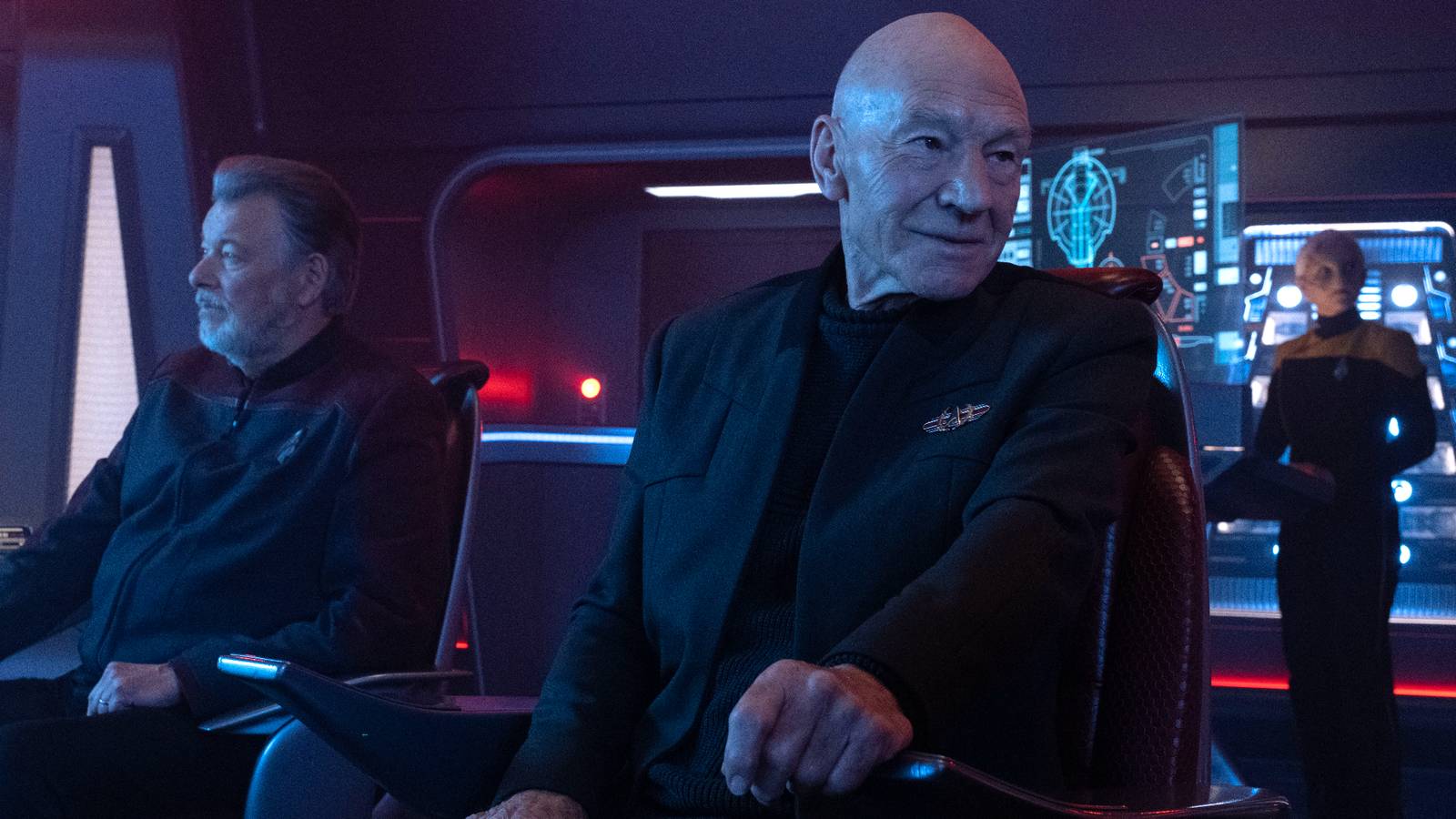
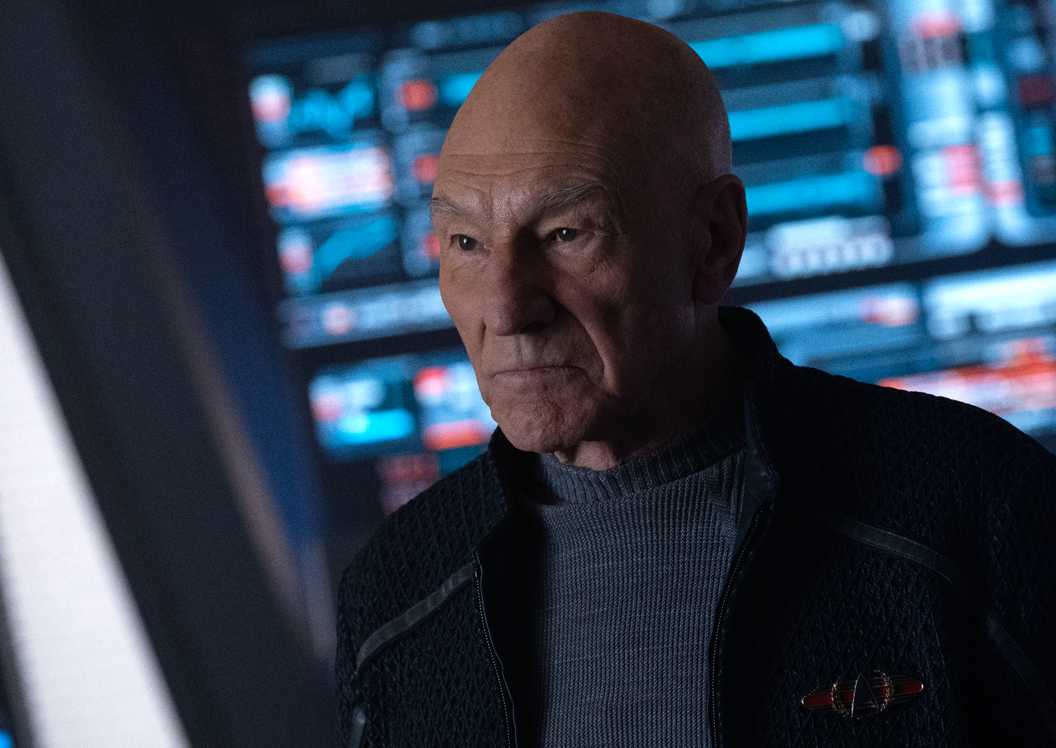
Yet, newly uncovered details shed light on how close the project came to realizing its full potential—including an unexpected, hands-on pitch from franchise cornerstone Sir PatrickStewart himself. Appearing on the Dropping Names… And Other Things podcast, hosted by franchise veterans Brent Spiner and Jonathan Frakes, Picard Season 3 showrunner Terry Matalas laid out the mechanics of what Legacy would have been, revealing that Stewart was entirely "all in" on participating.
Chronology: From Picard’s Grand Finale to Skydance’s Corporate Shift
To understand the trajectory of Star Trek: Legacy, it is essential to trace the timeline of creative ambitions and corporate upheavals that shaped its fate:
Early 2023:Star Trek: Picard Season 3 debuts to glowing reviews, successfully uniting the core cast of Star Trek: The Next Generation for one final mission. The season finale sets up an immediate narrative launching pad: Captain Seven of Nine (Jeri Ryan) taking command of the newly christened USS Enterprise-G, with Commander Liam Shaw’s former first officer, Commander Sidney La Forge (Ashlei Sharpe Chestnut), and Jack Crusher (Ed Speleers) joining the crew, punctuated by a teasing visit from the cosmic entity Q.
Spring 2023: As Picard concludes, fans immediately rally around the hashtag #StarTrekLegacy, lobbying Paramount for a direct spinoff. Concurrently, Patrick Stewart promotes his memoir, Making It So, occasionally musing about a potential theatrical "Picard movie," though no scripts materialize.
Late 2023 – 2024: Skydance Media begins maneuvering toward its eventual acquisition of Paramount. Amid major corporate restructuring, leadership initiates a comprehensive review of all streaming content, bringing a halt to several active development pipelines.
2025: Paramount Pictures announces a pivot in its cinematic strategy: upcoming theatrical motion pictures will actively avoid legacy characters, prioritizing standalone storytelling in distinct timelines to appeal to a broader demographic.
October 2026: Terry Matalas appears on Dropping Names… And Other Things, officially pulling back the curtain on Patrick Stewart’s proactive pitch for Admiral Jean-Luc Picard’s role in Legacy, keeping fan discussions reignited.
Supporting Data: The Blueprint of a Spinoff
While detractors might have feared that Star Trek: Legacy would simply duplicate the nostalgia-heavy formula of The Next Generation, Matalas and his creative partners repeatedly emphasized that the series was constructed as a hybrid model. It intended to blend the comfortable aesthetic of 90s television with a fresh, youthful energy.
According to the creative team’s outlined framework, the bridge dynamics would have shifted significantly:
The Captain’s Chair: Jeri Ryan’s Captain Seven of Nine leading the USS Enterprise-G.
The Command Structure: Michelle Hurd’s Raffi Musiker (or similarly positioned veterans) occupying key leadership roles akin to Commander Riker’s historic tenure, alongside younger rising officers like Jack Crusher.
The Lore Expansion: Deep dives into interstellar politics, including anticipated narrative arcs involving Worf, his son Alexander, and the evolving culture of the Klingon Empire.
Furthermore, Jonathan Frakes previously floated structural concepts involving Captain Will Riker ascending to flag rank as an Admiral. This structural shift would have positioned senior leadership to act as mission coordinators while giving the younger ensemble room to grow.
Official Responses: Inside the Podcast Revelations
During their appearance on the Dropping Names… And Other Things podcast, Matalas and Frakes offered candid insights into the behind-the-scenes enthusiasm that surrounded the project. When asked why the series ultimately stalled, Matalas offered a pragmatic and diplomatic shrug: "Who knows?" He quickly added, however, that in Hollywood, one should "never say never."
Detailing how the older generation would have fit into the evolving hierarchy without overshadowing the newcomers, Matalas revealed Stewart’s direct contribution to the concept:
"Legacy wasn’t supposed to be like, ‘We’re just gonna keep doing Next Gen.’ It was supposed to bring in new [people], young, switch off. We had a great idea for Worf, and Alexander, and the Klingons. But it was gonna be back to feeling like Next Gen."
Frakes chimed in to map out the visual hierarchy:
"Well, Jeri was in the captain’s chair, Michelle was in Riker’s seat, and Ed Speleers was in Marina’s chair, and then Q, the button with Q, who had visited Ed…"
It was at this point that Matalas dropped the most significant revelation regarding Stewart’s willingness to stay involved:
"Patrick was like, ‘I want to come and be the one who gets on the screen and tells them missions.’ I was like, ‘I don’t know why we’re not doing this!’
Frakes added: "Patrick was all in!"
Implications: The Franchise at a Crossroads
The shelving of Star Trek: Legacy highlights a broader philosophical debate within contemporary franchise management: the tension between honoring a 60-year legacy and courting mainstream audiences unfamiliar with decades of established lore.
Under Alex Kurtzman’s tenure, Paramount+ cultivated an expansive streaming ecosystem, producing series like Star Trek: Discovery, Strange New Worlds, Lower Decks, Prodigy, and Picard. However, with Skydance’s acquisition and a directive to streamline operations, the studio has altered its blueprint. Upcoming theatrical films are actively designed to exist independently of past continuity, aiming to lower the barrier to entry for casual moviegoers.
For Matalas, the journey has nonetheless opened new doors. His acclaimed work on Picard Season 3 caught the eye of Marvel Studios, leading to his role as executive producer on VisionQuest for Disney+. Yet, despite moving on to other massive intellectual properties, Matalas maintains an open-door philosophy regarding his sci-fi roots, stating that he would readily return to the final frontier should Skydance eventually change its course.
Until that day arrives, Star Trek: Legacy remains a tantalizing "what-if" scenario—a project blessed by the enthusiastic participation of its veteran stars, yet caught in the shifting tides of corporate strategy.