
Beyond the Ring: What Lies Ahead for HBO’s Lanterns Season 2 in the Expanding DCU
By Tom Sparks
Senior Entertainment Reporter
Main Facts: The Current Status of Lanterns Season 2
As DC Studios continues to meticulously construct James Gunn’s ambitious interconnected DC Universe (DCU), one of its breakout successes has been HBO’s gritty sci-fi crime drama, Lanterns. While DC Studios has yet to officially hand down a formal green light for a sophomore outing, industry insiders and creative team updates strongly suggest that a second season is a matter of when, not if.
Driving this optimistic outlook are stellar viewership figures from its debut season and the quiet assembly of a dedicated writers’ room. Co-creators Damon Lindelof and Chris Mundy, alongside their team of writers, are already actively mapping out the trajectory of the series. However, viewers should temper their immediate expectations: because the show is still in the earliest stages of development, an official release date, teaser trailer, and comprehensive cast confirmations remain a distant prospect, with a late 2028 premiere representing a cautiously optimistic timeline.
Chronology: The Journey From Development Hell to HBO Hit
To understand how Lanterns arrived at this pivotal crossroads, it helps to look back at the arduous timeline of the property:
- January 2023: DC Studios co-head James Gunn formally announces Lanterns as a pillar of the initial "DCU Chapter One: Gods and Monsters" slate, initially pitched as a terrestrial, True Detective-style mystery featuring Green Lanterns John Stewart and Hal Jordan.
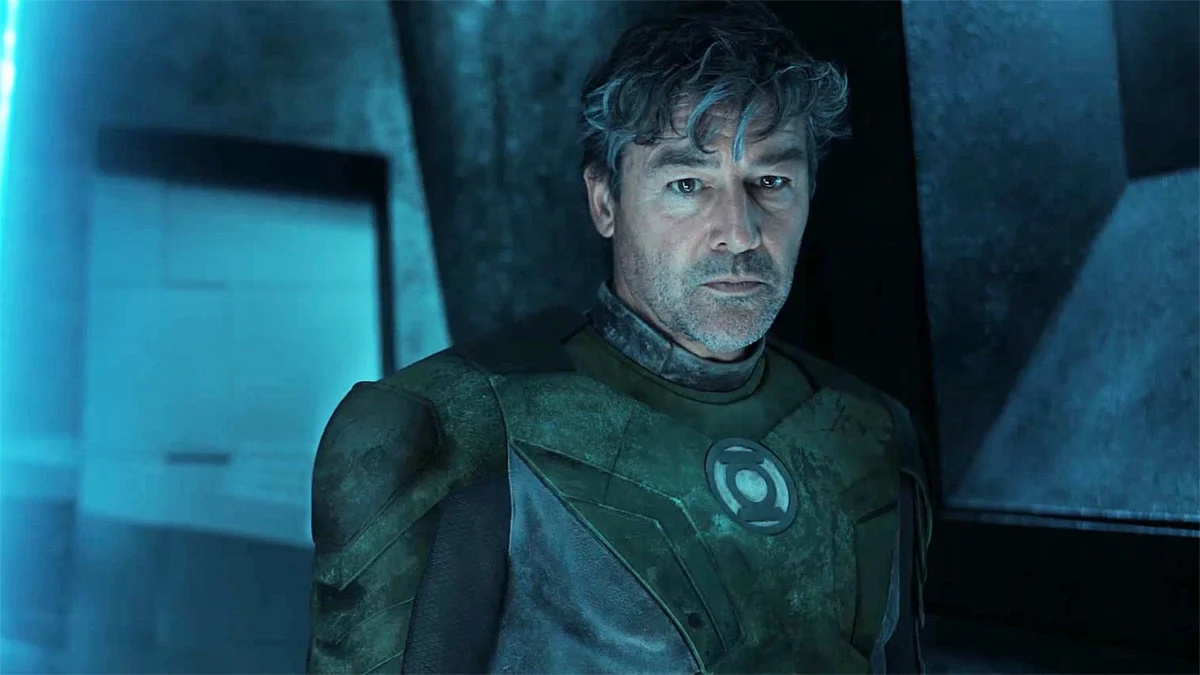
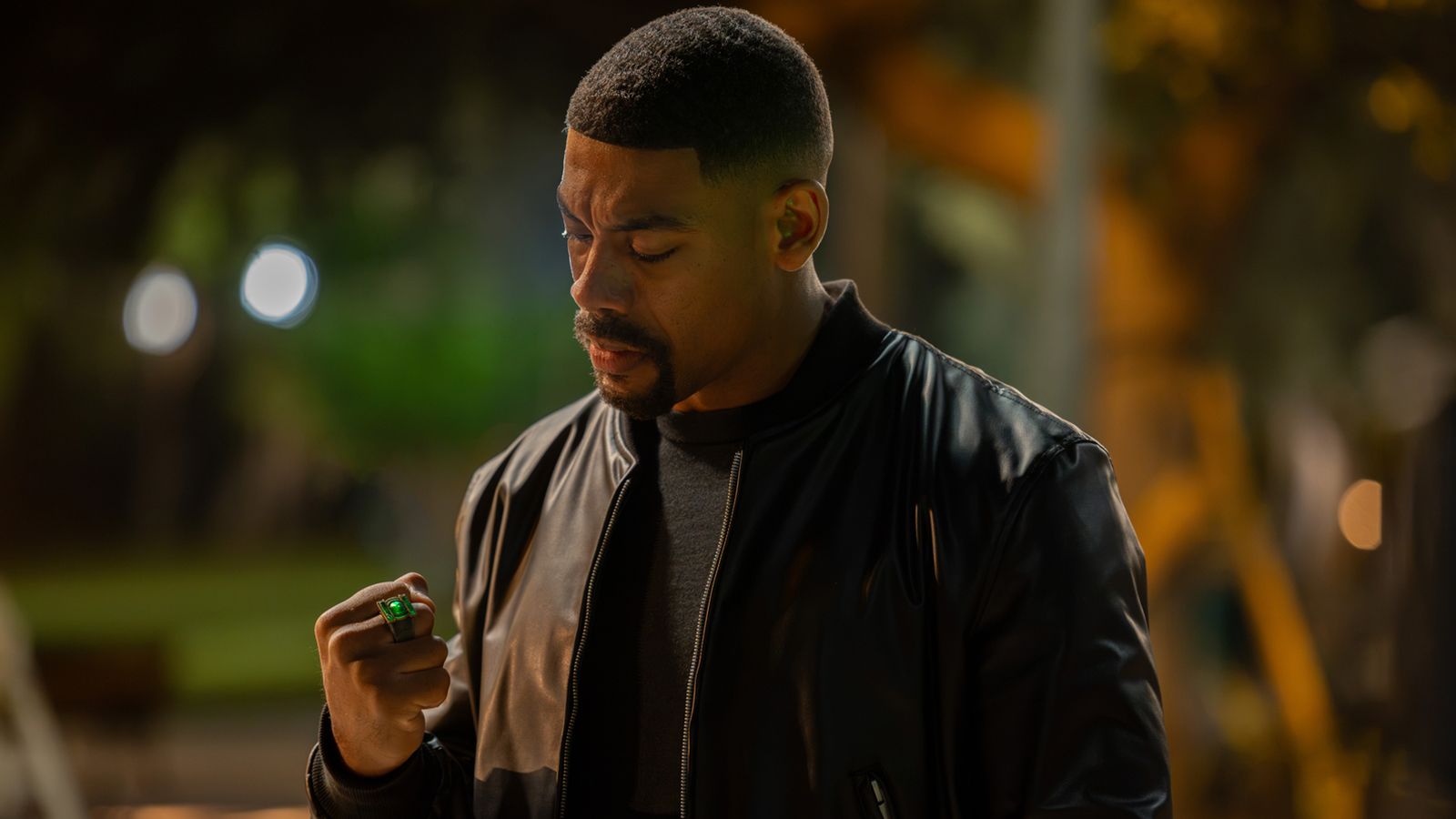
- Late 2023 to 2024: Casting announcements confirm Aaron Pierre as John Stewart and veteran actor Kyle Chandler as Hal Jordan, setting up a dynamic pairing of a seasoned cosmic veteran and a rookie recruit.
- Mid-to-Late 2027: Following a grueling three-and-a-half-year production cycle post-announcement, Lanterns season 1 premieres on HBO and Max, shattering expectations with massive streaming numbers and critical acclaim.
- The Season 1 Finale (Late 2027): The dramatic final episode reshapes the status quo of the series through major character deaths, shifting power dynamics, and the establishment of John Stewart as Earth’s primary cosmic guardian.
- Present Day: A season 2 writers’ room is secretly assembled, tasked with conceptualizing the next terrestrial mystery while navigating the wider continuity of the DCU.
Supporting Data and Production Realities
The path to a second season involves much more than just a popular premise. Examining the production realities of modern prestige television reveals why fans face a prolonged wait:
- Production Timelines: Season 1 required over three and a half years from its initial announcement to its actual premiere. While season 2 will not necessarily take until 2030, complex post-production, visual effects for ring constructs, and intricate scheduling for a high-profile cast inevitably stretch timelines.
- The Streaming Landscape: HBO Max’s viewing metrics for season 1 placed the series among the top-tier performers of the platform’s recent original content slate, justifying the preliminary investments made into the season 2 writers’ room.
- Cross-Media Synergy: The DCU strategy relies heavily on characters crossing over between television and film. Aaron Pierre’s John Stewart is already slated to make his big-screen debut in Man of Tomorrow—the sequel to 2025’s Superman—meaning narrative beats from the cinematic side will directly influence television scripting.
Official Responses and Creative Insights
Key figures behind and in front of the camera have dropped subtle hints regarding what the future holds for the cosmic franchise.
Speaking with Collider, co-creator Damon Lindelof addressed the shocking fate of Kyle Chandler’s Hal Jordan in the season 1 finale. Noting that comic book iterations of Jordan have famously cheated death—and returned from it—multiple times, Lindelof left the door open for future appearances. This possibility was further underlined by Ulrich Thomsen’s chilling portrayal of Sinestro, who dropped cryptic hints in the finale regarding methods for permanently reviving fallen Lanterns.
Meanwhile, showrunner Chris Mundy offered structural insights during an appearance on the Ringer-Verse podcast. Mundy revealed that writer Vanessa Baden Kelly is actively championing the inclusion of fan-favorite alien Green Lantern Kilowog for season 2.
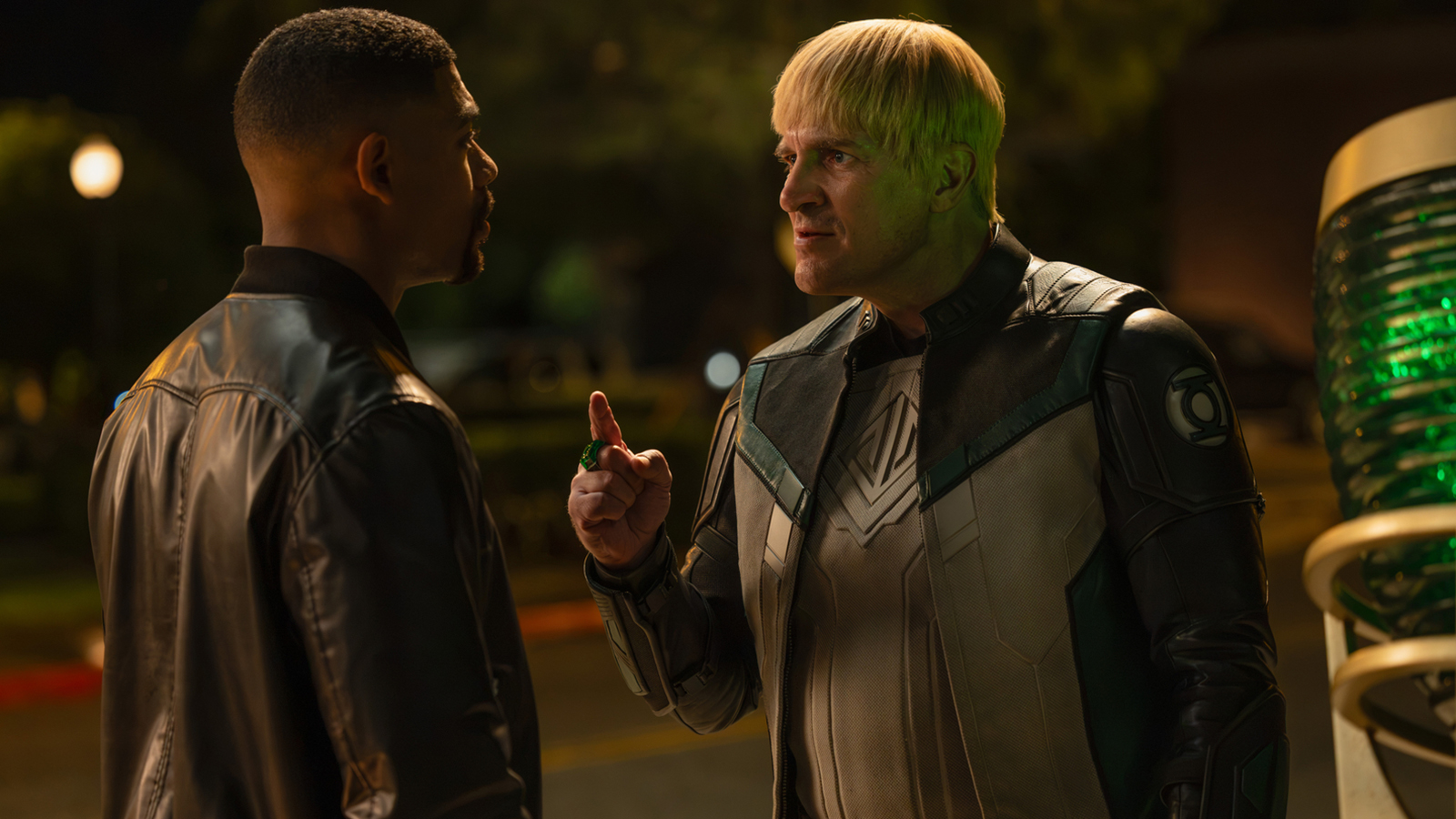
Furthermore, Mundy hinted at a major shift in geography for the series: "We won’t be back in Rushville… unless something crazy happens in Rushville, you know, every 10 years," Mundy teased. "But… it’s going to be an Earth-based story that we continue, most likely." This confirms that while the narrative will remain grounded on Earth rather than sweeping across the cosmos, John Stewart will be operating out of a brand-new location following his decision to act as an "independent contractor" protecting his home planet.
Implications: What Season 2 Means for the Broader DCU
The implications of a second season of Lanterns extend far beyond a single streaming show; it serves as a litmus test for James Gunn’s shared universe model.
Expanding the Lore
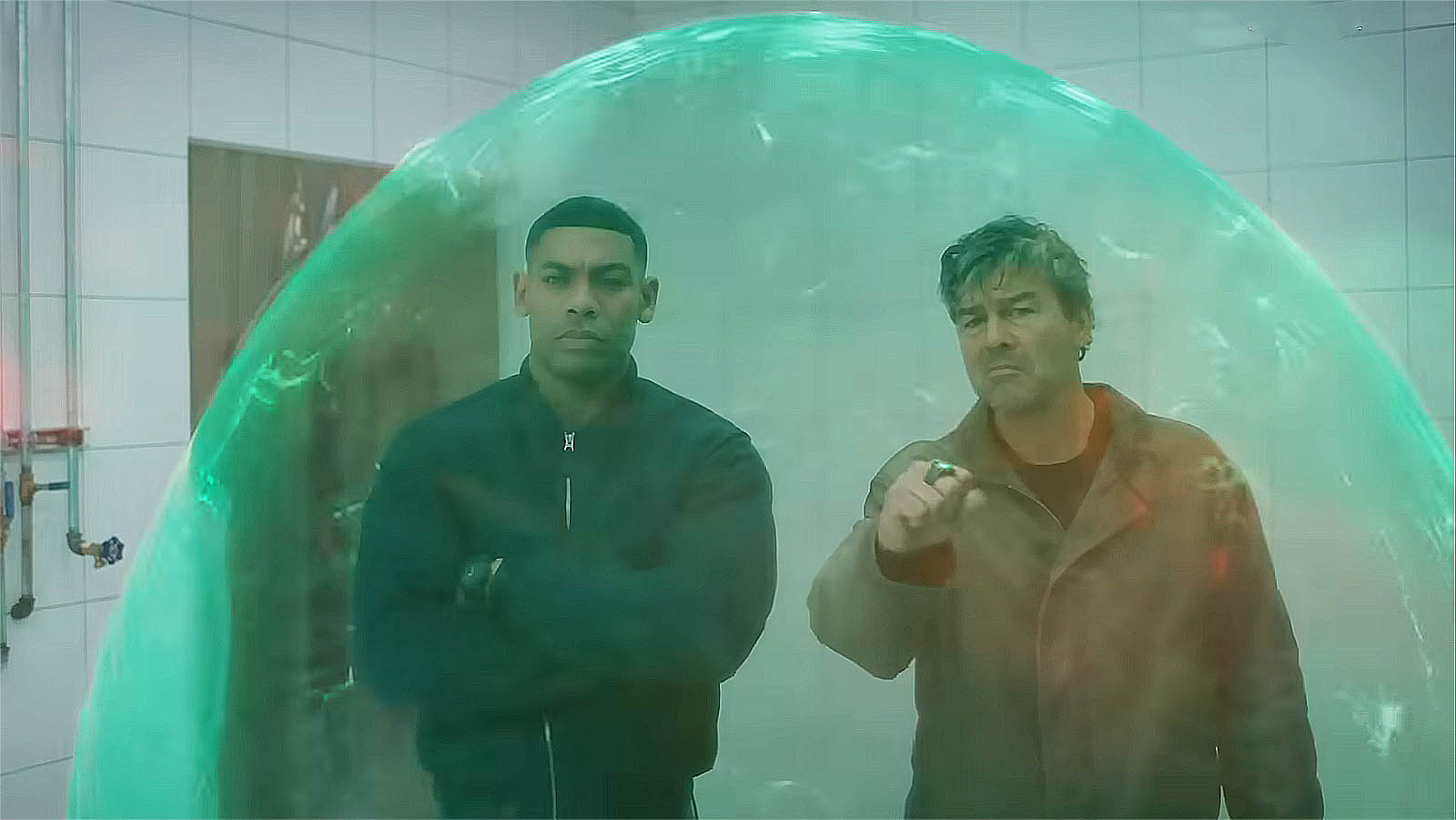
Season 1 successfully grounded the Green Lantern mythology into a gritty, localized detective drama. Season 2, however, inherits a universe brimming with explosive potential. The seeds planted in the finale—such as Sinestro laying the groundwork for what will eventually become the Yellow Lantern Corps, and the looming theological or cosmic threat of Parallax (the entity embodying fear)—open up vast narrative corridors.
Cinematic Integration
Because Pierre’s John Stewart is transitioning into the broader cinematic landscape via Man of Tomorrow, the events of the upcoming Superman sequel will inevitably cast a long shadow over the television series. Stewart cannot simply exist in a vacuum; his evolution on the silver screen will dictate his maturity, responsibilities, and psychological state when he returns to head up the next season of his own show.
Balancing Scale and Intimacy
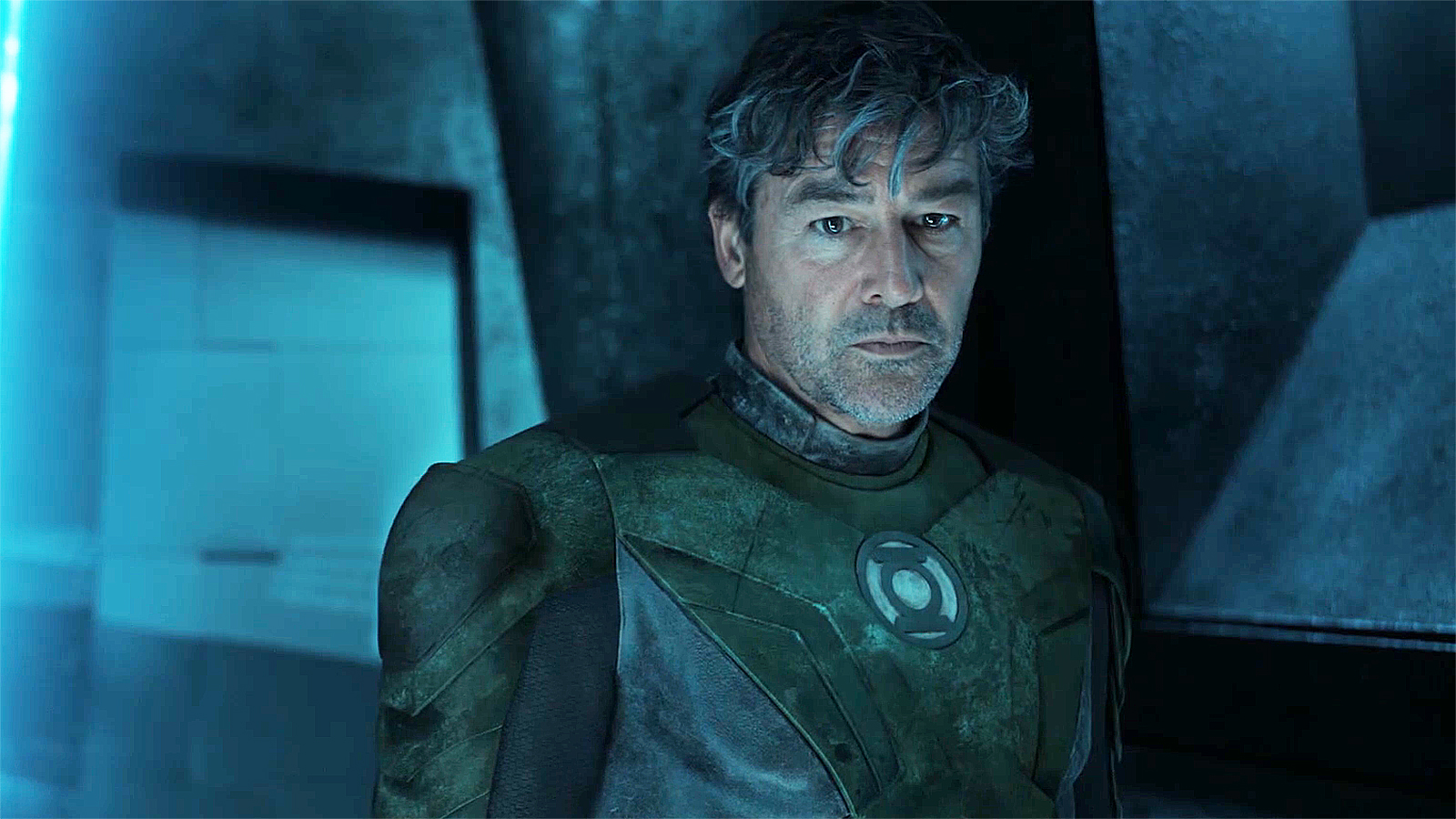
The primary triumph of Lanterns season 1 was its ability to balance cosmic-scale threats with deeply personal, character-driven storytelling. For season 2 to succeed, the creative team must maintain this delicate equilibrium. Introducing heavy-hitting comic staples like Kilowog or diving deeper into the cosmic mythology risks bloating the narrative if it strays too far from the human-scale mystery elements that fans fell in love with.
As the writers’ room continues to draft the next chapter of Earth’s defense against extraterrestrial menaces, audiences are left to watch the skies—and wait patiently for the green light that will officially ignite the next phase of the Corps.
