
Breaking the Mold: Alissar Kobeissi and the New Global Renaissance in Animation
By Trevor Hogg
In an era where the boundaries of digital media are constantly being pushed, animation is shedding its long-held reputation as a genre exclusively for children and stepping into its power as a sophisticated, mature artistic medium. At the forefront of this global evolution is Alissar Kobeissi, a Senior Animator at Sony Pictures Imageworks whose journey from watching dubbed cartoons in the Middle East to crafting blockbuster sequences for Hollywood showcases the changing face of the industry.
As streaming platforms democratize distribution, and as technical pipelines blend traditional 2D artistry with cutting-edge 3D software, the animation landscape is experiencing a renaissance. Kobeissi’s trajectory—spanning major studios like Illumination, Skydance, and Disney, alongside grassroots festival curation in Beirut—offers a compelling lens through which to examine the technological, cultural, and structural shifts redefining modern animation.
Main Facts: The Anatomy of a Modern Animator
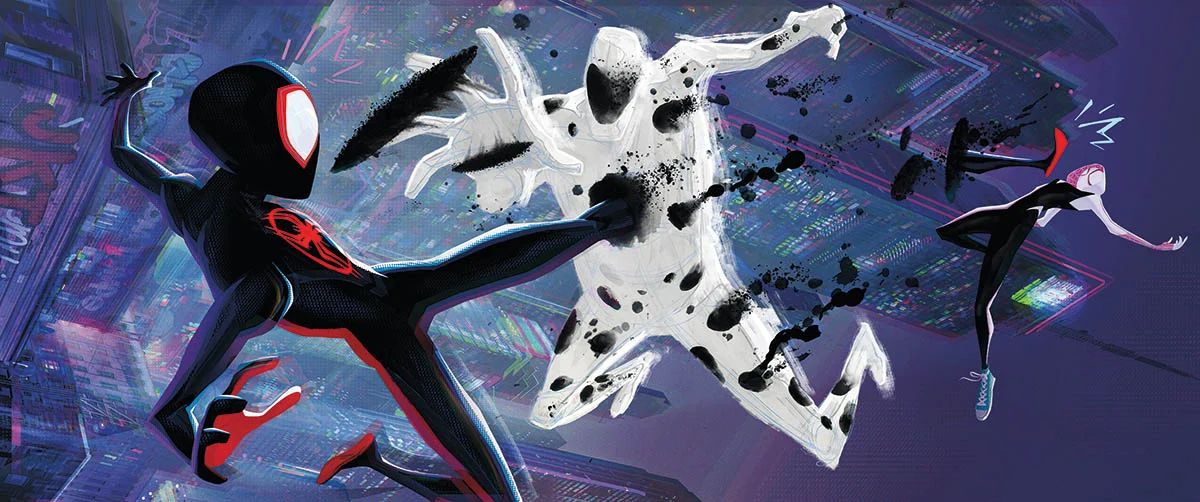
Alissar Kobeissi’s career is defined by her adaptability across major animation powerhouses and her dedication to complex, character-driven storytelling. Working out of major studios, she has contributed to high-profile projects including Smallfoot, Sing 2, and Netflix’s In Your Dreams. Her technical versatility allows her to seamlessly navigate the pipelines of massive studio systems while retaining an artisanal, hand-drawn sensitivity.
Key takeaways from Kobeissi’s career and philosophy include:
- Cross-Studio Experience: Having worked with Sony Pictures Imageworks, Illumination, Skydance Animation, and Walt Disney Animation Studios, Kobeissi has a rare, holistic view of how different corporate pipelines operate.
- The Fusion of 2D and 3D: Kobeissi champions workflows that use 3D rigs to maintain anatomical and proportional consistency across a feature film, while utilizing 2D sketching, Wacom tablets, and thumbnailing to push stylization, silhouettes, and expressive lines of action.
- Regional Advocacy: As a Palestinian-Lebanese artist, Kobeissi is actively involved in supporting Middle Eastern talent, helping to host Beirut Animation Nights, a festival highlighting regional cinematic voices.
- Pipeline Innovation: Recognizing the intensive nature of modern filmmaking, Kobeissi notes how studios like Sony are evolving—such as creating dedicated departments to bridge the gap between layout and animation, ensuring artists can focus deeply on performance without burning out under administrative burdens.
Chronology: From VHS Tapes in the Middle East to Hollywood Soundstages
Kobeissi’s path to becoming a globally recognized senior animator was built over decades of cross-cultural artistic exploration, rigorous education, and milestone professional breaks.
Formative Years and Early Inspirations
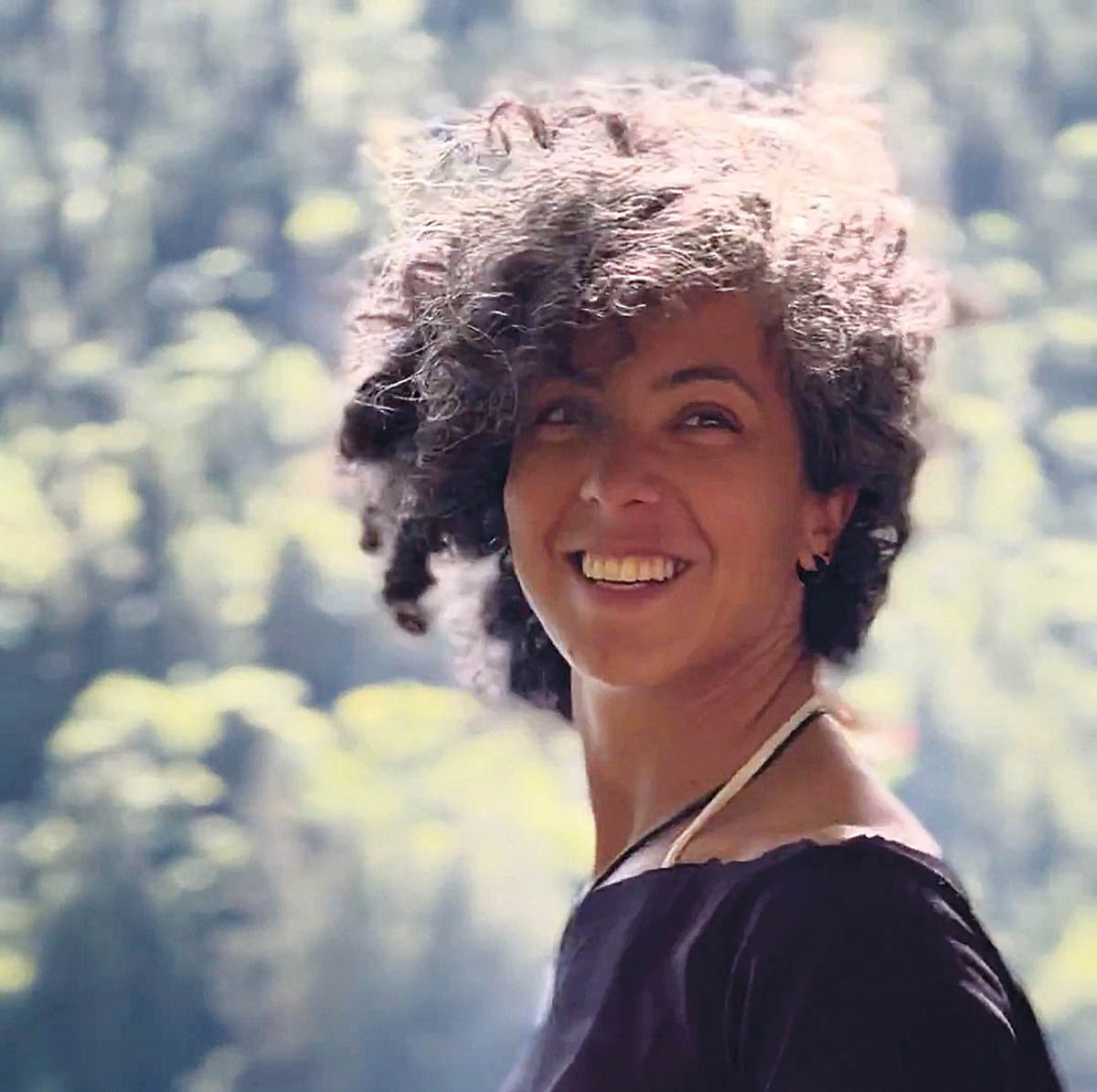
Growing up in the United Arab Emirates, Kobeissi’s early media diet consisted of Pan-Arab television channel Spacetoon, which broadcast Arabic-dubbed versions of anime classics like Pokémon, Nobody’s Boy: Remi, and Romeo’s Blue Skies. Concurrently, she rewatched Western classics on VHS.
"I remember getting Mulan for my birthday, and I was totally obsessed with it," Kobeissi recalls. "Mulan had everything: culture, real-world issues on gender, humor, and creativity. It was cinematically beautiful. I would like to make a movie like that one day."
Academic Foundations in Beirut
Fascinated by the medium, Kobeissi enrolled at the Académie Libanaise des Beaux-Arts (ALBA) in Beirut, earning a Bachelor’s degree in Computer Graphics & Interactive Media. Her foundational education spanned diverse artistic disciplines, including gouache painting, JavaScript programming, art history, and typography. A pivotal moment occurred when she witnessed a digital donkey rotate in LightWave 3D, prompting her to take an online course in 3D character animation through AnimSchool.
The Big Break and Studio Ascendancy
Because opportunities in animation were historically limited in the UAE and Lebanon during her youth, Kobeissi sought international experience. Her big career break arrived when she perfected a complex animation shot that went viral online. The work caught the attention of industry heavyweights Kevin Webb (then head animator at Sony Pictures Imageworks, now at Netflix) and Patrick Delage at Illumination.
In 2018, Kobeissi joined Sony Pictures Imageworks to work on Smallfoot. She subsequently transitioned to Illumination for Sing 2, cementing a career trajectory that would eventually bring her full-circle back to education—teaching a four-hour workshop titled Animating Characters for Feature Films for the Gnomon Workshop.
Supporting Data: Technical Workflows and Artistic Challenges
The modern animation pipeline is a complex ecosystem where technology and human performance intersect. According to Kobeissi, capturing authentic movement requires a deep reliance on reference footage combined with traditional artistic discipline.
The Necessity of Real-World Reference
"We are not capable of imagining these nuances and creating them from scratch," Kobeissi explains. "There’s so much detail in the real world that can inspire us. I am one to learn from real life, stylizing it in animation and using artistic knowledge to pick and choose what you want to keep and how to shape it."
To achieve this, Kobeissi relies heavily on physical sketching during the digital animation process:
- Thumbnailing: Using Wacom tablets to sketch rough frames directly over animation references.
- Pushing Silhouettes: Refining lines of action to ensure poses remain graphically readable and emotionally resonant.
- Rig Limitations: Leveraging 3D rigs for proportional stability while forcefully overriding them where artistic stylization demands.
Tackling Effects-Driven Characters
One of the most technically demanding projects in Kobeissi’s portfolio was the VR short film Reimagined Volume III: Young Thang, which featured a character entirely constructed out of water.
"Every single acting choice came with a different way that water moved, and it all had to match the emotion and energy of the character," she notes. "It was ambitious because everything had to be hand-drawn, but it was a great challenge to know how water would move to match acting like a character."
This level of performance demands intense cross-departmental communication. When an animated character reacts to another—such as a character flinching from a scolding while wind effects ruffle their hair—those artistic choices must be clearly telegraphed to the effects department to maintain narrative integrity.
Official Responses & Industry Perspectives: Shifting Paradigms in Storytelling
Kobeissi’s insights reflect a broader industry consensus: animation is no longer bound by traditional geographic hubs or narrow genre definitions.

The De-Monopolization of Animation
Historically, major feature animation was heavily concentrated within a handful of Western studios. Today, streaming platforms and globalized talent pools have decentralized the medium.
"We are seeing the de-monopolization of animation. More countries can be players in the animation world," Kobeissi observes. Pointing to breakout hits like Arcane and Blue Eye Samurai, she highlights how smaller studios are finding innovative ways to produce high-end 3D animation imbued with hand-drawn sensibilities.
"Especially around the time of Arcane, smaller studios found ways of making beautiful 3D animation that also utilizes the artistic hand-drawn skill… There continues to be an exploration of artistic styles that trickle down to everywhere in the world. I’m seeing it in the short films from Beirut. It is the blend of this openness to culture as well as a strong identity, which is giving birth to so much of the animation potential I’m seeing now in Lebanon."
Animation as a Medium, Not a Genre
The expansion of animation’s audience into older demographics has fundamentally shifted what kind of stories can be told. Works like Flee, Persepolis, and The Breadwinner prove that animation can tackle heavy, geopolitical, and deeply personal themes without losing its emotional resonance.
"The most juice for animation in our generation is that now there is more unpaved road to experiment with different stories that we can tell within animation," Kobeissi remarks. "The understanding of animation is broadening, and people are realizing it’s not a genre but a medium. Both of these [factors], maturing together, allow for more content and greater diversity in stories."
Implications: The Future of the Craft and Remaining Challenges
While the creative horizon is expansive, veterans like Kobeissi are candid about the structural challenges facing the industry today, particularly regarding how major studios integrate artists into high-level creative decisions.
Bridging the Gap Between Artist and Story
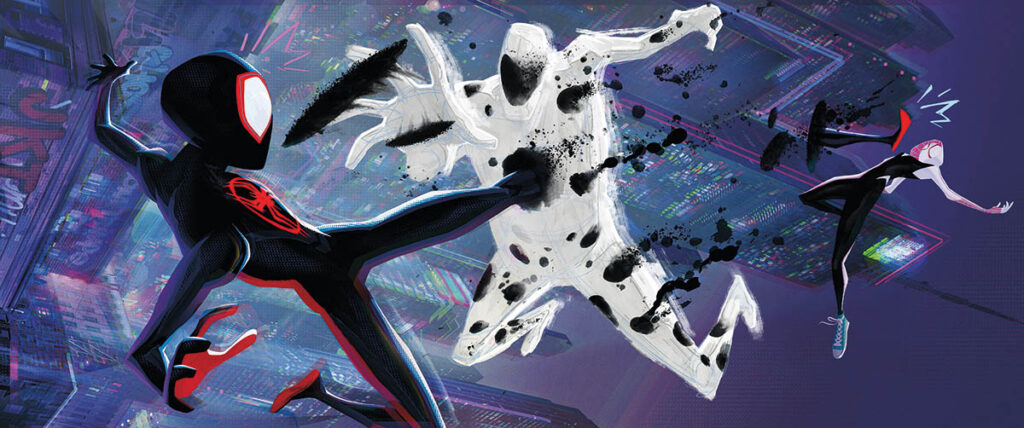
Despite her success, Kobeissi points out that animators in large studio environments can sometimes feel disconnected from the overarching narrative decisions driving a film.
"Something I’m thinking about at this stage of my career is how we can bridge the [gap between the] artist and the story in these big studios a little bit more," she reflects. "As artists, we somehow get disconnected from the big creative decisions made on a movie as well as the story. Breaking out of the animation role into something more creative feels challenging, but there’s something for everyone to benefit from by making some of these barriers more fluid."
She advocates for the revival of internal short-film incubator circuits within major studios—programs that historically allowed technical artists to flex their narrative muscles and influence studio culture from the ground up.
The Next Generation
Ultimately, Kobeissi remains deeply optimistic about the future. With educational resources becoming more widely available across previously underrepresented regions—and with younger generations displaying a voracious appetite for boundary-pushing art styles—the global footprint of animation will only continue to expand.
"On an artistic level, the skills are rising among the younger generation. Students are getting more of the resources they need and are getting creative in how to use them," Kobeissi concludes. "They’re making it work!"
As artists like Kobeissi continue to bridge the gap between technical mastery and mature, culturally diverse storytelling, the canvas of animation looks brighter, broader, and more boundless than ever before.
