
The Rise of "Dumb TVs": How Developers and AI Are Stripping Bloatware, Ads, and Surveillance from Modern Displays
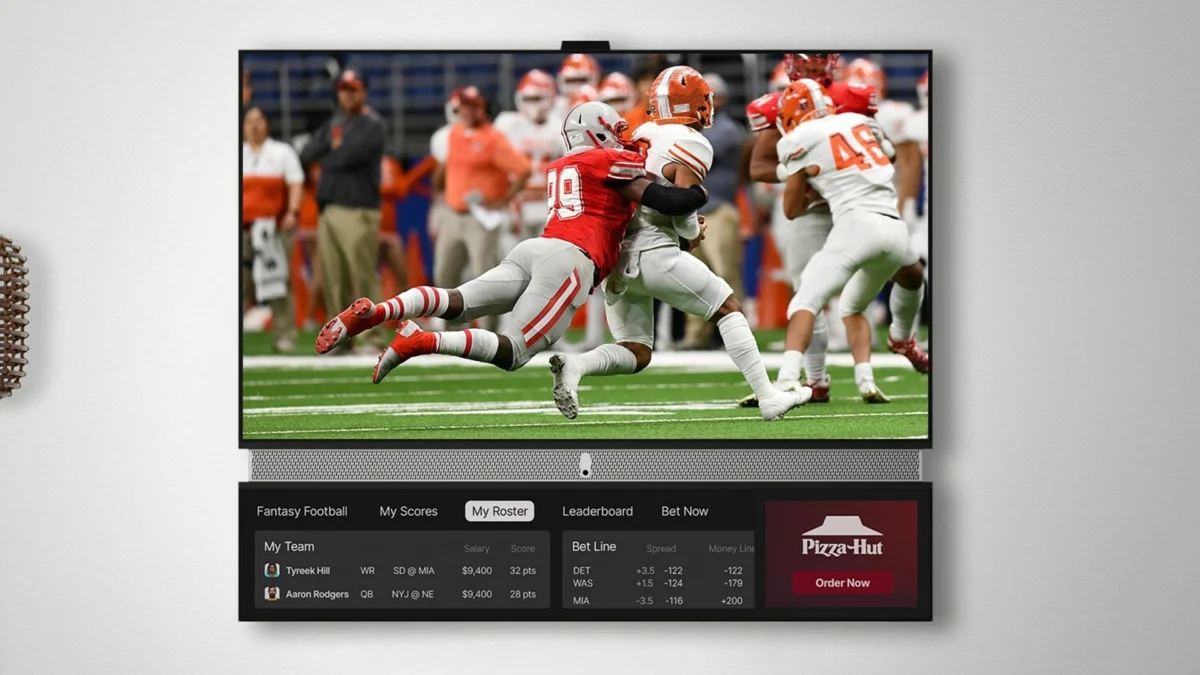
If you have purchased a flat-screen television in recent years, you likely noticed a frustrating trade-off. While modern smart TVs offer stunning 4K resolutions, brilliant OLED contrast, and sleek designs, they have increasingly become vehicles for aggressive monetization. Home screens are frequently plastered with sponsored advertisements, interfaces are slowed down by heavy bloatware, and operating systems quietly track viewing habits to feed data-broker networks.
For many consumers, the annoyance has crossed a line from a minor inconvenience into a full-scale privacy invasion. However, a growing subculture of developers—armed with AI coding tools and a healthy dose of user frustration—is fighting back. Across the tech community, users are utilizing artificial intelligence to strip the "smart" functionality away from their displays, effectively making their smart TVs "dumb" again.
Main Facts: Reclaiming Control Over Consumer Hardware
The modern smart TV ecosystem has evolved far beyond a simple screen used to watch movies or broadcast television. Today, platforms powered by Android TV, Google TV, Amazon Fire TV, and proprietary manufacturer interfaces act as digital billboards and data collection hubs.
In response, developers have launched open-source tools designed to purge these intrusions. Projects like dumbtv and cleanyourtv have gained sudden traction on platforms like GitHub. Their core mission is straightforward: return the television to its fundamental purpose—acting as a high-definition display for user applications and HDMI inputs, completely free from manufacturer-imposed ads, telemetry data collection, and unrequested firmware updates.

Furthermore, mainstream adoption of these workarounds has been supercharged by AI coding assistants. Rather than requiring advanced computer science degrees or complex manual script writing, everyday users are now leveraging AI agents like Claude Code to write bespoke removal scripts on the fly. By simply querying an AI model with details about their specific television model, users can generate step-by-step instructions to strip away hidden spyware, eliminate intrusive pop-ups, and dramatically improve sluggish user interfaces.
Chronology of an Industry Shift: From Value Hardware to Ad-Supported Monoliths
Understanding how we arrived at the "dumb TV" movement requires looking at how television manufacturing and pricing models have shifted over the last decade.
- 2010s—The Smart TV Boom: As connected displays entered the mainstream, manufacturers realized that hardware margins were shrinking. To keep upfront consumer costs low, companies began subsidizing hardware manufacturing through software services.
- The Rise of Subsidized Pricing: A recent industry report highlighted that aggressive ad integration and data harvesting are the primary reasons baseline smart TV prices have remained remarkably flat despite inflation and rising component costs. Consumers essentially paid a hidden tax in the form of personal data and constant advertising.
- Late 2024 to 2025—Escalating Intrusions: Consumer frustration boiled over as major streaming platforms dramatically raised subscription fees while simultaneously increasing ad loads. Simultaneously, firmware updates introduced aggressive, full-screen pop-up ads at startup—such as Amazon’s Fire TV interface updates—which routinely interrupted users before they could even select an input.
- Regulatory Pressure Mounts: Government bodies began taking notice. Notably, legal actions—such as a high-profile lawsuit filed by the State of Texas against major TV manufacturers including LG, Samsung, Hisense, and TCL—characterized modern smart TVs as "mass surveillance systems," drawing widespread public attention to background data tracking.
- Late 2026—The AI "Vibe Coding" Counter-Revolution: With advanced AI coding agents readily available, developers began rapidly prototyping open-source utilities like dumbtv and cleanyourtv. What once required specialized hacking forums and days of manual troubleshooting can now be executed via natural-language AI prompts in a matter of hours.
Supporting Data and Technical Realities
The technical approach behind these de-bloating projects is designed to be accessible and risk-averse. Unlike traditional rooting procedures—which can permanently brick a device or void hardware warranties—modern scripts typically interact with the television over a local Wi-Fi network using standard developer debugging protocols (such as Android Debug Bridge, or ADB).
Key Technical Characteristics of Smart TV Hacks:
- Non-Destructive Modifications: Most modern cleanup utilities do not touch the device’s root directory or permanently uninstall system apps. Instead, they disable background telemetry packages and hide unwanted home screen launchers.
- Reversibility: Projects like cleanyourtv emphasize a "one-line restore" feature, allowing users to revert all changes instantly if they decide to sell the TV or utilize factory software features later.
- Performance Uplift: By halting background data harvesting, automated experiments, and ad-fetching processes, users report a drastic reduction in UI lag, turning previously sluggish interfaces into snappy, responsive displays.
Advanced projects, such as the ad-free Android TV setup spearheaded by developer Cretezy, go a step further by entirely replacing the stock operating system launcher. These configurations install clean home screens reminiscent of an Apple TV, substitute default media managers, and even remap physical remote control buttons to bypass promotional shortcuts like dedicated Netflix or Prime Video keys.

Official Responses and Industry Dynamics
Television manufacturers and streaming giants have largely maintained a defensive posture regarding privacy and advertising claims. When confronted with allegations that smart TVs function essentially as surveillance devices—collecting automatic content recognition (ACR) data to track everything from broadcast viewing to connected gaming consoles—manufacturers have frequently defended their data collection practices as standard industry operations covered by end-user license agreements (EULAs).
For instance, following widespread investigative reports accusing manufacturers of logging millions of user households, companies like LG issued statements asserting that their privacy frameworks comply with regional regulations. However, privacy experts argue that legal compliance via densely worded, opt-out-resistant terms of service does not address the fundamental consumer grievance: buyers feel forced to accept continuous tracking just to use hardware they paid for with their own money.
Meanwhile, Big Tech platforms have doubled down on monetization. Amazon, Google, and Roku view the television home screen as prime real estate for digital advertising. Consequently, official software updates rarely offer users a toggle to disable sponsored content entirely, leaving third-party open-source development and AI-assisted customization as the only viable paths for consumers seeking an ad-free experience.
Implications: The Future of Consumer Electronics
The emergence of AI-assisted hardware modification carries significant implications for both consumers and electronics manufacturers.
1. The Death of "Enshittification" Through User Empowerment
The term "enshittification"—coined to describe how digital platforms degrade over time to maximize corporate revenue—has felt inevitable for modern smart devices. However, the rise of "dumb TV" tooling proves that consumers are no longer entirely helpless against software degradation. By lowering the barrier to entry for custom software tweaking, AI has democratized device ownership.
2. A Potential Market for "Privacy-First" Hardware
If open-source debloating scripts gain mainstream adoption, hardware manufacturers may eventually face market pressure to offer authentic "dumb mode" settings out of the box. Alternatively, it could spur a niche market for commercial displays and specialized monitors marketed explicitly toward privacy-conscious consumers who refuse smart features altogether.
3. Legal and Warranty Gray Areas
While utilizing Wi-Fi debugging tools to disable local ads does not inherently violate hardware warranties, increased consumer pushback may lead manufacturers to tighten software security. Companies could attempt to lock down developer options or deploy aggressive firmware updates designed to counter third-party launchers, initiating an ongoing cat-and-mouse game between tech giants and independent developers.
Conclusion
The smart TV counter-revolution highlights a broader cultural fatigue with hyper-monetized consumer technology. Consumers are tired of paying premium prices for hardware only to be treated as captive audiences for targeted ads and background data harvesting. Thanks to the convergence of accessible open-source projects and AI-driven coding assistance, taking back control of the living room has never been easier. For anyone ready to escape the era of bloated, ad-infested interfaces, the tools to build a truly private, distraction-free display are finally within reach.
