The New Digital Frontier: How Vertical Storytelling and the YouTube Generation are Rewriting Hollywood’s Rules
Main Facts: The Paradigm Shift in Modern Entertainment
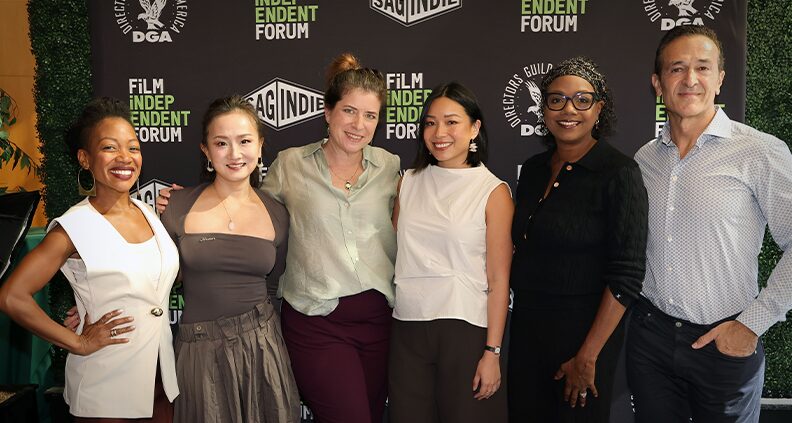
For decades, the path to a Hollywood greenlight followed a rigid, bureaucratic roadmap: write a spec script, secure representation, endure years of endless pitch meetings, navigate a labyrinth of network notes, and hope an executive takes a chance. But at the recent Film Independent Forum, industry leaders delivered a loud, unifying message to creators drowning in development hell: Stop waiting for permission.
Across digital-focused panels—ranging from vertical video innovators to veterans of the "YouTubeGeneration"—the consensus was clear. Modern creators are bypassing traditional gatekeepers entirely, leveraging mobile platforms to build direct connections with audiences, command staggering view counts, and generate blockbuster revenues on their own terms.
Central to this movement is the meteoric rise of vertical storytelling and microdramas. Platforms like TikTok, YouTube, and specialized mobile apps have fundamentally altered how content is consumed. Creators are no longer waiting years for traditional studio cycles; instead, they are taking ideas from conception to premiere in a matter of months. As the lines between digital content creators and traditional Hollywood prestige continue to blur, the very definition of "breaking in" is undergoing a radical, irreversible evolution.
Chronology: From Garage Studios to Global Mobile Domination
To understand how the entertainment industry arrived at this digital precipice, it is helpful to trace the timeline of content democratization over the last twenty years:
The Mid-2000s (The Birth of Open-Access Video): YouTube emerges, giving independent creators a global stage for the first time. Thick, impenetrable lines are drawn between "serious" Hollywood professionals and internet video makers.
The 2010s (The Creator Economy Takes Shape): A new generation of digital natives learns to publish, iterate, and analyze audience metrics in real time. Creators like Katy Fishell begin translating everyday thoughts into rapid-fire digital cartoons, proving that speed and relevance can rival multi-million-dollar budgets.
The Early 2020s (The Microdrama Boom): Driven by mobile-first consumption habits, the microdrama format explodes. Bilingual writing teams like Lunar Ticks—co-founded by Vivian Wang—begin localizing and releasing vertical series that accumulate billions of views in record time.
The Mid-2020s (The Great Convergence): Traditional Hollywood talent begins crossing over to vertical and mobile platforms en masse. Studios chase the lucrative TikTok demographic as research confirms that mobile engagement on vertical platforms officially surpasses legacy streaming giants.
2026 and Beyond (Institutional Validation): The Academy of Motion Picture Arts and Sciences announces an exclusive global streaming partnership with YouTube, set to begin in 2029, cementing the internet platform’s status as the epicenter of modern cinema distribution. Meanwhile, microdramas generate a staggering $1.5 billion in U.S. revenue within a single year.
Supporting Data: The Numbers Behind the Vertical Revolution
The shift from living room televisions to mobile screens is not merely a cultural trend backed by anecdotal success; it is heavily supported by hard economic data and usage metrics:
Audience Reach: According to reports by Reuters, approximately 66 million monthly active users in the United States are actively watching microdramas.
Financial Impact: The vertical microdrama format generated an estimated $1.5 billion in U.S. revenue over the past year.
Mobile Engagement: Research from market intelligence firm Omdia reveals that vertical platforms have officially overtaken traditional subscription video-on-demand services on mobile devices. U.S. users now spend more cumulative time per day watching microdramas on mobile apps than they do watching Netflix, Disney+, or Amazon Prime Video on mobile.
Speed of Production: While traditional Hollywood development cycles routinely span three to seven years, the average ideation-to-premiere timeline for a vertical series is compressed to a blistering three months.
Unprecedented Viewership: Independent bilingual writing teams like Lunar Ticks have surpassed one billion total views across their localized vertical series in a span of just three years.
Official Responses and Expert Insights: Voices from the Forum
The Film Independent Forum provided a platform for some of the sharpest minds in digital and traditional media to dissect this changing landscape.
Alexander Ullom, director of It Ends, encapsulated the psychological hurdle facing modern artists during his panel advice. Writing "You have the juice" in his notebook, Ullom urged filmmakers to remain steadfast in their creative visions rather than diluting their work to please risk-averse executives.
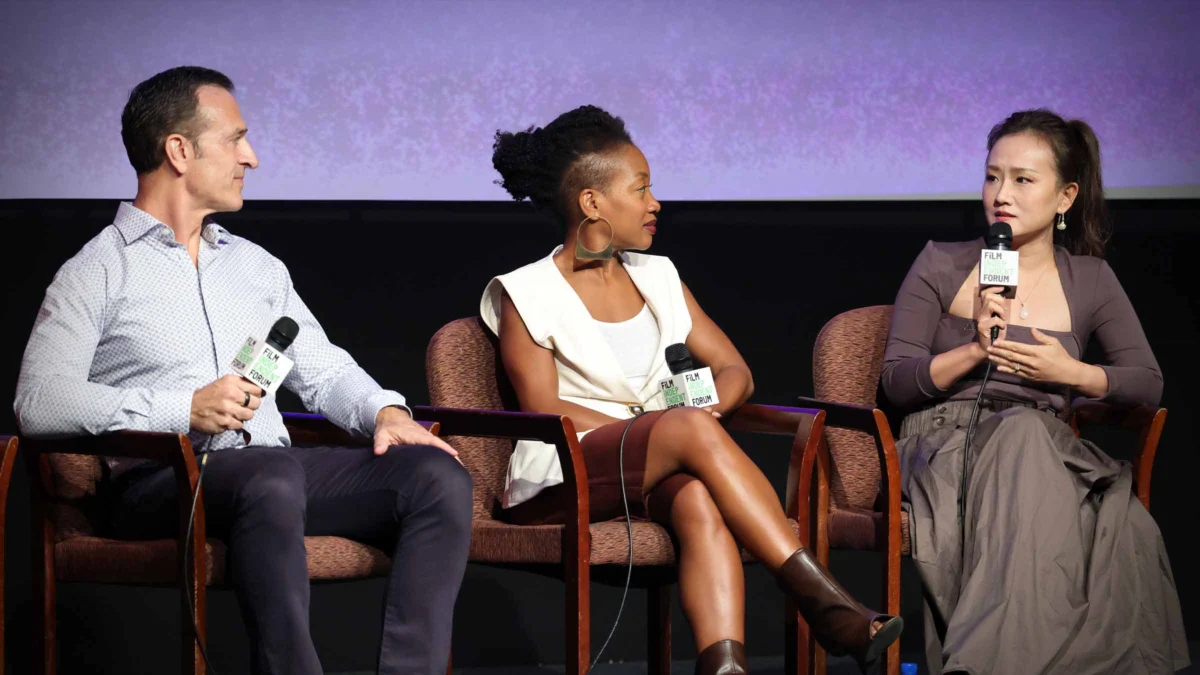
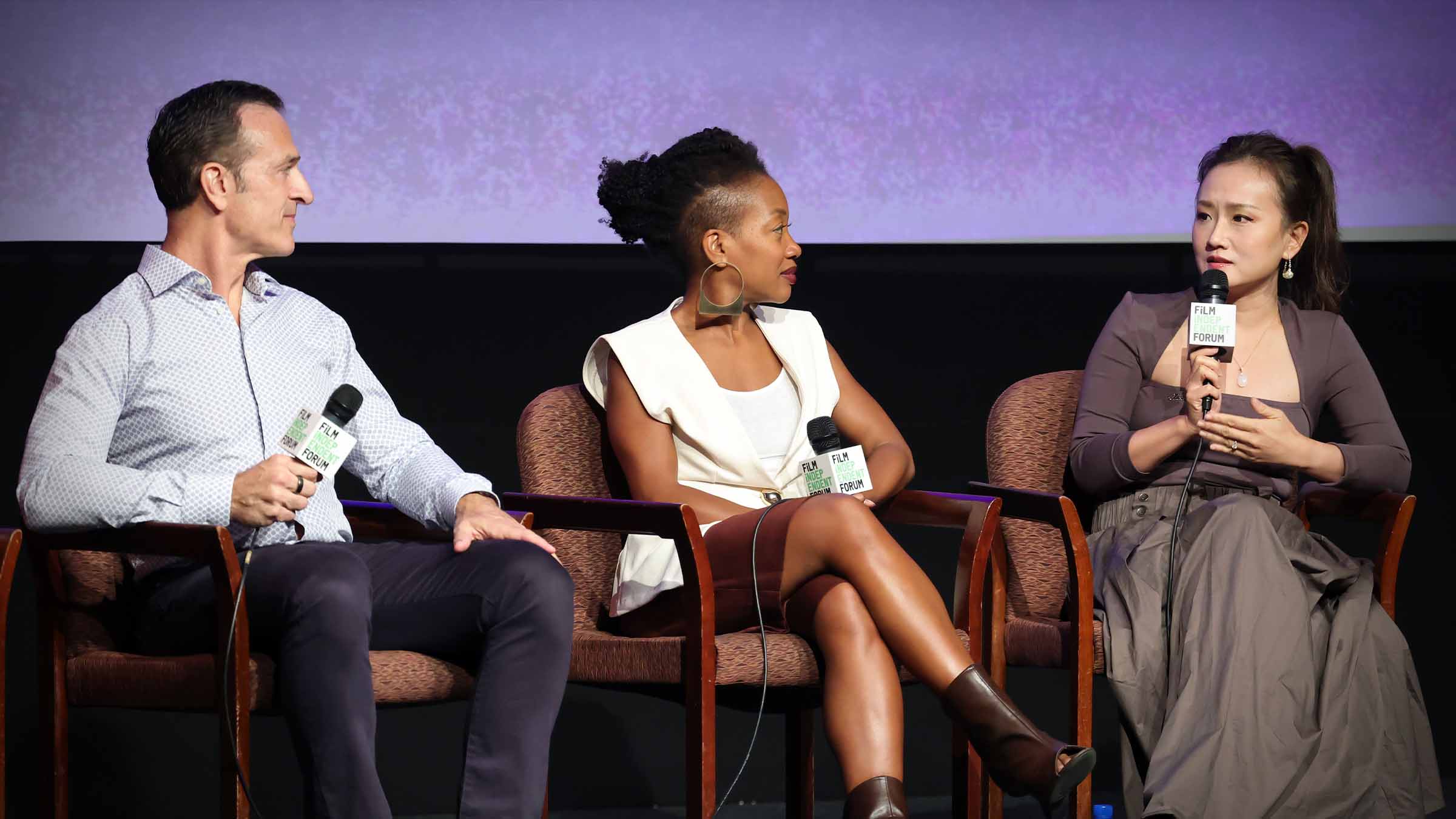
On the vertical storytelling panel, moderated by executive producer Wendy Calhoun (The Rookie Feds, Empire), the conversation turned toward format experimentation. Calhoun pointed out that classic dramatic structures have always relied on familiar frameworks—drawing parallels between the Shakespearean succession stakes of The Lion in Winter (which inspired Empire) and the fast-paced, high-drama mechanics of modern microseries.
Vivian Wang, writer of Sleeping With My Billionaire Enemy and Alpha King’s Mistake, offered a pragmatic perspective on serving the mobile audience.
"We’re creating for the audience and we know what they want," Wang stated, noting that after a grueling workday, mobile viewers seek instant gratification and pure escapism rather than didactic lectures. "People aren’t watching things on their phone to learn a lesson."
Dawn Yang, Global Head of Entertainment & Micro-series at TikTok, highlighted the communal nature of the platform.
"We offer new ways of watching together with people who are not in your social circle, but are people who love the same content as you do," Yang explained, emphasizing why retention rates on vertical apps remain exceptionally high.
Industry veterans also sought to dismantle toxic conventional wisdom regarding career progression. Writer Nicolas Curcio (Play House, GOAT) pushed back against the pervasive industry myth that a filmmaker only gets "one shot" with their debut feature.
"You want to give it your all, but it’s never your one shot," Curcio noted. "There’s a million stories of people who didn’t get it right the first time, but then got it right."
Similarly, panelists advised newcomers to de-prioritize the obsession with securing an agent or manager right out of the gate. While representation can open doors, it does not guarantee creative output. The consensus: focus entirely on making material you passionately believe in, a strategy mirrored by the independent YouTubers behind recent box-office horror hits.
Implications: What the Future Holds for Hollywood and Beyond
As technology and art merge into a singular, fast-moving current, the implications for the global entertainment industry are profound.
First, the traditional gatekeeper model is effectively fractured. When digital platforms can generate billions of views and over a billion dollars in domestic revenue without the blessing of a major studio, the traditional power dynamic shifts. Studios are no longer the exclusive arbiters of commercial viability; instead, they are forced to chase audiences who have already been cultivated in the digital wild.
Second, the definition of cinematic quality is expanding. Producers like Elizabeth Dell and Hernan Lopez are championing the notion that microdramas can—and will—reach the same artistic and narrative heights that serialized television achieved decades ago. Critics once claimed that prestige television like David Lynch’s Twin Peaks (1990) was an impossibility; today, mobile vertical drama is undergoing that exact skepticism-to-prestige pipeline.
Finally, the boundary between "internet creator" and "mainstream artist" has dissolved. With major cultural institutions like the Academy Awards moving their global streaming rights to YouTube starting in 2029, the digital screen is the main stage.
For the next generation of storytellers, the takeaway from the Film Independent Forum is both liberating and daunting: the Cavalry isn’t coming, but with a smartphone in your hand and conviction in your vision, you don’t need them.