
High-Octane Optics: Inside the $9,950 Leica Q3 43 Formula 1 Edition
As the Formula One circus descends upon the Circuit of the Americas in Austin, Texas, for the highly anticipated United States Grand Prix, the paddock is buzzing with more than just the hum of hybrid power units. Amidst the high-stakes drama of the final six races of the 2024 season, a new collaboration has emerged from the intersection of German precision engineering and the world’s fastest motorsport: the Leica Q3 43 Formula 1 Edition.
For the enthusiast who demands that their photography equipment mirror the aesthetic and material exclusivity of a modern F1 chassis, this special edition camera represents the pinnacle of luxury branding. However, beneath the carbon fiber skin and the premium price tag lies a familiar, albeit formidable, photographic powerhouse.
The Convergence of Motorsport and Luxury Optics
The partnership between Leica and Formula 1 is not merely a branding exercise; it is a strategic alignment of two worlds obsessed with performance, heritage, and the pursuit of perfection. Since Liberty Media took the reins of F1, the sport has undergone a radical transformation. Once a niche European pursuit, F1 has become a global marketing juggernaut, fueled in no small part by the explosive popularity of Netflix’s Drive to Survive.
As the sport expands its footprint in North America, the marketing "razzamatazz" has reached fever pitch. The Leica Q3 43 Formula 1 Edition acts as a physical manifestation of this new era—a collectible designed for the high-net-worth fan who views their camera as an extension of their lifestyle, much like a limited-edition timepiece or a paddock-club pass.
The Technical "Race-Prep"
At its core, the Formula 1 Edition is a Leica Q3 43—a camera that has already garnered significant acclaim since its recent release. However, this special iteration undergoes a distinct "weight-saving" and performance-inspired makeover.
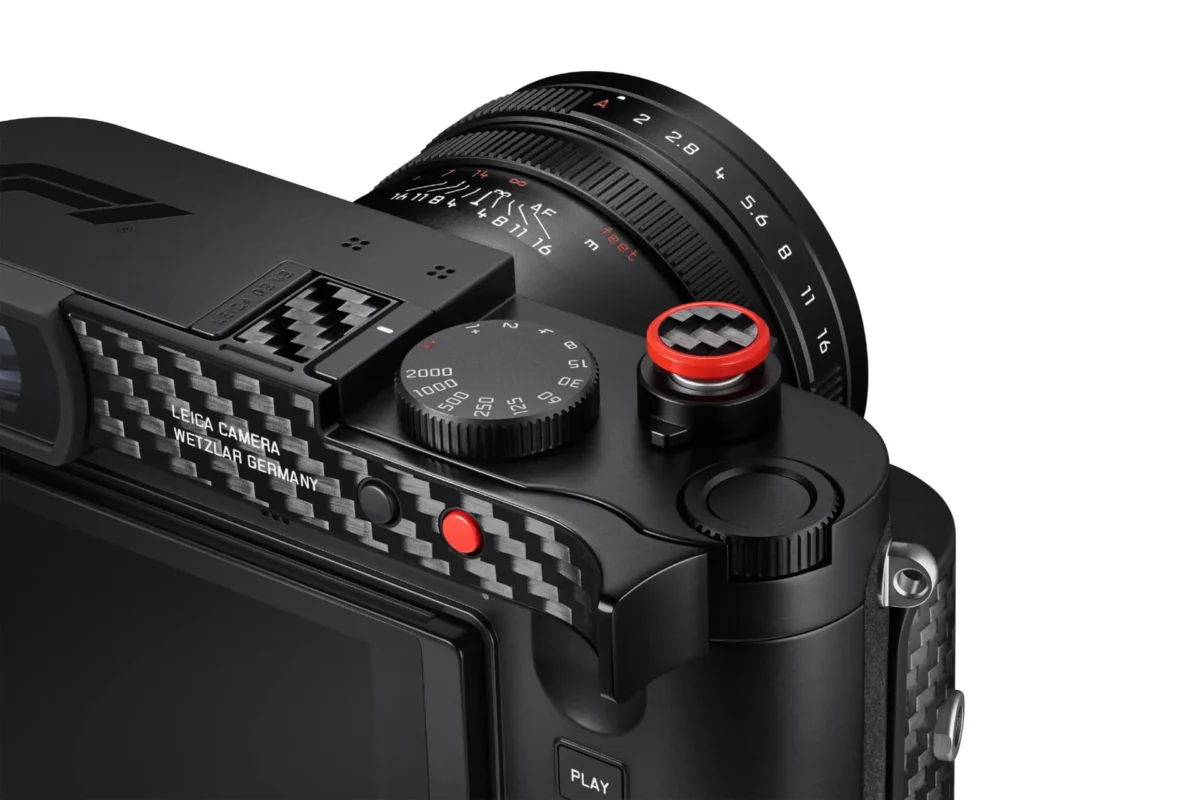
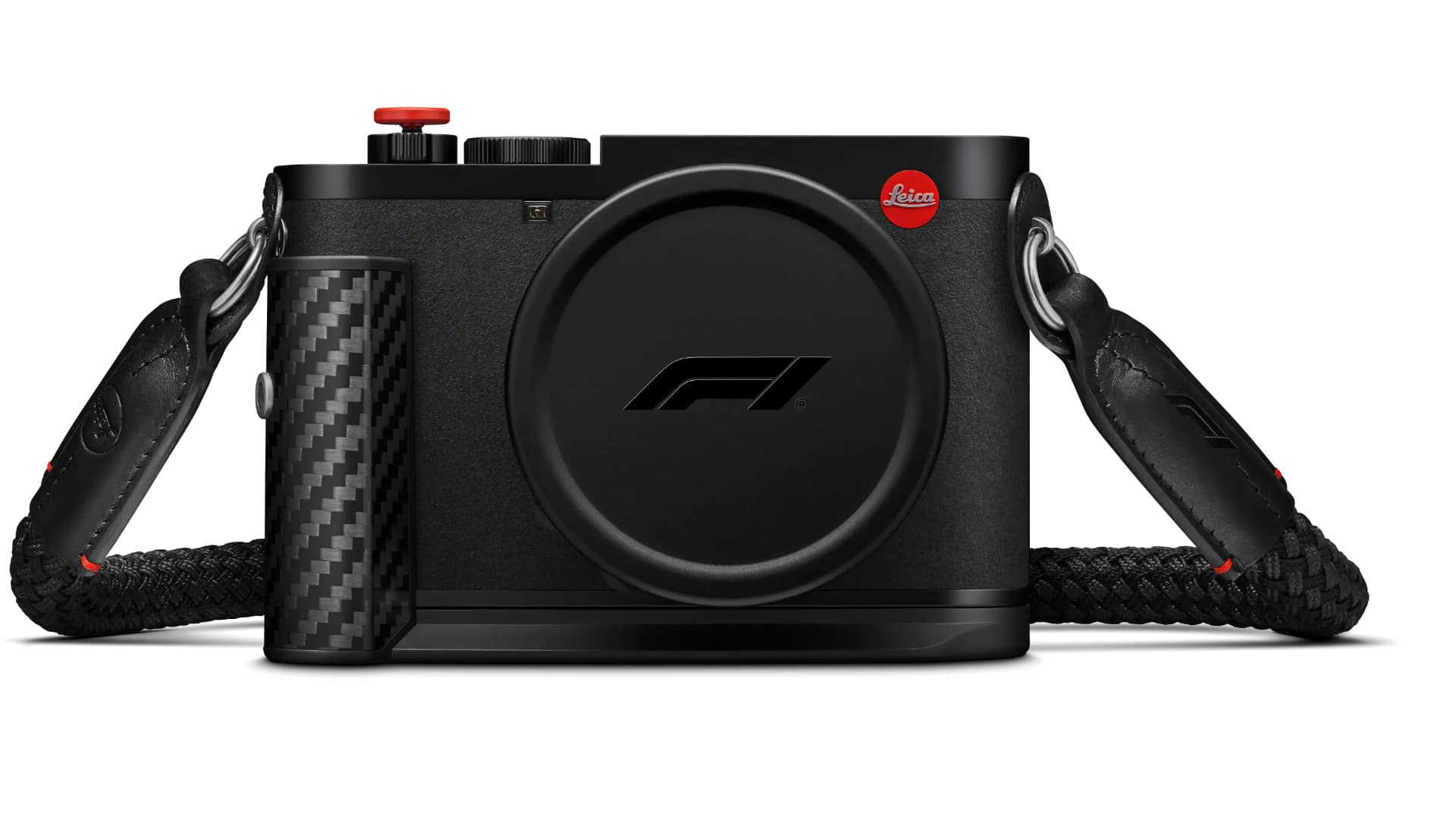
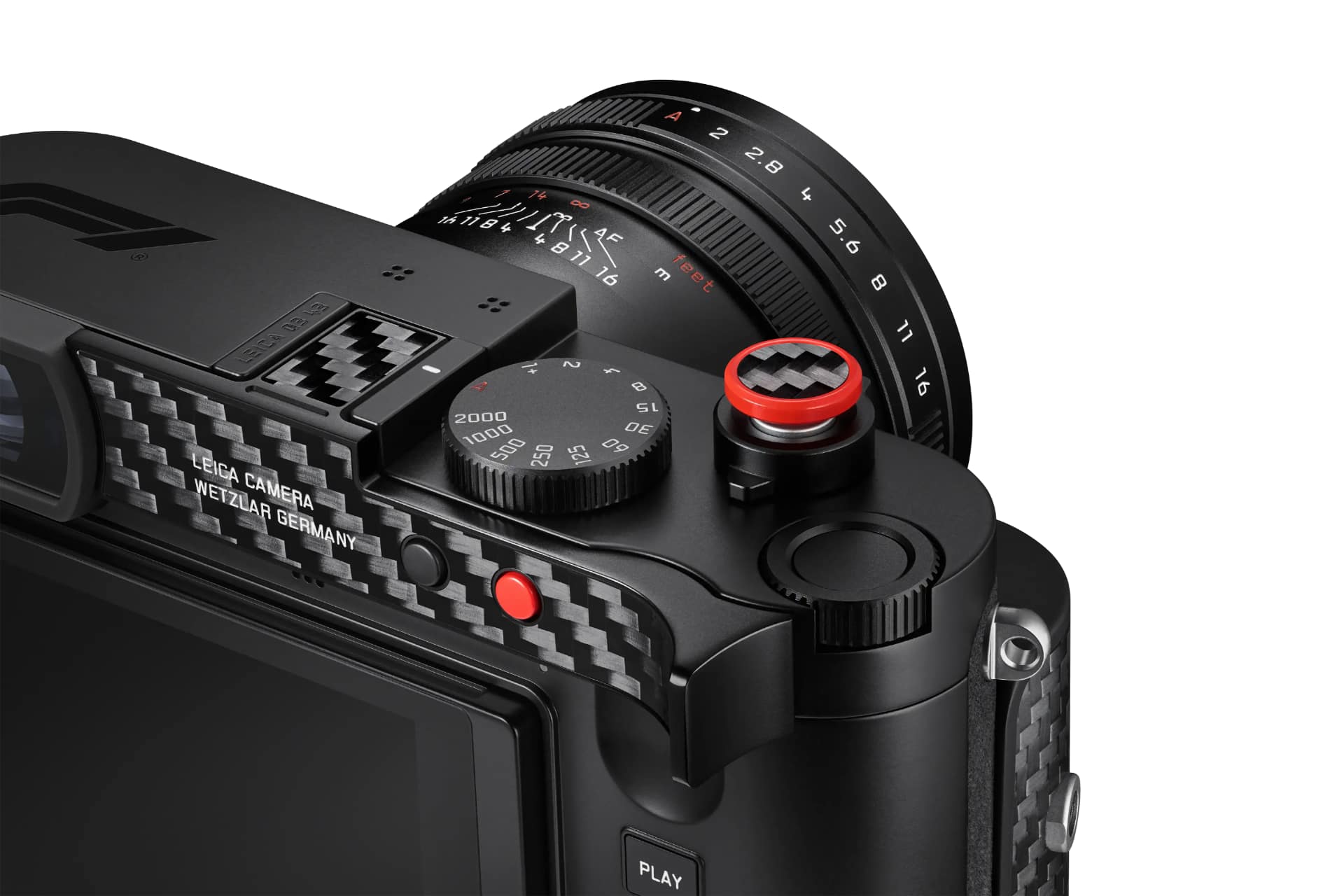
The exterior is adorned with handcrafted carbon fiber components, meticulously manufactured in Germany. These elements extend to the hand grip, the thumb rest, and the soft-release button, giving the camera a tactile connection to the materials found in the monocoques of the cars currently tearing up the track in Austin. The body is wrapped in a sophisticated black Microvelour, a departure from the traditional leatherette, offering a texture that is as premium as it is unique.
A nod to the sport’s identity is present in the "Formula 1 Red" accents found on the soft-release button and the right-hand function button. The top plate is professionally engraved with the official F1 logo, and the lens cap and accompanying rope strap further solidify the collaboration. Notably, the design team opted to avoid the polarizing F1 broadcast typography, choosing instead a more restrained and elegant aesthetic that aligns with Leica’s minimalist design language.
Chronology of a Collaboration
The road to this collaboration began with the realization that the "Leica look" and the visual drama of Formula 1 share a common language: contrast, precision, and speed.
- The Q3 43 Launch: The base Q3 43 was introduced to the market, quickly becoming the gold standard for fixed-lens, full-frame cameras. Its 43mm focal length—a "natural" eye-view lens—set it apart from the 28mm and 35mm predecessors.
- The F1 Expansion: With the US Grand Prix serving as the centerpiece for F1’s American growth, the decision was made to link the Q3 43 with the sport’s branding during the peak of the autumn racing season.
- Product Development: Engineers at Wetzlar, Germany, worked to integrate the carbon fiber elements without compromising the camera’s structural integrity or weight balance.
- The Unveiling: The camera was officially launched in conjunction with the lead-up to the Austin race, creating a buzz among collectors who were already tracking the release of the base Q3 43.
Supporting Data: The Engine Room
While the exterior is all about racing pedigree, the interior remains a masterpiece of digital imaging. The technical specifications of the Leica Q3 43 Formula 1 Edition are identical to the standard model, which is to say, they are cutting-edge.
Sensor and Processor Performance
The heart of the system is a 60-megapixel CMOS full-frame sensor. This sensor is incredibly versatile, allowing photographers to shoot at 60, 36, or 18 megapixels in either JPEG or DNG formats, all while utilizing the entire surface of the sensor. This flexibility is essential for street and travel photography, where lighting conditions and subject matter can change in an instant.
The processing is handled by the Maestro IV processor, supported by L² Technology. This combination ensures a snappy user experience, minimal shutter lag, and the ability to process high-bitrate video, including 8K recording. With an ISO range spanning 50 to 100,000, the camera is capable of capturing usable images in almost any lighting scenario, from the bright, sun-drenched pit lanes of Texas to the dim, moody interiors of a hospitality suite.
The APO-Summicron Advantage
The lens is arguably the most impressive part of the package: the Leica APO-Summicron 43 f/2 ASPH. Featuring seven aspherical surfaces, the lens is engineered to eliminate chromatic aberration, resulting in images that are sharp from corner to corner.
- Macro Capability: The lens offers a macro mode, allowing for a focus range as close as 26.5 cm (10.4 in), perfect for capturing intricate mechanical details of racing machinery.
- Autofocus: The hybrid system—combining contrast measurement, depth mapping, and phase detection—ensures that fast-moving subjects are tracked with remarkable accuracy.
Official Responses and Strategic Vision
Leica’s leadership has framed this edition as a tribute to the "speed and emotion" of the sport. In official communications, the company highlighted the "Formula 1 Leica Look," a bespoke image profile developed exclusively for this model.
"The Leica Q3 43 Formula 1 Edition is not just a tool for documentation," a Leica spokesperson noted. "It is an instrument designed to capture the intensity of the sport. By applying a specialized profile that emphasizes contrast and color saturation, we are enabling users to replicate the ‘mood’ of a race day in their still photography."
This profile can be easily transferred to the camera via the Leica FOTOS app, ensuring that users can toggle between the high-drama F1 look and more natural, neutral color profiles at will.
Implications: A New Era of Luxury Marketing
The $9,950 price tag—a $2,000 premium over the standard Q3 43—is a statement in itself. In the world of high-end consumer goods, this price point serves a specific function: it signals exclusivity.
The "Veblen" Effect
Economically, the Leica Q3 43 F1 Edition functions as a Veblen good. As the price rises, the desirability among a certain demographic increases. By tying the camera to the prestige of Formula 1, Leica is not just selling a camera; they are selling a ticket to an elite club. For the collector, the value lies in the rarity, the branding, and the tactile experience of the carbon fiber components.
Impact on the Market
This release signals a broader trend in the photography industry. As smartphone cameras continue to cannibalize the entry-level and mid-range market, traditional camera manufacturers are increasingly turning to the luxury, lifestyle-oriented market to sustain growth. By partnering with non-photographic luxury brands, companies like Leica are insulating themselves from the commoditization of digital imaging.
The Future of Collaboration
Will we see more of these? Almost certainly. As F1 continues to blend sports with entertainment and high-fashion, the opportunity for luxury tech partnerships will only grow. If the reaction to the Q3 43 F1 Edition is positive, it is likely that we will see further "racetrack-inspired" collaborations in the future, perhaps extending to Leica’s M-system cameras or even high-end optics like binoculars.
Final Reflections
For the professional photographer, the Leica Q3 43 Formula 1 Edition is an indulgence. For the F1 fan, it is the ultimate trophy. The camera succeeds because it does not compromise the fundamental performance of the Q3 43—a camera already widely regarded as the best of its class—while adding a layer of material sophistication that resonates with the ethos of modern motorsport.
As the grid forms in Austin and the lights prepare to go out, those holding this limited-edition camera will find themselves in a unique position: capturing the fastest sport on earth with a tool that is as deliberate, precise, and meticulously crafted as the cars they are photographing. It is, in every sense of the word, a high-octane piece of optical engineering. Whether or not it is "worth" the $2,000 markup is a question only the market can answer, but for the discerning collector, the marriage of carbon fiber and glass is a finish line worth crossing.
