
Beyond the Ward: The Enduring Cultural Legacy and Streaming Landscape of Milos Forman’s One Flew Over the Cuckoo’s Nest
Introduction: A Cinematic Landmark in the Digital Age
Decades after its initial theatrical release, Milos Forman’s 1975 masterpiece One Flew Over the Cuckoo’s Nest remains a towering achievement in American cinema. Adapted from Ken Kesey’s 1962 countercultural novel of the same name, the film captured a raw, anti-authoritarian zeitgeist that resonated deeply with audiences recovering from the social upheavals of the Vietnam War and the Watergate scandal. Today, as film enthusiasts and casual viewers alike search for where to stream One Flew Over the Cuckoo’s Nest, the picture’s cultural footprint is as distinct as ever.
As streaming platforms continually curate their libraries with classic Hollywood touchstones, understanding how to access this monumental work is vital for new generations of film lovers. Yet, beyond the logistics of digital availability lies a richer narrative: the story of how a gritty, independent-minded drama swept the Academy Awards, redefined character-driven storytelling, and left an indelible mark on mental health discourse in popular culture.
Main Facts: The Anatomy of a Masterpiece
To appreciate why One Flew Over the Cuckoo’s Nest continues to captivate audiences on home-viewing platforms, one must examine the core pillars of its production and reception.
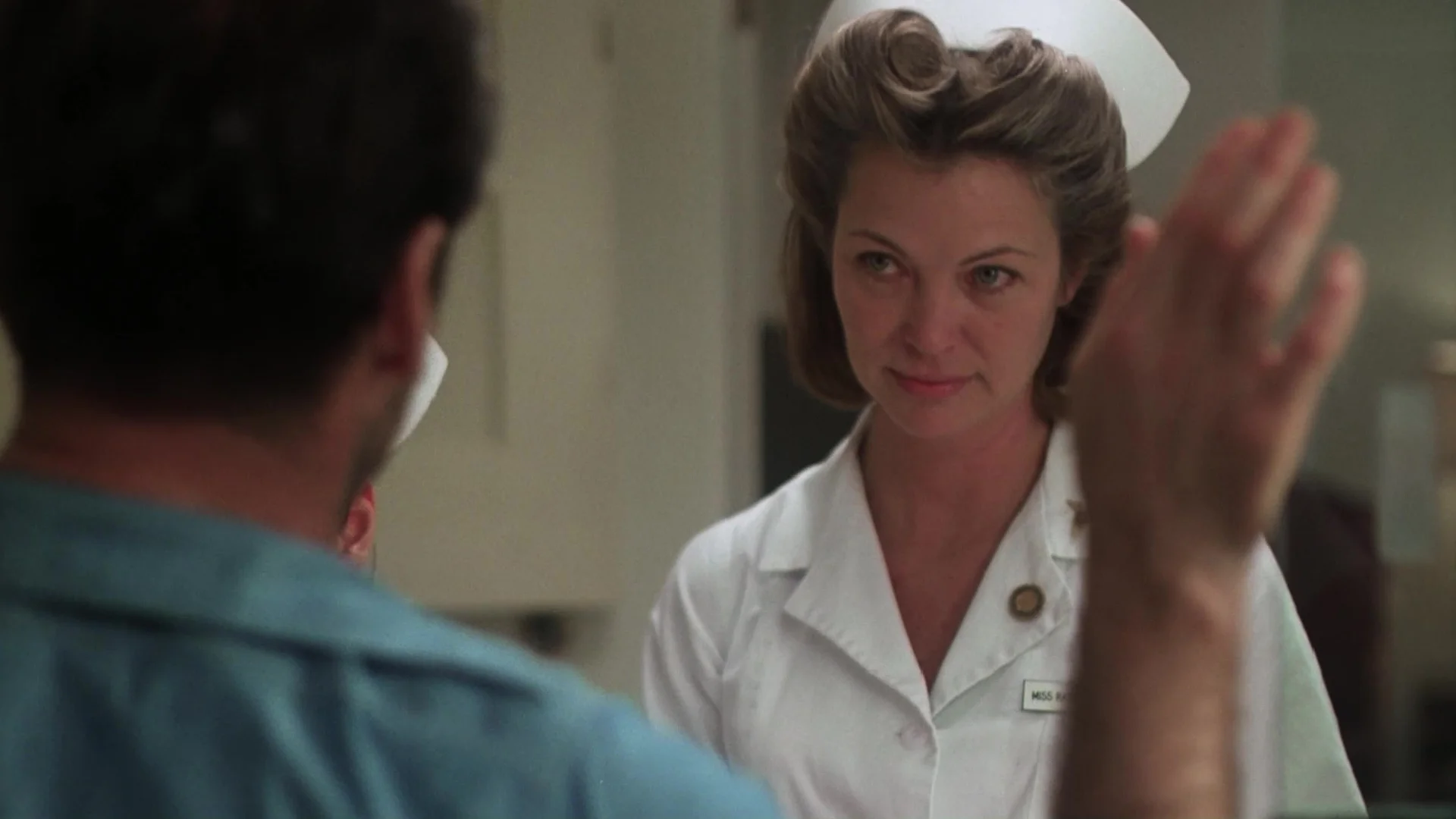
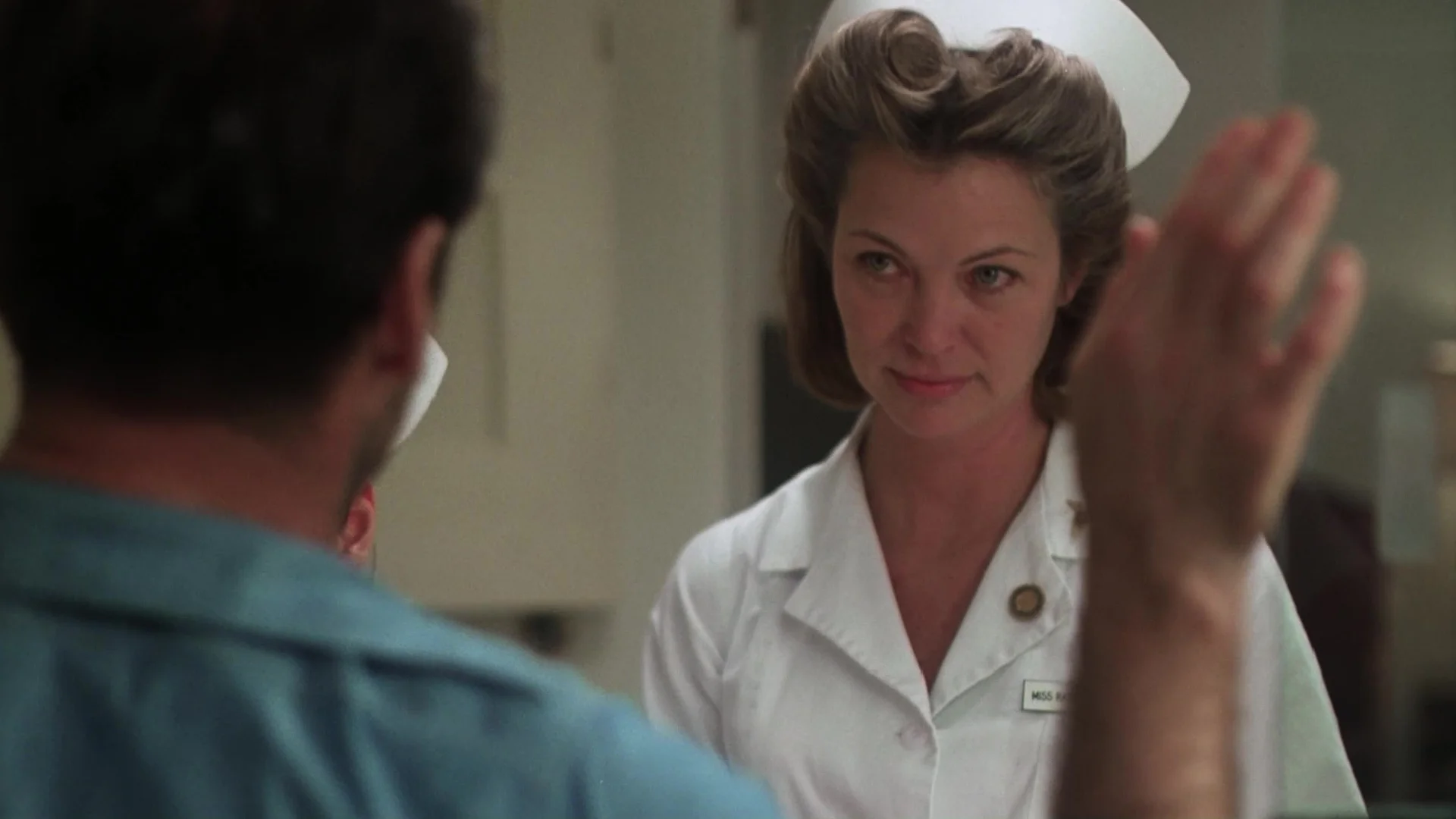
- The Premise: The story follows Randle Patrick McMurphy (played by Jack Nicholson), a boisterous, rebellious convict who pleads insanity to escape a harsh prison labor sentence. Transferred to a psychiatric ward, McMurphy expects an easy ride but soon clashes with the tyrannical, icy Nurse Ratched (played by Louise Fletcher), who rules the ward through passive-aggressive psychological control and rigid institutional discipline.
- The "Big Five" Sweep: The film achieved a rare cinematic feat by winning all five major Academy Awards—Best Picture, Best Actor (Jack Nicholson), Best Actress (Louise Fletcher), Best Director (Milos Forman), and Best Adapted Screenplay (Lawrence Hauben and Bo Goldman). It was only the second film in Oscar history to accomplish this feat, following It Happened One Night (1934) and later joined by The Silence of the Lambs (1991).
- The Production Team: Produced by Michael Douglas and Saul Zaentz, the film was shot on location at the Oregon State Hospital in Salem, lending an authentic, documentary-like grimness to the fictionalized ward.
Chronology: From Countercultural Page to Silver Screen Milestone
The journey of One Flew Over the Cuckoo’s Nest from page to screen is a testament to perseverance and artistic vision.
1962–1970: The Stage and the Struggle
Ken Kesey published his novel in 1962, drawing heavily on his experiences working as a night aide at a Veterans Administration hospital in Menlo Park, California. The book quickly became a bible for the counterculture movement, celebrating individual liberty against the crushing weight of the technocratic "Combine." Actor Kirk Douglas immediately saw its theatrical potential, purchasing the stage and film rights. Douglas starred as McMurphy in a 1963 Broadway adaptation written by Dale Wasserman. However, Douglas spent over a decade trying to mount a Hollywood film version, repeatedly facing studio rejection due to the dark, uncompromising nature of the material.
1971–1974: Passing the Torch and Finding the Director
As Kirk Douglas aged out of the role, he handed the cinematic torch to his son, Michael Douglas. Recognizing that a fresh cinematic approach was needed, Michael Douglas teamed up with producer Saul Zaentz. They hired Czech émigré director Milos Forman, whose European sensibilities and absurdist tragicomic vision—demonstrated in films like Loves of a Blonde and The Firemen’s Ball—made him uniquely qualified to capture the dehumanizing absurdity of institutional life.
1975: Principal Photography and Release
Filming took place in the winter of 1974 inside the operational Oregon State Hospital. Forman made the radical decision to have his actors stay on the ward for extended periods to interact with real psychiatric patients, fostering a raw, ensemble-driven atmosphere. Upon its release in November 1975, the film became a massive box-office phenomenon, grossing over $109 million domestically on a modest budget of $4.4 million and staying in theaters for months.
Supporting Data: Box Office, Accolades, and Cultural Reach
The quantifiable success of One Flew Over the Cuckoo’s Nest underscores its status as a commercial juggernaut disguised as an art-house drama.

| Category | Data / Metric |
|---|---|
| Box Office Gross | ~$108.9 million (Domestic); one of the highest-grossing films of the 1970s. |
| Production Budget | $4.4 million |
| Academy Award Nominations | 9 nominations |
| Academy Award Wins | 5 wins (Best Picture, Director, Actor, Actress, Adapted Screenplay) |
| AFI Ranking | Ranked #33 on the American Film Institute’s 100 Years…100 Movies (10th Anniversary Edition) list. |
Beyond monetary metrics, the film’s presence in contemporary streaming ecosystems reveals sustained viewer interest. Search queries regarding where to stream One Flew Over the Cuckoo’s Nest spike regularly during retrospective film seasons, academic syllabus updates, and classic movie revivals, proving that physical-to-digital migration has only expanded its audience.
Official Responses and Industry Reception
Upon its release, One Flew Over the Cuckoo’s Nest was met with widespread critical acclaim, though it also ignited fierce debate regarding its depiction of psychiatric treatment.
Prominent film critics of the era lauded Forman’s direction and the fearless performances of the cast. Pauline Kael of The New Yorker praised the film’s vibrant energy and its ability to balance harrowing drama with dark humor. Roger Ebert gave the film four stars, writing, "Milos Forman’s One Flew Over the Cuckoo’s Nest is a movie that takes a big risk… it tries to form a tragicomedy out of the grim realities of life in a mental institution."
However, the medical and psychiatric communities offered mixed official responses. While some professionals commended the film for exposing the inhumane conditions and overuse of lobotomies and electroconvulsive therapy characteristic of mid-20th-century asylums, others argued that it painted institutional psychiatry with an overly broad, malevolent brush. Nurse Ratched, in particular, became a cultural shorthand for bureaucratic sadism, prompting debates among healthcare professionals about how media representations influence public trust in medical institutions.

Implications: The Enduring Legacy in the Streaming Era
As viewers today navigate the fragmented landscape of modern streaming platforms to watch One Flew Over the Cuckoo’s Nest, the film’s broader implications for society and the entertainment industry remain profound.
1. The Democratization of Classic Cinema
The modern quest to find where to stream historical milestones highlights a shift in how audiences consume culture. Platforms that host libraries of curated classics—such as the American Film Institute’s recommended viewing lists—act as digital archives. They ensure that foundational texts of cinematic history are not lost to physical degradation or generational amnesia.
2. Evolving Discussions on Mental Health
Revisiting the film in the 21st century invites a more nuanced conversation about mental health representation. While modern audiences may view the hospital’s methods through a more critical lens informed by contemporary psychology, the underlying themes of autonomy, dignity, and the human need for connection remain timeless. McMurphy’s chaotic rebellion against a sterile system serves as a perpetual reminder of the dangers of institutional overreach.
3. A Masterclass in Ensemble Acting
Finally, the film serves as an ongoing masterclass for aspiring actors and filmmakers. The supporting cast—featuring breakout performances from Will Sampson, Christopher Lloyd, Brad Dourif, and Danny DeVito—demonstrates the power of deeply realized character work. Each patient in the ward is painted with distinct humanity, ensuring that the film transcends a simple binary of good versus evil.

In conclusion, whether discovered on a high-definition streaming service or revisited by lifelong cinephiles, One Flew Over the Cuckoo’s Nest endures as a triumph of American independent filmmaking. Its journey from a controversial literary adaptation to a celebrated digital streaming staple proves that powerful storytelling about the human spirit will always find a way to break through the ward doors.
