The Visceral Canvas: Inside María Cristina Pérez González’s Oscar-Contending Short Once in a Body
As the race for the 99th Academy Awards heats up, the spotlight on independent and international animation shines brighter than ever. Among the standout contenders making waves in the animated shorts category is Once in a Body (Una vez en un cuerpo), a poignant Colombian-American co-production directed by María Cristina Pérez González. Produced by Pez Dorado Animaciones and Cartuna, the hand-painted short has captivated festival juries and audiences alike, securing its Oscar qualification by winning the Best U.S. Latino Animated Short award at the 2026 Los Angeles Latino International Film Festival (LALIFF).
Through a striking blend of tactile brushwork, fluid morphing imagery, and deeply personal storytelling, Pérez González has crafted a cinematic meditation on identity, memory, and the physical manifestation of psychological trauma.
Main Facts: A Visceral Exploration of Womanhood and Memory
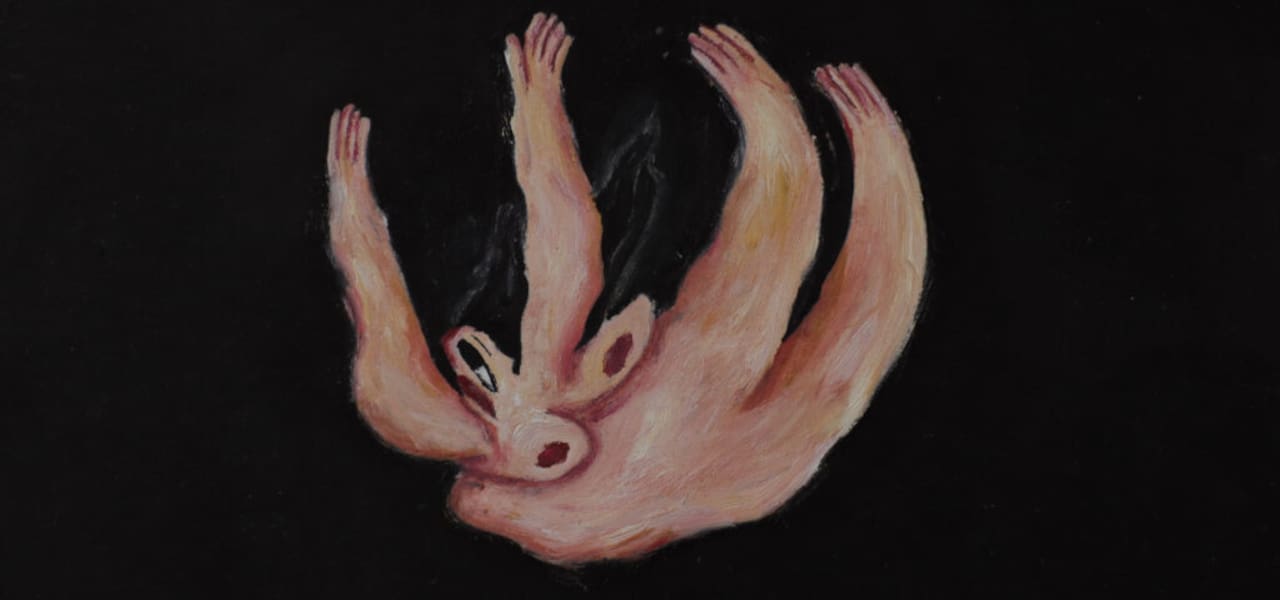
At its core, Once in a Body tells the surreal and deeply emotional story of a woman carrying a mysterious, sentient being inside her. To understand the origin of this strange entity and find inner peace, she must confront her estranged sister and reconcile with a haunting incident from their adolescence. As their shared history resurfaces through the physical vessel of the body, the protagonist inches closer to unraveling the truth of what inhabits her.
The film is built on several foundational pillars:
Director: María Cristina Pérez González
Producers: Pez Dorado Animaciones (Colombia) and Cartuna (USA)
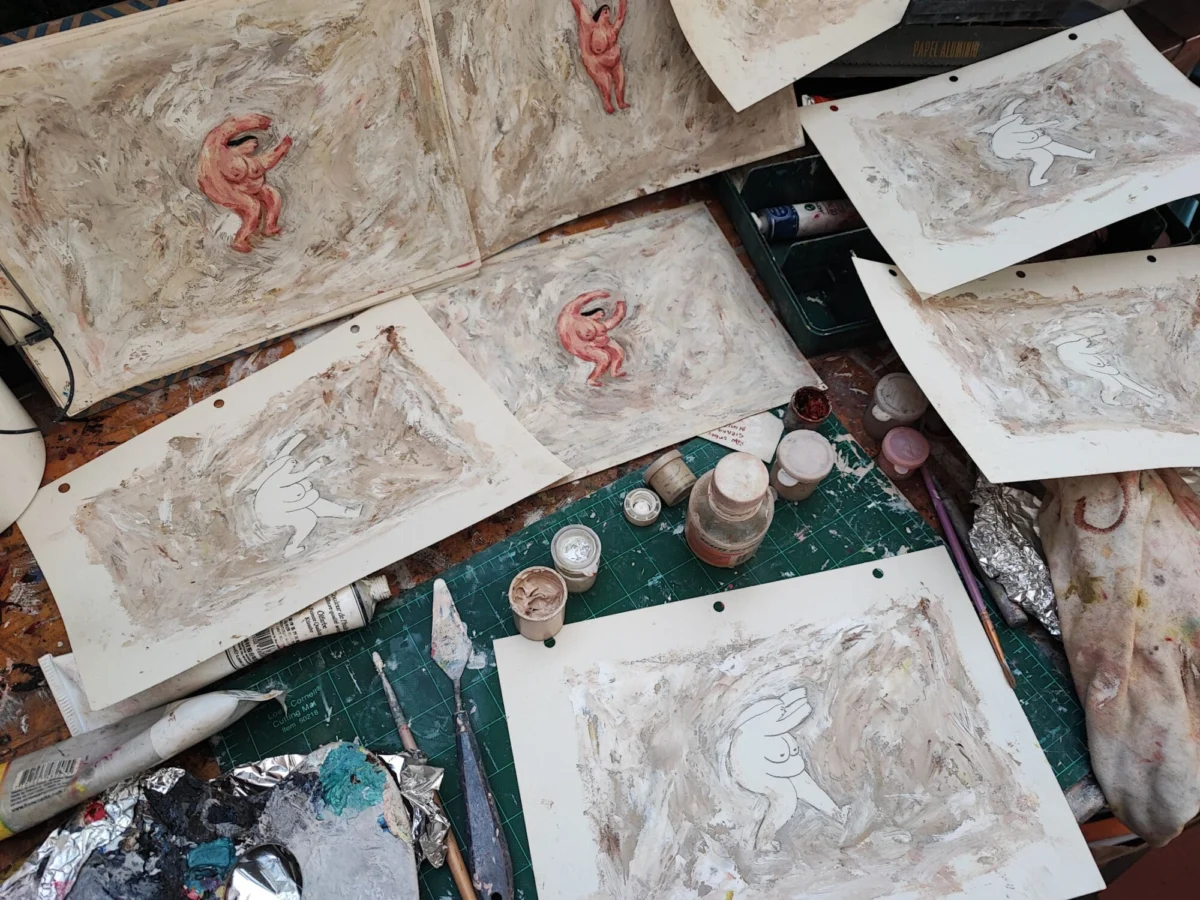
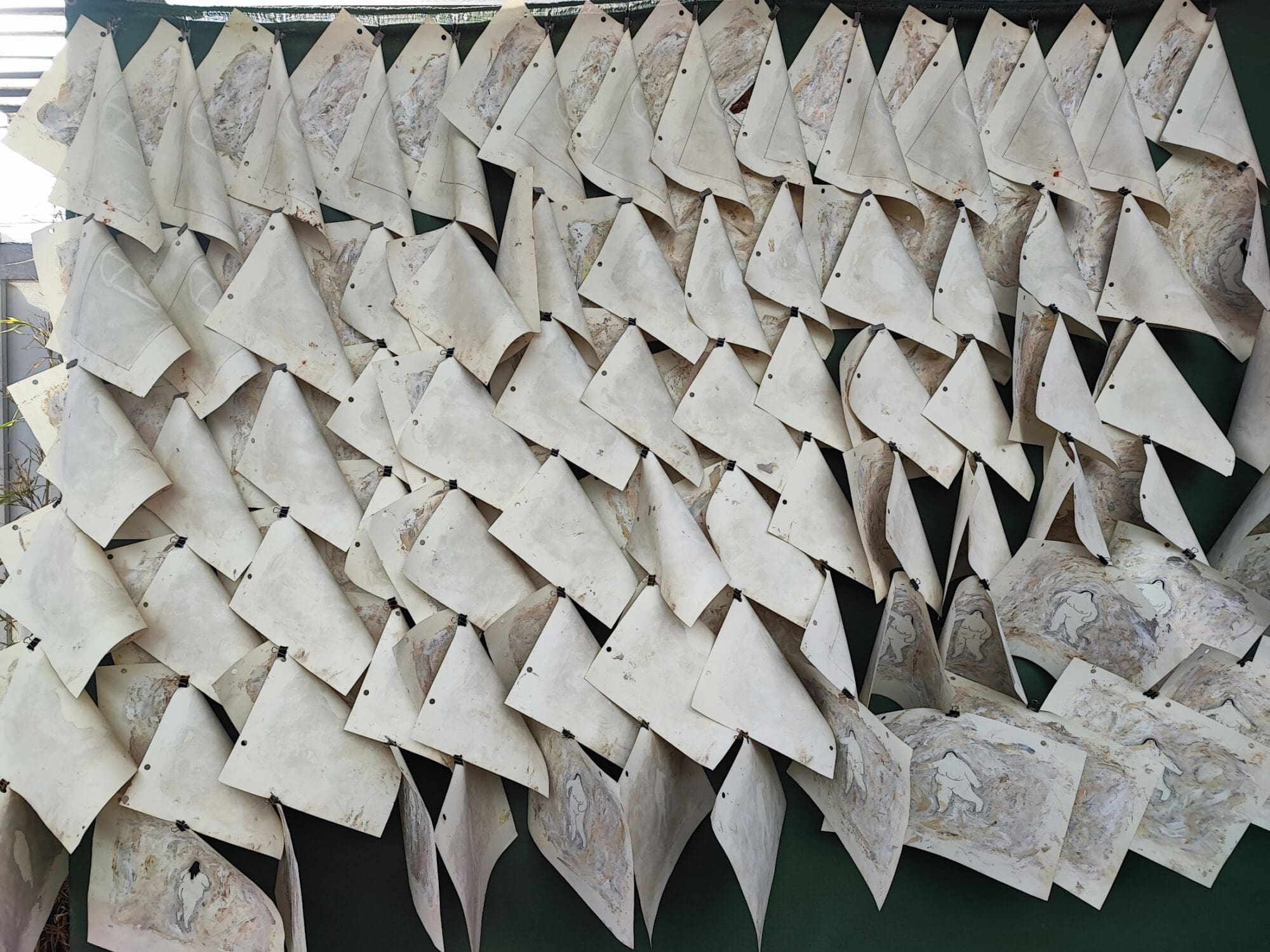
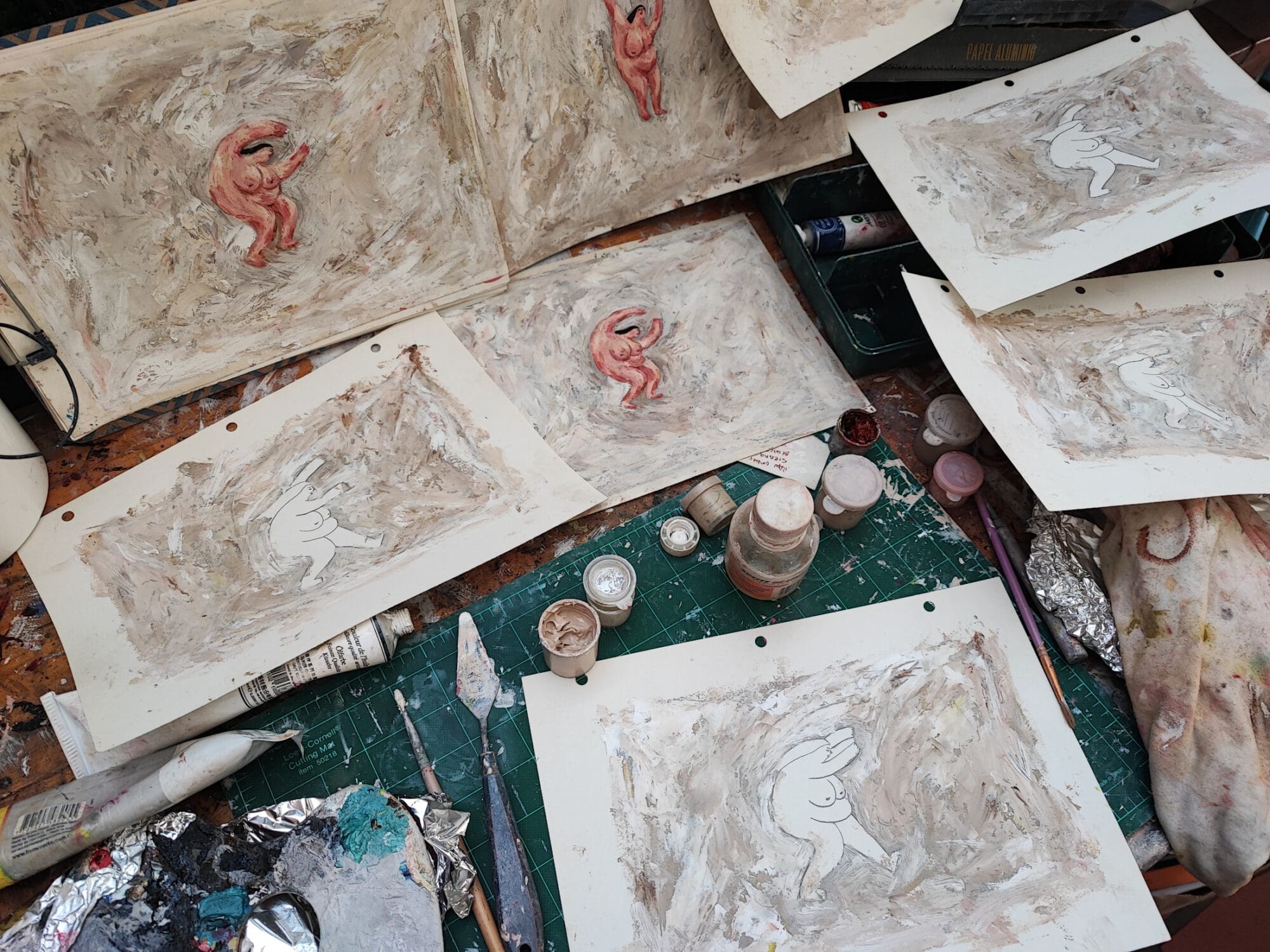
Medium: Hand-painted 2D animation on paper (utilizing watercolor, gouache, and oil paint)
Qualifying Honor: Best U.S. Latino Animated Short at the 2026 Los Angeles Latino International Film Festival (LALIFF)
Thematic Core: The intersection of female bodily experience, societal scrutiny, memory, and interpersonal trauma.
Unlike traditional digital workflows, Once in a Body leans heavily into the physical irregularities of traditional media. The thick impasto of oil paints, the raw texture of paper, and the constant transformation of shapes mirror the unstable, shifting nature of human memory and bodily perception.
Chronology: From Childhood Observations to the Oscar Stage
The genesis of Once in a Body stretches back years, rooted in the lived experiences and observations of its director during her formative years in Colombia.
1. Formative Years and Conceptualization
Growing up in an environment where coming of age as a young woman brought unique societal pressures and intense physical scrutiny, Pérez González began internalizing the ways in which women’s bodies are continuously monitored by the external world. These childhood and teenage observations planted the seeds for an allegorical narrative that would eventually mature into her most ambitious directorial project to date.
2. Production and Collaborative Shift
Historically, Pérez González worked as a solitary animator or alongside exceedingly minimal crews on her previous directorial outings. Once in a Body, however, marked a major production pivot. She enlisted a vibrant team of young artists, illustrators, and traditional painters—some of whom had never touched animation software or paper-based production cells before.
This collaborative crucible transformed the studio environment. Translating abstract psychological concepts into concrete, paint-and-paper instruction required rigorous communication, yet it infused the project with a collective emotional resonance. Each artist brought unique brushstrokes and visual sensibilities to the canvas, expanding the texture of the film far beyond a singular artistic vision.
3. Festival Circuit and Oscar Qualification
Upon completion, Once in a Body entered the international film festival circuit, where its technical mastery and emotionally raw subject matter immediately turned heads. Its breakthrough moment came at the Los Angeles Latino International Film Festival (LALIFF) in 2026, where it claimed the prestigious Best U.S. Latino Animated Short prize. This victory officially qualified the film for consideration in the Best Animated Short Film category at the 2027 Academy Awards, propelling Pérez González’s indie-spirited project onto the global cinematic stage.
Supporting Data: The Craft and Technique Behind the Canvas
The visual language of Once in a Body is inseparable from its thematic weight. To understand the film’s impact, one must examine the meticulous craftsmanship and artistic philosophy driving its production.
Materiality as Metaphor
Pérez González deliberately rejected clean, digital vector lines in favor of organic, highly tactile mediums. Utilizing watercolor, gouache, and oil paint on paper, she prioritized the "weight and presence of the trace."
The Brushstroke: Irregularities, thick dollops of pigment, and visible textures are left intentionally unpolished.
Color Shifting: Palettes bleed and transform dynamically to signify emotional volatility.
Imperfection: The deliberate embrace of flaws serves as a visual metaphor for human vulnerability.
While past works relied on single-artist pipelines, Once in a Body scaled up to harness the diverse interpretations of a specialized painting crew. This shift allowed for a richer density of frame-by-frame metamorphosis, where characters and environments dissolve into one another seamlessly, mimicking the porous boundaries between personal memory and physical reality.
Official Responses: In the Director’s Own Words
In an exclusive interview with Cartoon Brew, María Cristina Pérez González opened up about the deep personal motivations, creative challenges, and philosophical underpinnings that shaped Once in a Body.
When asked what compelled her to direct the film, Pérez González explained that the narrative grew directly out of her environment:
"The film is inspired by stories I heard or witnessed from people close to me during my childhood and teenage years, growing up in a place where coming of age as a woman can be difficult… Through an allegorical and visual language, I wanted to explore how social dynamics shape the way we perceive our bodies, how society’s gaze influences how we see ourselves, and how this affects our relationship with ourselves and others."
Addressing the challenges of managing a larger artistic team for the first time, she noted:
"In my previous projects, I worked on the animation almost entirely on my own or with a very small team. This time, I worked with a wonderful team of young artists… It was a challenge, because translating what you imagine into something concrete and clear enough for others to understand and bring to life can be very different. I also learned that the act of creating is itself alive, constantly transforming and adapting."
Pérez González also elaborated on why memory must be anchored in the flesh rather than treated as a purely cognitive phenomenon:
"I was interested in exploring how the body carries the memory of the experiences we go through… As a woman, I am aware that, for women, this relationship with the body is especially complex and defining. Marks, scars, and changes in our bodies can become milestones in our personal histories, just as memories and trauma leave traces in our minds. In a way, the mind and the body exist in the same territory: the body."
Implications: What Once in a Body Means for the Future of Independent Animation
As Once in a Body advances toward the 2027 Academy Awards consideration window, its journey carries several broader implications for the global animation industry:
The Resurgence of Tactile Storytelling: In an era dominated by hyper-polished 3D computer graphics and generative AI experiments, films like Pérez González’s serve as a vital reminder of the irreplaceable emotional power of physical media. The labor-intensive, hand-painted tradition continues to prove that human imperfection on paper communicates empathy more effectively than algorithmic precision.
Amplifying Latin American and U.S. Latino Voices: Winning accolades at major festivals like LALIFF highlights the growing commercial and critical appetite for culturally rooted, independent Latin American animation. By tackling complex socio-cultural themes surrounding womanhood, the film expands the thematic boundaries of what animated shorts are permitted to explore.
Redefining Oscar Contenders: The Academy’s short film branch has increasingly favored daring, artistic, and culturally specific storytelling over mainstream formulas. Once in a Body positions itself as a strong contender not merely because of its technical execution, but because it treats animation as a high-art medium capable of dissecting heavy psychological and sociological truths.
As audiences await the final Oscar shortlists, Once in a Body stands tall as a masterclass in independent filmmaking—proving that when paint meets paper under the guidance of a visionary director, the human soul can be laid bare one brushstroke at a time.