
The Last Picture Show: The Impending Closure of AMC Kips Bay 15 and the Battle for Community Identity
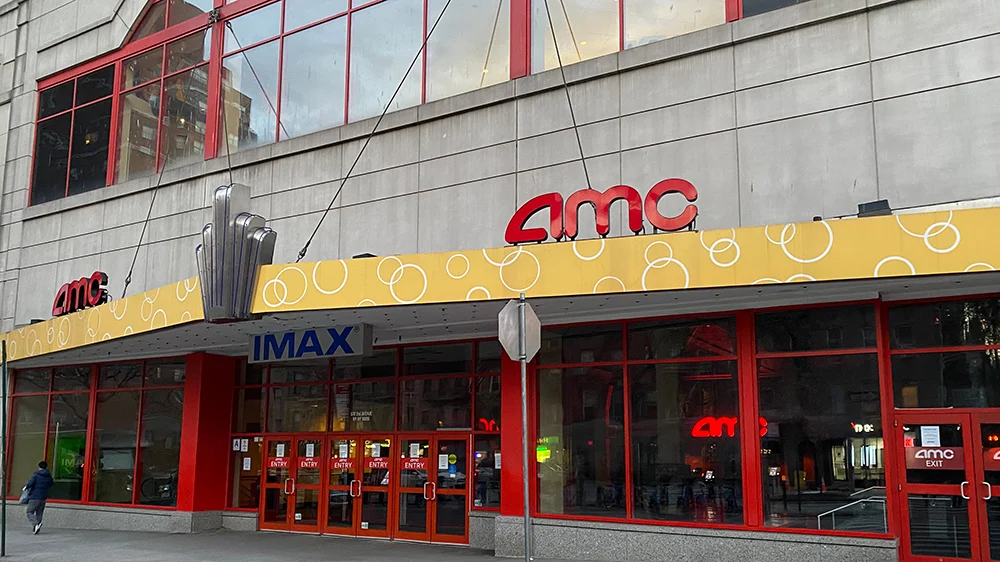
For over a quarter-century, the AMC Kips Bay 15 has stood as more than just a cinema; it has served as a cultural anchor for Manhattan’s East Side. However, as the calendar inches toward January 3, 2026, the theater faces an existential threat that has mobilized local residents, sparked political debate, and drawn a sharp, public rebuke from the highest levels of the corporate world.
AMC Entertainment CEO Adam Aron has officially confirmed that the beloved multiplex will cease operations in early January, citing an involuntary lease termination driven by the expansion plans of the neighboring NYU Langone Health. Despite high attendance figures and vocal community opposition, the theater’s fate appears to be sealed by the cold realities of real estate acquisition and institutional growth.
The Chronology of a Neighborhood Institution
The AMC Kips Bay 15 opened its doors on May 14, 1999, quickly establishing itself as a premier destination for film lovers in the heart of Manhattan. Spanning 570 Second Avenue, the location became a cornerstone of the neighborhood’s social fabric. AMC assumed operation of the multiplex in 2006, and it subsequently blossomed into the chain’s second-largest location in New York City, surpassed only by the flagship Empire 25 in Times Square.
The path to the current crisis began to clear in August 2026, when reports surfaced that the theater’s long-term future was in jeopardy. The catalyst was a massive development project proposed by NYU Langone Health, which has sought to consolidate and expand its medical footprint in the area. As the hospital system moved to acquire the building—which also houses a Fairway supermarket and a bank—the current landlord issued a lease termination notice to AMC, effectively putting a deadline on the cinema’s tenure.
By September 2026, the news had ignited a firestorm of local activism. Residents, dismayed by the loss of a vital community hub, organized protests outside the theater, calling on stakeholders to find a middle ground. Despite these efforts, the legal and financial machinery behind the acquisition continued to churn, leading to the formal confirmation of the January 3 closure date.
By the Numbers: Why Kips Bay Matters
The closure is particularly baffling to many, given that the theater is not a struggling asset. On the contrary, it has remained a powerhouse of the industry. CEO Adam Aron highlighted the theater’s robust performance in his recent open letter to the community, noting that on several occasions during the record-breaking summer of 2026—a season that saw a cumulative $4.67 billion in domestic box office revenue—the Kips Bay location ranked among the top 10 most attended theaters out of AMC’s entire fleet of 500+ national locations.
This success is set against the backdrop of a booming theatrical industry. With blockbusters like Spider-Man: Brand New Day, The Odyssey, and Toy Story 5 driving audiences back to the silver screen, the demand for local cinema is at a multi-year high. Upcoming tentpoles, including Avengers: Doomsday and Dune: Part III, suggest that the appetite for the big-screen experience in Manhattan is far from waning. For the Kips Bay community, the irony of losing a top-performing, high-traffic theater at the peak of a box-office renaissance is a bitter pill to swallow.
The Battle of Wills: AMC’s Proposed Alternatives
In an effort to stave off the closure, AMC leadership claims to have engaged in a series of negotiations with NYU Langone Health. Adam Aron’s public statement painted a picture of a company willing to compromise, only to be met with what he described as "closed minds."
"AMC Theatres does not want to go," Aron wrote. "We have engaged with NYU Langone, suggesting any number of alternatives—including that it enlarge the current low-rise building to satisfy its desires for a growth of its medical facility but also leaving a theatre in place for you."
AMC proposed a variety of creative solutions, including the possibility of downsizing the theater footprint to allow for a hybrid space that could accommodate both a smaller, boutique cinema experience and the expanded medical facilities required by the hospital. According to Aron, these proposals were intended to prove that the two entities could exist in harmony, serving the dual needs of the community: world-class medical care and essential entertainment.
However, the lack of reciprocation from the medical facility has left AMC with no legal recourse. Because the building owner has already initiated the transition of the property to NYU Langone, AMC’s contractual rights have been extinguished, leaving the chain with no leverage to remain on the premises beyond the start of the new year.
Official Responses and Political Advocacy
The fight to save the Kips Bay 15 has transcended neighborhood sentiment, drawing in high-level political advocacy. Manhattan Borough President Brad Hoylman-Sigal and New York State Assembly Member Keith Powers have been at the forefront of the effort to mediate the dispute.
Both officials have utilized their platforms to emphasize the importance of the theater as a "cultural icon" and an "entertainment lifeline." Their advocacy underscores a growing anxiety among New York City residents regarding the rapid transformation of the urban landscape. As large institutions expand, local landmarks are increasingly viewed as expendable real estate rather than community assets.
In his letter, Aron expressed deep gratitude to these officials, stating, "Reinforcing and speaking for the local community’s clear desire, they have energetically brought attention to the importance of keeping an AMC movie theatre open and operating in Kips Bay." Despite this political pressure, the hospital system has yet to publicly shift its stance or engage in the "out-of-the-box" thinking that Aron and his team have advocated for.
Implications for Urban Development and Culture
The closure of the Kips Bay 15 serves as a microcosm for a larger, ongoing conflict in major metropolitan areas: the collision between institutional development and neighborhood character. As medical facilities, universities, and corporate headquarters grow, they often absorb the very spaces that provide social cohesion to a community.
While the expansion of healthcare services is undeniably a net positive for a city, critics argue that such growth should not come at the expense of established cultural hubs. The loss of the theater represents more than just a reduction in the number of available screens; it represents the loss of a gathering space where neighbors have shared stories, experiences, and community life for nearly three decades.
The situation also raises questions about urban planning and the role of "goodwill" in real estate development. Aron’s invocation of the 1640 proverb, "Where there is a will, there is a way," serves as a poignant reminder that development decisions are rarely purely financial; they are also a matter of priorities. By refusing to explore hybrid models, stakeholders in the Kips Bay development are signaling that the expansion of physical infrastructure takes precedence over the preservation of communal cultural spaces.
A Final Sunset in January
As the community prepares for the final curtain call on January 3, the mood among local moviegoers is one of resignation mixed with frustration. For the employees who have worked tirelessly to keep the theater operating at a high standard, the closure is a blow to their livelihood and the professional community they have cultivated.
The theater will continue to screen major films through the holiday season, offering the neighborhood a final chance to visit the venue that has been a staple of their lives since 1999. Whether this period of reflection will spur a last-minute reversal from the developers remains unlikely, given the legal finality of the lease termination.
For now, the story of the AMC Kips Bay 15 stands as a testament to the fragility of urban institutions. It is a cautionary tale for other neighborhoods where, despite high demand and immense community support, the forces of expansion can quickly and quietly erase the landmarks that give a neighborhood its soul. Adam Aron’s final question to NYU Langone Health—"What say you?"—may go unanswered, but the conversation it has sparked regarding the future of New York’s cultural infrastructure is likely to persist long after the lights are turned off on Second Avenue.
