
Beyond the Lens: How ‘You Can See Everything’ and ‘The Testament of Ann Lee’ Are Redefining Modern Cinema
Warning: This article contains extensive spoilers for the A24 documentary "You Can See Everything" and the 2025 feature film "The Testament of Ann Lee."
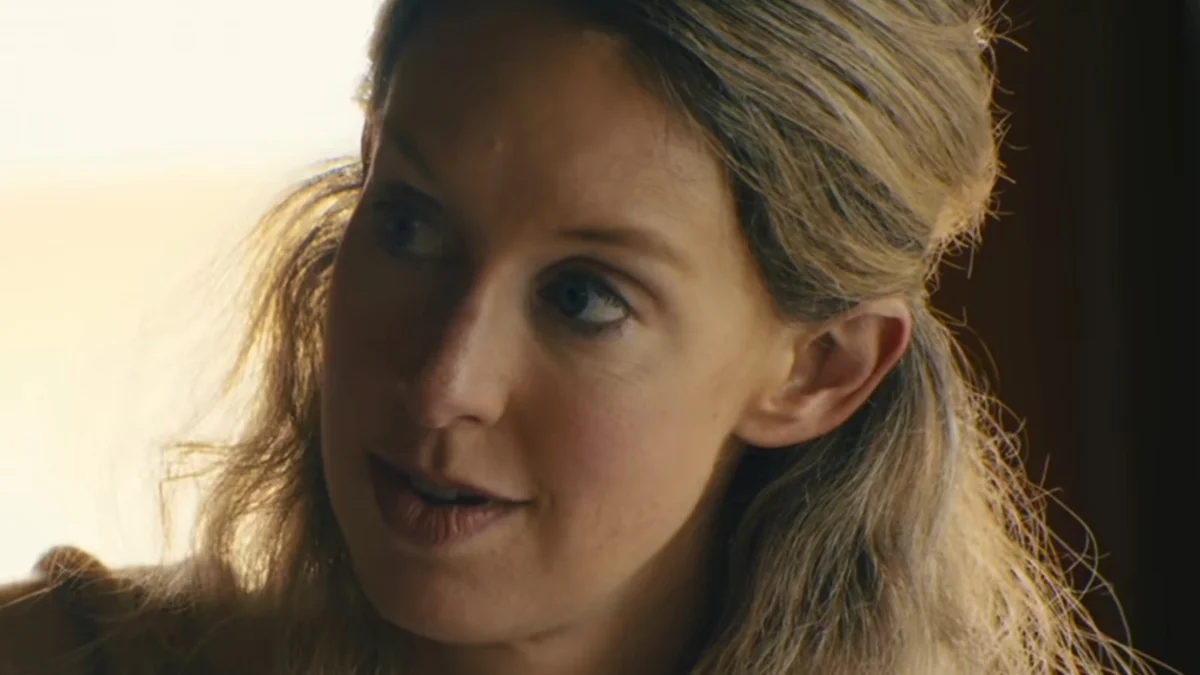
In the landscape of modern non-fiction filmmaking, few projects have generated as much discourse—and as much structural confusion—as Lance Oppenheim and Nathan Fielder’s A24 documentary, You Can See Everything. What begins as a conventional, albeit chilling, profile of disgraced Theranos founder Elizabeth Holmes on the eve of her incarceration, quickly devolves into a meta-textual exploration of truth, performance, and the ethics of the documentary form. However, the film’s most provocative element is not its subject, but its unexpected pivot halfway through its runtime, a shift that bridges the gap between true-crime scrutiny and the artistic sensibilities of 2025’s most under-discussed masterpiece: The Testament of Ann Lee.
The Anatomy of a Deconstruction: The Two Faces of ‘You Can See Everything’
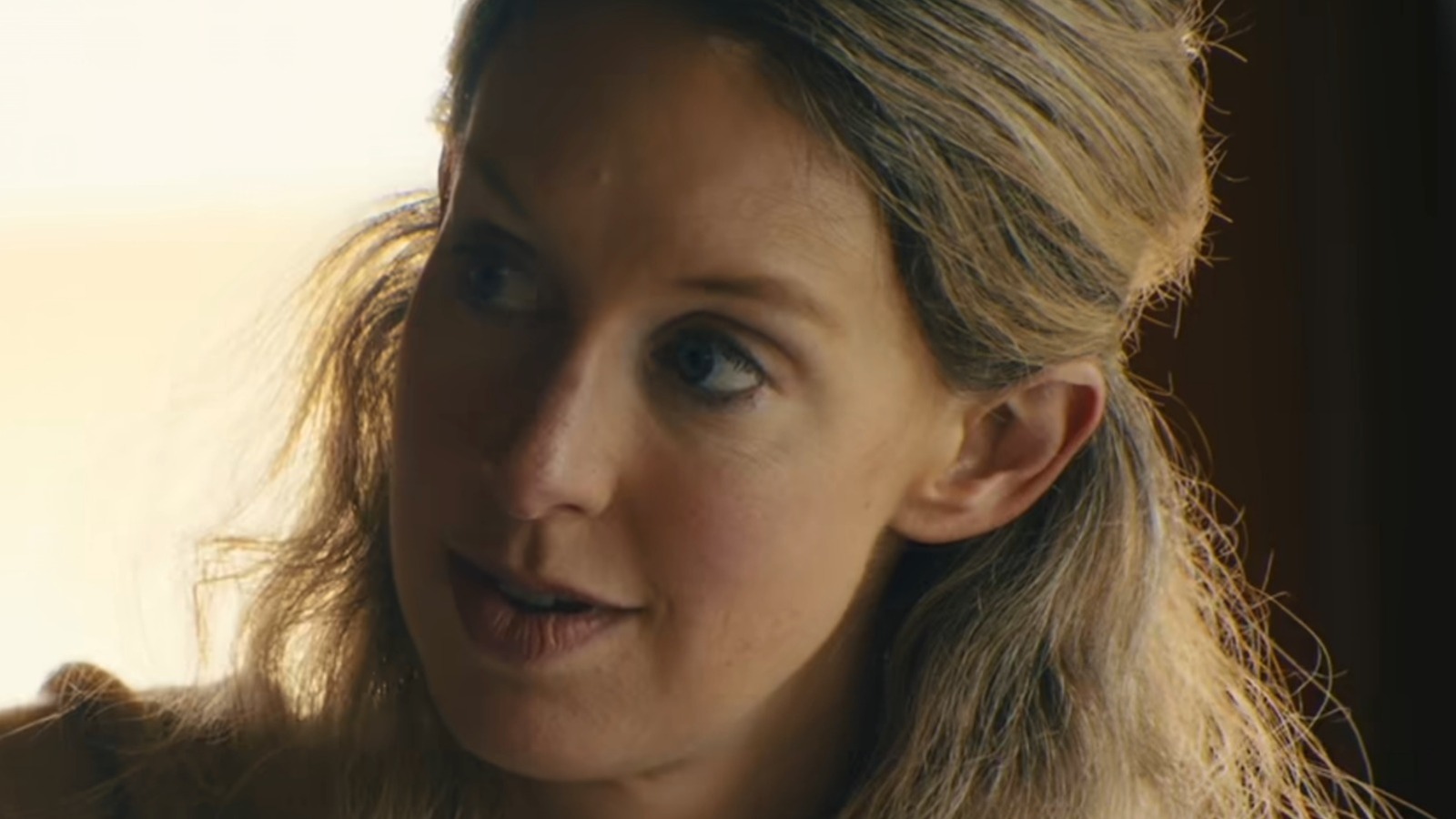
To understand the cultural impact of You Can See Everything, one must first appreciate the bait-and-switch performed by Oppenheim and Fielder. The first 90 minutes function with the clinical precision of a standard investigative documentary. Fielder, assuming the role of an awkward, hyper-present intermediary, captures the mundane yet deeply unsettling final days of Elizabeth Holmes and her partner, Billy Evans, as they grapple with the reality of an 11-year prison sentence.
For the viewer, these early segments serve as a baseline. We are conditioned to expect a character study, a tragic downfall, or perhaps an exposé on the hubris of Silicon Valley. But the film’s true identity is revealed when Fielder, sitting in a dimly lit edit suite, presents this raw footage to actress Amanda Seyfried.
The inclusion of Seyfried—who famously portrayed Holmes in the Hulu limited series The Dropout—is the fulcrum upon which the entire film pivots. By inviting the actress who "played" the subject to interrogate the reality of the documentary, the filmmakers shatter the fourth wall. The documentary ceases to be about Holmes; it becomes a meditation on the construction of a public persona, with Seyfried acting as a surrogate for the audience’s own growing discomfort with the medium of truth-telling.
A Chronology of Artistic Collaboration
The timeline of this project is as complex as its narrative structure. The primary footage of Holmes was captured in 2023, just before she surrendered to federal authorities. However, the secondary layer—featuring Seyfried and her frequent scene partner Christopher Abbott—was filmed two years later, in early 2025.
During the interim, Seyfried and Abbott collaborated on Mona Fastvold’s The Testament of Ann Lee, a visually arresting, albeit criminally under-hyped, period piece released earlier in 2025. While there is no official confirmation that Seyfried recruited Abbott for You Can See Everything specifically because of their chemistry in Ann Lee, the timing suggests a serendipitous professional connection. When the documentary required re-enactments of moments involving Billy Evans—legal hurdles or logistical impossibilities having prevented actual filming—the production turned to the established synergy of the Seyfried-Abbott pairing.
The Testament of Ann Lee: A Study in Religious Fervor and Erasure
To fully grasp the gravitas Seyfried brings to the documentary, one must look at her performance in The Testament of Ann Lee. The film chronicles the life of Mother Ann Lee, the historical figure who founded the Shaker movement. Fastvold’s direction captures the visceral, often painful intersection of spiritual devotion and domestic dissolution.
In the film, Seyfried portrays Ann with a haunted, brittle intensity, depicting a woman who, after suffering the tragic loss of her children in infancy, channels her grief into a radical, celibate religious lifestyle. Christopher Abbott plays Abraham Standerin, her husband, whose desires and eventual infidelity serve as the catalyst for Ann’s transformation into a spiritual icon.
The thematic parallels between Ann Lee and You Can See Everything are striking. Both films center on women who feel misunderstood by their contemporaries, both explore the cost of singular obsession, and both demand a high level of psychological heavy lifting from their leads. While Ann Lee is a period drama and You Can See Everything is a contemporary meta-documentary, Seyfried’s ability to navigate the isolation of her characters remains the constant thread.
The Case for the Oscar: Breaking the Documentary Ceiling
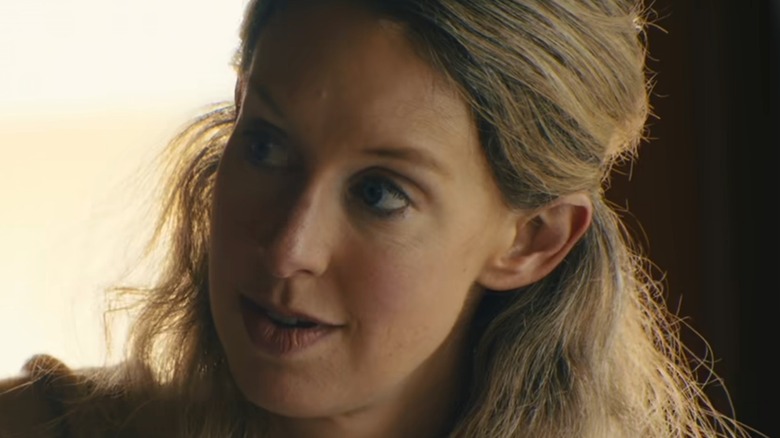
The film industry is currently embroiled in a debate regarding the eligibility of You Can See Everything for the Academy Awards. Traditionally, the Academy has shied away from recognizing performances within the documentary category. However, the hybrid nature of this film presents a unique legal and artistic precedent.
Proponents of the nomination, including critics at SlashFilm, argue that Seyfried’s work is not merely "re-enactment" but a profound piece of character analysis that elevates the documentary to the status of a narrative film. If the Academy were to recognize Seyfried, it would not only be a nod to her current performance but a retroactive correction for the perceived snub she suffered during the 2024 awards cycle for The Testament of Ann Lee.
The argument is simple: Seyfried is doing the work of a lead actor, regardless of the label attached to the project. Her presence serves as the moral compass of the film, providing a lens through which we can interpret the enigmatic and often frustratingly opaque actions of Elizabeth Holmes.
Implications: The Future of Hybrid Storytelling
The implications of You Can See Everything extend far beyond the specific case of Elizabeth Holmes. The film serves as a warning and an invitation to future filmmakers. By blurring the lines between objective documentary footage and subjective artistic interpretation, Oppenheim and Fielder have created a new template for the "non-fiction" genre.
- The Ethics of Subjectivity: The film forces us to ask: Is it more "honest" to show raw, uncontextualized footage of a controversial figure, or is it more honest to have an outside observer—like Seyfried—deconstruct that footage in real-time?
- The Role of the Performer: The use of established actors to "play" real-life figures within a documentary frame suggests a shift toward a more theatrical, interpretive form of journalism.
- The Audience Experience: The audience is no longer a passive recipient of information. We are required to navigate the same meta-narrative shifts as the film’s participants, making the viewing experience an active, collaborative effort.
Conclusion: A Must-Watch Intersection of Cinema
Whether or not the Academy acknowledges the feat, You Can See Everything stands as a monumental achievement in experimental filmmaking. It is a work that demands repeat viewings, not just for the chilling glimpses of Elizabeth Holmes, but for the sophisticated dialogue it initiates between the actor, the audience, and the subject.
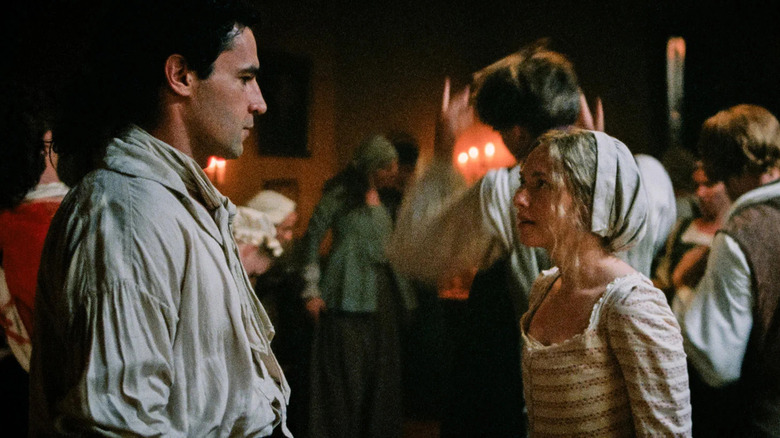
For those who find themselves captivated by the nuance of Seyfried’s performance, a deep dive into The Testament of Ann Lee is essential. Both films represent a high-water mark for 2025, proving that whether in the realm of historical period drama or the modern true-crime documentary, the most compelling stories are the ones that refuse to sit still.
As we look toward the future of the medium, one thing remains clear: the line between the reality we document and the reality we perform is thinner than ever. In the case of You Can See Everything, it is a line that has been beautifully, and perhaps terrifyingly, erased.
