
The Shadow of Crystal Lake: How the New Prequel Series Complicates the Future of Friday the 13th
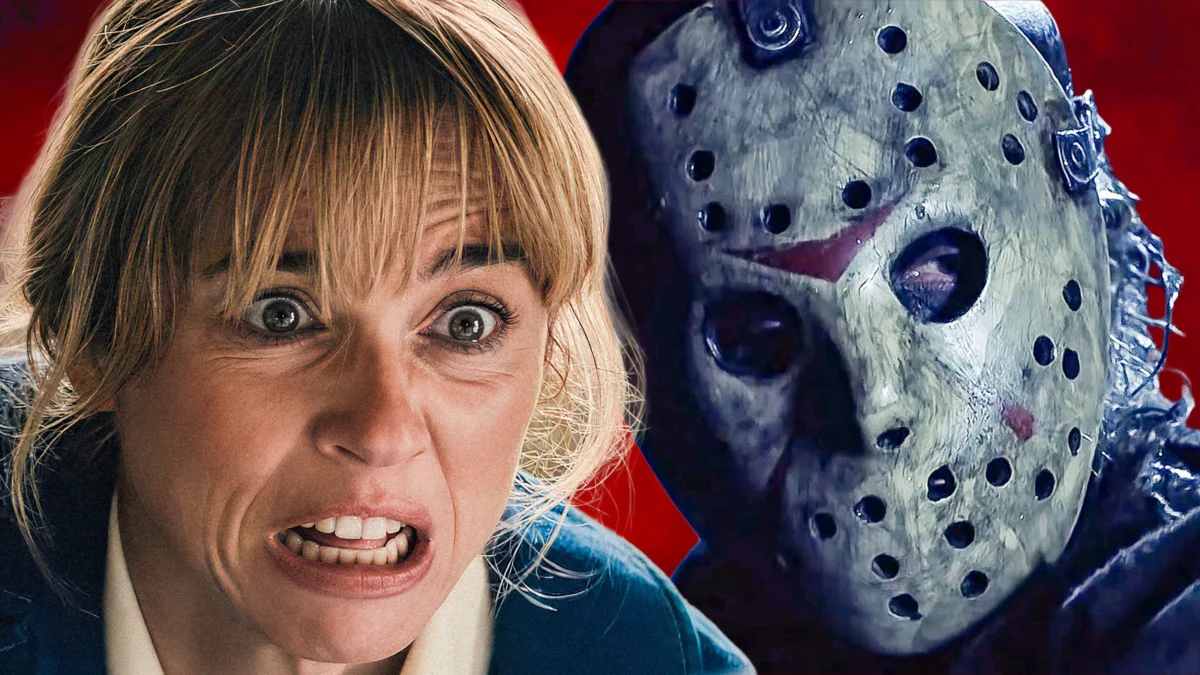
For nearly two decades, the Friday the 13th franchise—once the undisputed juggernaut of the slasher genre—has existed in a state of suspended animation. Since the release of the 2009 reboot, the iconic hockey-masked killer, Jason Voorhees, has been absent from the silver screen, trapped in a labyrinthine legal struggle that halted production on any meaningful follow-up.
However, 2024 has marked a seismic shift for the horror landscape. The arrival of the Peacock original series Crystal Lake has finally breathed new life into the IP, exploring the origins of the Voorhees legend with a narrative depth previously unseen in the slasher genre. Yet, while fans celebrate the return of their favorite antagonist, the series has introduced a complex set of variables that may fundamentally alter, or even collide with, the development of the long-awaited feature film follow-up. As the "Jason Universe" initiative attempts to unify the brand, the industry is left wondering: can these two distinct visions for the franchise coexist, or is the path forward destined for internal conflict?
A Chronology of Silence: From 2009 to the Present
To understand the current tension, one must look at the timeline of stagnation. Following the 2009 Friday the 13th remake—which, despite its box-office success, failed to spawn a franchise—the series fell into a protracted, bitter legal battle between original screenwriter Victor Miller and director Sean S. Cunningham.
For years, the rights to the characters, the specific iterations of Jason, and the "Crystal Lake" setting were caught in a tug-of-war that made new content legally impossible. It was a dark period for fans, with only the 2023 fan-made short Sweet Revenge serving as a temporary bridge to keep the interest alive. The resolution of these legal disputes, which began to take clearer shape around 2021, allowed for the current "Jason Universe" initiative. This collaborative effort, featuring input from original creators, aims to revitalize the brand across multiple platforms. But in its rush to return to form, the franchise has inadvertently created a "multiverse" of sorts, where a gritty, prestige television prequel exists alongside the promise of a future cinematic event.
The "Crystal Lake" Paradigm: A Bold New Mythology
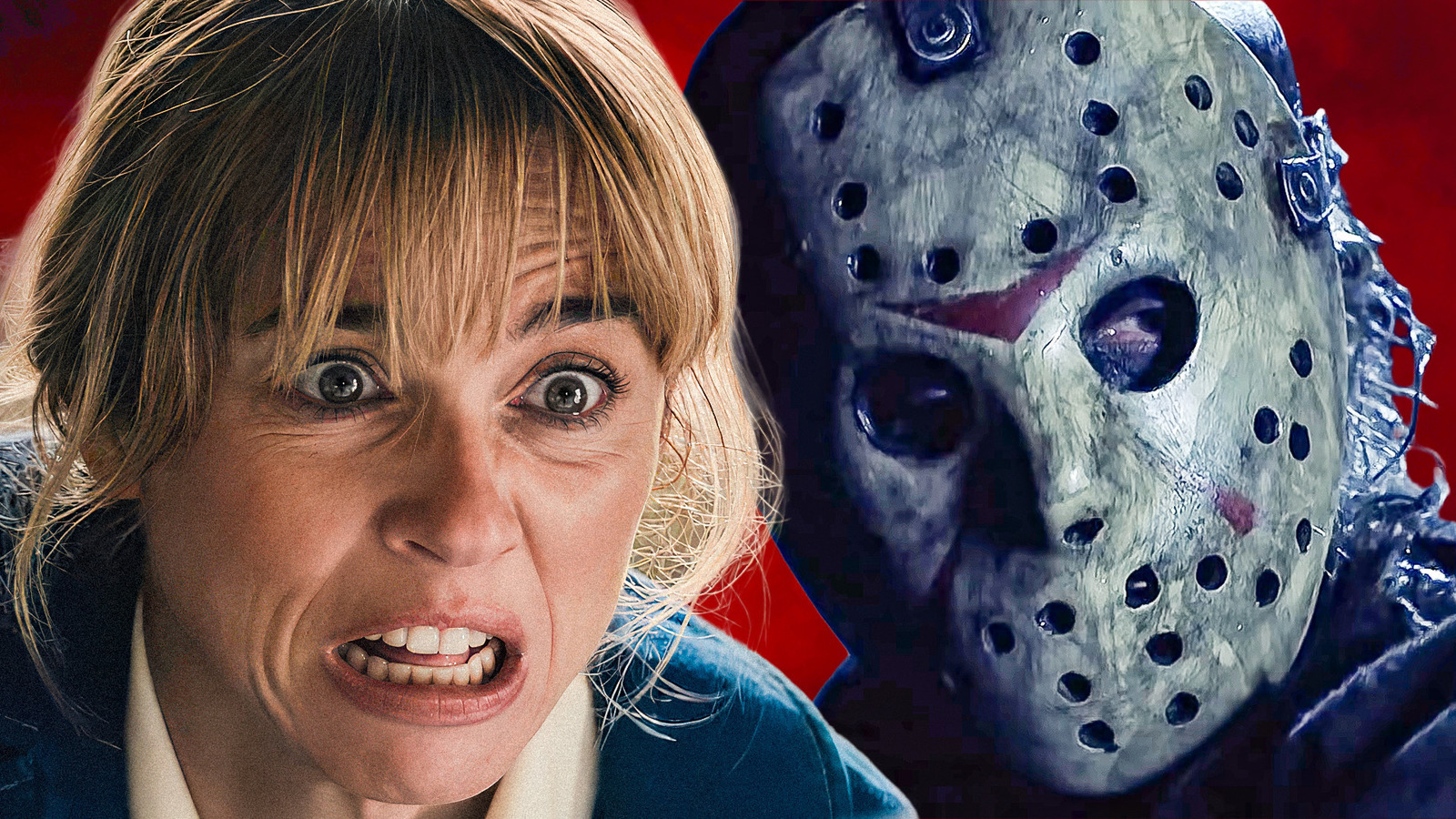
Crystal Lake, now streaming on Peacock, pivots away from the traditional slasher tropes of the 1980s. Instead, it serves as a slow-burn character study, primarily focusing on Pamela Voorhees (played by Linda Cardellini) in 1972—eight years before the events of the original film. By humanizing the woman who would eventually become a vengeful matriarch, the show attempts to ground the horror in grief and psychological trauma.
However, the series has not been without controversy. In a bold narrative decision, the showrunners have introduced elements that rewrite the fundamental nature of Jason Voorhees. Specifically, the Season 1 reveal that suggests Jason is a "bioengineered mutant" with resilience akin to a cockroach has sent shockwaves through the fan base. Furthermore, the explicit identification of his father, Elias Voorhees (Hamish Linklater), provides a definitive answer to a question that was intentionally left shrouded in mystery for over 40 years. For many purists, this "de-mystification" of Jason is a betrayal of the character’s status as a supernatural force of nature, while others see it as a necessary evolution for modern television.
Supporting Data: The Conflict of Canon
The central issue facing the producers of the upcoming Friday the 13th film is one of narrative consistency. If the film is meant to be a standalone, high-budget cinematic experience, to what extent must it adhere to the lore established in Crystal Lake?
Historical precedents in the horror genre suggest this is a dangerous game. When the 2019 Child’s Play reboot attempted to ignore decades of franchise canon, it was met with skepticism by the hardcore fan base, even as the original Chucky television series continued to thrive by honoring that very same history. The Chucky series ultimately prevailed because it provided a sense of continuity that audiences crave.
In the case of Friday the 13th, the challenge is even greater. The original 1980 film did not feature an adult, machete-wielding Jason; it was a mystery centered on his mother. If the new film aims to be a sequel to the classic lore, it may find itself at odds with the "bioengineered mutant" explanation provided by the Peacock series. Are we looking at two separate timelines? Or will the new movie be forced to ignore the show entirely, leading to a fractured brand identity?
Official Perspectives and Showrunner Strategy
Brad Caleb Kane, the showrunner for Crystal Lake, has been vocal in his defense of the series’ creative risks. He argues that in order for a 40-year-old franchise to survive in the streaming era, it must evolve. By exploring the "nature vs. nurture" aspect of Jason’s life, the show provides a foundation that makes his later actions feel like an inevitability rather than a generic slasher trope.
However, the team behind the "Jason Universe" film project remains tight-lipped. Several directors have pitched their visions, but there has been no official word on whether the film will act as a continuation of the show’s established reality or as a hard reset. This ambiguity creates a unique form of anxiety among investors and fans alike. If the show is renewed for a second season, it further cements the "mutant" canon, potentially backing the film producers into a corner where they must either adopt a controversial narrative path or risk alienating viewers who have invested time in the series.
Implications for the Future of the Franchise
The implications of this dual-track strategy are profound. On one hand, having content on both the small and large screens keeps the brand at the forefront of pop culture. The "Jason Universe" represents a modern, cross-platform approach to horror that is common in the age of superhero franchises.
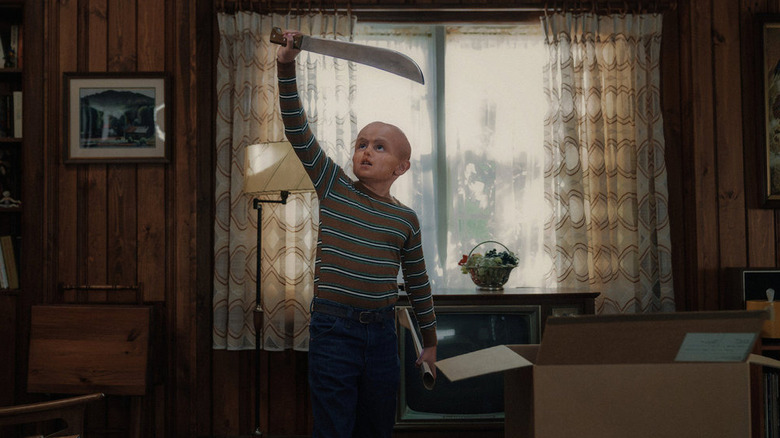
Yet, there is a distinct risk of brand dilution. The Friday the 13th films have always been characterized by their simplicity: a masked killer, a summer camp, and a group of unsuspecting victims. By adding layers of biological sci-fi and complex parental lineage, the franchise is shifting into a territory that feels more akin to X-Men or Alien than the traditional slasher fare that made it famous.
The "Wait and See" Strategy
Ultimately, the future of the franchise may be dictated by simple metrics. If Crystal Lake continues to draw high viewership numbers, the "mutant" lore will become the definitive version of the story for a new generation. If the audience sentiment remains lukewarm or if the show is canceled after one or two seasons, the producers of the new movie may feel emboldened to discard the show’s more experimental elements in favor of a "back-to-basics" approach that mimics the 1980s aesthetic.
For now, the franchise remains in a state of flux. We are witnessing a battle for the soul of Jason Voorhees. Is he a supernatural revenant, a tragic victim of scientific experimentation, or a simple, unstoppable force of pure evil? As the film and television projects continue their separate development paths, the fans—the lifeblood of the Friday the 13th series—will be the final arbiters. Whether this era leads to a renaissance or a permanent fracture remains the biggest question of the decade for horror enthusiasts worldwide.
The path is narrow, the stakes are high, and the woods of Crystal Lake have never been more crowded with conflicting visions. As we move further into this new chapter, the only certainty is that the machete will return—we just aren’t yet sure which version of the man will be wielding it.
