
Sigma Expands Its Reach: The Versatile 16-300mm F3.5-6.7 DC OS Contemporary Lens Arrives for Nikon Z Mount
By Matthew Allard, ACS
For photographers and videographers utilizing crop-sensor camera systems, the perpetual challenge has always been balancing focal range versatility with equipment weight. Carrying a bag full of specialized primes or heavy telephoto zooms can quickly turn a pleasurable day of shooting into an exhausting physical chore. Recognizing this enduring dilemma, Sigma has consistently pushed the boundaries of optical engineering with its "Contemporary" line of lenses—designed to deliver a harmonious blend of high-end performance, compact physical dimensions, and everyday usability.
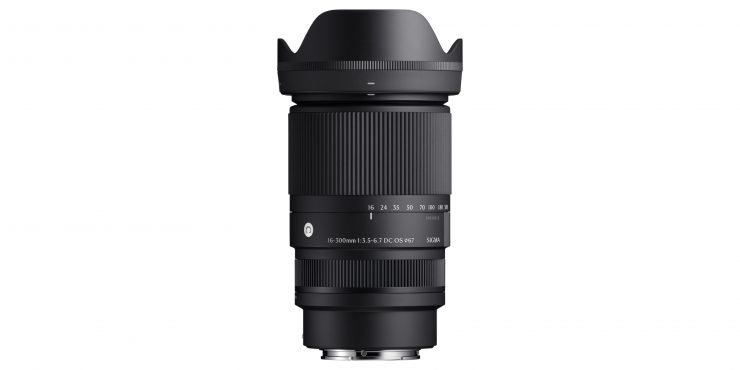
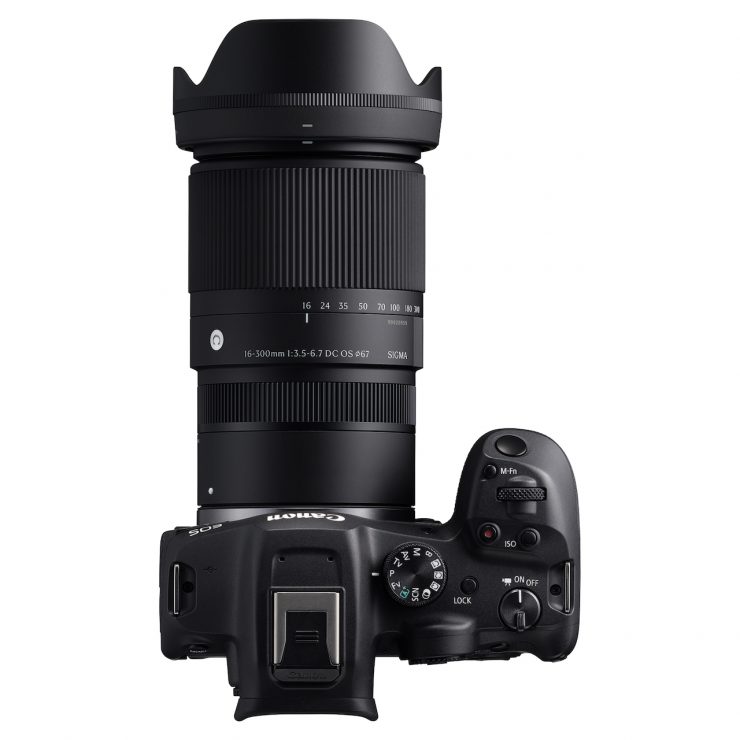
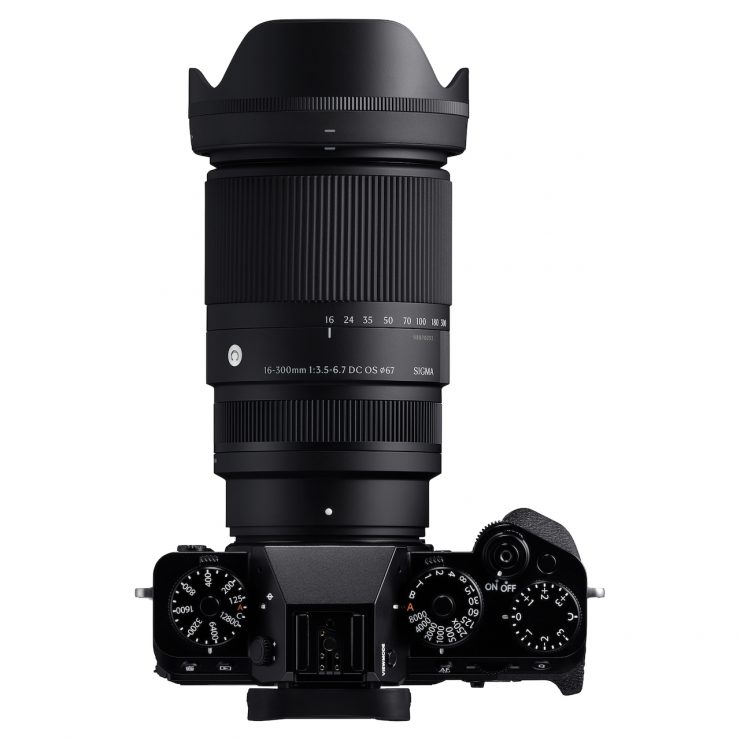
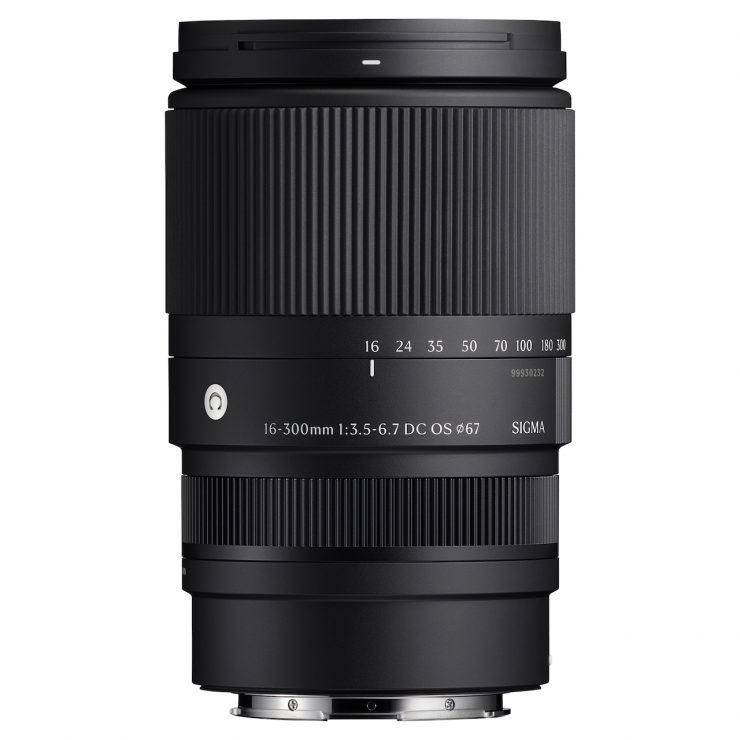
Today, Sigma has officially announced the expansion of its popular travel-zoom lineup, bringing the Sigma 16-300mm F3.5-6.7 DC OS Contemporary to the Nikon Z mount ecosystem. Previously released for Canon RF, FUJIFILM X, L-Mount, and Sony E mounts, this "all-in-one" powerhouse is finally accessible to Nikon shooters seeking a massive focal range in a single, convenient package. Built specifically for APS-C format cameras, this lens promises to be the ultimate companion for travel enthusiasts, street shooters, and content creators who demand flexibility without compromise.
Main Facts: What the Sigma 16-300mm Offers Nikon Z Users
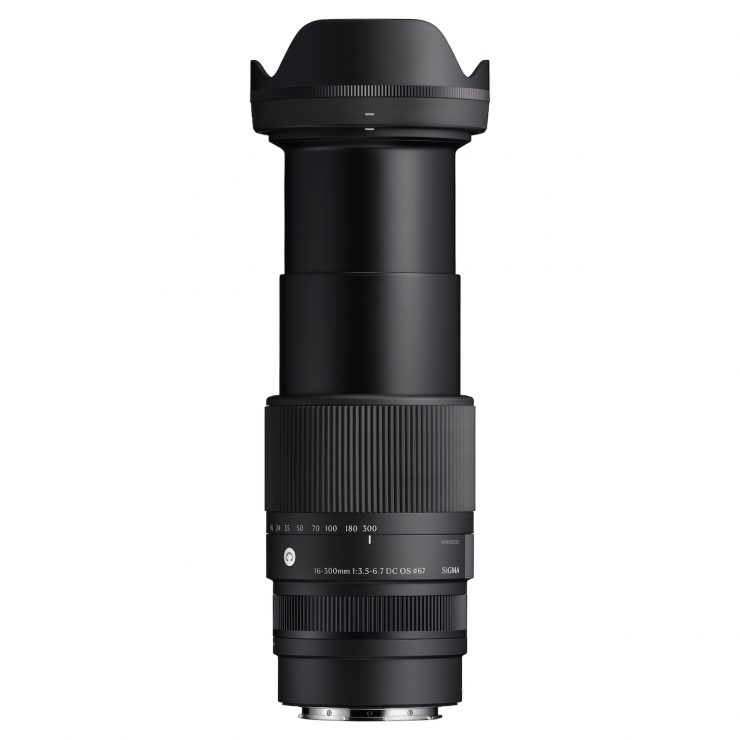
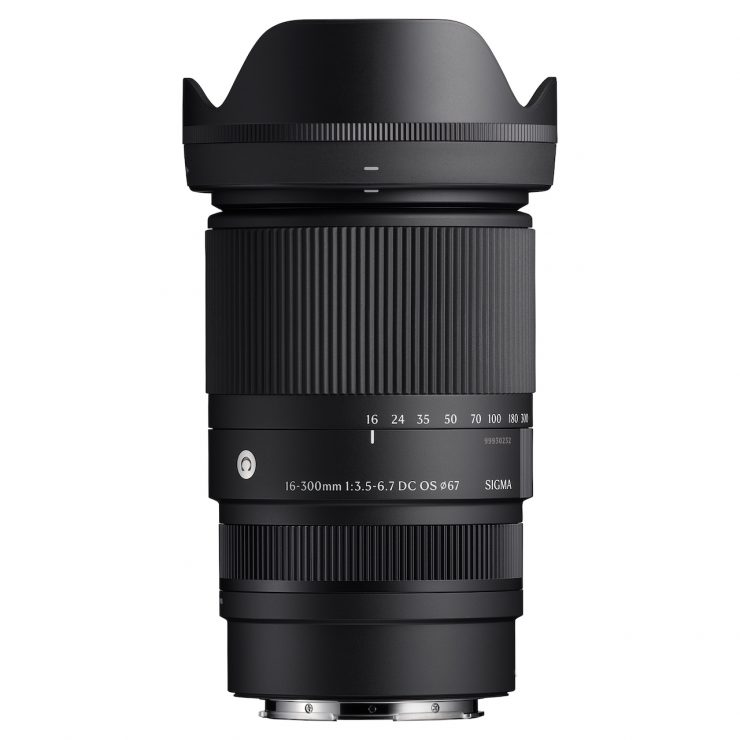
At its core, the Sigma 16-300mm F3.5-6.7 DC OS Contemporary is designed to eliminate the need for frequent lens changes. By offering an extraordinary 18.8x zoom ratio, it bridges the gap between ultra-wide landscapes and distant subjects in a single barrel.
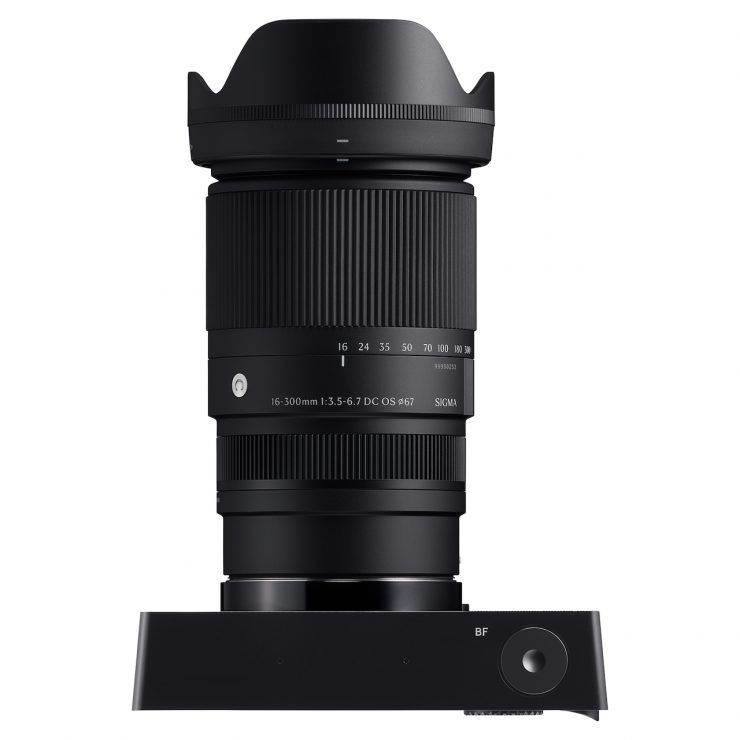
Here is a breakdown of the headline specifications for the new Nikon Z-mount variant:
- Focal Length Range: 16mm to 300mm (providing a full-frame equivalent field of view roughly matching 24mm to 450mm, depending on the camera’s crop factor).
- Maximum Aperture Range: Variable F3.5 at the wide end down to F6.7 at the telephoto end.
- Optical Stabilization (OS): Up to 6 stops of correction at 16mm and 4.5 stops at 300mm.
- Autofocus System: High-response Linear Actuator (HLA) motor for rapid, precise, and quiet focus acquisition.
- Close-Up Capabilities: A 1:2 maximum magnification ratio at the 70mm focal length position (1:3 at wide, 1:4 at telephoto).
- Physical Dimensions: Weighs just 630g (1.39 lbs) and utilizes a standard 67mm front filter thread.
- Retail Price: $769 USD.
While a variable maximum aperture of F3.5–6.7 is relatively slow—meaning it requires ample lighting or higher ISO values in dim environments—the sheer convenience of having a 16mm wide-angle and a 300mm super-telephoto in a pocketable or lightweight shoulder-bag setup far outweighs the aperture limitation for many everyday shooters.
The Evolution and Chronology of Sigma’s Contemporary Zoom Series
The journey of the Sigma 16-300mm F3.5-6.7 DC OS Contemporary reflects the company’s broader strategy to adapt its cutting-edge optical formulas to the industry’s fastest-growing mirrorless mounts.
- The Mirrorless Shift: Over the past several years, Sigma has aggressively migrated its most popular DSLR-era concepts and entirely redesigned them for mirrorless systems. The Contemporary line has become the cornerstone of this strategy, prioritizing lightweight construction and optical reliability.
- Multi-Mount Rollout: Before arriving on Nikon Z, Sigma carefully engineered and released versions for Sony E, L-Mount, FUJIFILM X, and Canon RF. Each iteration has been meticulously tailored to meet the specific electronic communication and flange focal distance requirements of its respective mount.
- The Nikon Z Integration: Nikon’s APS-C mirrorless lineup (such as the Z50, Z fc, and Z30) has steadily gained market share, attracting creators who want the ergonomics of traditional cameras combined with modern mirrorless autofocus. However, the native lens ecosystem for DX-format Nikon Z cameras has historically lacked a true, ultra-extended range travel zoom. The introduction of the Sigma 16-300mm fills this critical gap, giving Nikon users a long-awaited alternative to swapping multiple lenses in the field.
Deep Dive: Optical Design, Autofocus, and Stabilization Data
To achieve an 18.8x zoom range without catastrophic drops in image quality, Sigma’s optical engineers deployed a sophisticated internal lens architecture.
Advanced Optics and Aberration Control
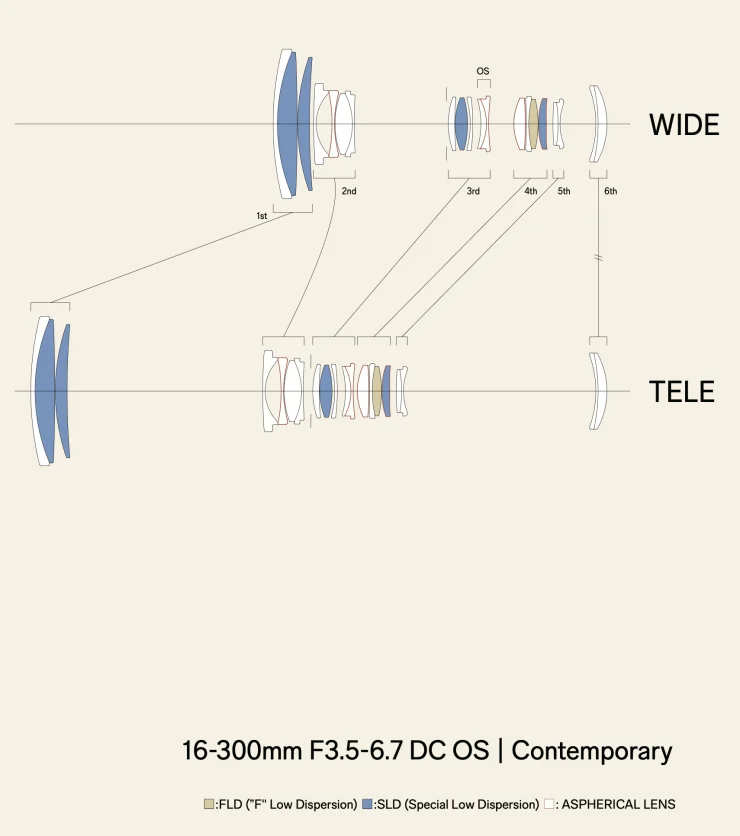
The optical construction of the 16-300mm features a carefully curated series of low-dispersion glass elements paired with four aspherical elements. According to Sigma’s internal testing data, this complex configuration is engineered to suppress chromatic aberrations, distortion, and spherical distortions across the entire zoom range.
Furthermore, the lens has been put through rigorous multi-layer coating treatments to combat ghosting and lens flare, ensuring high contrast and accurate color rendering even when shooting directly into bright light sources, such as sunsets or harsh architectural backlights. Focus breathing—a notorious artifact in video production where the field of view shifts slightly as focus is adjusted—has also been tightly controlled, making this lens surprisingly viable for hybrid creators who shoot both stills and video.
High-Speed Focusing with the HLA Motor
Autofocus speed is vital when shooting unpredictable subjects like wildlife, sports, or candid street moments at 300mm. To guarantee snappy performance, Sigma integrated its proprietary HLA (High-response Linear Actuator) motor. Unlike older, gear-driven stepping motors, the HLA system uses electromagnetic propulsion to move the focusing lens group with extreme speed and virtually zero mechanical noise. This makes it an exceptional pairing for Nikon’s advanced AI-driven subject-detection algorithms, allowing the camera to lock onto eyes, faces, vehicles, and animals with ease.
Comprehensive Image Stabilization
Shooting at 300mm on an APS-C sensor requires incredible stability to avoid micro-shakes that ruin sharpness. The built-in Optical Stabilization (OS) unit in the Sigma 16-300mm is rated for:
- Up to 6 stops of compensation at the 16mm wide-angle setting.
- Up to 4.5 stops of compensation at the 300mm telephoto extreme.
This powerful stabilization works in tandem with sensor-shift stabilization found in compatible Nikon Z camera bodies, giving handheld shooters the confidence to capture sharp images in lower light conditions or at slower shutter speeds without instantly reaching for a tripod.
Macro and Close-Up Performance
Beyond its landscape and telephoto utility, the lens doubles as an impromptu macro tool. At the 70mm focal length position, it achieves a 1:2 maximum magnification ratio, allowing users to get remarkably close to flowers, insects, and intricate details. At the 16mm wide end, the magnification is 1:3, dropping to 1:4 at the 300mm end. This versatility transforms the lens from a simple travel zoom into an adaptable creative instrument.
Official Responses and Market Positioning
Market reception for Sigma’s mirrorless lenses has generally been enthusiastic, driven by the brand’s reputation for offering "first-party performance at third-party value."
While official press releases emphasize the lens’s ability to act as an all-in-one solution for family trips, hiking excursions, and documentary work, independent reviewers and early adopters of the other mount variants have praised its surprisingly sharp center resolution at wide and mid focal lengths.
Industry analysts note that pricing the Nikon Z-mount version at $769 USD positions it competitively within the mid-tier mirrorless market. It undercuts many proprietary professional telephoto setups while offering a much broader focal range than standard kit lenses. By expanding compatibility to Nikon Z, Sigma is strategically capturing a demographic of photographers who prefer Nikon’s ergonomics but crave a broader, more cost-effective native lens ecosystem for their APS-C bodies.
Implications for Nikon Z APS-C Creators
The launch of the Sigma 16-300mm F3.5-6.7 DC OS Contemporary for Nikon Z carries several meaningful implications for the photography and videography community:
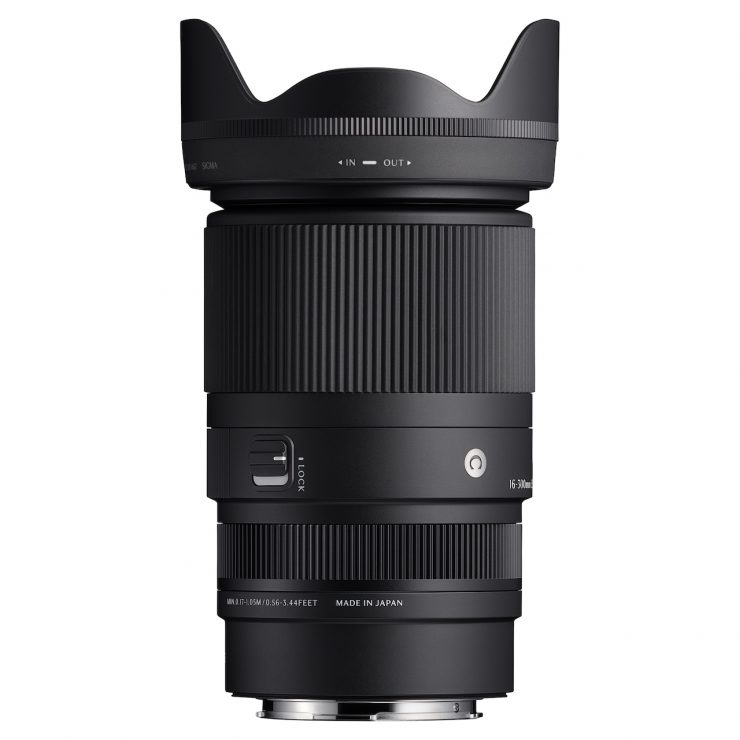
- Streamlined Travel Kits: Travelers can now pack a single camera body and one lens, reducing weight down to roughly 1.4 lbs (lens only) while maintaining the ability to capture sweeping landscapes and distant wildlife.
- Lower Barrier to Entry for Super-Telephoto Shooting: Reaching 300mm (equivalent to roughly 450mm) typically requires investing in heavy, expensive telephoto zooms. At $769, this lens opens up super-telephoto photography to hobbyists and budget-conscious enthusiasts on the Nikon platform.
- Hybrid Content Creation Ready: With controlled focus breathing, a fast HLA autofocus motor, and robust image stabilization, solo content creators and vloggers have a flexible tool that transitions seamlessly from wide-angle pieces to tight, compressed b-roll shots.
- Growth of the Third-Party Nikon Z Ecosystem: For years, Nikon’s Z-mount was strictly guarded against third-party autofocus lenses. Sigma’s continued rollout of native Z-mount glass signals a maturing, more open ecosystem that ultimately benefits the consumer through greater choice and competitive pricing.
Conclusion
The Sigma 16-300mm F3.5-6.7 DC OS Contemporary in Nikon Z mount is not designed to replace ultra-fast, professional f/2.8 zoom lenses or specialized prime glass. Instead, it serves a much more practical purpose: it is the ultimate utility player. For the Nikon Z shooter who values simplicity, portability, and an unmatched focal span, this lens represents a compelling, highly versatile addition to the camera bag.
