
The Architecture of Anxiety: Inside Cosmo Salovaara’s Claustrophobic Thriller One of Those
In the landscape of independent cinema, the "one-location, one-day" constraint is often a trial by fire—a litmus test for a director’s ability to wring profound human stakes out of limited geography. With his latest short film, One of Those, writer-director Cosmo Salovaara not only survives this trial but thrives, delivering a masterclass in simmering, psychological tension. What begins as a mundane professional shift for the protagonist, Jane, rapidly descends into a volatile confrontation with a ghost from her past.
The premise is deceptively simple: Jane, a barber, is preparing for her day when a man enters her shop—a man with whom she shares a toxic, unresolved history. As the film unfolds, the audience is forced to grapple with a singular, gnawing question: Is it really him? And more importantly, if it is, does he recognize the woman holding the razor?
The Genesis of a Modern Confrontation
The inspiration for One of Those emerged from Salovaara’s fascination with the uncomfortable intersection of bad behavior and the human propensity for self-absolution. "I was thinking about bad behavior and the dubious ways in which people try to absolve themselves of past mistakes," Salovaara explains. By imposing the logistical restriction of a single location and a single day of shooting, the director stripped away the narrative "fat," forcing the tension to be carried entirely by the performances and the environment.
This constraint, rather than limiting the storytelling, serves to amplify the claustrophobia. The barber shop—a setting defined by sharp tools, proximity, and the vulnerability of the neck—becomes a pressure cooker. As Salovaara meticulously maneuvers his camera and edits the rhythm of the dialogue, the shop transforms from a place of service into a theater of confrontation.
Chronology of a Masterpiece: Crafting the Tension
The film’s efficacy relies on a slow-burn progression that keeps the audience in a state of perpetual anticipation.
- The Setup: We meet Jane (Sophie Neff) as she begins her routine. The atmosphere is quiet, professional, and detached. The arrival of the male customer (David Brown) shatters this equilibrium.
- The Recognition: Through subtle glances and micro-expressions, Salovaara signals the internal tectonic shifts occurring within Jane. The audience is invited to play detective, weighing the ambiguity of the customer’s demeanor.
- The Escalation: Using the inherent danger of the barber’s tools, the director shifts the tone from observational drama to high-stakes suspense. Every snip of the scissors and every stroke of the blade against the skin feels heavy with potential violence.
- The Climax: The film subverts expectations regarding the "inevitable" violent outburst. Just as the audience feels they have predicted the outcome, Salovaara pulls the rug from under them, replacing catharsis with a deeper, more complex emotional reality.
Supporting Data: The Craft Behind the Camera
A film of this nature is only as strong as its technical execution. Salovaara, wearing multiple hats as both director and editor, demonstrates a keen understanding of cinematic pacing. By balancing sharp, biting humor with dark, brooding drama, he prevents the tension from becoming monotonous.
The Visual Language
Cinematographer Arlene Muller, whose previous work on Nasir and You’ve Never Been Completely Honest established her as a master of intimate framing, brings a clinical, almost voyeuristic quality to One of Those. Her camera choices emphasize the physical distance between characters, making the rare moments of contact feel like a breach of sanctity.
The Sound of Silence
Sound designer Forrest Lotterhos is equally integral to the film’s impact. In a film where dialogue is often coded and subtext-heavy, the ambient sounds of the barber shop—the hum of clippers, the scrape of metal, the heavy silence between sentences—become narrative tools. The mundane is weaponized, and the mundane is exactly what makes the threat feel so visceral.
Practical Effects and The Art of Revenge
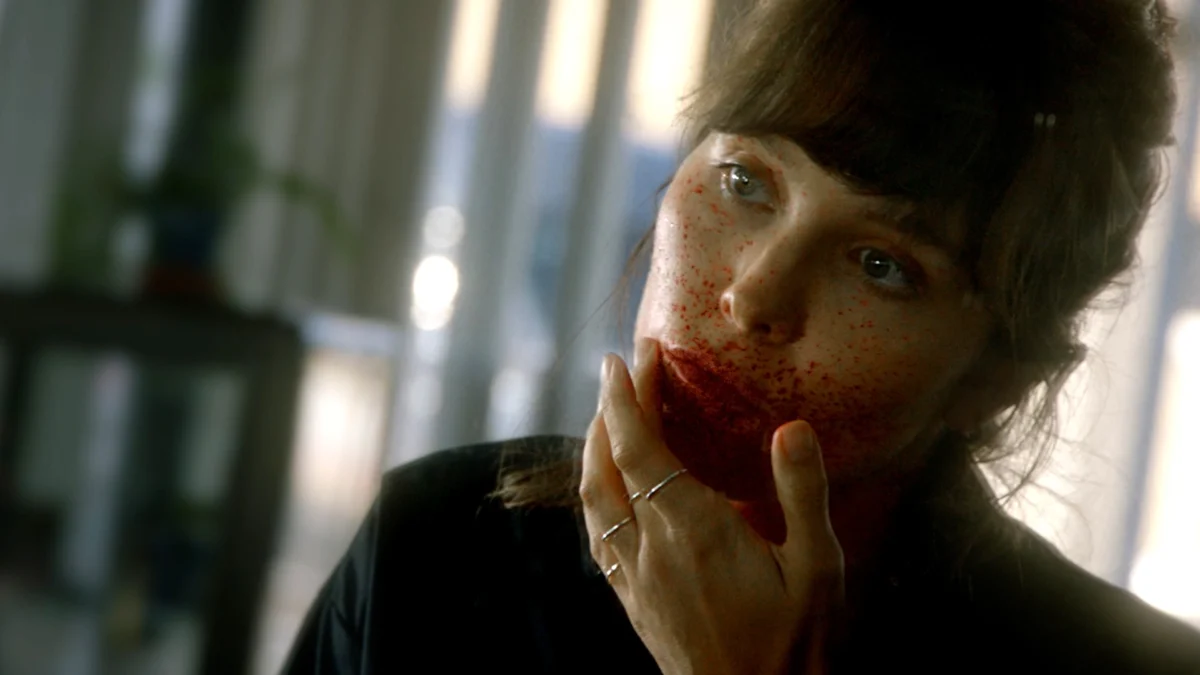
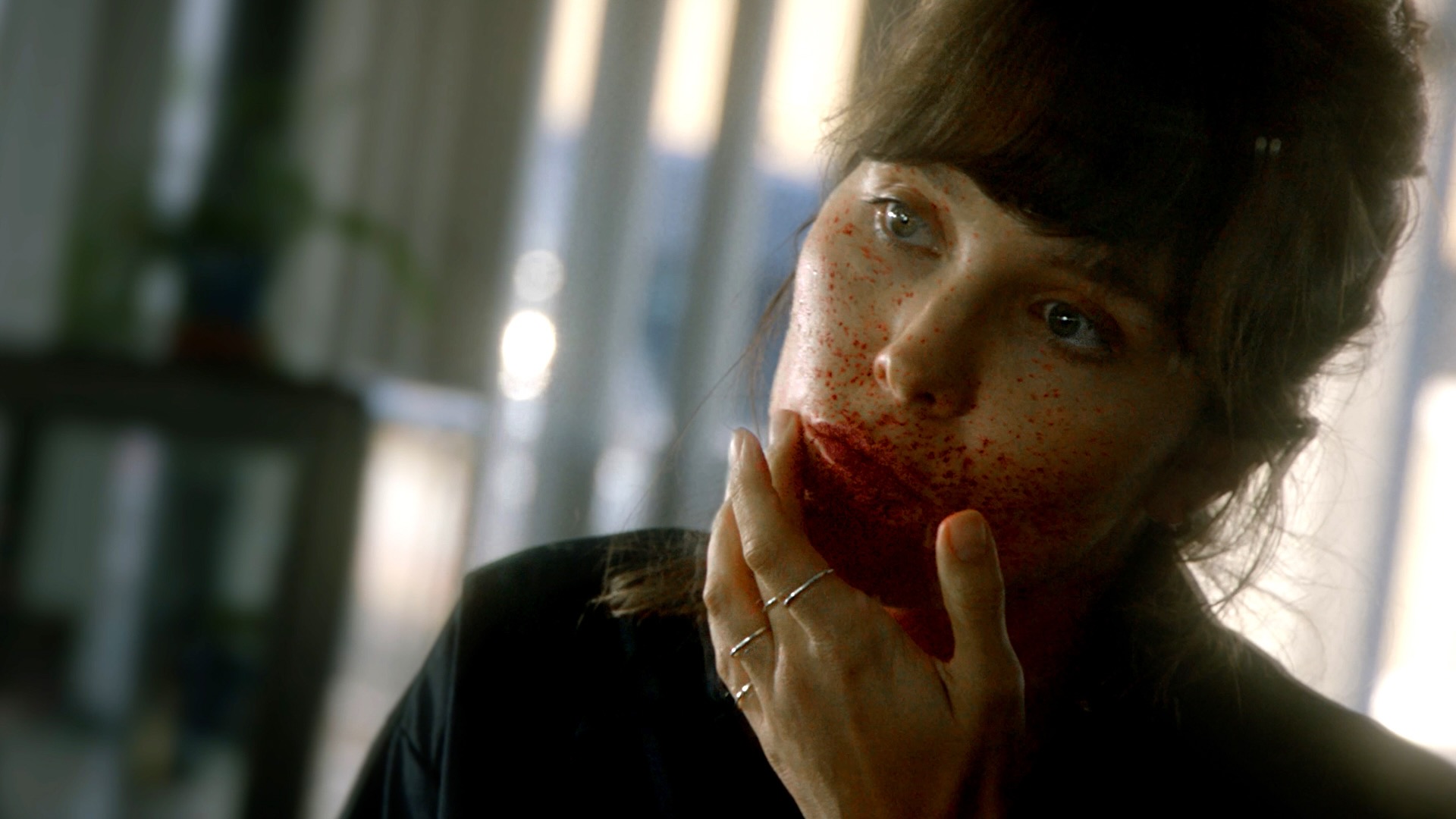
Salovaara has spoken candidly about the film’s thematic obsession with revenge. The inclusion of prosthetic work, spearheaded by makeup artist Hatti Rees, elevates the film’s final act. By grounding the "desired violent outburst" in high-quality practical effects, the director ensures that when the blood finally does flow, it feels earned, satisfying, and deeply unsettling.
Character Dynamics: A Study in Passive Intensity
The success of One of Those rests firmly on the shoulders of its two leads. Sophie Neff delivers a performance of remarkable sincerity. Her portrayal of Jane is not a caricature of the "wronged woman"; rather, it is a nuanced study in anger, hurt, and the exhaustion of trying to move on when the past refuses to stay buried.
David Brown, a familiar face to fans of the Short of the Week platform, offers a refreshing departure from his usual roles. Known for playing the "goofy nerd," Brown is cast here as a figure of ambiguity. He embodies the "bad guy," yet through his performance, the audience is forced to question the validity of that label. Is he the villain of Jane’s story, or is he a man oblivious to the trauma he has caused? The passive-aggressiveness between Neff and Brown creates an electric charge that keeps the viewer anchored throughout the runtime.
Official Perspectives and Thematic Implications
When discussing the implications of the film, Salovaara highlights the universality of the situation. Everyone, at some point in their lives, has encountered someone they would prefer to erase from their history. The film taps into this primal desire for closure and the often messy, violent ways that closure—or the lack thereof—manifests.
The film serves as a critique of how we navigate past grievances. By refusing to give the audience an easy moral resolution, Salovaara invites viewers to reflect on their own experiences with "bad behavior." The film asks: Is violence the only way to balance the scales of justice? And if we get our revenge, does it actually provide the relief we expect?
Looking Ahead: The Future of Salovaara’s Vision
While One of Those stands as a complete, self-contained narrative, it also serves as a compelling calling card for Salovaara’s capabilities as a feature filmmaker. He is currently in the development phase for his debut feature, Gift Horse.
The upcoming project promises to further explore the themes of human fragility and the masks we wear. Centered on a trans man who joins a support group for middle-aged male victims of car break-ins, the premise suggests that Salovaara is interested in the intersection of vulnerability and masculinity—a thematic evolution from the psychological warfare seen in One of Those.
Conclusion
One of Those is a testament to the power of economy in filmmaking. By stripping away the non-essentials and focusing on the raw friction between two human beings, Cosmo Salovaara has created a short film that lingers in the mind long after the credits roll. It is a work of precision, a exercise in controlled aggression, and a reminder that the most terrifying monsters are not those that hide under the bed, but those that walk into our lives on a Tuesday afternoon, looking for a haircut.
As we await his feature debut, One of Those stands as a sharp, polished, and profoundly effective piece of cinema—a brief, brutal, and brilliant exploration of the ghosts that follow us into the light.
