
The Magic Returns: Everything You Need to Know About HBO’s ‘Harry Potter’ Series
The wizarding world is preparing for a homecoming. After years of speculation, development rumors, and intense fan anticipation, the definitive television adaptation of J.K. Rowling’s Harry Potter series is finally set to cast its spell on global audiences. With a premiere date locked for Christmas Day, 2026, the arrival of this HBO Original series marks the beginning of a new epoch for one of the most successful franchises in entertainment history.
For fans who grew up alongside the original film cast, this reboot is not merely a remake; it is a monumental effort to translate the depth, nuance, and sprawling world-building of the novels into a long-form prestige television format.
The Return to Hogwarts: Main Facts and Premise
The upcoming series is poised to reshape the legacy of the Wizarding World. Unlike the film franchise, which condensed seven books into eight feature-length movies, the HBO series is designed as an ongoing, multi-season commitment. The first season will focus exclusively on Harry Potter and the Philosopher’s Stone, spread across eight episodes.
By opting for an eight-episode structure for the first book, showrunner Francesca Gardiner (Succession) aims to provide the narrative "breathing room" that the films were often forced to sacrifice. Fans can expect a more granular look at the minutiae of Hogwarts life: the history of the house rivalries, the complex mechanics of magical creatures, and the slow-burn evolution of the bond between Harry, Ron, and Hermione.
The series will broadcast on HBO and be available to stream simultaneously on Max, ensuring a massive reach. This release strategy mirrors the prestige "event television" model that HBO has successfully utilized for other high-budget fantasy properties, signaling that the network views Harry Potter as a cornerstone of its long-term strategy.

A Legacy Reimagined: The Chronology of Development
The journey to this 2026 premiere has been long and multifaceted. Following the conclusion of the Fantastic Beasts film series, Warner Bros. Discovery faced a crossroads: how to revitalize the IP for a new generation without simply repeating the past.
- 2023: Initial reports surface regarding a "Wizarding World" television series in early development at Warner Bros.
- 2024: Confirmation is officially provided by HBO, with the announcement that the project would be a "faithful adaptation" of the books.
- 2025: Casting searches commence globally, with a focus on finding young talent capable of carrying the series across a potential decade-long production arc.
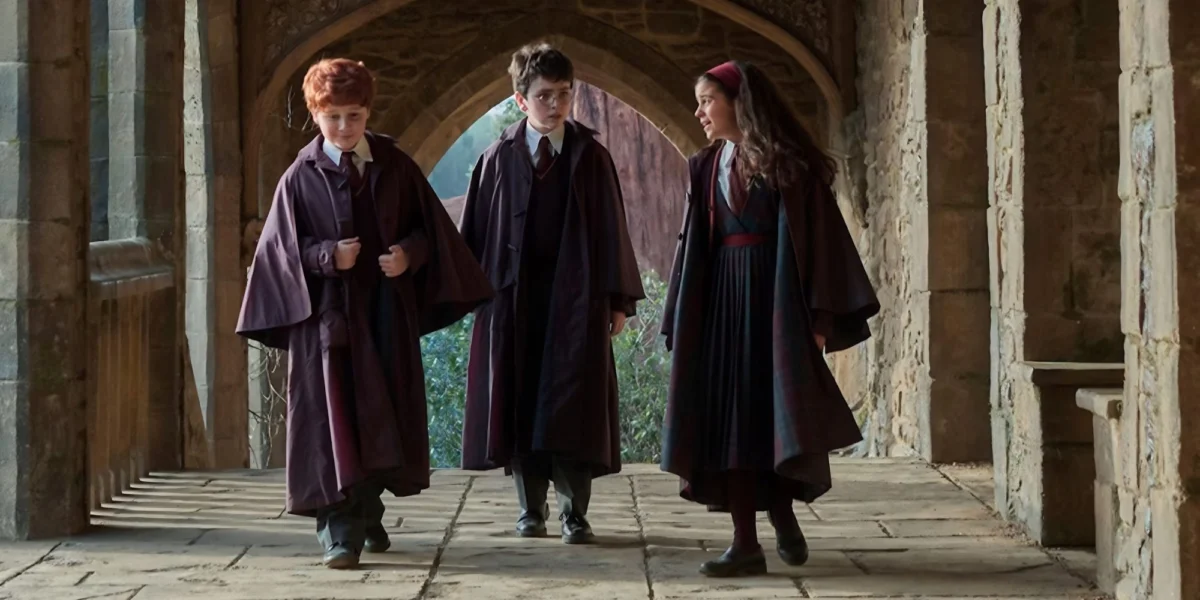
- 2026 (May): First-look imagery of the new trio—Dominic McLaughlin, Arabella Stanton, and Alastair Stout—in their Hogwarts robes ignites social media, confirming the aesthetic direction of the show.
- 2026 (October): Final countdown begins as promotional campaigns launch, setting the stage for the December 25th premiere.
The choice of December 25th is a deliberate nod to the "cozy" fantasy aesthetic often associated with the Harry Potter films, aiming to capture the holiday viewing audience that traditionally gathers for family-friendly, high-production-value television.
The New Faces of Magic: Supporting Data and Casting
A massive point of contention and curiosity among the fandom has been the casting of the iconic trio. The production team has opted for fresh, relatively unknown talent to fill the shoes of the characters, a move designed to allow the audience to attach themselves to these new portrayals without the baggage of pre-existing fame.
The Lead Cast:
- Dominic McLaughlin as Harry Potter: A newcomer chosen for his ability to convey the quiet resilience and inner conflict of the "Boy Who Lived."
- Arabella Stanton as Hermione Granger: Stanton brings a sharp, intellectual intensity to the role, promising a Hermione who feels both authentic to the books and grounded in a modern television performance style.
- Alastair Stout as Ron Weasley: Stout has been praised for his comedic timing and his capacity to portray the emotional loyalty central to the character.
The Veteran Support:
The adult roles are populated by industry heavyweights, signaling that HBO intends to match the gravitas of the original films’ legendary ensemble. John Lithgow’s casting as Albus Dumbledore is particularly significant, as he brings a seasoned gravitas that suggests a more complex, perhaps more enigmatic take on the Headmaster. Janet McTeer as Minerva McGonagall and Paapa Essiedu as Severus Snape provide a balance of stern authority and layered, dark mystery that will serve as the backbone for the series’ emotional weight.

Official Responses and Creative Vision
The creative team has been vocal about their mandate: faithfulness to the source material. Francesca Gardiner, known for her work on the high-stakes corporate drama Succession, is applying a similar level of character-driven focus to the halls of Hogwarts.
"The goal is not to replace the films," an HBO spokesperson noted during a recent press event, "but to expand the canvas. The television medium allows us to include the subplots, the side characters, and the intricate world-building that are the hallmark of Rowling’s writing."
Mark Mylod, whose directing credits include pivotal episodes of The Last of Us, has been tasked with establishing the visual language of the show. Insiders suggest the aesthetic will be "richer, darker, and more atmospheric," moving away from the bright, vibrant color grading of the early films toward a more textured, tactile, and immersive visual experience.
The Cultural and Economic Implications
The return of Harry Potter is more than just a television event; it is an economic juggernaut for Warner Bros. Discovery. The franchise has consistently proven that it has "legs" across multiple generations. By launching this series, the studio is effectively anchoring its streaming service, Max, against competitors like Disney+ and Netflix.
However, the reboot also carries significant weight in the current cultural landscape. The series arrives during a time when the fandom is increasingly conscious of the debates surrounding J.K. Rowling. Despite these external conversations, the production is moving forward with the intent to focus on the story’s inherent values: friendship, courage, and the fight against systemic evil.
The success of this series will likely dictate the future of "Wizarding World" content for the next fifteen years. If the series succeeds in capturing the same "must-watch" cultural energy as the original films, we can expect a resurgence in theme park expansions, merchandise, and perhaps even spin-off series focusing on the Marauders or the founders of Hogwarts.
The Road to Christmas
As we approach December 25th, the excitement is palpable. For the generation that grew up reading the books in the early 2000s, this is a chance to see their childhood wonder reconstructed with the visual effects and storytelling capabilities of 2026. For the generation meeting Harry, Ron, and Hermione for the first time, this is the beginning of a journey that will define their formative years.
Whether it is the haunting corridors of the castle, the thrill of the first Quidditch match, or the mystery of the Philosopher’s Stone hidden deep beneath the school, the magic is set to be rediscovered. As the Hogwarts Express prepares to depart once again, one thing is certain: the world is watching, and the clock is ticking toward a very magical Christmas.
