
Unmasking the Mud: Why DC Studios’ Clayface Movie Chose Matt Hagen Over Basil Karlo

By Entertainment Desk
Published October 25, 2026
Main Facts: A New Vision for a Classic Batman Rogue
When DC Studios announced that one of Batman’s most visually striking and tragic adversaries, Clayface, was getting his own dedicated feature film, comic book purists immediately began speculating. With a mantle passed down through several characters across decades of publication history, the core identity of the cinematic villain remained a primary point of discussion.
Now, director James Watkins has pulled back the curtain on the creative decisions driving the DCU project. Speaking candidly in a recent interview with Variety, Watkins revealed why the production team bypassed the original 1940s iteration of the character, Basil Karlo, in favor of Matt Hagen.
Co-written by Mike Flanagan and Hossein Amini, the film—which hit theaters on October 23, 2026—opts for a more contemporary, grounded interpretation. While the creative team heavily researched various eras of DC Comics lore, they ultimately determined that Hagen’s background and narrative flexibility offered a far more compelling conduit for a modern cinematic idiom. Backed by producers James Gunn, Peter Safran, Matt Reeves, and Lynn Harris, the 108-minute feature bridges traditional Gotham gothic aesthetics with a timeless, contemporary framing.

Chronology: The Evolution of the Clayface Mantle in DC History
To understand why the filmmakers selected Matt Hagen over the character’s chronological originator, one must look back at how the persona evolved through the pages of Detective Comics and various television adaptations.
1940: The Golden Age and Basil Karlo
The Clayface legacy began in Detective Comics #40, published in 1940 and created by legendary creators Bob Kane and Bill Finger. The original man behind the mask was Basil Karlo, a veteran horror movie actor who snaps after discovering that his most famous film, The Dread Castle, is being remade without his involvement.
Crucially, the original Golden Age Karlo possessed no supernatural or shapeshifting abilities. Instead of melting into mud or mutating his physical form, he donned a clay mask inspired by a villain he had previously portrayed on screen and embarked on a murderous vendetta against the cast and crew of the reboot.
1961: The Silver Age and the Birth of Matt Hagen
Decades later, in Detective Comics #298 (1961), creators Bill Finger and Sheldon Moldoff introduced a completely new character to bear the name: Matt Hagen. This version broke away from the traditional acting tropes, anchoring the character in sci-fi adventure. Hagen was written as a professional deep-sea treasure hunter who stumbles upon a hidden underwater grotto. Inside, he discovers a pool filled with a mysterious, radioactive protoplasmic substance. Accidental exposure permanently transformed Hagen into a shapeshifting entity, granting him the superhuman power to alter his facial features and morph his limbs into lethal weapons at will.

The Animated Legacy and Beyond
In the decades that followed, DC Comics expanded the Clayface mythos, introducing characters like Preston Payne and Lady Clay, and eventually merging Karlo with shapeshifting abilities. However, one of the most influential interpretations arrived in the 1990s via Batman: The Animated Series. That iteration combined elements of both worlds, framing Hagen as a tragic actor whose dependence on a face-altering cream mutated him into a shifting, clay-like monster.
Supporting Data: Production Insights and Creative Choices
The newly released Clayface film leans heavily into these mixed influences, cherry-picking aspects of the character’s legacy while maintaining a strict narrative focus. According to Watkins, the decision to center the story on Hagen was primarily driven by how the character’s narrative arc could be integrated into a contemporary setting without feeling forced or overly archaic.
"It was really landed by Mike Flanagan and the script," Watkins told Variety. "I read all of them, Basil Karlo and all, afterward because there are bits and bobs that are kind of cherry-picked from all over the place. But the key journey, and that’s what Mike had chosen, was the Matt Hagen version."
Watkins elaborated on the thematic friction of adapting Karlo for a modern audience, noting that the original character’s ties to classic Hollywood and gothic tropes presented distinct structural hurdles.
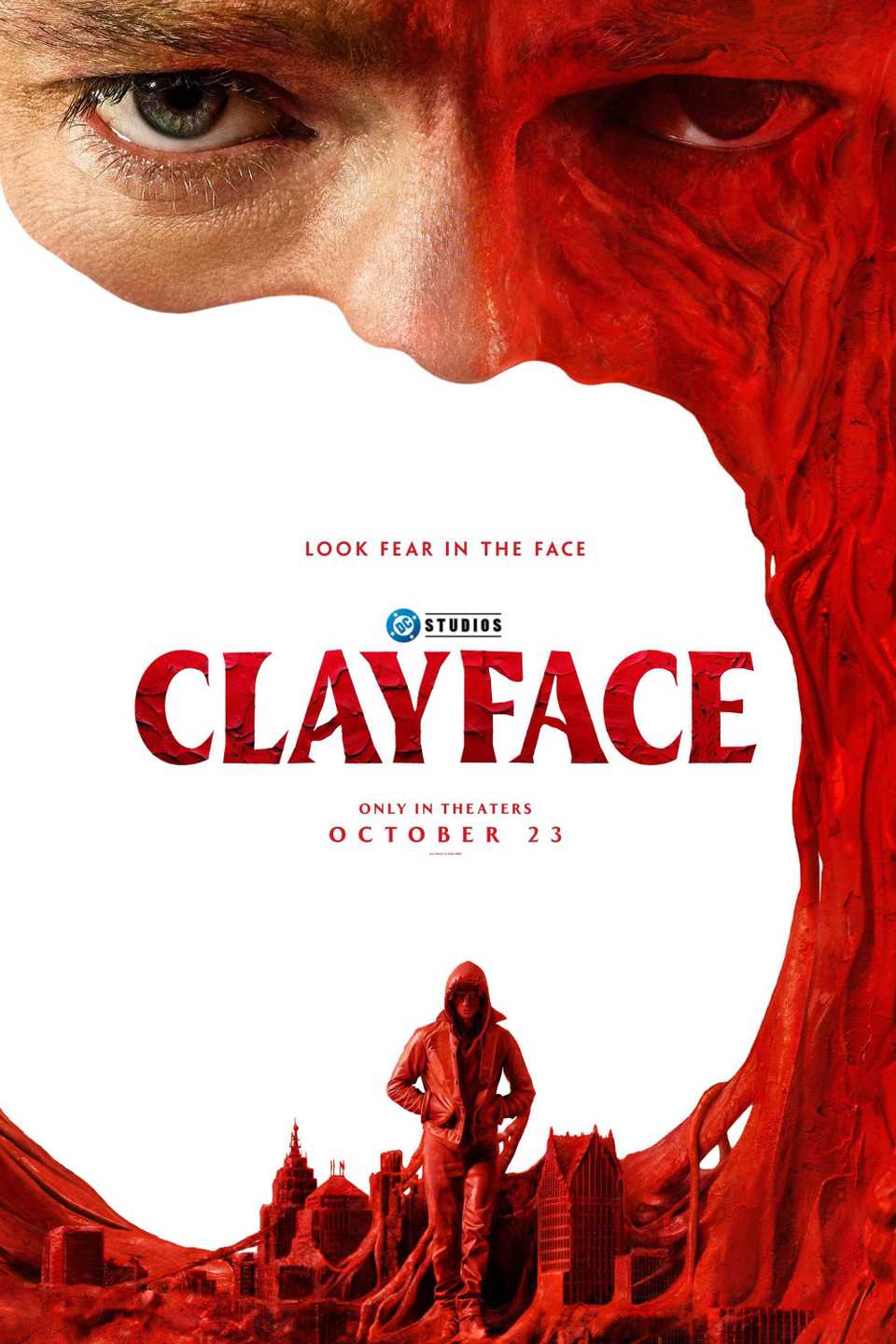
"If you’d have gone with Basil Karlo, it’s a little bit too gothic or too hard to do in such a modern idiom. The Matt Hagen is a more relatable version. Whether it’s Basil Karlo and Boris Karloff, there are all those characters that it’s referring back to in the Golden Age of Hollywood, that sort of thing. This is something that can sit in our contemporary time."
Despite prioritizing Hagen’s core journey, the creative team deliberately avoided adapting a single comic book run verbatim. The film’s Gotham City serves as a stylistic pastiche—a setting that is not rigidly modern, but rather borrows from multiple genres to achieve a timeless atmosphere. By blending Hagen’s foundational arc with structural nods to Batman: The Animated Series and cinematic horror, the film builds a complex universe tailored for the big screen.
Official Responses and Creative Collaboration
The development of Clayface represents a significant collaborative effort within the newly structured DC Studios ecosystem. With visionary horror writer-director Mike Flanagan co-writing the script alongside Hossein Amini, the film benefits from a pedigree deeply rooted in suspense and character-driven psychological terror.
The involvement of producers James Gunn and Peter Safran ensures that the project aligns with the broader creative direction of the DCU, while Matt Reeves’ participation bridges the stylistic gap between grounded, neo-noir interpretations of Gotham City and supernatural comic book elements.

While initial fan reactions upon the film’s announcement questioned how a shapeshifting mud monster could be adapted without slipping into camp, the early box office and critical reception point toward a successful tonal balancing act. By steering away from an overt, period-accurate homage to 1940s Hollywood—which a direct Basil Karlo adaptation might have demanded—the filmmakers carved out a space where body horror and tragic human drama intersect.
Implications for the Future of DC Villains on Screen
The choice to utilize Matt Hagen over Basil Karlo holds broader implications for how DC Studios approaches its slate of character-driven villain spotlights. Rather than treating comic book adaptations as static blueprints, the studio is demonstrating a willingness to deconstruct and reassemble characters to suit specific cinematic genres.
- Genre Flexibility: By framing Clayface through a lens that blends psychological drama with body horror, DC Studios signals that its character-focused projects will not be bound by traditional superhero formulas.
- Hybrid Adaptations: The film proves that audiences are receptive to synthesized origins. By taking Hagen’s powers and merging them with the tragic, theatrical undertones traditionally associated with Karlo or animated iterations, future DC projects may feel more comfortable borrowing across multiple eras of comic lore.
- The Expansion of Gotham’s Rogues: Following the critical and commercial success of mature, director-led character studies, Clayface establishes a precedent for second-tier and third-tier Batman villains to headline their own features without needing the Caped Crusader to anchor the narrative’s primary perspective.
As Clayface continues its theatrical run, the success of James Watkins and Mike Flanagan’s creative gamble will likely influence how future DCU projects adapt characters with complex, overlapping publication histories. For now, audiences stepping into theaters are witnessing a thoroughly modernized, deeply human tragedy—one born from a pool of radioactive clay, shaped by master storytellers, and firmly planted in a timeless, chilling vision of Gotham.
