
The New Frontier of Digital Cinema: TikTok and Sundance Institute Launch Global Micro-Series Program
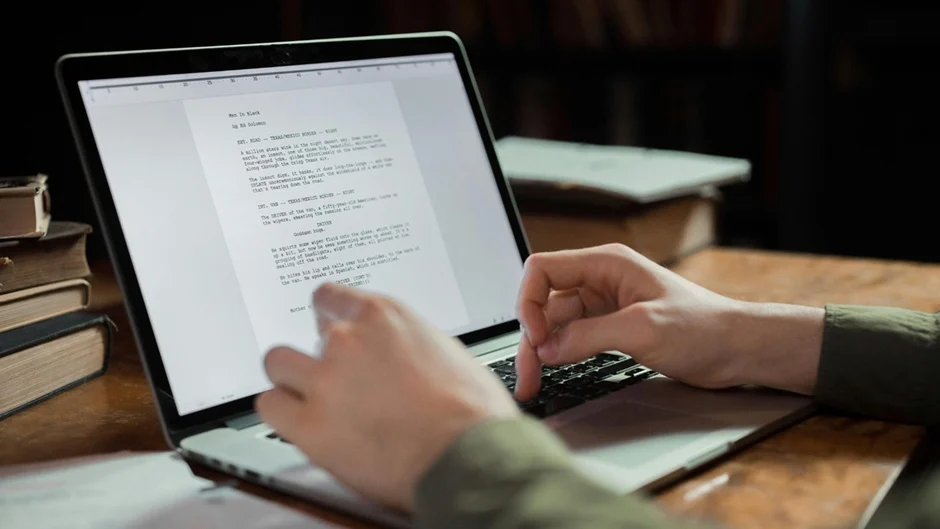
In an era where the boundaries between social media and traditional entertainment are increasingly porous, a landmark partnership has emerged to redefine the architecture of modern storytelling. TikTok, the global leader in short-form mobile video, and the Sundance Institute, the prestigious nonprofit organization behind the world-renowned Sundance Film Festival, have officially announced a groundbreaking global initiative: a micro-series writing program hosted through Sundance Collab.
This initiative represents a significant pivot in the creator economy, moving beyond viral trends toward structured, serialized narrative art. By combining TikTok’s massive distribution power with the pedagogical prestige of the Sundance Institute, the program aims to equip a new generation of digital auteurs with the technical and narrative tools required to master the "micro-series" format.
Main Facts: A Pedagogical Bridge Between Silicon Valley and Independent Cinema
The core of this partnership is a four-week, live online course specifically engineered for the nuances of short-form, vertical storytelling. Unlike traditional screenwriting workshops that focus on the three-act structure of a 90-minute feature or a 30-minute sitcom, this curriculum is tailored to the "micro-series"—a format where narrative arcs must be distilled into episodes lasting only a few minutes, designed for a mobile-first audience.
Key Program Details
- Duration: A four-week intensive, live digital course.
- Platform: Hosted on Sundance Collab, the Institute’s digital learning and community hub.
- Curriculum: Focuses on scriptwriting, character development within constraints, and serialized narrative frameworks for digital platforms.
- Accessibility: The program is global and free of charge for selected participants, aiming to remove financial barriers to high-level industry education.
- Application Deadline: The application window is currently open and will close on Wednesday, July 1.
The program is not merely a technical tutorial but a creative incubator. Participants will be part of a selected cohort, gaining access to industry experts who have successfully navigated the transition from traditional filmmaking to digital-first content. The goal is to transform "content creators" into "digital showrunners," capable of building sustainable, story-driven franchises within the TikTok ecosystem.
Chronology: From Film Festival Fandom to Creative Development
The announcement of this program is the culmination of a strategic evolution in the relationship between TikTok and the Sundance Institute. While TikTok has long been a place for film fans to discuss their favorite movies, its formal integration into the "prestige" film world has been a multi-step process.
The 2024 Sundance Film Festival
Earlier this year, TikTok served as an official partner for the Sundance Film Festival. This partnership was more than a branding exercise; it focused on "fueling film fandom." TikTok hosted panels, creator intensives, and behind-the-scenes content that brought the exclusive atmosphere of Park City to a global audience. The success of this collaboration proved that there was a massive appetite for high-quality, independent film discourse on a platform often associated with ephemeral trends.
The Vertical Media Summit (June 3)
The momentum continued into the summer. On June 3, at the Vertical Media Summit, Dawn Yang, TikTok’s Head of Entertainment Partnerships, signaled the next phase of this journey. She highlighted the shift from "passive consumption" to "active narrative engagement." During the summit, the framework for the Sundance Collab partnership was discussed as a necessary step to professionalize the burgeoning micro-series genre.
The Launch
With the opening of applications this week, the partnership moves from the "promotional" phase to the "educational" phase. By moving the collaboration to Sundance Collab, the two entities are shifting their focus from the audience (the fans) to the architects (the writers).
Supporting Data and Context: The Rise of the Micro-Series
To understand why this partnership is significant, one must look at the shifting consumption habits of the "Gen Z" and "Alpha" demographics. According to industry data, vertical video consumption has seen a 600% increase in engagement over the last five years compared to horizontal formats.
The "Screen Time" Precedent
TikTok pointed to the success of Screen Time, a series produced by HOORAE Digital (Issa Rae’s media company). This project served as a "proof of concept" for the platform. It demonstrated that audiences would tune in for recurring characters and serialized plots, provided the pacing matched the platform’s high-velocity nature. Screen Time proved that community-driven discovery—where the algorithm pushes the next "episode" to interested viewers—could rival the traditional "appointment viewing" of cable television.
Sundance Collab’s Role as an Equalizer
Sundance Collab was launched to democratize the Sundance Institute’s resources. Historically, the Institute’s labs were highly exclusive, physical retreats. By moving this micro-series program to their digital platform, Sundance is acknowledging that the next great storyteller might not have the means to travel to Utah but possesses a smartphone and a unique perspective. Sundance Collab currently supports thousands of storytellers from over 190 countries, making it the ideal vessel for a global TikTok initiative.
The Constraints of the 9:16 Frame
Writing for a 9:16 (vertical) aspect ratio requires a different psychological approach than the 16:9 (widescreen) cinematic standard. Micro-series often rely on close-ups, direct-to-camera addresses, and rapid-fire dialogue. The Sundance course is designed to treat these "limitations" as creative prompts rather than hindrances.
Official Responses: Defining a New Craft
The leadership from both organizations has framed this partnership as a mission-critical endeavor for the future of the arts.
Dawn Yang, Head of Entertainment Partnerships at TikTok, emphasized the speed and authenticity of the platform:
"TikTok has become a home for serialized storytelling, where original micro-series find audiences faster and more authentically than ever before. Following the success of Screen Time, produced by HOORAE Digital, we’ve seen how powerful community-driven discovery can be in helping stories break through, and we’re excited to partner with Sundance Collab in continuing to champion original voices."
Yang’s statement underscores a vital shift: on TikTok, "breaking through" doesn’t require a multi-million dollar marketing budget; it requires a narrative hook that resonates with a specific subculture or community.
Patty West, Director of Sundance Collab, spoke to the artistic legitimacy of the format:
"At Sundance Collab, our mission has always been to empower independent voices across all mediums. The micro-series format is genuinely exciting to us because its constraints produce exactly the kind of creative pressure that generates the most original work. Partnering with TikTok allows us to bring this opportunity to writers around the world entirely for free, removing the barrier between curiosity and action. We want creators to see this format not as a lesser version of film or television, but as its own distinct craft that is wide open for new voices to define."
West’s assertion that the micro-series is a "distinct craft" is a powerful validation from one of the most respected gatekeepers in the film industry. It signals to the broader cinematic world that short-form content is no longer just "social media"—it is a legitimate medium of artistic expression.
Implications: The Democratization of the Digital Backlot
The launch of this program has profound implications for the entertainment industry, the creator economy, and the future of narrative media.
1. The Death of the "Gatekeeper"
For decades, breaking into the writers’ room of a major network or studio required proximity to Los Angeles or New York and a complex web of agents and managers. This program suggests a new meritocracy. By providing "Sundance-level" training to anyone with an internet connection, the partnership effectively bypasses traditional gatekeepers, allowing talent to rise based on the quality of their digital scripts and the engagement of their audiences.
2. The Professionalization of the Creator Economy
For many TikTok creators, "content" has been synonymous with spontaneity. This program introduces the rigors of formal scriptwriting—pacing, character arcs, and thematic development—to the platform. This professionalization is likely to attract more brand interest and higher production values, potentially creating a new "middle class" of filmmakers who can sustain a career through serialized digital shorts.
3. A New Revenue Model for Storytelling
As micro-series become more sophisticated, the monetization models will follow. We are already seeing the rise of "pay-per-episode" models in some regions, and TikTok’s own monetization tools (such as "Series") allow creators to put premium content behind a paywall. By improving the quality of the writing through this Sundance partnership, TikTok is ensuring that the content is "sticky" enough to justify these new economic models.
4. Influence on Traditional Media
As micro-series gain prestige, traditional studios will likely begin to look to TikTok not just for "influencers" to market their films, but for "writers" to create them. The skills learned in this four-week course—specifically how to capture and hold attention in a high-distraction environment—are becoming increasingly valuable in the traditional TV and film space, where "viewer retention" is the ultimate metric.
Conclusion
The TikTok and Sundance Collab partnership marks a watershed moment in the evolution of digital media. It is a formal recognition that the future of storytelling is not just mobile, but serialized, community-driven, and accessible. By opening applications to storytellers worldwide, the program is not just teaching people how to write for TikTok; it is defining the grammar of 21st-century cinema. As the July 1 deadline approaches, the global creative community stands on the precipice of a new era where the next "Sundance Darling" might just be discovered on a "For You" page.
