
Redefining the Celebrity Docuseries: Why Netflix’s ‘The One About Matthew Perry’ Sets a New Gold Standard
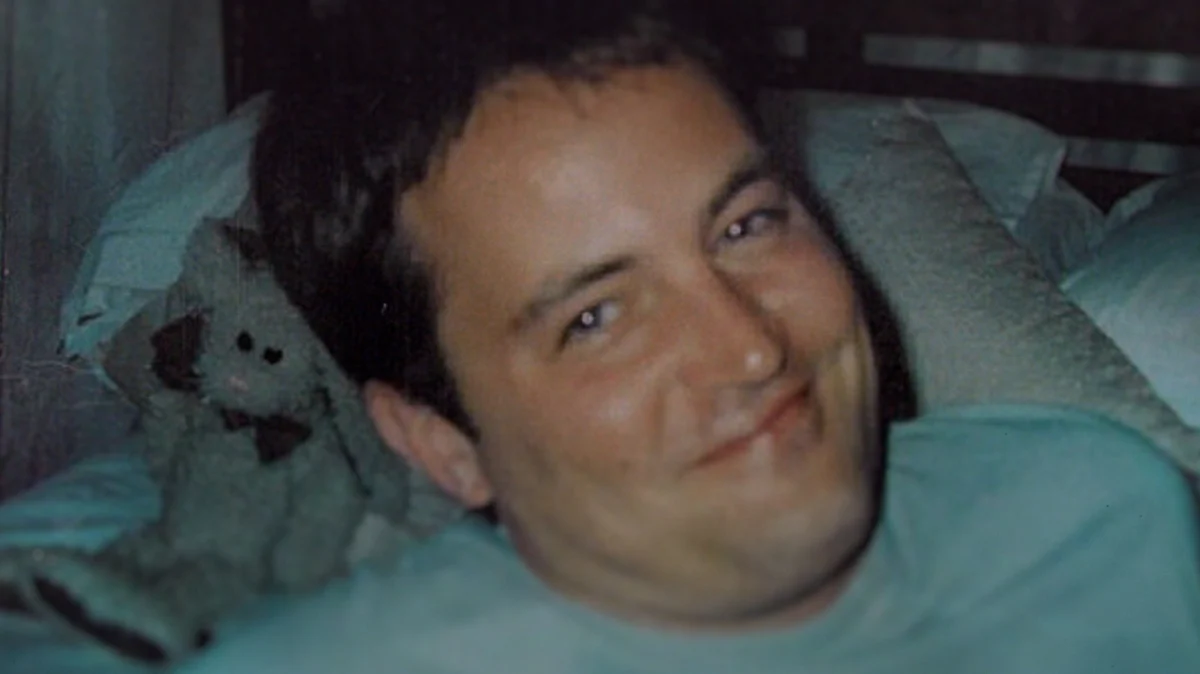
Main Facts: A Compassionate Portrait Beyond the Tabloid Grift
When the three-part Netflix documentary The One About Matthew Perry was first announced, audiences and critics alike approached the project with a heavy dose of apprehension. In an era dominated by sensationalized true-crime and celebrity tragedy deep-dives—projects that frequently prioritize tawdry gossip and morbid curiosity over genuine humanity—the prospect of a posthumous examination into the 2023 death of beloved Friends star Matthew Perry felt dangerously familiar.
Perry tragically passed away at the age of 54 due to the acute effects of ketamine combined with an accidental drowning, a culmination of a lifelong, highly publicized battle with substance abuse. Yet, under the direction of Emmy-winning filmmaker Mary Robertson, The One About Matthew Perry shatters the exploitative mold typical of modern streaming documentaries. Instead of delivering a voyeuristic post-mortem, the series presents a blunt, deeply respectful, and emotionally resonant portrait of a complex man who fought valiantly for his sobriety while bringing joy to millions.
Far from hiding from the darker realities of addiction, the documentary addresses Perry’s struggles head-on, incorporating insights from the people who knew him best: his family, his ex-girlfriends, his colleagues, and friends who stood by him for decades. By balancing the profound sorrow of his addiction with the sharp, self-deprecating humor that defined both his life and his iconic character, Chandler Bing, the series establishes a vital new benchmark for how Hollywood handles grief, legacy, and mental health on screen.
Chronology: A Life of Laughter, Relapse, and Resilience
To understand the weight of The One About Matthew Perry, the docuseries carefully maps out the timeline of the actor’s life, tracing the parallel tracks of skyrocketing professional success and spiraling personal torment.
Early Days and the Rise of Chandler Bing
Long before he was a household name, Perry was a sharp-witted youth navigating the complexities of a fragmented family life in Los Angeles. The documentary revisits these early years through archival footage and reminiscences from lifelong friends like Roger Castillo and David Pressman, who remember a young man defined by a quick wit and an infectious, generous spirit.
When Perry landed the role of Chandler Bing on NBC’s cultural juggernaut Friends, his career entered the stratosphere. However, the docuseries reveals that the foundation of his personal life was already beginning to fracture. Robertson’s film uncovers how deeply entrenched Perry’s addiction was even during the height of the sitcom’s massive success—noting instances where the actor was cycling in and out of rehabilitation centers during pivotal moments, such as the filming of the iconic episode where Chandler marries Monica Geller (Courteney Cox).
The Ongoing Battle
The chronology of Perry’s later life is marked by harrowing milestones. The documentary details sobering moments of crisis, including a severe car accident he caused while driving with his friend Marjorie Harris Newman, and his recurring, agonizing cycles of relapse. Yet, rather than utilizing these events for shock value, the series frames them as chapters in an exhausting, relentless war for sobriety. It underscores that Perry was not merely a victim of circumstance, but an active participant who spent decades trying to reclaim his life.
Supporting Data and Context: The Faces Behind the Narrative
What elevates The One About Matthew Perry above standard streaming fare is the caliber and intimacy of its contributors. Rather than relying on talking-head pop-culture commentators or distant industry executives, the project grounds its narrative in those who held a legitimate stake in Perry’s well-being.
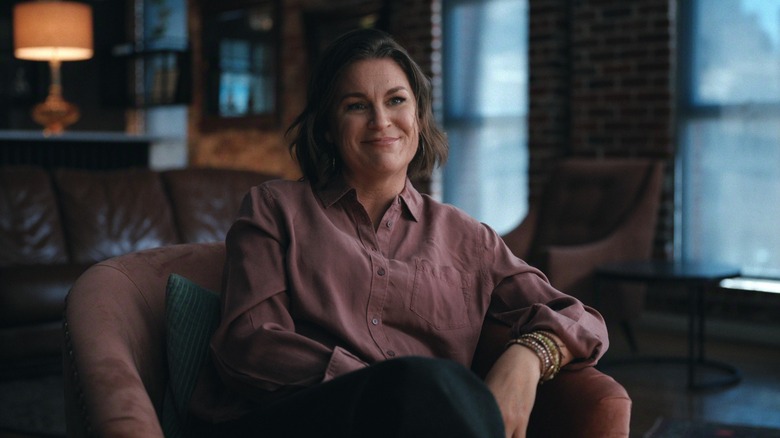
- Mia Perry Bowick: Perhaps the most pivotal voice in the documentary is Matthew’s half-sister, Mia Perry Bowick, who shares their father, John Bennett Perry. Prior to this project, Bowick had never spoken publicly about her brother’s life, legacy, or struggles. To better comprehend the forces governing her brother’s life, Bowick pursued a career as a licensed psychotherapist. Her presence anchors the docuseries, offering professional clarity mixed with raw, familial grief.
- The Inner Circle: Alongside Bowick, longtime confidants Roger Castillo and David Pressman provide crucial context regarding Perry’s pre-fame and post-fame realities. Actors Kevin Pollak and Nate Torrence also step forward to share personal anecdotes that humanize the actor far beyond his television persona.
- Addressing the Stigma: The series explicitly confronts societal misconceptions regarding substance abuse. It revisits an infamous archival interview where journalist Peter Hitchens aggressively asserted to Perry that addiction was merely a "choice" rather than a disease—a moment that visibly and understandably infuriated the late actor. Through Bowick’s therapeutic expertise and the personal testimonies of rehab alumni, the documentary dismantles this stigma entirely, framing addiction as a chronic health condition that requires empathy, understanding, and specialized care.
Official Responses and Creative Vision: Striking the Right Balance
Navigating the delicate boundaries of a posthumous celebrity documentary is a monumental task, one that director Mary Robertson approached with rigorous intention. In interviews surrounding the release of the series, Robertson discussed the nearly impossible tightrope walk of honoring a man’s tragic end while celebrating his vibrant life.
In a statement to Vulture, Robertson articulated the guiding philosophy of the project:
"It’s my intention that the film provide balm and entertainment, which is part of how we help people too. I think Matthew would be really upset if I made a film about his life that wasn’t funny. It was very important to me that this film be as funny as it could be, and that we find levity in the darkness and in the sorrowful moments. I don’t think that humor diminishes our grief or our understanding of his struggles."
This creative mandate is heavily reinforced by Mia Perry Bowick’s reflections shared via Netflix’s Tudum. Speaking on why she finally chose to speak out, Bowick noted:
"It’s taken time for me to feel ready to share these memories and what it was like to love Matthew through all the complexity of his life—to see him as a whole person, not just as Chandler, and not just as someone who struggled with addiction. As his sister, he shaped who I am today, the person I strive to be, and the work to which I’ve devoted my life. Matthew had a beautiful heart and a generous spirit, and even in his darkest moments, he could still make you laugh and feel loved. I hope this series gives everyone who loved him, whether personally or from afar, a deeper appreciation for who he truly was, and the legacy he leaves behind."
Implications: A Valuable Lesson for Future Streaming Documentaries
The cultural impact of The One About Matthew Perry extends far beyond the fanbase of Friends or the true-crime adjacent streaming ecosystem. By demonstrating that a documentary can be simultaneously devastating, brutally honest, and deeply life-affirming, the series issues a direct challenge to content creators across platforms like Netflix, Max, and Prime Video.
For years, the streaming landscape has been flooded with exploitative exposes that capitalize on the sudden deaths of public figures, leaving audiences feeling hollow, manipulated, or grossed out. Robertson’s work proves that there is a better, more ethical path forward. By centering the narrative around family, clinical understanding, and genuine human connection rather than tabloid-style excavation, The One About Matthew Perry transforms a heartbreaking narrative into a supportive resource for others walking the difficult path of recovery.
Ultimately, whether viewers tune in as lifelong fans of Chandler Bing or as individuals personally touched by the ripple effects of substance abuse, The One About Matthew Perry is essential viewing. It reminds us that behind the public glare of celebrity and the tragic headlines of addiction lies a human being worthy of grace, laughter, and lasting, respectful remembrance.
If you or anyone you know needs help with addiction issues, help is available. Visit the Substance Abuse and Mental Health Services Administration website or contact SAMHSA’s National Helpline at 1-800-662-HELP (4357).
