
All Roads Lead to Ruin: A Deep Dive into The Rings of Power Season 3
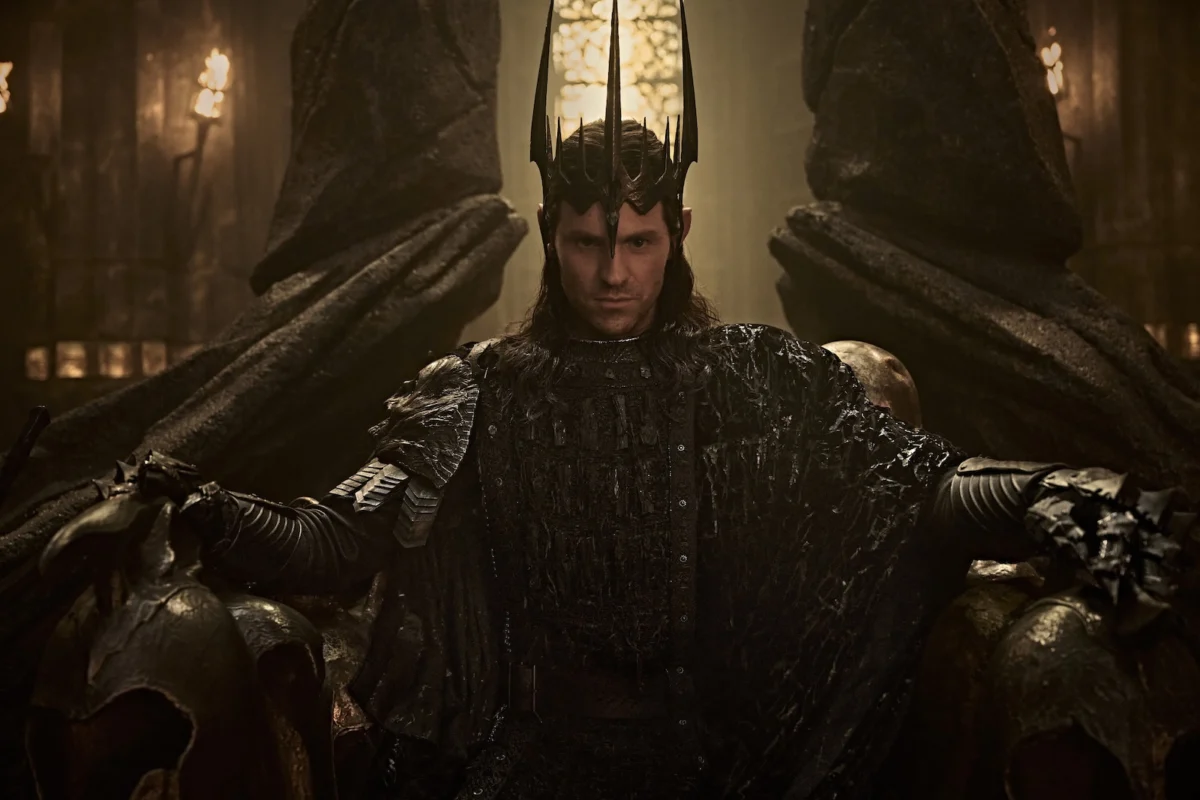
The cinematic landscape of Middle-earth is bracing for a seismic shift. As Prime Video prepares to launch the highly anticipated third season of The Lord of the Rings: The Rings of Power, the latest promotional trailer has provided fans with a grim, high-stakes glimpse into a world teetering on the precipice of total annihilation. With the Dark Lord Sauron firmly establishing his foothold in Mordor, the upcoming season promises to be the darkest chapter yet, marking a pivotal transition from the political maneuvering of previous seasons to a full-scale, desperate war for survival.
The Main Facts: Sauron’s Rise and the Gathering Storm
Scheduled to premiere on November 11, 2026, the third season of The Rings of Power picks up the narrative threads five years after the devastating fall of Eregion. The central conflict has shifted from the subtle infiltration of elf-kind to the overt, brutal expansion of Sauron’s military might. Charlie Vickers, whose portrayal of Sauron has been a cornerstone of the series, returns to center stage as his character transitions from a manipulative shapeshifter to an industrial tyrant, obsessed with the completion of his masterwork: the One Ring.
The stakes have never been higher. While the trailer features moments of intimate character connection—most notably an emotional reunion between Galadriel (Morfydd Clark) and Celeborn (Jamie Campbell Bower)—these beats are punctuated by the overwhelming shadow of Barad-dûr. As the Dark Lord toils within his newly completed tower, the free peoples of Middle-earth find themselves increasingly isolated, with the Dwarves of Khazad-dûm sealed behind stone and the elven strongholds of Lindon and Rivendell desperately clutching at the protective power of their own Three Rings.
A Chronological Descent: From Eregion to the Forge
To understand the trajectory of Season 3, one must look at the timeline of destruction that has brought Middle-earth to this inflection point. The fall of Eregion serves as the "Year Zero" for the current conflict. Following the collapse of that elven city, the geopolitical landscape of the Second Age was irrevocably fractured.
- Year 0 (Post-Eregion): The immediate aftermath saw the scattering of the Noldor and the loss of critical intellectual and magical infrastructure. Sauron utilized this power vacuum to consolidate his forces in the volcanic wastes of the East.
- Years 1–4: The period of "Silent Expansion." Sauron’s armies, bolstered by corrupted remnants of the Southern human tribes, began a methodical conquest of the world’s periphery. This was a time of fear and fortification, where isolated kingdoms turned inward.
- Year 5 (The Current Season): The onset of total war. The trailer suggests that the "isolated pockets" of resistance are finally being squeezed by the Dark Lord’s reach. The race to forge the One Ring represents the climax of this four-year build-up, shifting the conflict from a war of attrition to a fight against an absolute, singular power.
Supporting Data: The Geography of Despair
The narrative scope of The Rings of Power has always been vast, but Season 3 leans heavily into the environmental storytelling of Middle-earth’s geography. The map of conflict is divided into three distinct zones of tension:
- The Mountain Halls of Khazad-dûm: The Dwarves, once the greatest architects of the age, have adopted a policy of extreme isolationism. By sealing their doors, they hope to preserve their culture, but the trailer hints that this defensive stance is failing. The psychological toll of being trapped beneath the mountains will likely serve as a major subplot.
- The Elven Bastions (Lindon and Rivendell): These remain the last bastions of light. However, the data provided by the synopsis implies that the Three Rings are merely a temporary shield. The tension in Season 3 revolves around whether these rings are enough to withstand the might of Mordor or if they are, in fact, tethering the Elves to a losing battle.
- The Mordor Front: Barad-dûr acts as the gravitational center of the season. The industrialization of the land—the smoke, the fire, and the relentless forging—serves as a metaphor for the rapid, mechanical destruction of the natural order that characterizes the Dark Lord’s influence.
Official Responses and Creative Direction
In recent promotional interviews, the creative team behind the series has emphasized the "inevitability" of the third season’s tragedy. While previous seasons focused on the "how" and "why" of Sauron’s return, Season 3 is focused on the "consequence."
Morfydd Clark, speaking on her character’s journey, noted that Galadriel’s arc this season is defined by the heavy burden of hindsight. Having been instrumental in the discovery of Sauron’s identity, her fight in Season 3 is not just against an external enemy, but against the guilt of her own past actions. The inclusion of Celeborn, long thought lost or distant, adds a layer of tragic romance to the narrative. Their reunion, while heart-wrenching, is framed against a backdrop of war, suggesting that for the characters of The Rings of Power, personal happiness is an expensive luxury that few can afford.
The production design team has also confirmed that the visual language of the show will darken significantly. The "Mordor aesthetic"—characterized by harsh, volcanic lighting and cold, metallic textures—will bleed into the scenes taking place in the elven realms, signaling the encroaching influence of the Dark Lord.

The Broader Implications: What Does This Mean for the Lore?
The progression of Season 3 poses significant questions for the adaptation’s fidelity to J.R.R. Tolkien’s original writings. By accelerating the forging of the One Ring, the show is moving toward the events of the War of the Elves and Sauron with a pace that suggests the series is building toward a grand, cinematic conclusion.
1. The Erosion of Hope
The thematic core of the third season appears to be the erosion of trust. With the free peoples separated by fear and geographic distance, the show is exploring the difficulty of creating an alliance in the face of an existential threat. This mirrors the real-world complexities of diplomatic collapse, grounding the fantasy narrative in relatable political struggle.
2. The Wizard Factor
The mention of "Wizards" in the official synopsis is a subtle but massive reveal. As the mysterious figure often referred to as "The Stranger" continues to navigate his own origin story, his role in the conflict will likely be the wildcard. If the Wizards are forced to take a side, the magical power dynamic of Middle-earth could shift drastically, potentially offsetting the advantage provided by the One Ring.
3. The Endgame of the Second Age
As we head toward the November 25 season finale, viewers should expect to see the pieces of the eventual "Last Alliance" beginning to form. However, the show is clearly positioning the third season as the moment where the protagonists hit rock bottom. If the first two seasons were about the discovery of evil, the third is about the total failure of existing power structures to contain it.
Looking Ahead: The November Release Schedule
Prime Video has opted for a staggered release strategy to maintain momentum throughout November:
- November 11: The grand opening, featuring the first four episodes. This "marathon" approach suggests that the writers have structured the season as a two-act play, with the first half focusing on the escalation of the threat.
- November 18: Episodes five and six. This will likely mark the mid-season pivot, where the consequences of the season’s opening conflicts come to a head.
- November 25: The two-part finale. The final release will be the ultimate test of the season’s emotional weight, likely ending on a cliffhanger that will set the stage for the inevitable conflict of the later ages.
As the release date approaches, the excitement is palpable. The Rings of Power has never been a series to shy away from the darker elements of Middle-earth’s history, but Season 3 represents a commitment to a narrative of total war. It is a story of how a world—no matter how golden or ancient—can be brought to its knees by the ambition of one individual, and how the few who stand against him must risk everything to prevent the extinguishing of all life.
Whether the forces of light can unite in time remains the season’s burning question. For the residents of Middle-earth, the road ahead is dark, dangerous, and leading directly toward the shadow of the mountain. For the viewers, it promises to be an unmissable journey into the heart of fantasy’s greatest tragedy.
