
DJI Completes Its Flagship Lineup: Osmo Pocket 4P Finally Arrives in Pearl White
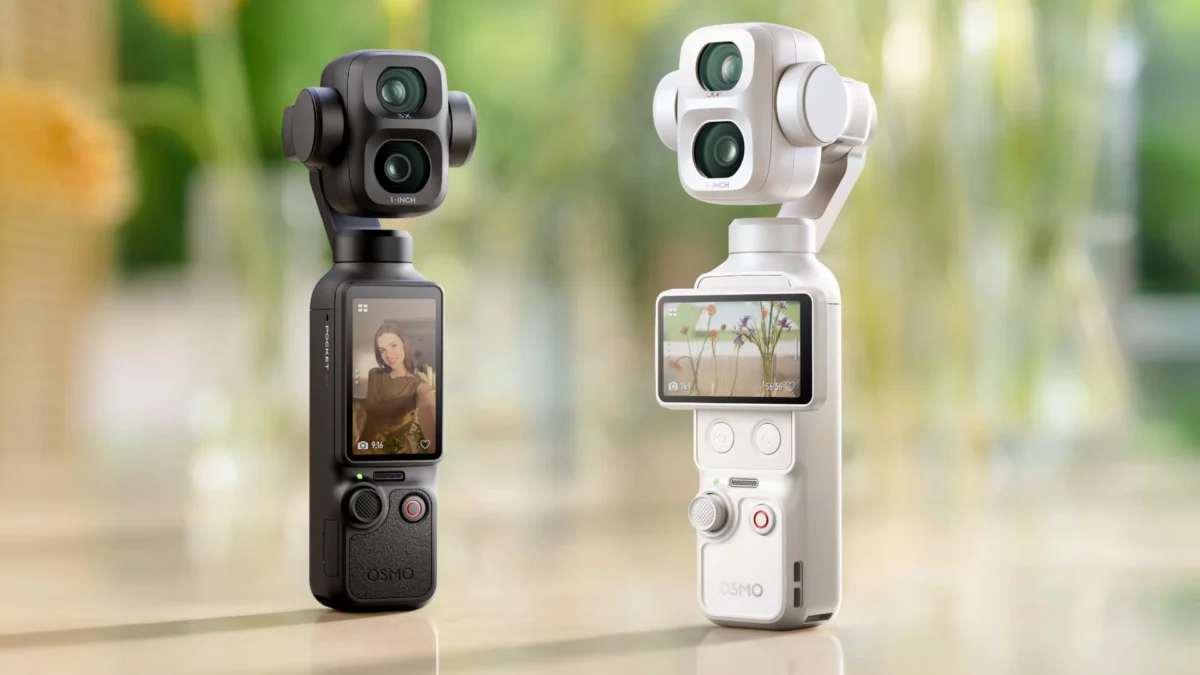
Global Technology Desk — Following a somewhat convoluted and highly anticipated rollout that began earlier this summer, DJI has officially fulfilled its product roadmap promise. The flagship DJI Osmo Pocket 4P—the company’s premier dual-lens pocket gimbal camera—is now available worldwide in a striking new "Pearl White" colorway.
When the device made its global debut on July 30, consumers were greeted with the sleek "Classic Black" version, while the lighter alternative remained tantalizingly listed as "coming soon." With this final piece of the puzzle now in place, content creators, vloggers, and cinematographers have a fresh aesthetic choice for one of the most powerful ultra-portable cameras on the market.
Beneath the new exterior, however, the camera remains identical to its predecessor in terms of internal hardware, capabilities, and pricing. Retailing at $619, the Pearl White iteration preserves the exact feature set that earned the Osmo Pocket 4P critical acclaim upon its initial release, ensuring that buyers do not have to sacrifice performance for style.
Main Facts: What the Pearl White Osmo Pocket 4P Offers
For creators weighing their options between the Classic Black and the new Pearl White models, DJI has ensured that the choice is purely cosmetic. The core technical specifications remain untouched:
- Sensor and Imaging: At the heart of the device is a robust 1-inch CMOS sensor capable of capturing astonishingly crisp footage. It boasts an impressive 17 stops of dynamic range, allowing shooters to preserve details in high-contrast lighting environments—from shadowed alleys to glaring sunlit landscapes.
- Optics: The pocket-sized powerhouse features a versatile dual-lens system covering a 20mm to 60mm optical range, granting users flexibility ranging from wide-angle vlogging to tighter, more compressed portrait framing.
- Color Science: The camera supports DJI’s latest 10-bit D-Log 2 color profile, offering professional-grade grading latitude for filmmakers looking to match footage from larger cinema cameras.
- Pricing and Availability: The Pearl White Osmo Pocket 4P matches the retail price of the Classic Black version, launching at $619. Select accessories in the ecosystem—including carrying cases and specific mounts—have also received the matching Pearl White treatment, though the mix of color-coordinated gear varies within bundled packages like the Vlog Combo.
Chronology: The Road to the Pearl White Release
The journey of the DJI Osmo Pocket 4P to store shelves has been anything but conventional. Understanding the timeline of its release sheds light on why this color rollout is a significant milestone for the brand.
Spring to Early Summer: Teasers and Leaks
Months before its official unveiling, rumors swirled within videography communities about DJI’s next-generation pocket gimbal. Speculation centered heavily on how DJI would upgrade the beloved Osmo Pocket series to compete with increasingly capable smartphone sensors and dedicated mirrorless setups.
July 30: The Global Launch
On July 30, DJI officially pulled back the curtain on the Osmo Pocket 4P during a global launch event. While the event showcased the camera’s advanced 1-inch sensor, dual-lens architecture, and 17 stops of dynamic range, it also introduced a split release strategy. The Classic Black model immediately hit shelves and digital storefronts worldwide, while the Pearl White variant was relegated to a "coming soon" status, sparking curiosity and speculation about manufacturing delays or intentional staggered marketing.
Late Summer and Fall: Firmware Refinements
While awaiting the white variant, early adopters put the Classic Black model through its paces. Reviewers praised its outstanding image quality, though initial critiques pointed out minor software quirks and implementation hurdles. To DJI’s credit, a series of prompt firmware updates rolled out over the subsequent weeks, smoothing out the user experience and optimizing stabilization and color processing.
Present Day: The Picture is Complete
With the official commercial release of the Pearl White edition, DJI has officially closed the loop on its July launch promises. The product lineup is now complete, offering buyers full parity in choice between understated matte black and luminous pearlescent white.
Design and Aesthetics: The Science of "Pearl White"
DJI’s marketing materials emphasize that the new device is not merely painted white, but engineered with a sophisticated finish dubbed "Pearl White."
According to the company, the chassis is crafted using advanced mica-infused pearlescent pigments applied via a multi-layer spray coating technology. This manufacturing process is designed to prevent the chalky, monochromatic look typical of standard white consumer electronics. Instead, the finish interacts dynamically with ambient light. Depending on the viewing angle and the lighting conditions—whether shooting under harsh midday sun or warm indoor studio lamps—the casing reveals subtle, soft luminous shifts.
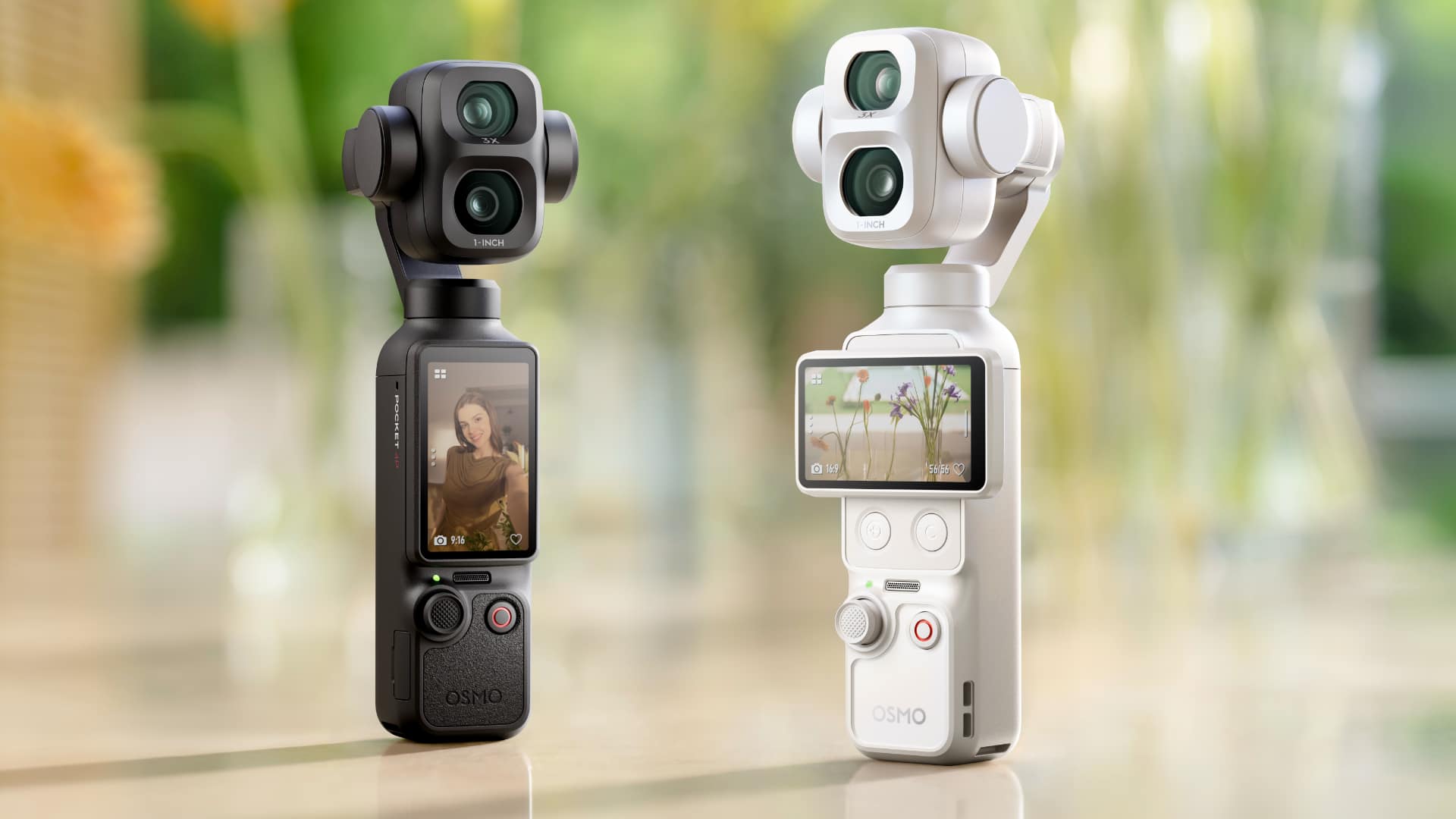
This attention to exterior finish reflects a broader consumer electronics trend where device aesthetics are treated as high fashion. By offering a lighter colorway, DJI is catering specifically to lifestyle vloggers, fashion and beauty content creators, and travel influencers who often prefer equipment that blends seamlessly into bright, airy visual aesthetics.
Supporting Data: Consumer Preferences in Tech Colorways
The debate over device colors is as old as consumer technology itself. Do buyers actually prefer black, white, or vibrant hues when investing in high-end tech gear? Hard data on niche product color performance is notoriously difficult to come by, but historical consumer research offers intriguing insights.
- The iPod Era: Looking back at archival tech trends, a famous Fortune article from October 2006 analyzed Apple’s nano sales data and found that black nano iPods outsold white nano models at a ratio of 4:3. At the time, black was marketed as the sophisticated, premium alternative to Apple’s iconic initial white aesthetic.
- Smartphone Polls: A more modern pulse on consumer preferences can be found in historical tech polling. For instance, a comprehensive PhoneArena reader poll from 2016 asked participants to choose their ideal smartphone color from a selection of 20 options. Approximately 21% of nearly 2,500 respondents selected white as their top preference, closely followed by black at roughly 19%.
While these historical data points span different eras of consumer electronics, they highlight a persistent split: audiences are nearly evenly divided between the stealthy practicality of black and the clean visibility of white. By providing both options at the exact same price point ($619), DJI effectively eliminates the friction of color choice, ensuring that neither camp is forced to compromise on hardware features.
Official Responses and Critical Reception
The Osmo Pocket 4P has largely been received as a triumph of miniaturization and optical engineering, though not without minor growing pains.
In comprehensive reviews—including our own deep dive into the hardware—critics have universally lauded the camera’s "outstanding image quality." The combination of the 1-inch CMOS sensor and the dual-lens 20–60mm optical range bridges the gap between casual action cams and professional-grade production gear. The inclusion of 10-bit D-Log 2 has been singled out as a massive win for colorists, providing the dynamic range necessary to salvage challenging lighting scenarios without introducing unacceptable digital noise.
However, the launch was accompanied by constructive feedback regarding user interface implementation and accessory compatibility. Some early users noted learning curves associated with navigating the dual-lens switching mechanisms on a small touchscreen interface. Fortunately, DJI’s rapid deployment of firmware patches has systematically addressed many of these operational grievances, solidifying the camera’s reputation as a reliable daily driver for mobile creators.
Implications: Market Position and Regional Challenges
The arrival of the Pearl White Osmo Pocket 4P has immediate implications for DJI’s market positioning, as well as highlighting ongoing regional idiosyncrasies in consumer tech distribution.
Cementing Dominance in the Creator Economy
By rounding out the Pocket 4P lineup with a lifestyle-oriented colorway, DJI reinforces its near-monopoly on the pocket gimbal market. While competitors have attempted to encroach on the form factor, the combination of a 1-inch sensor, professional color profiles, and now dual aesthetic choices keeps DJI firmly at the top of the news cycle and consumer wishlists.
The Regional Elephant in the Room: The US Market
Despite the excitement surrounding the global rollout, a persistent shadow hangs over availability in key territories. Consumers based in the United States continue to face complex hurdles regarding official distribution and regulatory landscape shifts concerning DJI hardware. The ongoing policy environment has forced many US-based creators to rely on gray imports or alternative purchasing channels just to get their hands on the latest gear.
In light of this, tech commentators have joked that DJI might do well to introduce a "Space Gray" variant specifically to acknowledge the massive influx of gray-market imports making their way across American borders.
Looking Ahead
Regional hurdles aside, the launch of the Pearl White DJI Osmo Pocket 4P marks the definitive completion of one of the year’s most significant hardware releases. For creators looking for a discrete, high-performance, and visually striking pocket camera, the choice is no longer just about what the device can do—it’s about matching it to your personal brand. At $619, whether you lean toward Classic Black or shimmering Pearl White, the hardware under the hood remains unequivocally top-tier.
