
Fear as a Beacon: How the Horror Short Remain Calm Turned Pauly Shore and a Stress-Hunting Monster Into a Viral Phenomenon
Main Facts
In the modern cinematic landscape, horror monsters rarely require complex psychological profiles to terrify audiences. Traditional slashers rely on heavy footsteps, iconic masks, and cinematic isolation; supernatural entities feed on skepticism, ancient curses, or moments of profound vulnerability. However, the viral horror-comedy short Remain Calm, which premiered on YouTube on October 12, introduces a uniquely modern apex predator: a terrifying entity known as Mr. Frett.
Unlike conventional cinematic monsters that punish victims for making noise, running away, or attempting to hide, Mr. Frett operates under a singular, merciless rule. The creature can only track, locate, and attack individuals who are experiencing heightened states of anxiety, stress, or fear. In an era often defined by hyper-vigilance, global uncertainties, and societal burnout—a cultural landscape sardonically mirrored by the fictional year 2026 within the film—this premise transforms emotional regulation into an extreme survival sport.
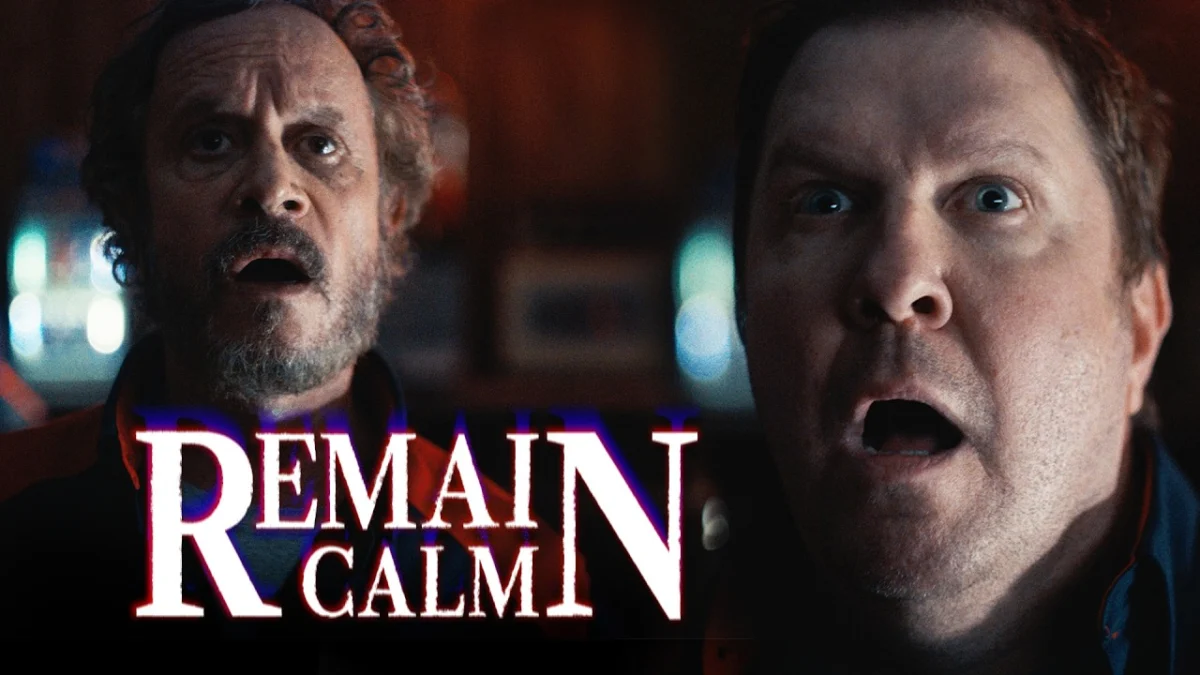
The 20-minute short film was written and directed by Jake Lewis, who developed the core narrative alongside Sam Lewis. Rather than casting conventional dramatic actors to shoulder the crushing weight of existential terror, the production made an inspired, highly unconventional casting choice: comedy icon Pauly Shore. Known globally for decades of playing the most relaxed, unbothered guy in any given room, Shore brings his signature deadpan nonchalance to the role of Matt, an isolated gas station night-shift worker.
Alongside Shore is fellow comedian Nick Swardson, who portrays his co-worker, Erwin. Together, the duo must navigate a terrifying overnight shift when they realize that panic is literally lethal. The cast is further elevated by creature-performer heavyweights, including Kevin Keppy as the menacing Mr. Frett and legendary monster actor Doug Jones—whose role as a character literally named the "Grin Man" feels like a masterclass in typecasting. Practical creature effects and world-building were engineered by the special effects house Gorgazma.
Since its stealthy digital drop, Remain Calm has exploded across the internet. As of October 21, the short has amassed over 5.5 million views on YouTube, sparking intense discussions within horror communities, meme circles, and industry trades alike. Just days prior to reaching the 5.5 million milestone, horror entertainment outlet Dread Central broke the exclusive news that the creative team is actively shopping the short film concept as a full-length feature film. While no official studio greenlight or distribution deal has been publicly finalized, the overwhelming public reception indicates that audiences are more than ready for a feature-length exploration of emotional self-control under apocalyptic pressure.
Chronology
The trajectory of Remain Calm from concept to viral sensation represents a modern case study in independent filmmaking, strategic digital distribution, and audience-driven momentum.
Pre-Production and Development
Long before cameras rolled, filmmakers Jake Lewis and Sam Lewis conceptualized a world where human emotion acts as a literal homing beacon for supernatural violence. Recognizing that standard horror tropes—screaming, panicking, and frantic sprints—would result in instant death for their protagonists, the writers engineered a survival mechanic that inverted genre norms. The characters could not fight back with weapons or outrun their pursuer; their only defense was absolute, paradoxical inner peace.
Casting decisions proved pivotal to establishing the film’s delicate tonal balance between high-concept horror and dark comedy. Bringing in Pauly Shore and Nick Swardson required a script that could leverage their natural comedic rhythms while plunging them into genuine jeopardy. Shore’s decades-long cinematic persona as the ultimate slacker—epitomized by 1990s cult classics like Encino Man and Son in Law—was weaponized as a tactical advantage. After all, if a monster feeds on anxiety, who better to survive than someone constitutionally incapable of stressing out?
Principal Photography and Effects
Production relied heavily on practical filmmaking techniques to ground the surreal premise in tactile reality. The filmmakers enlisted Gorgazma to handle creature work and physical effects. Rather than depending exclusively on computer-generated imagery, the production utilized physical costuming and puppetry, bringing terrifying entities like Mr. Frett (played by Kevin Keppy) and the Grin Man (portrayed by Doug Jones) directly onto the physical set. This methodology imbued the gas station setting with a claustrophobic, tangible dread that resonated deeply with viewers once editing wrapped.
The October Premiere and Viral Explosion
On October 12, Remain Calm officially premiered on YouTube, bypassing traditional festival circuits in favor of a direct-to-consumer digital release. The timing proved fortuitous, capitalizing on the October horror viewing season. Within days, the algorithm caught fire. Word-of-mouth recommendations across social media platforms like X (formerly Twitter), Reddit, and TikTok propelled the short film into mainstream algorithmic visibility.
By October 19, industry momentum reached a critical inflection point when Dread Central reported exclusively that the creative team was shopping the short as a pitch for a theatrical or streaming feature film. Two days later, on October 21, the view count crossed the 5.5 million threshold, solidifying the project’s status as a bona fide internet phenomenon.
Supporting Data
To fully understand the meteoric rise of Remain Calm, one must examine the quantitative metrics driving its current industry footprint. Independent horror shorts rarely cross into mainstream cultural discourse outside of specialized festivals or horror-centric streaming platforms like Shudder. However, YouTube’s open ecosystem provided a hyper-accessible launchpad.

| Metric Category | Data Point / Statistic | Context / Date |
|---|---|---|
| Official Premiere Date | October 12 | Released directly to YouTube |
| Total View Count | 5.5 Million+ Views | Recorded as of October 21 |
| Time to Milestone | ~9 Days | Reached viral velocity within the first week |
| Exclusive Industry Report | October 19 | Dread Central reports feature film shopping |
| Primary Cast | Pauly Shore, Nick Swardson | Comedic leads playing gas station workers |
| Creature Performers | Kevin Keppy, Doug Jones | Portraying Mr. Frett and the Grin Man |
| Effects Studio | Gorgazma | Practical creature design and execution |
The data illustrates a rare compression of the traditional entertainment pipeline. Typically, a short film spends months on the festival circuit, followed by protracted sales agent negotiations before securing adaptation rights. Remain Calm bypassed this friction entirely. By releasing the proof-of-concept directly to an audience of millions, the filmmakers leveraged immediate viewer demand as undeniable leverage in studio pitch meetings.
Furthermore, the demographic crossover between Pauly Shore’s nostalgic fan base and modern horror enthusiasts created a hybridized audience. Comment sections across YouTube and social media platforms reflect a cross-generational appeal: older viewers tuning in for Shore and Swardson found themselves genuinely impressed by the atmospheric tension and creature design, while younger horror fans discovered a fresh, high-concept subversion of monster-movie rules.
Official Responses
As Remain Calm continues to dominate digital viewing figures and industry trade reports, reactions from creators, cast members, and entertainment journalists offer insight into the project’s unexpected cultural resonance.
Jake Lewis, the writer and director behind the short, has emphasized in early press statements that the project was designed to challenge both the characters on screen and the audience watching at home. In interviews surrounding the release, Lewis noted that the genesis of the story stemmed from a desire to explore how modern humans—accustomed to constant low-grade stress—would fundamentally fail a test that demands absolute tranquility.
Pauly Shore’s involvement has generated significant commentary from the actor himself. Known for embracing his status as an enduring pop-culture figure, Shore has expressed enthusiasm regarding the tonal blending of comedy and horror. On social media platforms, Shore actively engaged with fans celebrating the short’s viral milestones, reposting viewer reactions and highlighting the collaborative effort with co-star Nick Swardson. For Shore, the role represents a fascinating pivot into genre filmmaking, proving that his laid-back screen persona can be retrofitted to anchor a high-stakes horror narrative.
Industry coverage, particularly the exclusive report published by Dread Central on October 19, highlighted the strategic intent behind the short’s release. Rather than treating YouTube as a final destination, the production utilized the platform as a dynamic proof-of-concept. Entertainment journalists noted that the swift pivot toward shopping the concept as a feature film reflects a modern paradigm shift in Hollywood greenlighting practices: studios increasingly look to proven digital engagement metrics over traditional spec scripts when evaluating horror properties.
Implications
The runaway success of Remain Calm extends far beyond a viral internet video; it carries profound implications for the future of independent horror distribution, casting strategies, and thematic storytelling in contemporary cinema.
The Death of Traditional Gatekeeping and the Rise of Proof-of-Concept Shorts
For decades, independent filmmakers spent years attempting to finance feature films through traditional script submissions, suffering through endless development hell. Remain Calm exemplifies a new era where a well-executed 20-minute short can bypass the gatekeepers entirely. By releasing the film directly to YouTube and accumulating over 5.5 million views in under two weeks, the creators manufactured undeniable market demand. Studios can no longer argue that an audience doesn’t exist for a story about a stress-hunting monster; the view counts, comment sections, and social media shares provide empirical proof. If Remain Calm successfully transitions into a feature-length film, it will serve as yet another blueprint for emerging creators seeking to weaponize digital platforms for greenlights.
The Subversion of Comedic Persona in Horror
Casting Pauly Shore and Nick Swardson in a horror film is a masterclass in tonal counterprogramming. Historically, horror relies on actors who can project vulnerability, panic, or unyielding toughness. By casting two comedians whose comedic identities are rooted in an inability to take anything seriously, the filmmakers inadvertently created the ultimate logical defense against Mr. Frett. If the monster hunts anxiety, a career built on unbothered nonchalance becomes a tactical superpower. This casting choice opens up exciting avenues for future horror casting, proving that unexpected genre-blending can yield memorable character dynamics that straight-laced dramatic casting might fail to achieve.
Cultural Resonance: Horror as a Mirror for Modern Burnout
On a thematic level, Remain Calm taps directly into the collective psychological exhaustion of the mid-2020s. Society is currently saturated with conversations regarding burnout, chronic stress, anxiety disorders, and the impossible demand to remain "productive" and "positive" amidst global turbulence. By turning anxiety into a literal death sentence, the film constructs a brilliant dark satire of modern life. Viewers watching Matt and Nick Swardson’s Erwin struggle to keep their heart rates down while a monster stalks them are invited to laugh at their own daily struggles with stress management.
If the concept expands into a feature film, the screenwriters will have a vast thematic sandbox to explore. How does a society function when panicking draws a monster? How do governments weaponize or medicate populations to prevent mass attacks? Can anyone truly remain calm in a collapsing world?
For now, Remain Calm stands as a triumph of independent horror engineering—a terrifying, hilarious, and uncomfortably relatable reminder that in the face of modern dread, sometimes the scariest thing you can do is simply take a deep breath.
