
From Fan Theory to Reality: How The Simpsons Season 38 Canonized the Marge-Lenny Romance
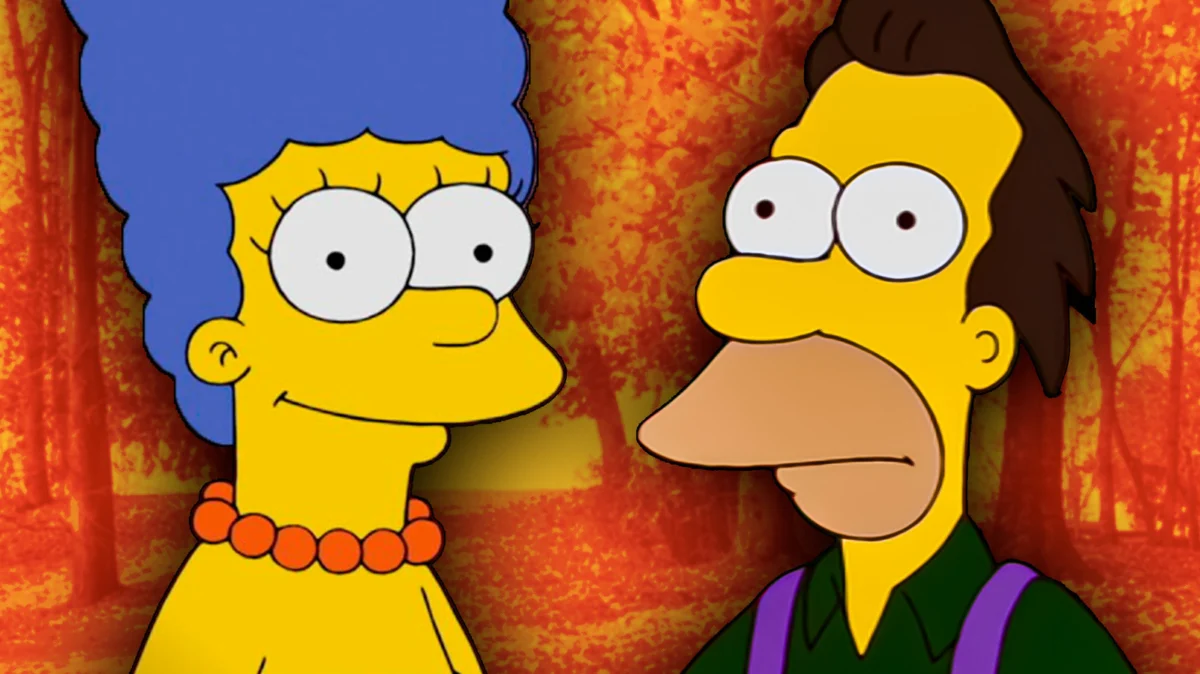
In the ever-expanding multiverse of Springfield, few television staples have maintained the longevity or the cultural footprint of The Simpsons. For 38 seasons, the series has navigated the delicate balance of maintaining a status quo while occasionally winking at the audience through meta-commentary and surreal "Treehouse of Horror" segments. However, the latest installment of the annual anthology, "Treehouse of Horror XXXVII," has achieved something rare: it has taken a decades-old piece of fan speculation and woven it directly into the show’s official lore.
The episode confirms a long-standing theory that Marge Simpson, the matriarch of the most famous animated family in television history, harbors a secret—or perhaps not-so-secret—affection for one of Homer’s best friends: Lenny Leonard.
The Genesis of a Theory: Tracking the "Marge and Lenny" Clues
To understand the significance of this revelation, one must look back at the breadcrumbs scattered across the show’s history. For years, eagle-eyed viewers have pointed to subtle, sometimes bizarre moments that suggested a connection between Marge and Lenny that went beyond a simple friendship between neighbors.
The Evidence from Season 11
The origin of the "Marge loves Lenny" theory can be traced back to the Season 11 episode "Hello Gutter, Hello Fadder." In a classic display of Homer’s negligence, he lies to Marge about his whereabouts, claiming a crisis at the power plant involving a hospitalized Lenny. Marge’s reaction is disproportionately emotional, shifting from worry to a display of devotion that seemed, at the time, out of place for a casual acquaintance. The episode features a sequence where Marge is seen cross-stitching a "Get Well" message for Lenny, accompanied by a framed photo of him illuminated by a candle and a rose. This bizarrely intimate setup became the bedrock for fans who suspected that the writers were playing a long game of character subtext.
Escalation in Season 16
The theory gained further traction in Season 16. In a scene that played on the audience’s awareness of the growing speculation, Homer discovers a framed photograph of Lenny tucked away inside Marge’s iconic blue beehive hairdo. While the show played it for a quick laugh—a trademark Simpsons maneuver to deflect from genuine emotional shifts—it served as a tacit acknowledgment by the writing staff that they were aware of the fan-driven narrative.
The "Treehouse of Horror XXXVII" Intervention
The Season 38 anthology episode "Treehouse of Horror XXXVII" finally moved the theory from the realm of "Easter egg" to "alternate reality canon." Drawing inspiration from Holly Gramazio’s novel The Husbands, the segment centers on a magical shed built by Marge. When a character enters the structure, their reality is rewritten, often resulting in Marge being married to a different man.
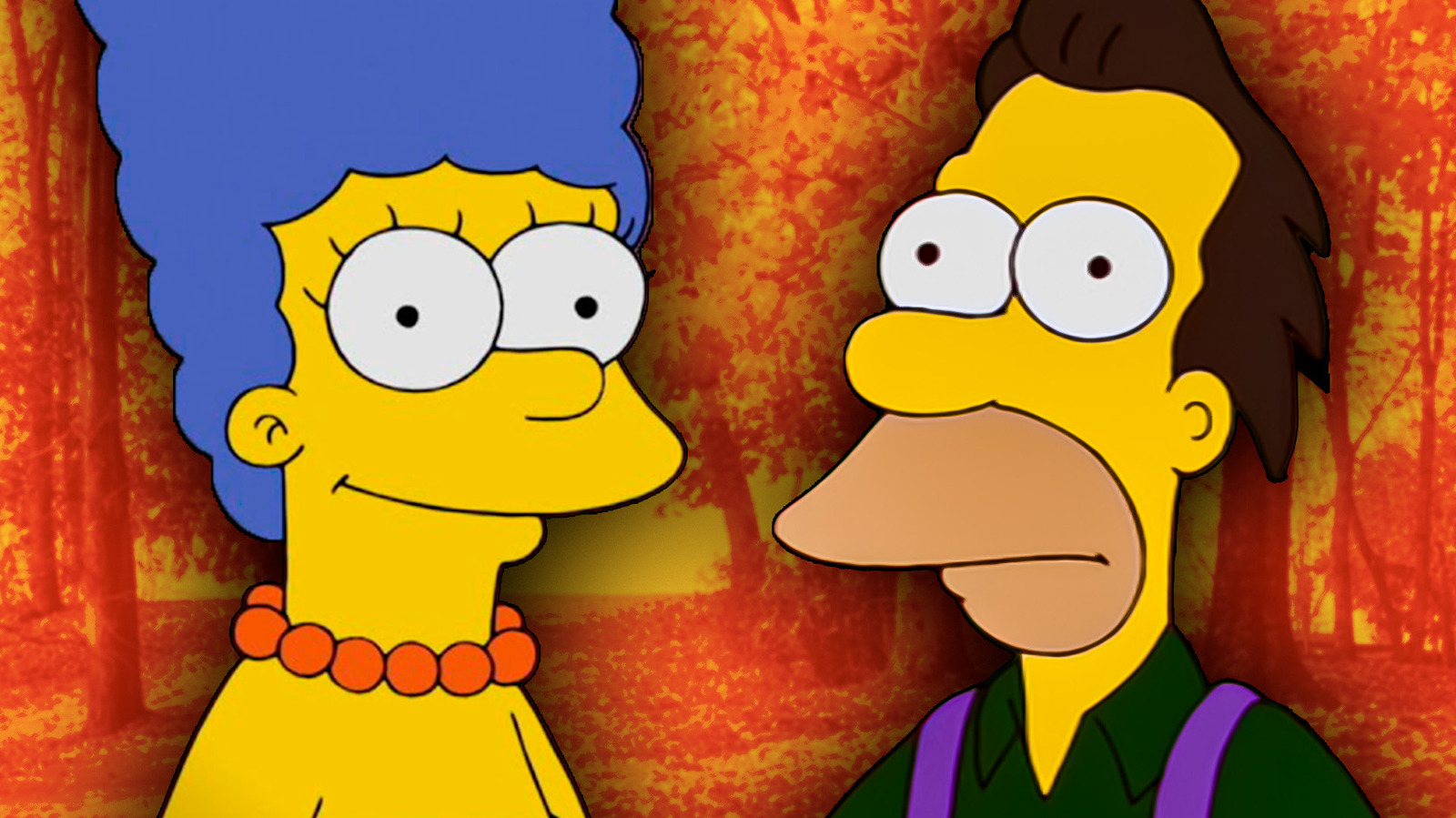
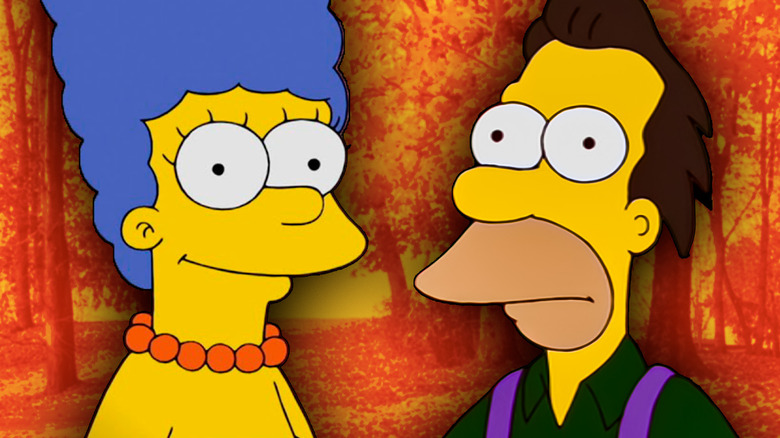
When Homer enters the shed, the timeline shifts, and he emerges to find Marge living in a domestic, orderly, and seemingly prosperous life with none other than Lenny Leonard. This sequence serves as a playful validation for fans who have spent years theorizing about a world where Marge chose a different path.
A Rotating Door of Husbands: Contextualizing the Narrative
While the Lenny-Marge union is the emotional centerpiece of the segment, it is part of a larger, chaotic exploration of Marge’s romantic life. The "Treehouse of Horror" segment sees Marge cycle through a variety of partners, each representing a different facet of the Springfield social hierarchy.
The List of Suitors
The episode’s rapid-fire approach to Marge’s alternate marriages is a meta-commentary on the show’s own nature:
- Moe Szyslak: The long-suffering bartender who has pined for Marge for decades.
- Comic Book Guy: A nod to the show’s deep-cut character interactions.
- Principal Skinner: A classic, if unlikely, pairing.
- Jeff Probst: The host of Survivor makes a cameo as himself, highlighting the show’s penchant for integrating real-world celebrities into the surreal logic of Springfield.
- Kang and Kodos: The extraterrestrial duo finally gets their moment as Marge’s "husbands," a humorous nod to the fact that they were famously cut from the 2007 Simpsons Movie.
This sequence serves as a narrative device to explore the "what-ifs" of a character who has been tied to Homer Simpson for nearly four decades. By placing these characters in a domestic setting with Marge, the show allows for a brief, humorous examination of how her life might have differed had she not settled for the lovable, albeit dim-witted, Homer.
Implications for the Series Continuity
The inclusion of these alternate realities raises interesting questions about how The Simpsons handles its own aging lore. While the show is famous for its "floating timeline," it has increasingly leaned into meta-commentary to satisfy long-term fans.
The "Orderly" Household
In the reality where Marge marries Lenny, the viewers are presented with a home that is notably more successful and better decorated than the standard Simpson residence. This visual storytelling suggests that Lenny—who, in the main timeline, is a nuclear physicist with a master’s degree—would provide a more stable, albeit perhaps less "adventurous," life for Marge. The irony is not lost on the audience: the show frames this life as a potential "upgrade," even as it acknowledges that the chaos of the Homer-Marge dynamic is the engine that drives the series.
Addressing the "Homer" Factor
The episode doesn’t leave Homer in the cold. In this alternate timeline, Homer is seen married to Lunchlady Doris and, most shockingly, sporting a full head of hair. This reveal provides a humorous look at how Homer’s life might have progressed without the stress of his marriage, while simultaneously reinforcing the idea that his current life is the one he is meant to lead.
The Evolution of Meta-Commentary in The Simpsons
The decision to embrace a fan theory in Season 38 is indicative of how The Simpsons has shifted its storytelling approach. In earlier seasons, the show was strictly episodic, often resetting the status quo by the end of the half-hour. In the modern era, the writers appear more comfortable acknowledging the vast history of the show.
This approach was similarly seen in the series’ 800th episode, which addressed long-standing questions about the opening couch gag and the physics of Homer being run over by Marge’s car. By engaging with these "nerdy" questions, the show rewards the dedication of its long-term viewership. It transforms the show from a simple sitcom into a self-referential tapestry where the fans’ engagement is part of the creative process.
Conclusion: Why the Theory Matters
The "Marge and Lenny" theory may have started as a joke, but its elevation to the screen in Season 38 highlights the unique relationship between The Simpsons and its audience. In a world where television shows are often rebooted or canceled, The Simpsons remains a constant, evolving entity.
By taking a minor, lingering detail from a Season 11 episode and giving it a payoff nearly three decades later, the show demonstrates that it is still capable of surprising its audience. While Marge and Homer remain the definitive couple of the series, the exploration of the "Lenny timeline" serves as a poignant, funny reminder that even in a cartoon, the smallest details can grow into something much larger. As the series moves toward its fourth decade, one can only wonder which other long-dormant fan theories will find their way into the hallowed halls of Springfield’s official history.
For now, fans can rest easy knowing that for at least one brief, magical, and highly organized moment, Marge Simpson found a different kind of happiness—one that was worth the thirty-year wait.
