Sony Unveils the FX5: Gareth Edwards Puts the New Compact Cinema Camera Through Its paces in Asia
GLOBAL CINEMA PRODUCTION — Sony has officially expanded its prestigious Cinema Line with the introduction of the FX5, a compact, full-frame production camera designed to redefine the boundaries of run-and-gun filmmaking. Boasting 5K Open Gate acquisition, internal 16-bit X-OCN recording, and an ultra-lightweight architecture, the camera arrives as a powerful tool for modern auteurs seeking uncompromising image quality without the logistical footprint of a traditional Hollywood crew.
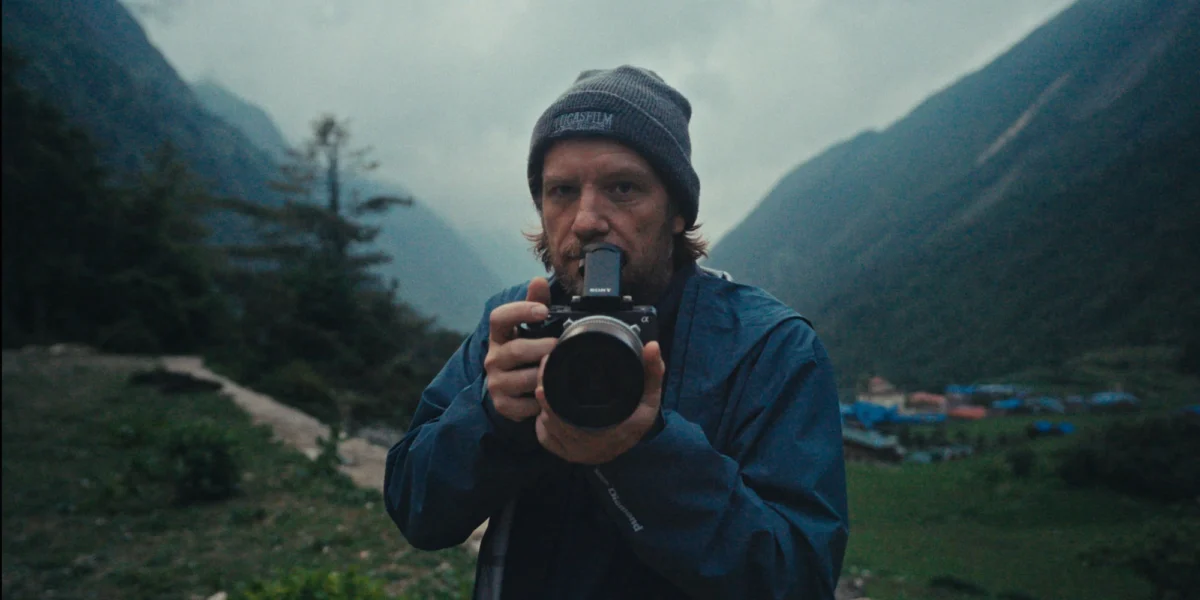
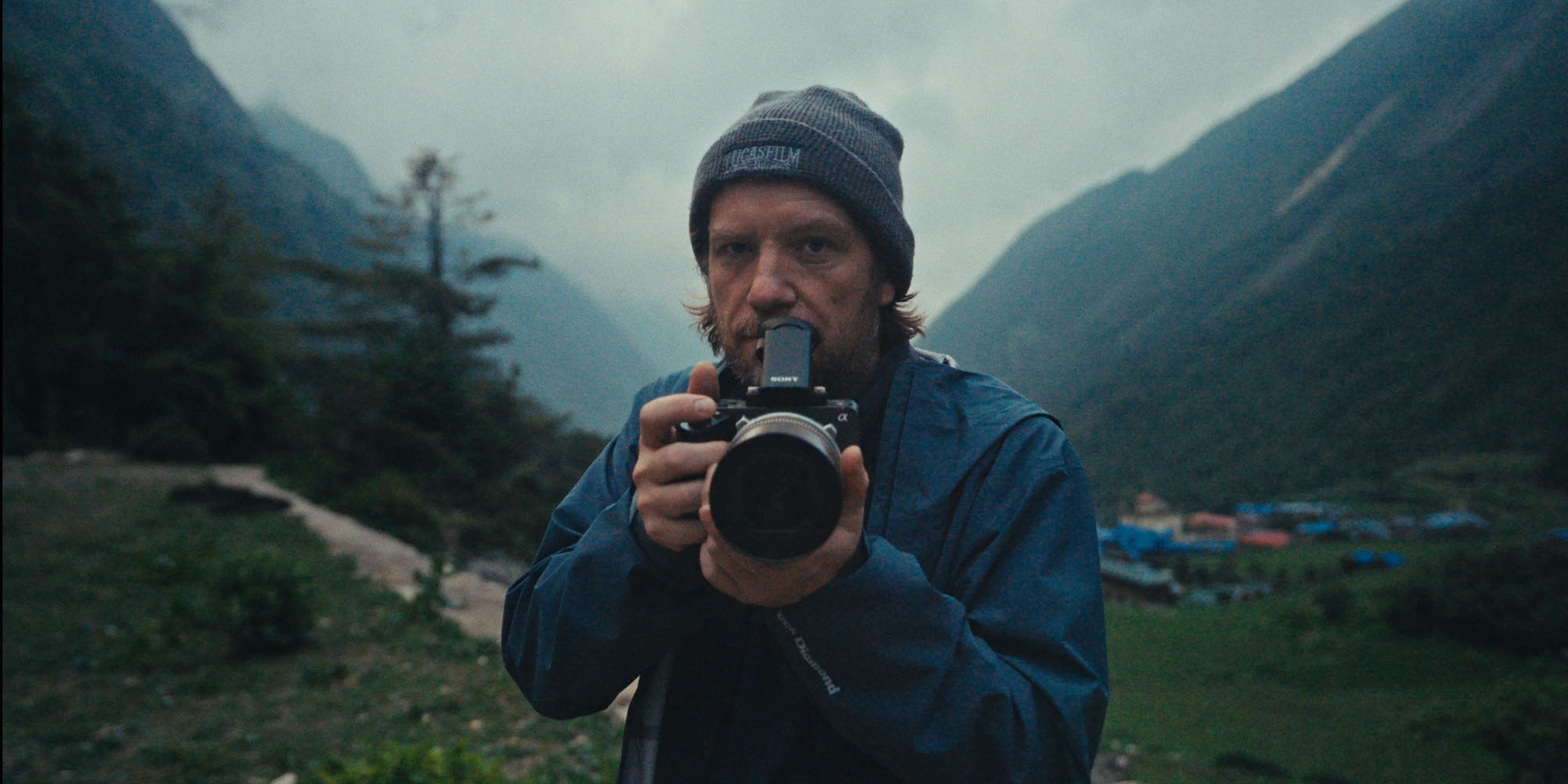
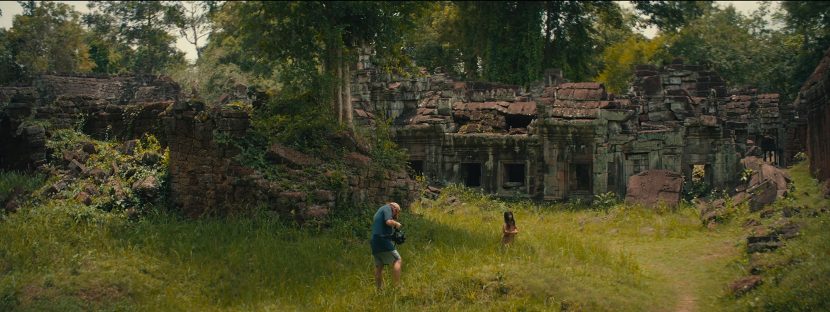
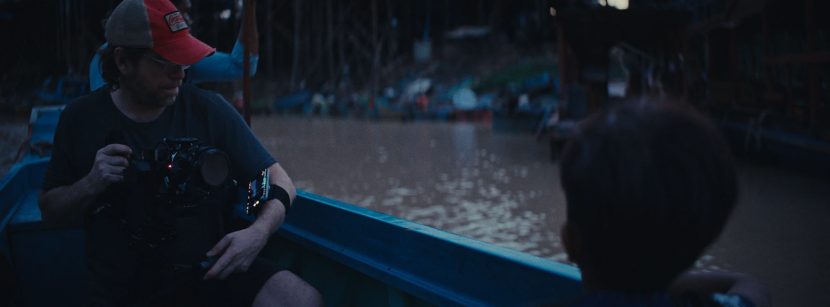
To put the new hardware through an uncompromising real-world stress test, Sony enlisted visionary director GarethEdwards—renowned for his work on The Creator, Rogue One: A Star Wars Story, and Jurassic World: Rebirth. Armed with a pre-production FX5, Edwards traveled across extreme environments in Cambodia, Thailand, and Nepal, capturing stunning cinematic imagery using a production footprint reduced to just three compact bags.
Main Facts: The Anatomy of the Sony FX5
At the heart of the Sony FX5 lies a newly developed, fully stacked Exmor RS CMOS full-frame image sensor, paired with Sony’s advanced BIONZ XR2 processing engine and a dedicated AI processing unit. This hardware combination enables unprecedented flexibility for independent filmmakers and high-end cinematographers alike.
Core Technical Specifications:
Sensor & Processing: Full-frame stacked Exmor RS CMOS sensor paired with BIONZ XR2 processor and AI chip.
Recording Formats: Internal 16-bit scene-linear X-OCN (including space-saving variants X-OCN LT, C1, and C2) alongside traditional codecs.
Resolution & Frame Rates: 5K acquisition up to 60 fps; 4K up to 120 fps; Full HD up to 240 fps.
Aspect Ratios & Scan Modes: First FX-series camera to feature 3:2 full-sensor Open Gate recording, alongside 17:9, 16:9, and Super 35mm scan modes.
Dynamic Range & ISO: Rated at over 15 stops of dynamic range in S-Log3, featuring a triple Base ISO architecture of ISO 800, ISO 4000, and ISO 12800, complemented by Dual Gain Shooting.
Stabilization & Ergonomics: 5-axis optical in-body image stabilization (IBIS) offering double the roll-correction range of previous iterations, paired with active cooling and a weather-sealed, flat-top body design.
Chronology: A Week Across Extremes in Southeast Asia and the Himalayas
The development and testing of the FX5 followed a rapid, high-pressure timeline that mirrored Edwards’ signature guerrilla filmmaking style.
Late July 2026: Sony finalizes the FX5 production pipeline, delivering a pre-production unit directly into the hands of Gareth Edwards just one week prior to principal photography.
Early August 2026: Edwards and a skeletal crew embark on a grueling, week-long expedition spanning modern urban centers, humid jungles, ancient temples, and freezing Himalayan mountain passes. Temperatures throughout the shoot fluctuate wildly, ranging from a stifling 35°C down to a biting -5°C.
Mid-Shoot Deployment: Rather than hauling a massive grip truck, the entire production infrastructure is streamlined into three distinct luggage items: one for the FX5 body and lens, a second for a compact dolly and slider, and a third for essential accessories. Everything non-essential is deliberately left behind.
August 2026 (Official Launch): Sony publicly announces the FX5, pricing the body-only unit at A$7,849 for the Australian market, with global shipping slated for early August.
Future Roadmap: Sony has already previewed a major Version 2.0 firmware update targeted for August 2027, promising high-frame-rate X-OCN up to 240 fps, vertical-shooting UI optimizations, and 3:2 Open Gate XAVC S-I support.
Supporting Data & Workflow Innovations
The FX5 introduces several workflow breakthroughs that eliminate external hardware bottlenecks, streamlining the transition from set to post-production.
The iPhone as a Wireless Viewfinder
Operating with a lightweight gimbal and a vintage 2x Japanese anamorphic lens, Edwards completely dispensed with conventional onboard monitors and external video transmitters. Instead, he utilized an Apple iPhone running Sony’s Monitor & Control 3.0 app. Utilizing MagSafe technology, Edwards magnetized the phone seamlessly between his gimbal rig and a custom wrist mount, allowing him to monitor a bright, high-resolution feed while shooting from extreme high or low angles without altering his rig’s balance.
Internal 16-bit X-OCN and Open Gate Flexibility
By bringing internal 16-bit X-OCN recording to the FX-series, Sony has eliminated the bulky external RAW recorders previously required on sets. The inclusion of 3:2 Open Gate recording allows shooters to capture the entirety of the sensor area, granting immense flexibility in post-production framing and native in-camera de-squeezing for 1.3x, 1.5x, 1.6x, 1.8x, and 2x anamorphic optics.
Triple Base ISO Performance
The incorporation of ISO 800, 4000, and 12800 base settings transformed Edwards’ approach to natural-light cinematography. Relying primarily on a variable ND filter, Edwards spent the bulk of his days locked at ISO 4000, seamlessly transitioning from glaring midday sun to dim interiors. As "magic hour" approached, shifting to ISO 12800 allowed the crew to capture twilight scenes using purely ambient light, supplemented only occasionally by a single pocket-sized LED fixture dialed down to 2% power.
Official Responses and Filmmaker Perspectives
Gareth Edwards has been vocal about how the FX5 fundamentally changes the psychological and physical realities of shooting feature films. Drawing heavily from his experience scouting over 80 locations across Southeast Asia for The Creator using the smaller FX3, Edwards found the FX5 to be the ultimate evolution of run-and-gun design.
"Guerrilla filmmaking just went to the next level," Edwards stated in an interview with Yaroslav Altunin. "The FX5 is the run-and-gun cinema camera to beat."
Reflecting on the emotional resonance of working with such a compact yet powerful device, Edwards noted the surreal duality of capturing Hollywood-scale imagery with consumer-like discretion:
"Sometimes, I’ve felt like there are little moments in the middle of a shot where you’re holding the camera, and you think to yourself, a year from now, this is going to get a major theatrical release around the whole world… And to feel like, in such a small camera, to have that same feeling, where there’s no weight to it, it feels like a TARDIS."
Sony’s engineering team emphasized that the FX5 was explicitly built to empower directors who refuse to be tethered to traditional studio infrastructure. By integrating advanced AI pose-estimation autofocus, robust optical stabilization, and professional CineAlta-derived menus (the BIG6 operability screen) into a flat-top, cage-free chassis, Sony has bridged the gap between mirrorless convenience and cinema-grade reliability.
Industry Implications: Hiding in Plain Sight
The release of the Sony FX5 and Edwards’ field test signal a broader paradigm shift in the economics and methodology of global filmmaking.
For decades, achieving theatrical-grade dynamic range, 16-bit RAW fidelity, and anamorphic depth required heavy camera builds, dedicated AC (assistant camera) crews, signal transmitters, external monitors, and V-mount battery distribution systems. This heavy footprint inherently alters real-world environments, drawing crowds, requiring expensive permits, and stifling spontaneous human behavior.
Edwards demonstrated the alternative in a Himalayan mountain village, where hearing a distant bell led him and his minimal crew directly into an active Buddhist monastery ceremony. Unhindered by tripods, matte boxes, or a sprawling crew, Edwards simply stepped inside and captured authentic cultural moments untouched by the performance anxiety typically induced by professional film sets.
"Because we looked so non-intrusive, it didn’t cause a problem," Edwards observed. "I really don’t want to look like I’m making a movie. I want to look like I’m just passing through—like, carry on with what you’re doing. That’s when you get the really naturalistic behaviour… You hide in plain sight. You can be shooting for a movie that gets a theatrical release, but you just look like a tourist. I think it’s going to open up lots of opportunities."
As the FX5 reaches independent filmmakers, documentary crews, and blockbuster second units worldwide, it promises to democratize high-end visual storytelling. By packing studio-tier capabilities into a body that fits seamlessly into a tourist’s backpack, Sony has not merely launched a new piece of hardware—they have expanded the very definition of where cinema can go.
Related posts:
The Animation Talent Landscape: A Comprehensive Review of the AWN Jobs Roundup (October 2026)