
The Thunder Buddies Return: Everything We Know About the New ‘Ted’ Animated Series
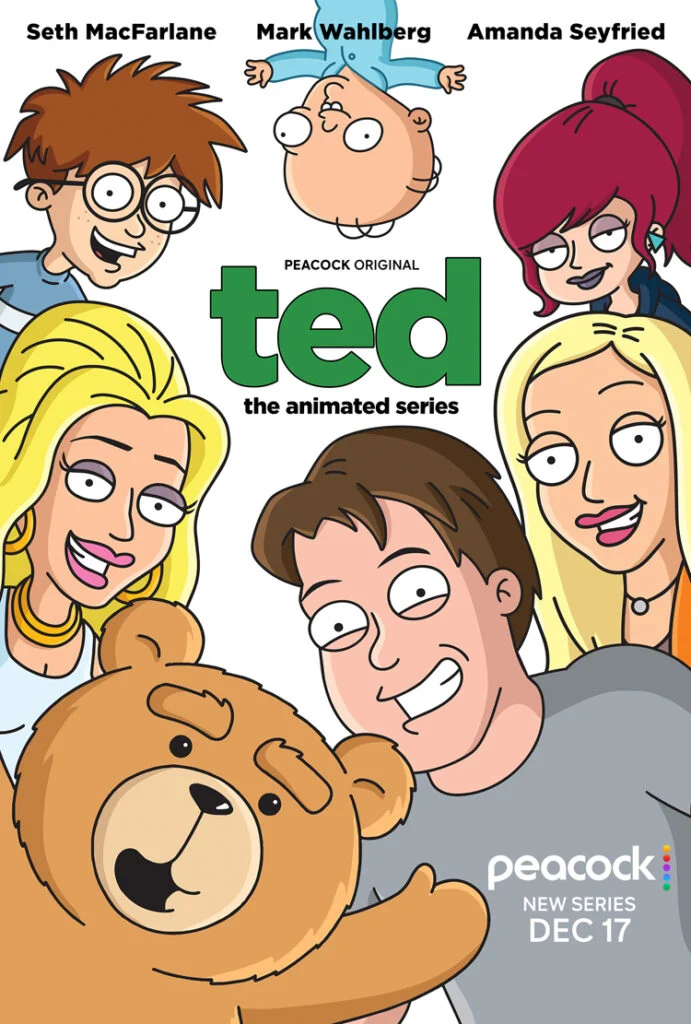
The world’s most foul-mouthed teddy bear is stepping out of the live-action realm and into the world of animation. Universal Studio Group and Fuzzy Door have officially announced the upcoming release of TED: The Animated Series, a project that promises to expand the universe of the billion-dollar film franchise. Helmed by creator Seth MacFarlane, the series serves as a direct sequel to the 2012 original and its 2015 follow-up, Ted 2, bringing back the original voice cast for a new chapter in the lives of John Bennett and his sentient, plush best friend.
As fans prepare for a December 17 premiere, the industry is watching closely to see how this transition from live-action to animation will reshape the franchise’s legacy.
Main Facts: A New Chapter for the Iconic Duo
TED: The Animated Series is set exactly twelve years after the events of the final film. Fans of the franchise will be relieved to see that the core chemistry remains intact; the series features the return of Seth MacFarlane as the voice of the titular bear, alongside Mark Wahlberg as his inseparable best friend, John. The ensemble is rounded out by the return of Amanda Seyfried as John’s wife, Sam, and Jessica Barth as Ted’s wife, Tami-Lynn.
The narrative premise leans into the "mid-life crisis" trope with a distinctly R-rated, Ted-style twist. Now living as neighbors, John and Ted find themselves navigating the monotonous drudgery of adult life, trapped in dead-end jobs while trying to manage their respective families. The series is expected to retain the irreverent, stoner-humor that made the original films a global box-office phenomenon.
The production is a powerhouse collaboration between UGT (a division of Universal Studio Group), Fuzzy Door, and MRC. With animation handled by the renowned Rough Draft Studios, Inc., the series aims to capture the visual charm of the characters while allowing for the creative liberties that only animation can provide.
Chronology: From Big Screen to Small Screen
The journey of Ted is a testament to the longevity of high-concept comedy.
- 2012: The original Ted film debuts, shattering expectations by earning over $549 million globally. It established a unique brand of comedy that blended crude humor with genuine heart.
- 2015: Ted 2 arrives in theaters, continuing the saga of John and Ted’s quest for legal personhood and comedic misadventures.
- 2024–2025: Development begins on the animated transition. Following the success of the live-action TED series, the creative team explores animation as a way to push the boundaries of the characters’ physical antics.
- September 2026: First-look assets, including posters and a teaser trailer, are released, confirming the return of the original cast.
- December 17, 2026: The official premiere date for the first 8 episodes on Peacock.
- 2027: The release of the second batch of episodes, ensuring the story continues well into the following year.
Supporting Data: The Anatomy of a Franchise
To understand why Universal is doubling down on Ted, one must look at the data. The franchise has consistently proven that audiences have a massive appetite for Seth MacFarlane’s specific brand of humor.
- Voice Talent Continuity: The return of Wahlberg, Seyfried, and Barth is significant. In the era of reboots and spin-offs, maintaining the original cast is a strategic move to ensure viewer retention.
- The Animation Advantage: By moving to animation, the production team effectively lowers the logistical hurdles of high-end CGI integration that was required for the films. This allows for faster production cycles and potentially more complex, "cartoon-logic" gags that would be prohibitively expensive in live-action.
- Strategic Release Schedule: By splitting the series into an 8-episode drop in December 2026 followed by additional episodes in 2027, the studio is employing a "slow-burn" engagement strategy designed to keep the show in the cultural conversation for over a year.
Official Responses and Creative Vision
The creative team behind the series, led by Seth MacFarlane, Paul Corrigan, and Brad Walsh, has expressed enthusiasm about the transition to an animated format.
"We’ve always felt that the world of Ted was ripe for exploration beyond the two-hour film format," said a representative from Fuzzy Door. "Animation allows us to lean into the absurdity of a talking bear living in the suburbs. It’s not just about the jokes; it’s about the evolution of John and Ted as middle-aged men who never quite grew up."
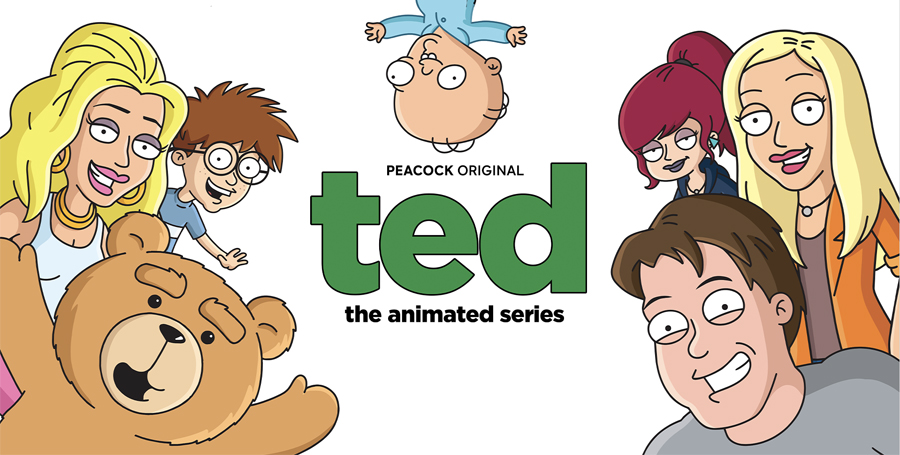
Paul Corrigan and Brad Walsh, who served as executive producers on the live-action TED series, have taken on the roles of co-showrunners for this animated iteration. Their intimate knowledge of the characters ensures that the tone remains consistent with the established lore. The addition of new cast members like Kyle Mooney and Liz Richman suggests an influx of new energy, promising to introduce fresh dynamics to the long-standing friendship between the leads.
Implications: The Future of Adult Animation
The launch of TED: The Animated Series carries broader implications for the entertainment industry.
1. The Blurring Lines of Media Formats
For years, intellectual property (IP) was strictly siloed—films stayed on the big screen, and television shows remained in their broadcast or streaming lanes. The Ted franchise is part of a growing trend where successful film properties are being expanded through animated series that allow for more narrative flexibility. If this series succeeds, it could set a precedent for other live-action comedies to pivot to animation for their sequel installments.
2. The Power of Streaming Exclusivity
By debuting on Peacock, the series signals the continued importance of "anchor franchises" for streaming platforms. Subscribers are increasingly looking for legacy content that has been updated or expanded. Ted is a high-value asset that bridges the gap between millennial nostalgia and current streaming habits.
3. Creative Longevity
Animation is arguably the most sustainable medium for comedy. Characters do not age in the traditional sense, and the physical requirements for the voice cast are significantly less demanding than those of live-action performances. This suggests that if TED: The Animated Series proves successful, it could theoretically run for many years, cementing the bear’s place in the pantheon of iconic television characters like Homer Simpson or Peter Griffin.
4. Audience Expectations and Risk
However, the shift is not without its risks. Fans of the original films are accustomed to the gritty, physical presence of the CGI bear in a real-world environment. Transitioning to a fully animated world may feel jarring to some. The success of the project will ultimately depend on whether the writing can maintain the razor-sharp, often polarizing, wit that made the original Ted a breakout hit.
Conclusion
As we count down the days to December 17, it is clear that TED: The Animated Series is more than just a nostalgic cash-in. It is a bold, creative evolution of one of the most recognizable brands in modern comedy. With the original cast back on board and a team of seasoned showrunners at the helm, the series is positioned to capture both the hearts of long-time fans and the attention of a new generation of viewers.
Whether it’s the return of the "thunder-buddy" dynamic or the exploration of the mundane struggles of adulthood, one thing is certain: the world is not yet done with Ted. As the premiere approaches, all eyes will be on Peacock to see if this foul-mouthed teddy bear can once again dominate the cultural conversation, proving that while they may be older, John and Ted are just as immature as ever.
