
The Architect of Chicano Identity: A Deep Dive into American Pachuco: The Legend of Luis Valdez
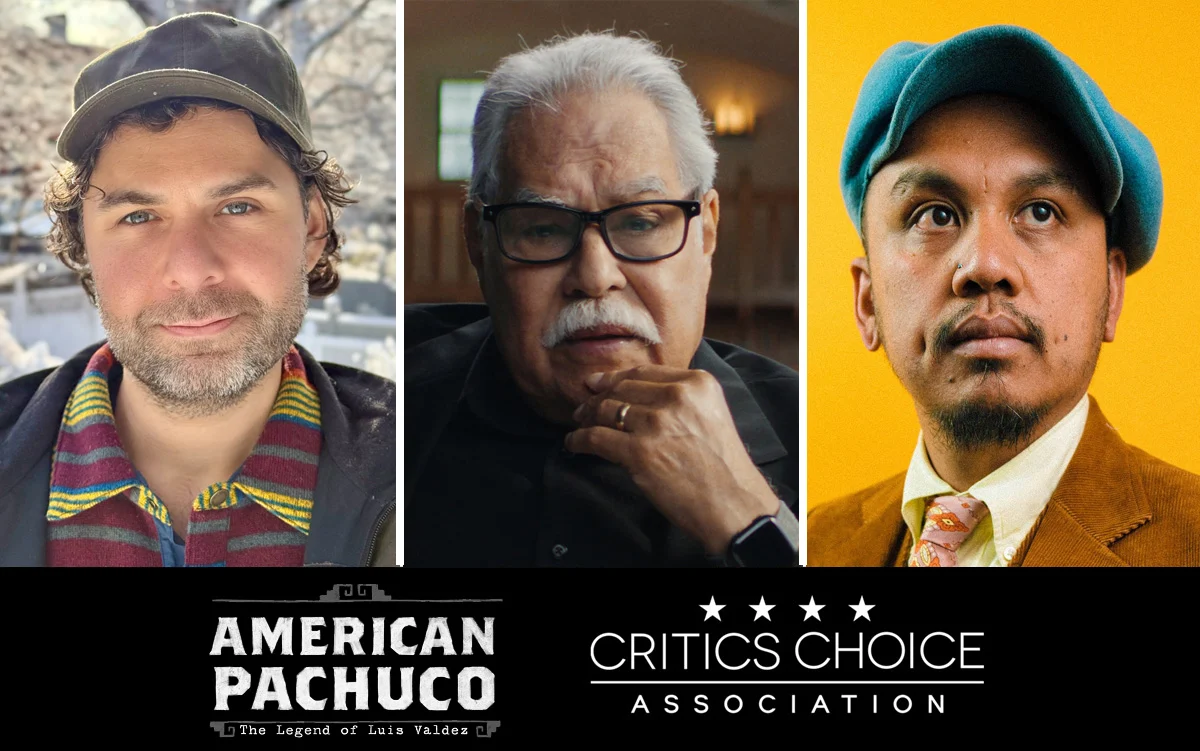
In the annals of American cultural history, few figures have bridged the divide between radical activism and mainstream cinematic success as effectively as Luis Valdez. Often referred to as the "Father of Chicano Theater," Valdez’s journey from the agricultural fields of California to the glittering stages of Broadway and the high-production sets of Hollywood is the subject of the critically acclaimed documentary, American Pachuco: The Legend of Luis Valdez.
Following a triumphant premiere at the 2026 Sundance Film Festival—where it secured both the U.S. Documentary Audience Award and the Festival Favorite Award—and a successful 40-city theatrical run, the film is set to reach a national audience via PBS’s American Masters on October 6. This documentary does more than recount a biography; it preserves a vital, endangered slice of American history.
The Genesis of an Icon: Main Facts and Context
American Pachuco chronicles the life of a visionary who insisted that the Chicano experience was not merely a niche interest, but a fundamental thread in the American tapestry. Valdez’s career is defined by his refusal to compromise his cultural identity, even when faced with institutional indifference and systemic racism.
The film explores his foundational work with El Teatro Campesino, a theater troupe born out of the Delano Grape Strike in 1965. Valdez used theater as a weapon for justice, turning farmworkers into actors and the picket lines into stages. This grassroots foundation would eventually propel him to create Zoot Suit, the first Chicano play to reach Broadway, and La Bamba, the 1987 blockbuster that brought the life of Ritchie Valens to the global stage and shattered myths about Latino commercial viability in Hollywood.
The documentary is bolstered by the authoritative narration of Edward James Olmos, whose gravelly, resonant voice provides a thematic anchor for the film’s exploration of the "Pachuco" archetype—a symbol of defiance, style, and cultural survival.
Chronology: From the Fields to the Silver Screen
To understand the weight of American Pachuco, one must trace the timeline of Valdez’s trajectory:
- 1965: Valdez founds El Teatro Campesino in the heat of the United Farm Workers movement. The troupe performs short sketches, or actos, on flatbed trucks in the fields, creating a new genre of social protest art.
- 1978: Valdez writes and directs Zoot Suit, a play that examines the 1943 Zoot Suit Riots in Los Angeles. It becomes a cultural phenomenon, eventually transferring to Broadway.
- 1987: The release of La Bamba. The film’s massive financial success forces Hollywood to acknowledge the immense, untapped market for Latino-led narratives.
- 1990s–2020s: Valdez continues to mentor generations of artists, cementing his legacy as a playwright, educator, and director, while his early archival materials fall into a state of precarious disrepair.
- 2026: American Pachuco premieres at Sundance, introducing a new generation to Valdez’s radical origins and his enduring impact on the American arts landscape.
The Preservation Crisis: Rescuing 80,000 Feet of Film
One of the most compelling aspects of the documentary’s production is the archival rescue mission led by writer/director/producer David Alvarado and producer Everett Katigbak. During their research, the team uncovered 80,000 feet of original El Teatro Campesino footage.
These reels, which captured the raw energy of the 1960s and 70s Chicano movement, were nearing a state of irreversible decay. The film serves as a digital repository for this history, marking the first time much of this footage has been restored and viewed by a general audience.
"The physical film was brittle, and the history it contained was at risk of vanishing into the ether," says producer Everett Katigbak. "By digitizing and integrating this footage, we weren’t just making a documentary; we were performing an act of cultural preservation."
In Conversation: Insights from the Creative Team
In an exclusive roundtable discussion moderated by CCA member Tim Cogshell, the filmmakers and Luis Valdez himself discussed the technical and philosophical challenges of the project.
The Fiction-Documentary Hybrid
A notable creative choice in American Pachuco is the integration of a fictional narrator. Director David Alvarado explained that the documentary needed a perspective that could bridge the gap between historical fact and the mythic, theatrical spirit of the Pachuco. "We didn’t want a dry, clinical recitation of dates," Alvarado noted. "We wanted to capture the feeling of being in the room when Valdez was changing the world. By introducing a fictionalized narrator, we were able to lean into the magical realism that characterizes much of Valdez’s own work."
The Subject’s Reflection
Luis Valdez, now an elder statesman of the arts, approached the project with his characteristic blend of humility and fierce intellect. "I never set out to be a ‘legend,’" Valdez remarked during the conversation. "I set out to tell the truth about my people. If this film helps people realize that our stories are American stories, then it has served its purpose."
Supporting Data and Impact
The impact of Valdez’s work cannot be overstated. According to industry metrics, La Bamba remains one of the most profitable music-biopics in history relative to its budget, effectively paving the way for the "Latin Boom" in media that would occur decades later.
Furthermore, the academic study of Chicano theater—a field almost entirely pioneered by the curriculum Valdez developed—is now a staple in universities across the United States. American Pachuco synthesizes this legacy through:
- Interviews: Insights from cultural historians and actors who were shaped by Valdez’s mentorship.
- Archival Footage: The aforementioned 80,000 feet of restored film, providing a visual history of the United Farm Workers movement.
- Comparative Analysis: The film contrasts the skepticism Valdez faced from major studios in the 70s with the current push for diversity in Hollywood, highlighting the long-term struggle for equity in the entertainment industry.
Official Responses and Critical Reception
The film has been met with near-universal acclaim. The Hollywood Reporter noted that "Alvarado manages to capture the theatricality of Valdez’s life without losing the grit of his activism," while critics at Sundance praised the documentary for its "seamless blend of personal memoir and political history."
PBS’s American Masters series, which has long been the gold standard for biographical documentary, selected American Pachuco precisely because it fits their mission of showcasing artists who have fundamentally changed the American cultural landscape. The national broadcast on October 6 is expected to draw a record audience, as interest in Latino history continues to grow in the public consciousness.
Implications: Why This Story Matters Now
The release of American Pachuco is timely. As the United States grapples with questions of identity, immigration, and the inclusivity of the "American Dream," the story of Luis Valdez offers a roadmap for resistance through creativity.
1. The Power of Cultural Persistence
Valdez’s career proves that resistance does not always have to be combative; it can be artistic. By taking the Chicano experience and placing it on the world stage, he forced a paradigm shift in how Americans perceive their neighbors.
2. The Responsibility of Preservation
The documentary highlights a broader issue: the fragility of minority history in the archives. Without the dedicated effort of filmmakers like Alvarado and Katigbak, the visual evidence of the Chicano movement might have been lost. This film sets a precedent for how we must value and protect the cultural artifacts of marginalized communities.
3. The Future of Chicano Narrative
As American Pachuco reaches the masses, it challenges current creators to look back at the foundations laid by the pioneers of the 60s. The film posits that the "Pachuco"—a figure once maligned and misunderstood—is actually a quintessential American hero: a person who builds their own identity in the face of a society that refuses to acknowledge them.
In conclusion, American Pachuco: The Legend of Luis Valdez is a seminal work of documentary filmmaking. It serves as both a biography of a titan and a rallying cry for the continued recognition of Chicano contributions to the arts. Whether viewed as a piece of history, a technical achievement in restoration, or a deeply human portrait of a creative visionary, the film is an essential watch for anyone interested in the soul of American cinema.
As the film prepares for its American Masters debut, one thing remains clear: Luis Valdez’s voice, which began in the dusty rows of a grape field, is now firmly, and permanently, part of the American chorus.
