
The Depths of Despair: Analyzing Netflix’s Atmospheric New Thriller ‘Below’
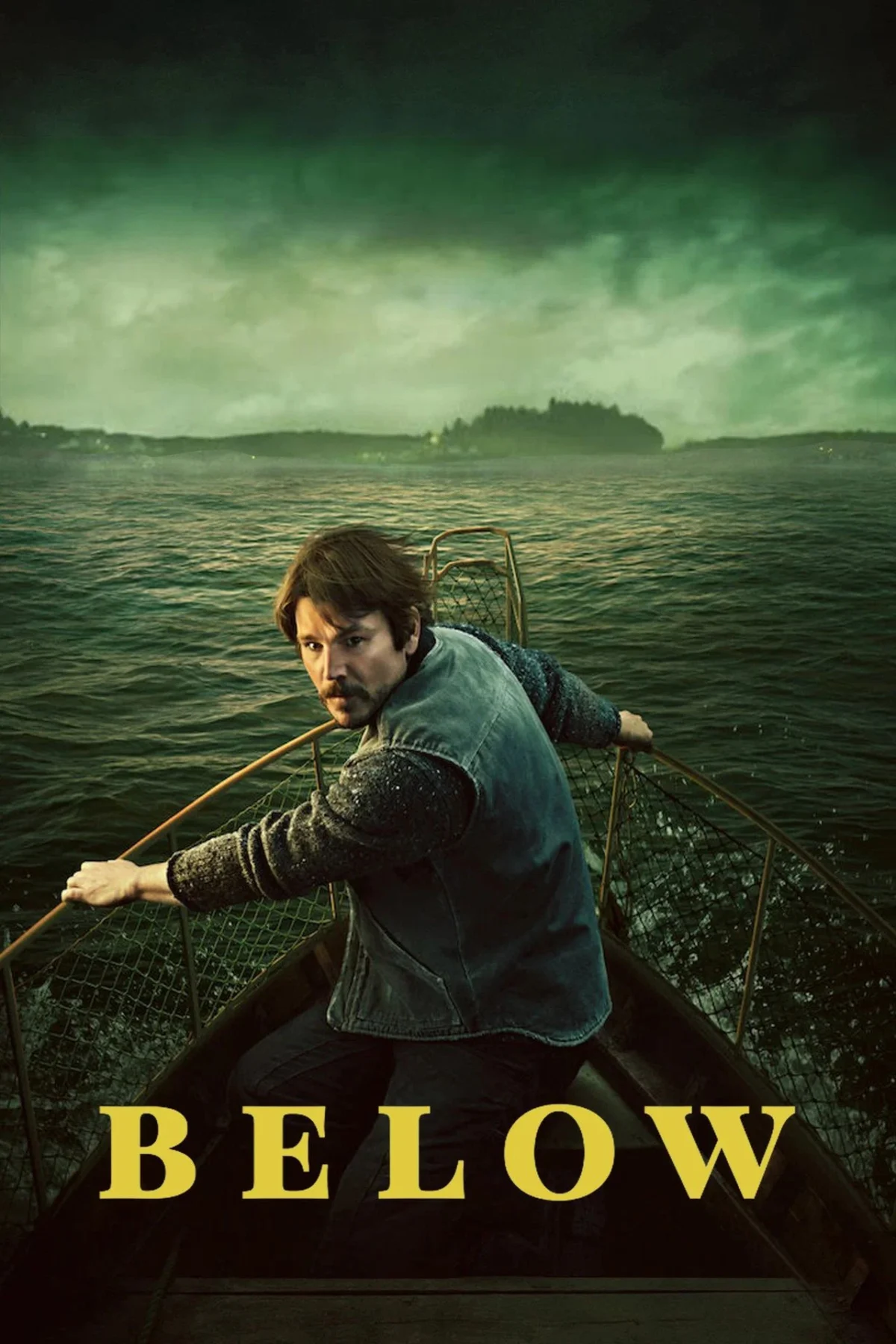
The ocean has long served as a cinematic canvas for our most primal fears. From the Spielbergian terror of Jaws to the claustrophobic dread of Underwater and the creature-feature carnage of The Meg, the abyss represents the ultimate unknown—a vast, crushing space where human logic often fails. Joining this storied tradition of maritime horror is Jesse McKeown’s latest series for Netflix, Below. Premiering on October 8, 2026, the six-episode limited series attempts to bridge the gap between high-stakes creature horror and an intimate, character-driven examination of family trauma and the erosion of legacy.
While the series succeeds in establishing an unparalleled sense of place, it finds itself navigating the choppy waters between genre-bending ambition and the limitations of its own narrative scope.
The Premise: A Community Adrift
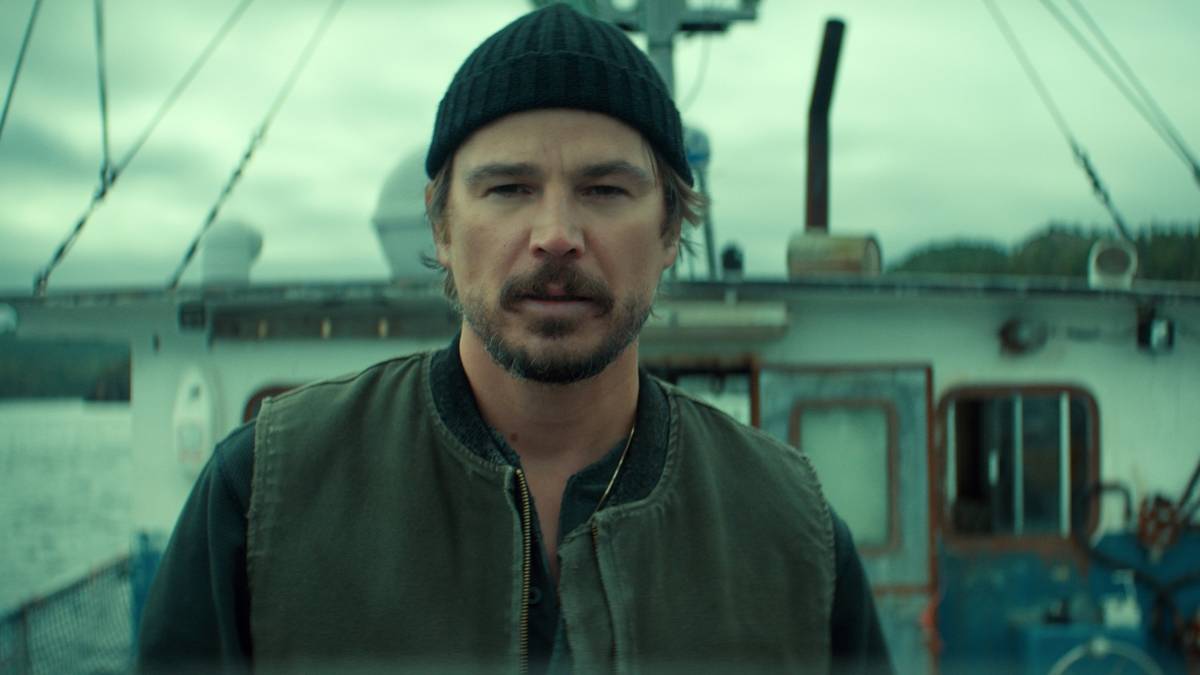
Set against the rugged, unforgiving backdrop of the Newfoundland coastline, Below introduces us to the Penney family, residents of the small, fictional town of Snook’s Arm. At the center of the story is Calvin Penney, portrayed with a weary, grounded intensity by Josh Hartnett. Calvin is a man defined by the sea; he is a career fisherman and a widower, still haunted by the childhood trauma of witnessing his father’s death at sea decades prior.
The series kicks off during a "Come Home Year," a regional tradition where expatriate Newfoundlanders return to their roots. The arrival of a massive, anomalous iceberg from the Arctic—heralded by the town as a windfall for the local ice-harvesting industry—acts as the catalyst for the terror to come. As the ice settles, it brings with it something ancient and predatory. What follows is a slow-burn descent into chaos as local residents and tourists begin to disappear, transforming the picturesque coastal town into a hunting ground.
Chronology of Terror: The Escalation of the Hunt
The pacing of Below is, by design, brisk. By dedicating only six episodes to the overarching mystery, showrunner Jesse McKeown creates a sense of urgency that permeates the narrative.
- Episodes 1–2: The Arrival. The series establishes the socio-economic tension in Snook’s Arm. We see the Penney family dynamic: the ambitious but conflicted Mary (Ruby Stokes), the financially reckless Jay (Rohan Campbell), and the dedicated, wide-eyed Wade (Charlie Heaton). The discovery of the first bodies is handled with restraint, focusing on the confusion of the locals rather than immediate gore.
- Episodes 3–4: The Escalation. As the death toll rises, the town’s isolation becomes its prison. The arrival of external forces—opportunists looking to hunt the creature—serves to heighten the tension. It is here that we are introduced to marine zoologist Fonda Howander (Mackenzie Davis), whose presence provides the necessary scientific lens to view the threat, though her character is quickly pulled into the emotional orbit of the Penney family.
- Episodes 5–6: The Revelation. The finale shifts gears from a traditional monster hunt to a more somber meditation on survival. The origin of the creature is revealed, forcing the townspeople to reconcile their history with the natural world that they have exploited for generations. The resolution is less about a final "boss fight" and more about the heavy cost of maintaining a way of life that may no longer be sustainable.
Supporting Data and Production Context
The authenticity of Below is perhaps its strongest asset. Filmed on location in Newfoundland, the series benefits from a tactile, lived-in quality that soundstages simply cannot replicate. The decision to cast locals in supporting roles adds a layer of verisimilitude to the dialogue, with the thick, rhythmic Newfoundland dialect anchoring the story in a very specific culture.

Technically, the show excels in its visual design. The contrast between the sterile, cold blue of the iceberg and the warm, cluttered interiors of the Penney home highlights the thematic divide between the outside world’s encroaching threat and the internal struggles of the family. The underwater cinematography, particularly in the mid-season episodes, effectively utilizes natural light—or the lack thereof—to evoke a sense of claustrophobia that will resonate with even the most casual viewer.
Official Perspectives and Behind-the-Scenes
In interviews surrounding the release, showrunner Jesse McKeown has emphasized that the "monster" in Below is a metaphor for the collective anxiety regarding the climate crisis and the forced resettlement of communities. "We wanted to look at what happens when the environment stops being a resource and starts being an adversary," McKeown noted during the series’ press junket.
The performances have been widely praised by critics, particularly the work of Josh Hartnett. Having experienced a notable career resurgence in recent years, Hartnett brings a quiet, simmering gravity to Calvin Penney. His performance is characterized by an internal struggle: he is a man who wants to protect his children from the dangers of the sea, yet he cannot conceive of a life away from it. Charlie Heaton, transitioning from his tenure on Stranger Things, successfully pivots to a more grounded, desperate role as Wade, effectively portraying the transition from a boy seeking his father’s approval to a man forced to confront the harsh reality of their legacy.
Mackenzie Davis’s performance as Fonda Howander provides a necessary counterweight to the town’s insular, superstitious perspective. Her character is written with a sharp intellect, though some critics have noted that her romantic subplot with Calvin feels somewhat underserved, possibly a casualty of the show’s condensed six-episode runtime.
Thematic Implications: From Thriller to Drama
The most significant debate surrounding Below is its tonal shift in the final two episodes. As the creature’s nature is unveiled, the series undergoes a metamorphosis, moving away from a high-octane supernatural thriller toward a poignant family drama.
For some, this shift represents a subversion of expectations—a refusal to play into the tropes of the "creature feature" where the monster is simply a beast to be slain. By focusing on the intersection of climate change, economic decline, and generational trauma, Below demands more from its audience than the standard popcorn horror. However, for viewers strictly interested in the "monster" element, this pivot can feel like a loss of momentum.
The underlying question the show poses is: What is the price of home? For the characters in Snook’s Arm, the town is more than a location; it is an identity. When that identity is threatened by an external force, they are forced to choose between adaptation and extinction. This is where the series is most successful. It posits that the true horror is not the creature in the water, but the inevitability of change and the fear of being left behind.
Critical Assessment and Final Thoughts
Below is a masterclass in atmospheric storytelling, even if it occasionally struggles to balance its ambitious thematic goals with the constraints of a short season. The show’s refusal to overstay its welcome is its greatest asset; it tells a complete, contained story without the bloat often found in modern streaming series.
While it may not reinvent the sub-genre of deep-sea horror, it refines it, injecting a level of emotional complexity and cultural specificity that elevates it above its peers. It is a show that invites the viewer to look beneath the surface—not just at the monsters lurking in the dark, but at the fragile, often broken foundations of the families trying to survive them.

Ultimately, Below is a rewarding, if sometimes uneven, experience. It provides enough scares to satisfy the horror enthusiast, but it leaves the most lasting impression through its quieter moments: the look in a father’s eyes as he realizes his son is growing up, the silent understanding between siblings in a crisis, and the cold, relentless beauty of a sea that neither knows nor cares about the people trying to live upon its shores. For those looking for a moody, character-rich thriller to consume over a weekend, Below is a voyage worth taking.
