
The Digital Abyss: Ranking the 10 Most Influential Horror Games of All Time
The horror genre has long served as a cornerstone of human storytelling, acting as a safe sandbox for us to confront our deepest anxieties and existential dread. While literature and cinema have historically been the primary vessels for this catharsis, the medium of video games has arguably elevated the genre to its absolute zenith. Unlike passive media, gaming forces the audience to participate in their own terror. When the controller is in your hands, you are not merely observing a protagonist fleeing from danger; you are the one responsible for their survival. The stakes are personal, the tension is visceral, and the scares are permanent.
As the industry has evolved from crude pixelated ghosts to photorealistic, ray-traced nightmares, horror gaming has matured into a sophisticated art form. Today, we look back at the ten most significant titles that defined the medium, shaped the survival horror landscape, and permanently altered our relationship with digital fear.
1. Silent Hill 2 (2001) – The Psychological Masterpiece
It is impossible to discuss horror in gaming without placing Silent Hill 2 at the summit. Unlike many of its contemporaries that relied on "jump scares," Silent Hill 2 opted for a deep, suffocating exploration of guilt, repression, and trauma.
Following James Sunderland as he wanders into the fog-shrouded town after receiving a letter from his deceased wife, the game functions less like a standard survival horror experience and more like a fever dream. The monsters—most notably the iconic Pyramid Head—are not just threats to be overcome; they are physical manifestations of James’s fractured psyche. By blending a narrative depth that rivals high-end literature with a thick, inescapable atmosphere, Silent Hill 2 proved that games could be profound works of art. It remains the gold standard for psychological horror, a title that continues to haunt players long after the credits roll.
2. Resident Evil 2 (2019) – The Perfect Modernization
Capcom’s 2019 reimagining of Resident Evil 2 is frequently cited as the gold standard for how to handle a remake. It managed to preserve the claustrophobic anxiety of the 1998 original while implementing modern gameplay mechanics that made the Raccoon City Police Department feel more dangerous than ever.
The introduction of the relentless, hulking "Mr. X," who stalks the player through the halls with terrifying persistence, redefined how developers approach the "unstoppable pursuer" archetype. By stripping away the clunky controls of the PS1 era and replacing them with fluid, high-tension combat and resource management, the 2019 remake cemented itself as a seminal entry in the franchise, proving that nostalgia and innovation can coexist perfectly.

3. Dead Space (2008) – A Masterclass in Sci-Fi Isolation
Set aboard the mining vessel USG Ishimura, Dead Space took the concept of "space horror" and injected it with a visceral, gory intensity. As engineer Isaac Clarke, players are tasked with surviving a Necromorph outbreak—horrifying creatures created from the reanimated, mutated corpses of the ship’s crew.
Dead Space excels because of its "strategic dismemberment" mechanic, which forces players to target limbs rather than heads, completely changing the flow of combat. Furthermore, its diegetic UI—where health bars and ammo counts are displayed on Isaac’s suit rather than as a screen overlay—keeps the player fully immersed in the nightmare. Nearly two decades later, the original Dead Space remains a masterclass in building tension through lighting, sound design, and the crushing weight of the unknown.
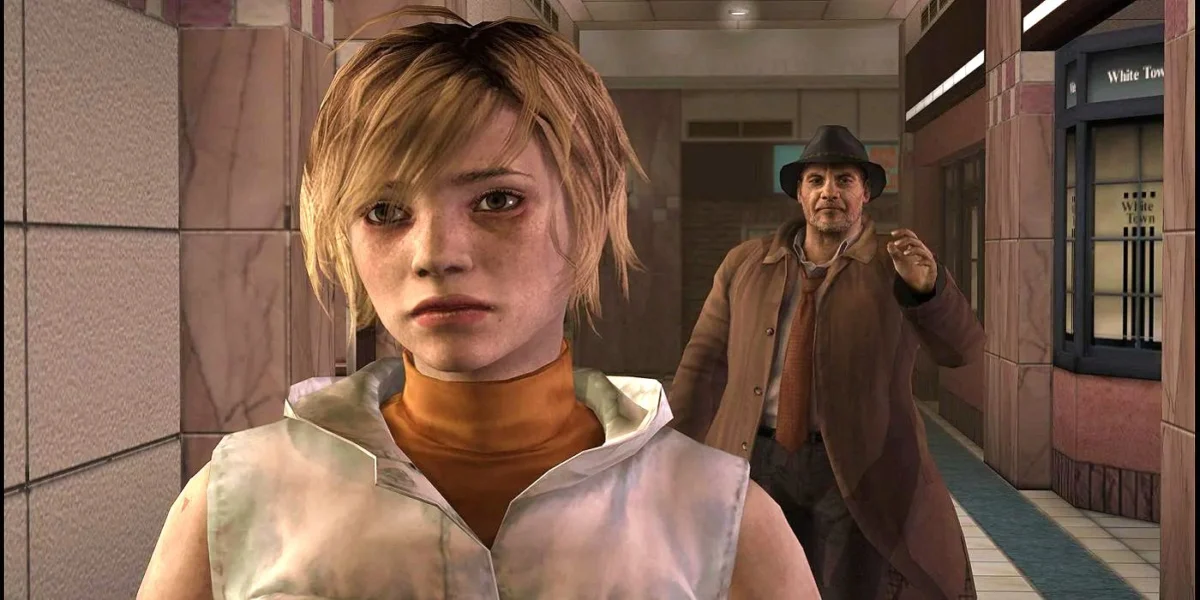
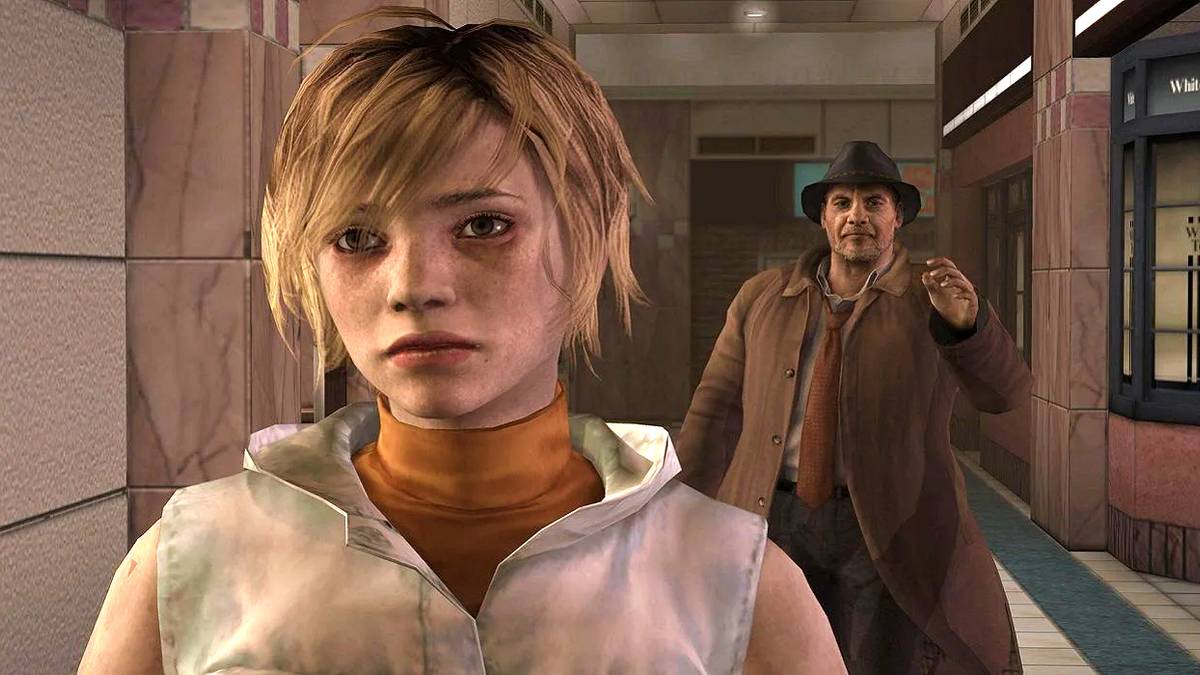
4. Silent Hill 3 (2003) – Autumnal Dread and Emotional Depth
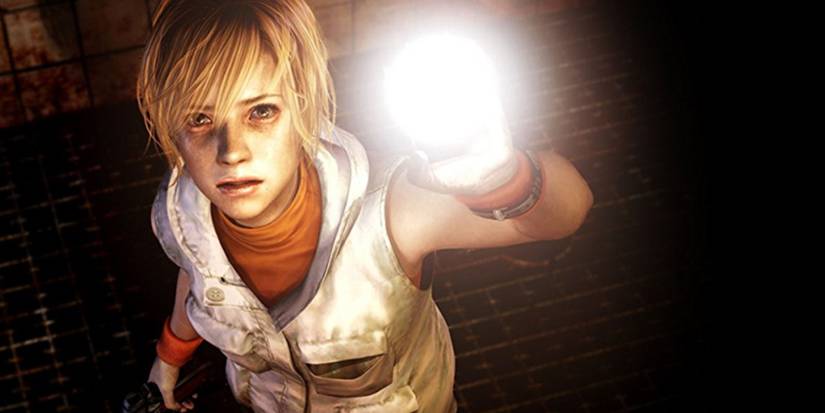
While Silent Hill 2 gets the lion’s share of the critical acclaim, Silent Hill 3 stands as the series at its most visceral. Featuring Heather Mason, arguably the franchise’s most relatable and grounded protagonist, the game leans into a visceral, "fleshy" aesthetic that is deeply unsettling.
The game’s strength lies in its ability to take mundane, real-world locations—a shopping mall, a subway, a construction site—and twist them into nightmarish, rusted versions of themselves. It is a masterclass in "liminal space" horror, where the familiarity of the environment only serves to make the eventual transition into the Otherworld more jarring. Time has been kind to this title, as players increasingly recognize it as the pinnacle of the original team’s creative prowess.
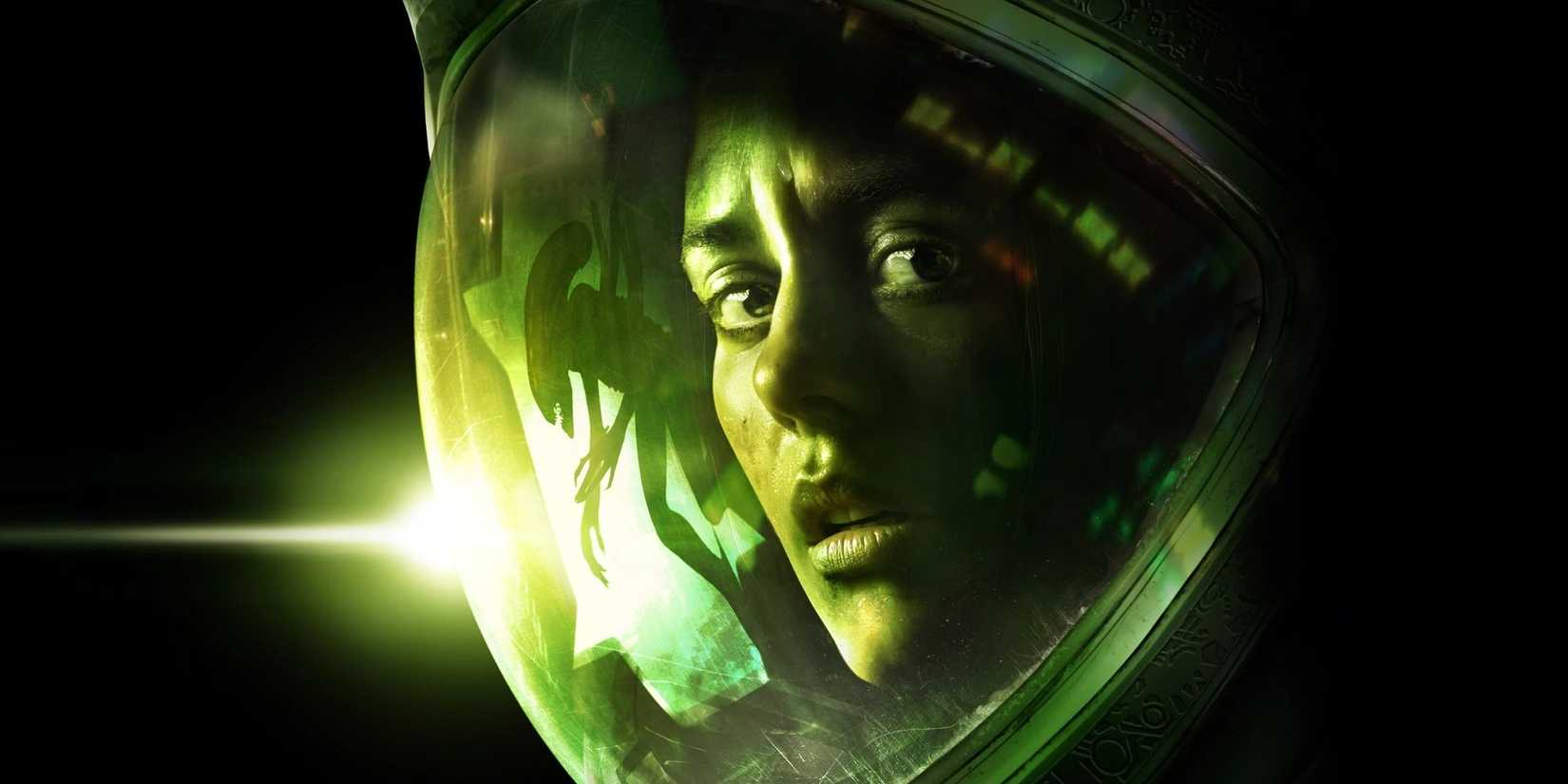
5. Alien: Isolation (2014) – The Apex Predator
For years, games based on the Alien franchise struggled to find the right balance between the action-heavy tone of James Cameron’s Aliens and the slow-burn dread of Ridley Scott’s original masterpiece. Alien: Isolation finally cracked the code.
The game’s central achievement is the Xenomorph itself. Powered by a revolutionary, reactive AI, the creature does not simply follow a set path; it hunts. It learns the player’s habits, listens to their movements, and adapts to their strategies. The sheer relief of finding a locker to hide in, only to hear the creature’s footsteps clicking on the metal floor inches away, is a sensation that few other games have ever been able to replicate. It remains the most faithful adaptation of the Alien brand ever produced.

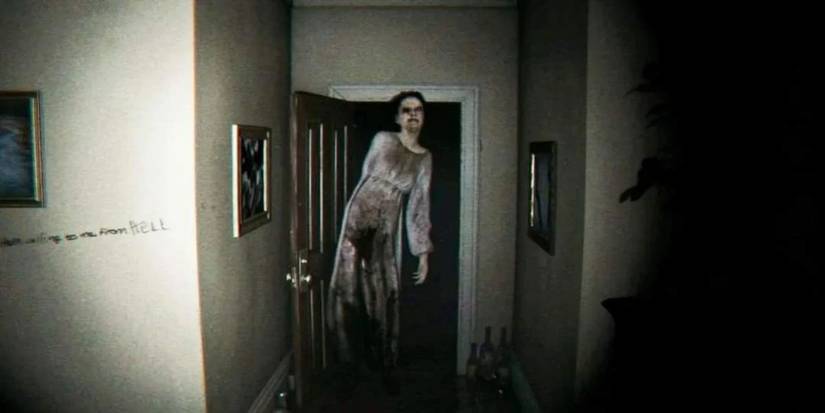
6. P.T. (2014) – The Micro-Masterpiece
P.T., or "Playable Teaser," occupies a unique place in gaming history. Originally intended as a demo for a Hideo Kojima-directed Silent Hill reboot, it became a cultural phenomenon upon its release. The concept was deceptively simple: walk through a single, looping hallway of a suburban home, and witness the subtle, terrifying changes that occur with every pass.
Despite its limited scope, P.T. was so effective at building dread that it forced players to rethink their assumptions about what a game could be. When Konami cancelled the project and removed the demo from digital storefronts, the game achieved a mythic status. To this day, the "looping hallway" structure is studied by developers as the gold standard for creating atmosphere in small spaces.
7. Resident Evil 7: Biohazard (2017) – Returning to the Roots
By the mid-2010s, the Resident Evil franchise had strayed far from its survival horror origins, leaning heavily into explosive action. Resident Evil 7 was the corrective measure the series desperately needed. By switching to a first-person perspective and confining the player to the derelict Baker family estate, Capcom rediscovered the magic of the original game.
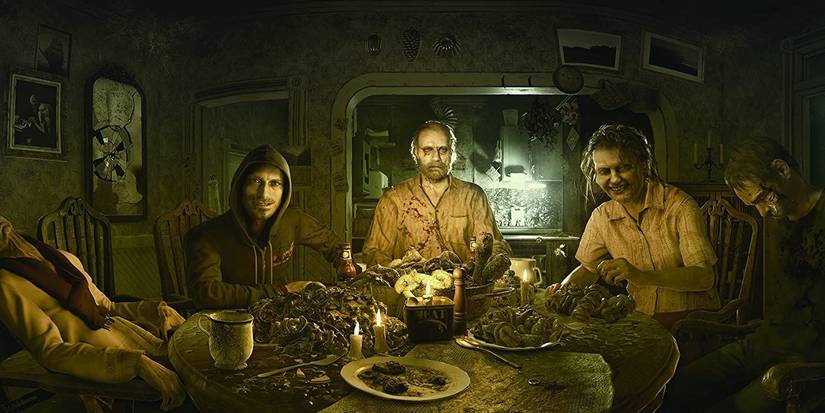
The intimacy of the horror—being hunted by a single, deranged family in a house that feels like a prison—was a breath of fresh air. It also served as a major technological milestone for the industry, as the entire campaign was fully playable in Virtual Reality. For many, RE7 in VR remains the single most terrifying experience ever coded.
8. Amnesia: The Dark Descent (2010) – The Birth of Modern Indie Horror
Before Amnesia, many horror games gave players the tools to fight back. Amnesia: The Dark Descent took those tools away. By forcing the player to run and hide rather than engage, it shifted the power dynamic entirely.
The "sanity mechanic," which forced players to avoid looking at monsters lest their character lose their mind, added a layer of psychological complexity that changed the indie horror scene forever. It triggered a massive wave of "let’s play" content on YouTube, bringing horror gaming to the forefront of the streaming era and proving that you didn’t need a massive budget to create a terrifying experience—just a dark room and a sound design that makes the player’s skin crawl.
9. Until Dawn (2015) – The Cinematic Slasher
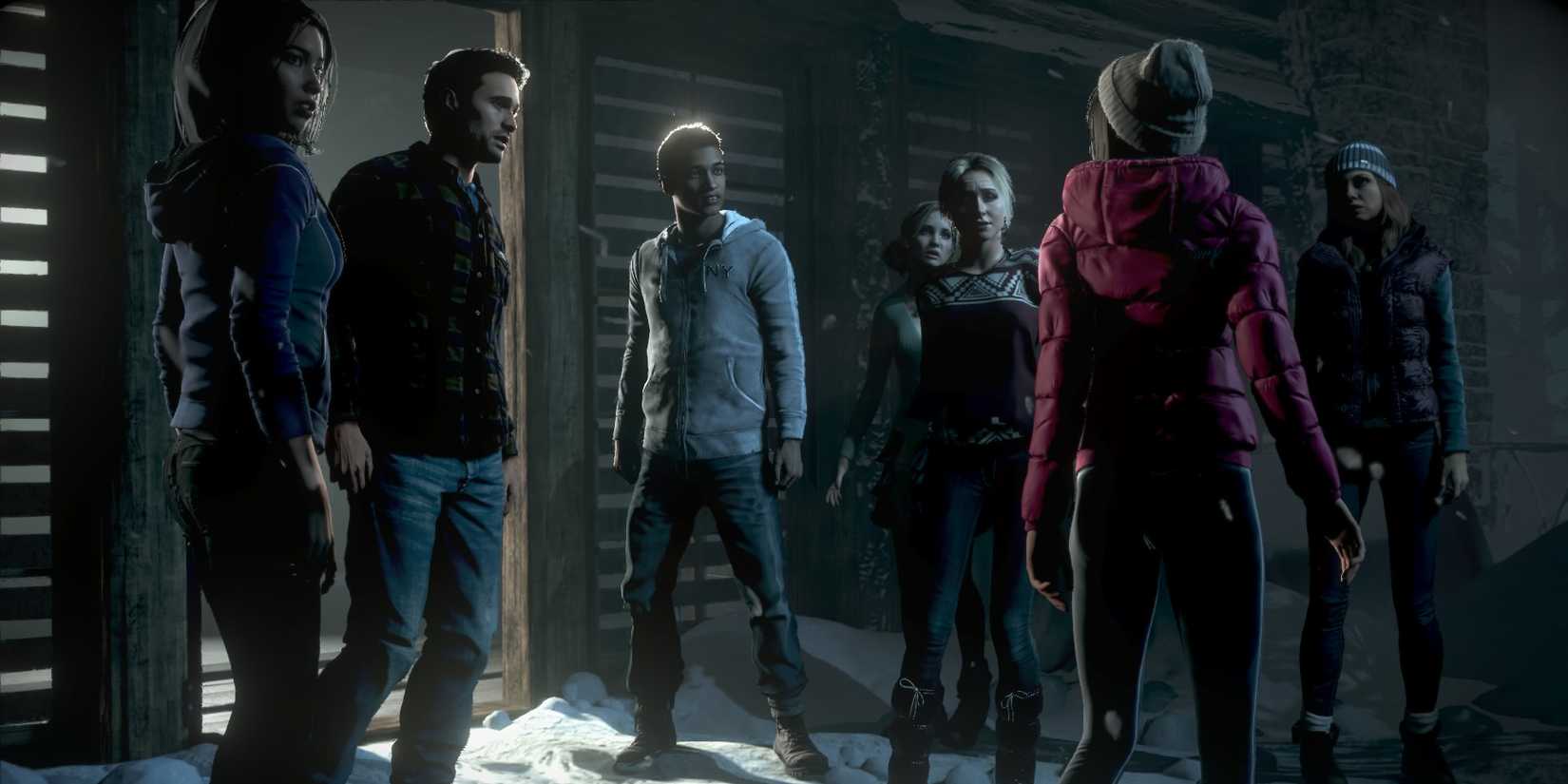
Until Dawn bridged the gap between video games and interactive cinema. By casting real actors and utilizing motion capture technology, it felt like a playable slasher film. The game’s "Butterfly Effect" system, where a single decision could lead to the death of any of the eight main characters, gave the experience genuine stakes.
It masterfully toyed with horror tropes, initially presenting as a clichéd cabin-in-the-woods story before evolving into something much more complex. Its integration of the DualShock controller’s motion sensors—requiring the player to hold perfectly still during high-tension moments—created a physical link between the player’s heartbeat and the game’s survival mechanics.
10. Fatal Frame II: Crimson Butterfly (2003) – The Cultural Powerhouse
Fatal Frame II is a testament to the power of cultural-specific horror. By rooting its scares in Japanese folklore and ghost stories, it tapped into a vein of terror that felt fresh and deeply unsettling to Western audiences.
The gameplay mechanic—using a "Camera Obscura" to exorcise ghosts by taking their photograph—was a brilliant inversion of the typical combat loop. Instead of attacking the monster, you had to stare it in the face, waiting for the perfect moment to snap the shutter. This forced intimacy with the game’s terrifying spirits created a unique form of dread, cementing the game as an essential piece of survival horror history.
Chronology and Evolution of the Genre
The evolution of these titles tracks the history of the industry itself. The early 2000s, represented by the Silent Hill and Fatal Frame eras, focused on technical limitations that actually aided the horror (limited draw distance, fixed camera angles). As hardware evolved, games like Dead Space and Alien: Isolation utilized lighting and AI to create immersive, high-fidelity environments. The 2010s brought the rise of indie horror (Amnesia) and cinematic narrative experiences (Until Dawn), proving that horror is a fluid genre capable of constant reinvention.
Official Responses and Industry Impact
The impact of these games extends beyond sales figures. P.T., despite being a cancelled project, changed how developers approach marketing and atmosphere. The success of the Resident Evil remakes has forced the entire industry to rethink how they treat legacy titles, leading to a "remake renaissance." Publishers have learned that horror is not just a niche category, but a pillar of the gaming industry that commands massive player engagement and longevity.
Implications for the Future
As we look forward, the implications for the genre are significant. With the advancement of haptic feedback, ultra-realistic audio spatialization, and increasingly sophisticated procedural AI, the line between "playing a game" and "experiencing a nightmare" continues to blur. The horror genre is currently in a golden age, one where developers are no longer satisfied with jump scares, but are instead striving to craft experiences that linger in the player’s subconscious. Whether through the lens of a camera in a haunted village or a motion tracker in the dark of space, the future of horror gaming looks just as terrifying—and as essential—as ever.
