
The Heist That Never Ended: Revisiting ‘The Italian Job’ as a Sequel Finally Takes Shape
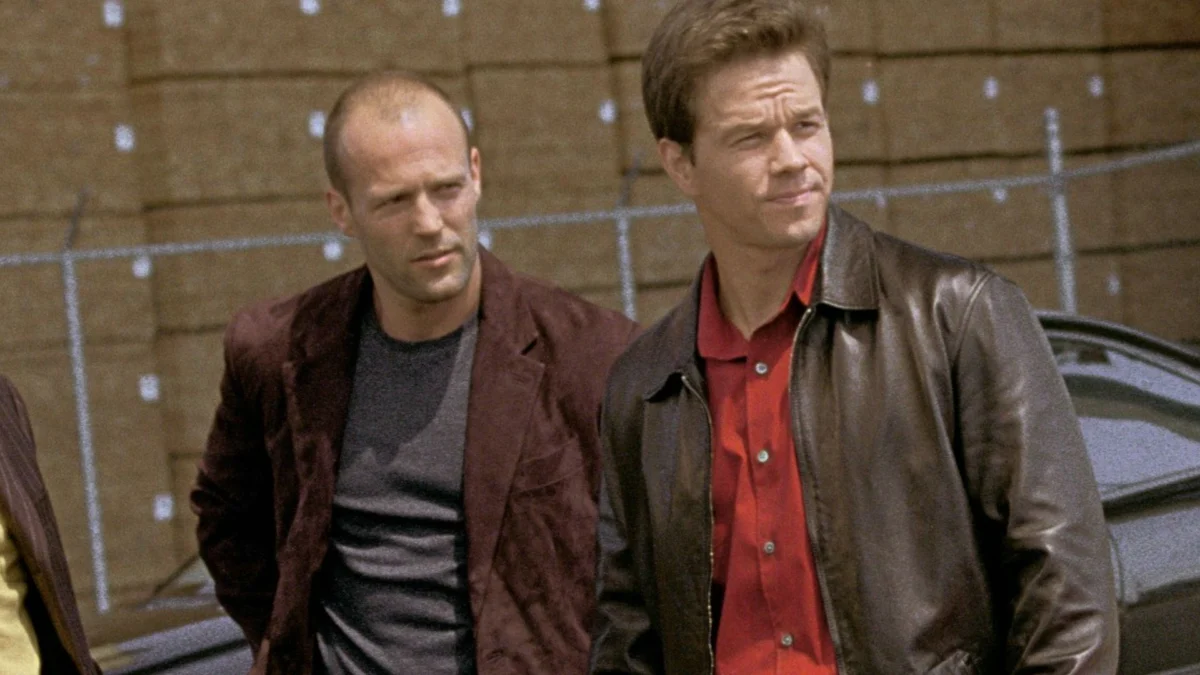
For over two decades, the 2003 action-thriller The Italian Job has stood as a definitive touchstone of the early 2000s blockbuster era. Starring a powerhouse ensemble—including Mark Wahlberg, Jason Statham, Charlize Theron, and Edward Norton—the film captured the public imagination with its high-octane Mini Cooper chases, sophisticated heist mechanics, and a blend of dry wit and adrenaline-fueled suspense. Now, twenty-three years after its theatrical debut, the project is back in the spotlight. With news that Paramount is officially in early development stages for a long-awaited sequel, interest in the original has surged, bolstered by its upcoming move to the Paramount+ streaming library this November.
The Genesis of a Modern Classic: A Retrospective
To understand the cultural footprint of The Italian Job, one must look back to May 30, 2003. Directed by F. Gary Gray—a filmmaker who would later cement his action credentials with The Fate of the Furious—the film served as a loose, contemporary reimagining of the 1969 British cult classic.
The plot centers on Charlie Croker (Mark Wahlberg), a master thief with an eye for precision and a penchant for elaborate planning. After orchestrating a gold bullion heist in the picturesque canals of Venice, Italy, the crew is betrayed by one of their own, Steve Frazelli (Edward Norton). The narrative pivot—a story of vengeance and recovery—transforms the film from a standard heist movie into a high-stakes chess match.
The supporting cast remains one of the most beloved ensembles of the era. Jason Statham, appearing before he became the global juggernaut of the Fast & Furious franchise, played "Handsome Rob," the team’s wheelman whose charisma was as sharp as his driving skills. Charlize Theron portrayed Stella Bridger, a safecracker looking to settle the score for her father, John Bridger (Donald Sutherland), whose tragic betrayal set the film’s moral stakes.
Chronology: From 2003 Box Office Success to the Long Wait
When The Italian Job hit screens in 2003, it was a rare beast: an original, mid-budget action property that succeeded on the strength of its cast and style rather than an existing franchise hook. With a production budget of approximately $60 million, the film went on to gross $173 million globally.
In Hollywood terms, such a return on investment usually signals an immediate greenlight for a franchise. Yet, the road to a sequel became a winding path of delays and missed opportunities. Throughout the late 2000s and early 2010s, rumors of a follow-up titled The Brazilian Job circulated frequently. While scripts were drafted and names were attached, the momentum stalled.
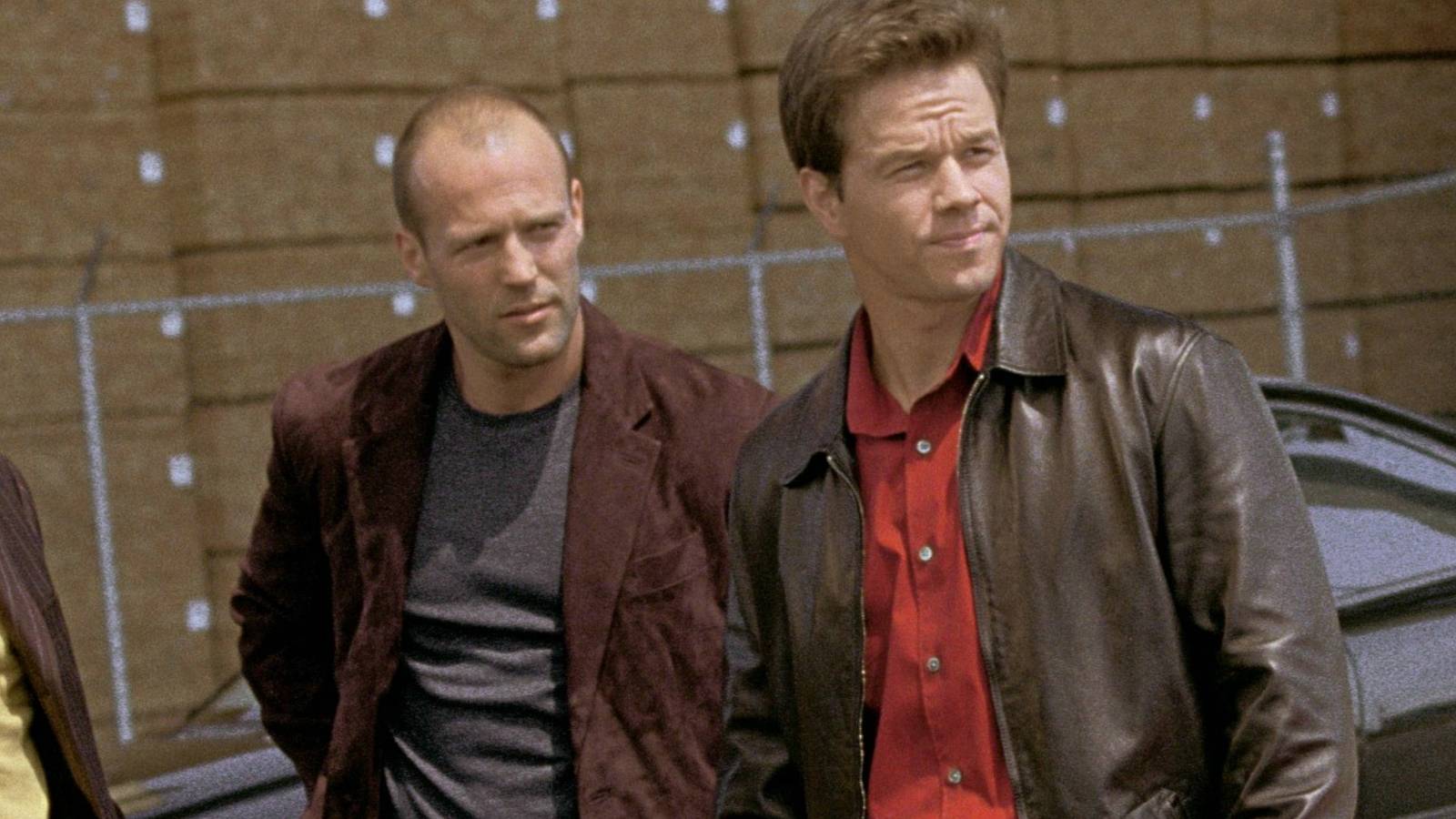
The industry shifted toward massive shared universes and superhero spectacles, leaving the grounded, character-driven heist genre in a state of flux. For 23 years, fans were left wondering if they would ever see Charlie Croker and his crew return to the road. The announcement in late 2026 that Paramount is finally moving forward with a sequel represents a massive shift in studio strategy, pivoting back to established, beloved intellectual properties that offer nostalgia alongside modern cinematic flair.
Supporting Data: Why the Remake Stays Relevant
Despite the skepticism that often follows a remake of a beloved 1969 classic, the 2003 version of The Italian Job carved out its own identity. Critically, it performed well, holding a 72% approval rating on Rotten Tomatoes. Audiences, however, were even more invested, awarding the film an 80% score.
Critical Comparison
- 1969 Original: 82% Critical Approval / 85% Audience Score
- 2003 Remake: 72% Critical Approval / 80% Audience Score
The disparity between the two is minimal, a testament to how effectively F. Gary Gray updated the source material. Where the original focused on the charm of 1960s British car culture, the 2003 iteration leaned into the technical wizardry of modern digital heists, traffic light manipulation, and the iconic, custom-built Mini Coopers that became the film’s visual signature.
Financial performance data also highlights the film’s "long tail" popularity. Even years after its initial home video release, the film remained a staple of cable television rotation and early digital storefronts, proving that its rewatchability factor—largely driven by the chemistry between Statham, Wahlberg, and Theron—remained high.
Official Responses and the Paul Feig Factor
The most significant development in the franchise’s history arrived with the news that director Paul Feig is in early talks to helm the new installment. Feig, known for his ability to blend comedy with high-stakes tension in films like A Simple Favor and his work on Bridesmaids, represents a departure from the traditional action-heavy approach of the original.
"Bringing a fresh lens to a project like The Italian Job requires a delicate balance," noted industry insiders close to the production. "Feig brings a rhythmic, character-first approach that could redefine the franchise for a new generation of moviegoers."

While Paramount has been tight-lipped regarding specific plot details or whether the original cast members will return to reprise their roles, the industry is buzzing with speculation. The return of Statham, who is now a significantly larger international star, would be a major logistical undertaking, yet his history with the property makes him an obvious candidate for a bridge between the old guard and the new.
Implications: A New Era for the Heist Genre
The move to bring The Italian Job back to the forefront via Paramount+ on November 1, 2026, is a calculated maneuver. Streaming services often use catalog titles to prime the audience for upcoming theatrical or streaming-exclusive sequels. By making the 2003 film available to a broad audience, Paramount is effectively "re-onboarding" viewers into the world of Charlie Croker.
Potential Strategic Impacts:
- Genre Revitalization: If the sequel succeeds, it could spark a broader revival of the "caper" genre, which has been largely overshadowed by CGI-heavy action films.
- Cast Synergy: The prospect of seeing a matured version of the original crew in a modern-day setting offers significant "legacy sequel" appeal, similar to recent successes like Top Gun: Maverick.
- Technological Evolution: A modern sequel would likely trade the 2003-era "traffic light hacking" for modern cybersecurity warfare, offering a fresh take on the digital heist mechanics that made the original so clever.
As we look toward the future, the primary concern for fans is tone. The 2003 film was defined by its "cool" factor—a smooth, jazzy aesthetic that prioritized style without sacrificing substance. If Paul Feig and the team at Paramount can capture that lightning in a bottle once more, they may not just be making a sequel; they could be crafting a new standard for the modern heist film.
For now, audiences are encouraged to return to the film that started it all. Starting November 1, viewers can revisit the Venice canals, the frantic streets of Los Angeles, and the iconic gold-laden Mini Coopers that defined an era. Whether you are a long-time fan of the 2003 original or a newcomer curious about the hype surrounding the upcoming sequel, the road ahead for The Italian Job looks just as fast and just as rewarding as the path that led to the original’s success. The heist is back on, and this time, the stakes are higher than ever.
