
The Invisible Partner: Why Hollywood’s Zuckerberg Biopics Erase Priscilla Chan

The cinematic portrayal of tech mogul Mark Zuckerberg has become a cornerstone of modern biographical drama. From David Fincher’s 2011 definitive masterpiece The Social Network to the 2026 legal thriller The Social Reckoning, the figure of the Facebook founder has been analyzed, dissected, and ultimately caricatured. Yet, across both films, one glaring omission persists: the presence of Priscilla Chan. By systematically removing the most significant person in Zuckerberg’s life, Hollywood has crafted a narrative of the "tortured tech genius" that prioritizes dramatic myth-making over the nuance of reality.
The Myth of the Jilted Loner: Main Facts and Narrative Choices
In the world of prestige cinema, internal consistency is often prioritized over objective truth. The Social Network, written by Aaron Sorkin, famously centers on the "Erica Albright" arc—a fictionalized romantic interest played by Rooney Mara. Albright serves as the catalyst for Zuckerberg’s ambition; she is the "missing piece" that justifies his transition from a socially awkward Harvard student to a ruthless tech titan.

By framing the creation of Facebook as a byproduct of romantic rejection, the film creates a clean, easily digestible narrative arc. However, this is a profound departure from the timeline of the actual Mark Zuckerberg. In reality, Zuckerberg and his now-wife, Priscilla Chan, met at a Harvard fraternity party in 2003—the same year the events depicted in the film’s inciting acts took place. They have been a couple for over two decades, navigating the meteoric rise of the world’s largest social media platform side-by-side.
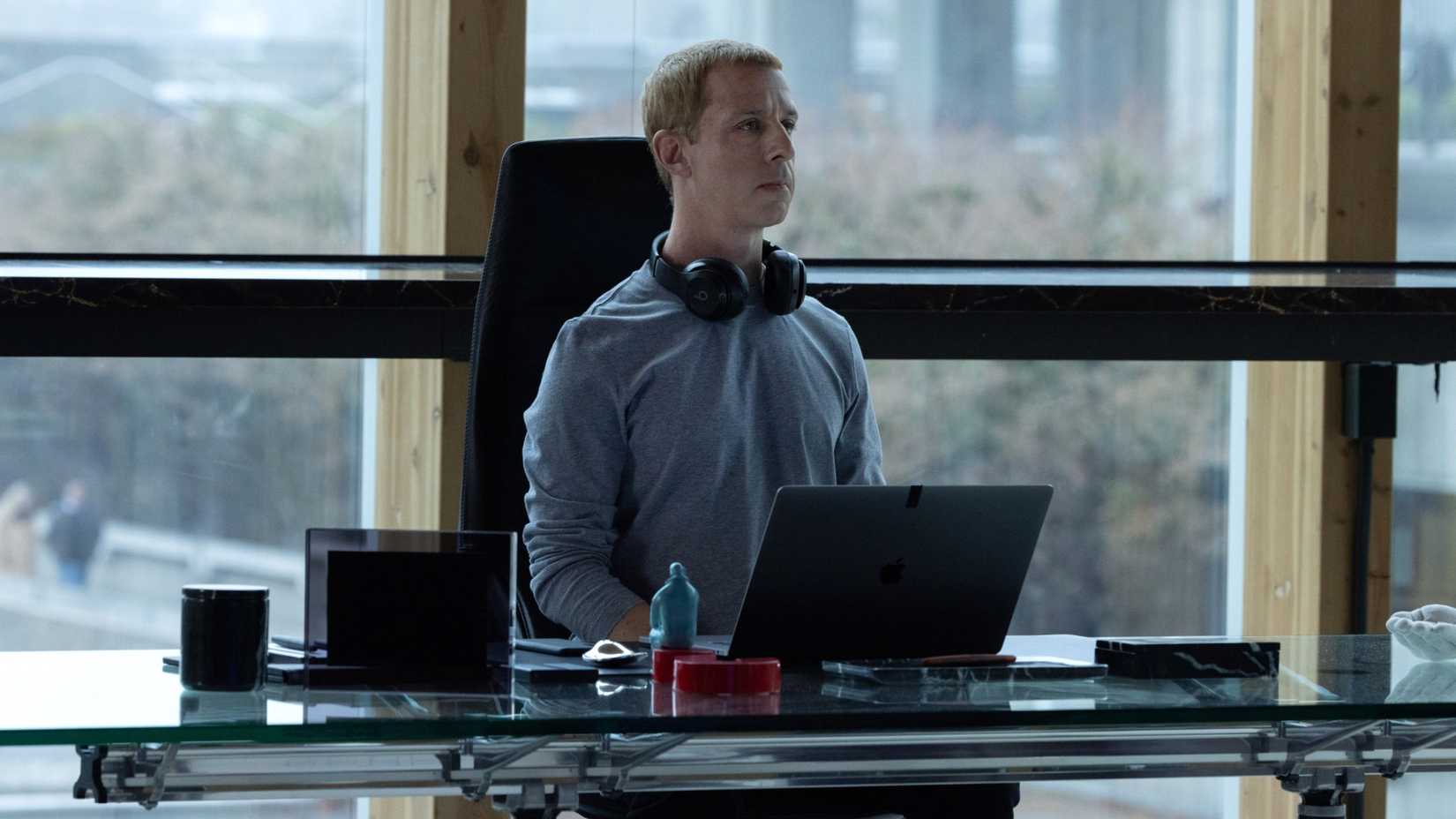
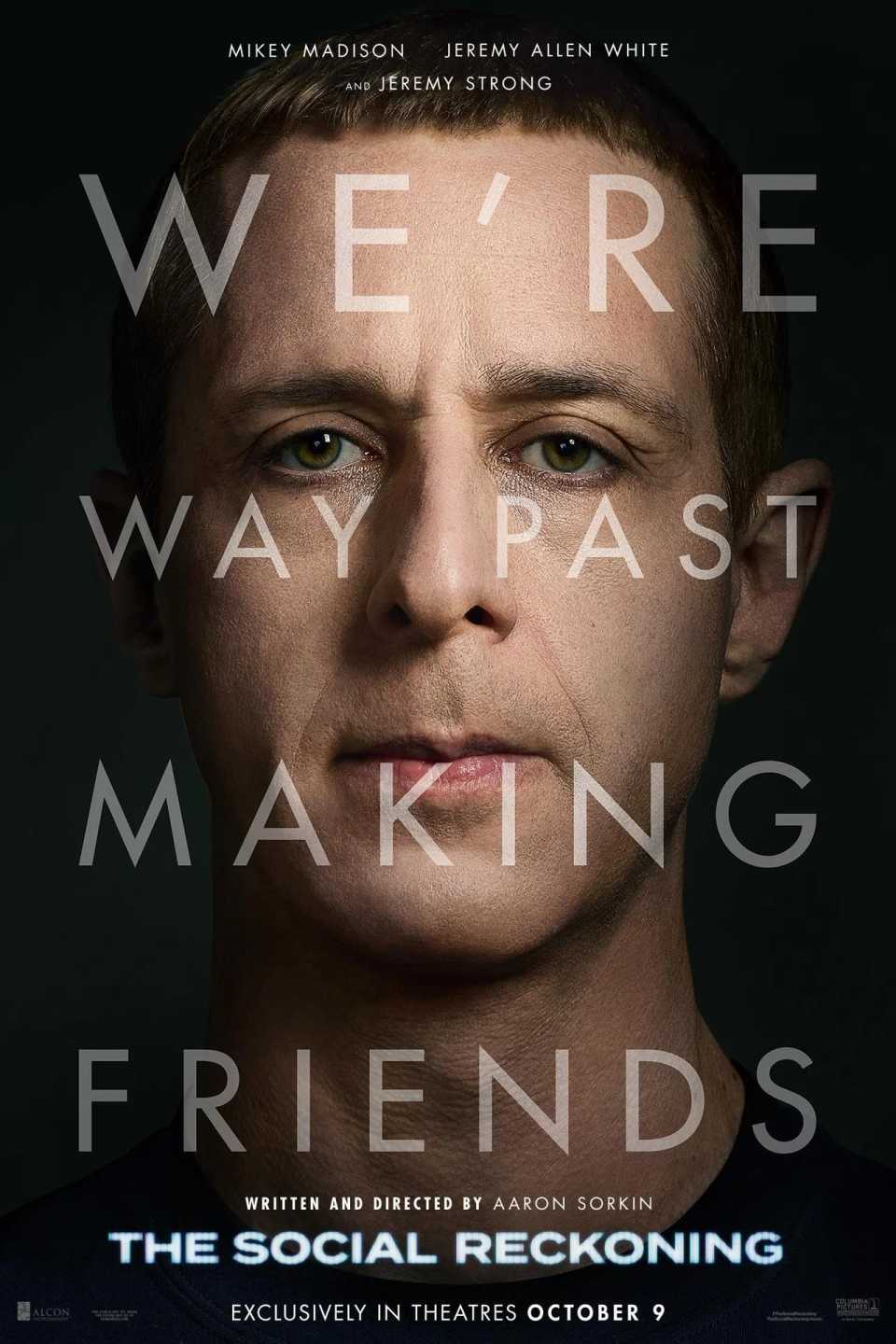
The 2026 follow-up, The Social Reckoning, takes a different, perhaps more clinical, approach. Rather than focusing on his romantic life, it positions Zuckerberg (portrayed by Jeremy Strong) as an almost clinical, detached figure—a "robot" of industry who prioritizes the algorithm over human emotion. By omitting Chan, the film avoids the inconvenient reality that the man it depicts as a callous, unfeeling machine is a husband and a father of three. The omission is strategic: it is far easier to condemn a monster than it is to grapple with a complex human being who maintains a stable, long-term marriage.

A Chronology of Omission: From Harvard to Global Tech Dominance
To understand the disparity between the cinematic Zuckerberg and the real-world individual, one must look at the timeline.
- 2003: Mark Zuckerberg and Priscilla Chan meet at a party while at Harvard. They begin dating almost immediately.
- 2004: Facebook (originally "TheFacebook") is launched. Contrary to the film’s premise, Zuckerberg is already in a committed relationship.
- 2012: One day after Facebook’s initial public offering (IPO), Mark Zuckerberg and Priscilla Chan are married in a private ceremony in their backyard.
- 2015–Present: The couple welcomes three daughters. Chan transitions from her medical career as a pediatrician to co-CEO of the Chan Zuckerberg Initiative (CZI), a philanthropic organization funded by 99% of their Facebook equity.
In the films, this timeline is essentially wiped clean. The Social Network ends with Zuckerberg sitting in a room, refreshing a browser, waiting for a friend request from an ex-girlfriend who never existed. The Social Reckoning presents a similar isolation, focusing on the whistleblower leaks and the legal battles that defined the company’s later years. By excluding Chan, both films suggest that Zuckerberg’s life is defined solely by his work, his legal battles, and his intellectual isolation.
The Reality of the Chan Zuckerberg Initiative
The erasure of Priscilla Chan is particularly striking when considering her professional contributions. She is not merely a "spouse" in the traditional Hollywood sense; she is a central figure in the architecture of the Zuckerberg fortune. As the co-CEO of the Chan Zuckerberg Initiative, she oversees massive investments in science, education, and community development.
The CZI is a for-profit LLC, a structural choice that allows the couple to engage in political and social advocacy in ways that traditional non-profits cannot. By ignoring her role, filmmakers ignore the reality of how the wealth generated by Facebook is actually being managed and deployed. It paints Zuckerberg as a man acting in a vacuum, rather than a partner in a massive, coordinated philanthropic effort that has become one of the most influential entities in global science and policy.

Official Responses and the "Hurtful" Narrative
Mark Zuckerberg has not been silent about the fictionalization of his life. In several public Q&A sessions following the release of The Social Network, Zuckerberg addressed the film directly. He noted that while the production team got his wardrobe—the hoodies, the sneakers, the specific look—perfect, the emotional arc was entirely disconnected from his reality.
"It’s interesting what parts they focused on getting right; like, every single shirt and fleece that I had in that movie is actually a shirt or fleece that I own," Zuckerberg once remarked. However, he also famously described the film’s central conceit—that he created Facebook to get girls—as "hurtful." He argued that the real motivation was a genuine passion for building tools and exploring the potential of digital connectivity.

Regarding The Social Reckoning, the situation is more opaque. Actor Jeremy Strong, known for his intense "method" approach, reportedly reached out to Zuckerberg during his research for the role. While Strong has confirmed a correspondence took place, he has remained tight-lipped about the content of that dialogue. Whether the film’s portrayal—which paints Zuckerberg in an even more villainous light than the 2011 original—was influenced by this interaction remains a point of speculation among film critics.
Implications: The Dangers of the "Villainous Genius" Trope
Why does this matter? The persistence of the "lone, unfeeling genius" trope has significant implications for how the public perceives tech leadership.
First, it reinforces a dangerous romanticization of social isolation. By suggesting that grand, world-changing innovation requires the abandonment of human connection, these films promote a toxic view of success. They suggest that the "Zuckerbergs of the world" are fundamentally different from the rest of us—that they are, by necessity, disconnected from the very human values they claim to serve.
Second, it marginalizes the influence of partners in high-stakes environments. Priscilla Chan is a Harvard-educated physician and a powerful executive in her own right. By stripping her from the narrative, these movies suggest that a powerful man’s life is a singular journey. It erases the collaborative nature of life and business, even when the subject is someone as controversial as the founder of Facebook.

Finally, it limits our capacity for nuance. If we are satisfied with the cinematic version of Zuckerberg—the robot, the jilted lover, the corporate villain—we are not holding the real, complex person accountable. We are not engaging with the reality of his choices, his family, or his actual influence on society. We are merely engaging with a caricature that is easier to watch and, ultimately, easier to dismiss.
Conclusion
Cinema is an art form of compression and selection. Directors and screenwriters are forced to make choices about what to include and what to leave on the cutting room floor. However, the consistent erasure of Priscilla Chan across two major biographical films is not just an artistic choice; it is a narrative strategy that relies on the "lone wolf" myth to make a complex, often unlikable subject more palatable for the screen.

While The Social Network and The Social Reckoning remain technically impressive and emotionally gripping films, they are ultimately works of historical fiction. They capture a version of Mark Zuckerberg that fits the needs of a screenplay, but they fail to capture the reality of the man himself. As long as Hollywood continues to prioritize the "tortured genius" archetype over the reality of human relationships, the public will continue to be presented with a distorted image of one of the most influential figures of the 21st century. To understand the true impact of figures like Zuckerberg, we must look past the screenwriters’ inventions and recognize the people, like Priscilla Chan, who define their lives outside the spotlight.
