
The Sigma FP2 Unveiled: A Bold Evolution in Modular Cinematography and Street Photography
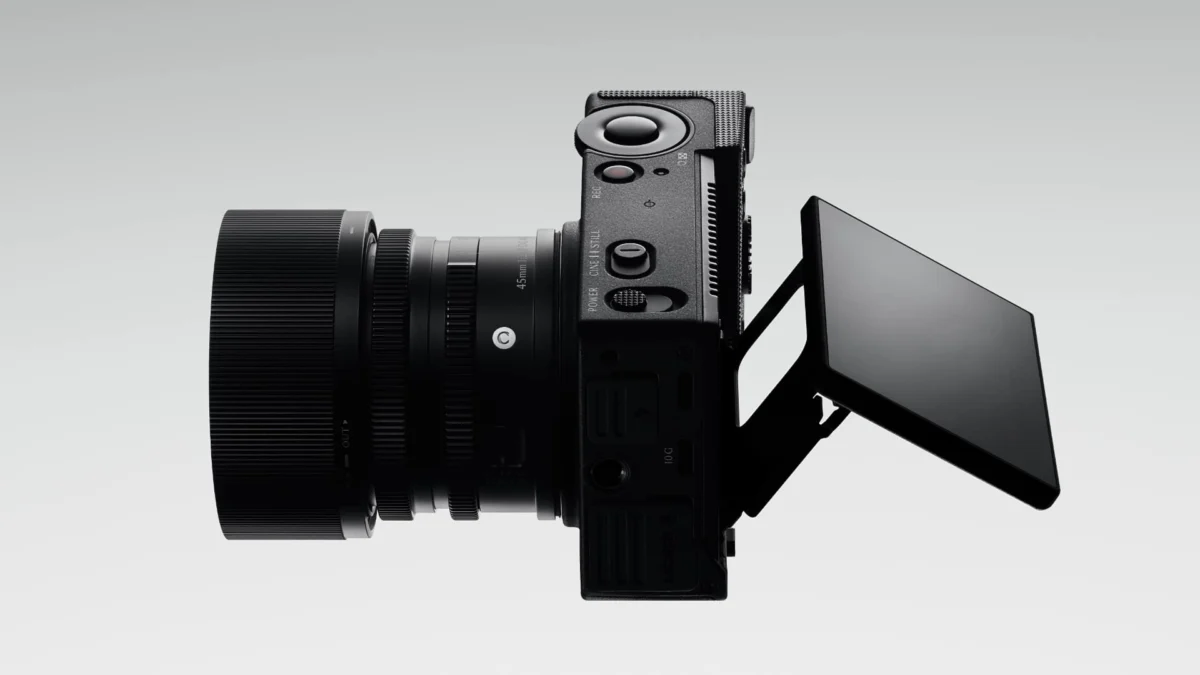
Sigma has officially pulled back the curtain on the highly anticipated FP2, a camera that continues the manufacturer’s tradition of defying convention. Following months of intense industry speculation, the L-Mount full-frame mirrorless camera is set to arrive at authorized retailers on November 11, 2026. Priced at $2,199 for the body alone, the FP2 represents a calculated refinement of Sigma’s "pocket cinema" philosophy, prioritizing a modular, video-centric workflow over the traditional all-in-one approach favored by its competitors.
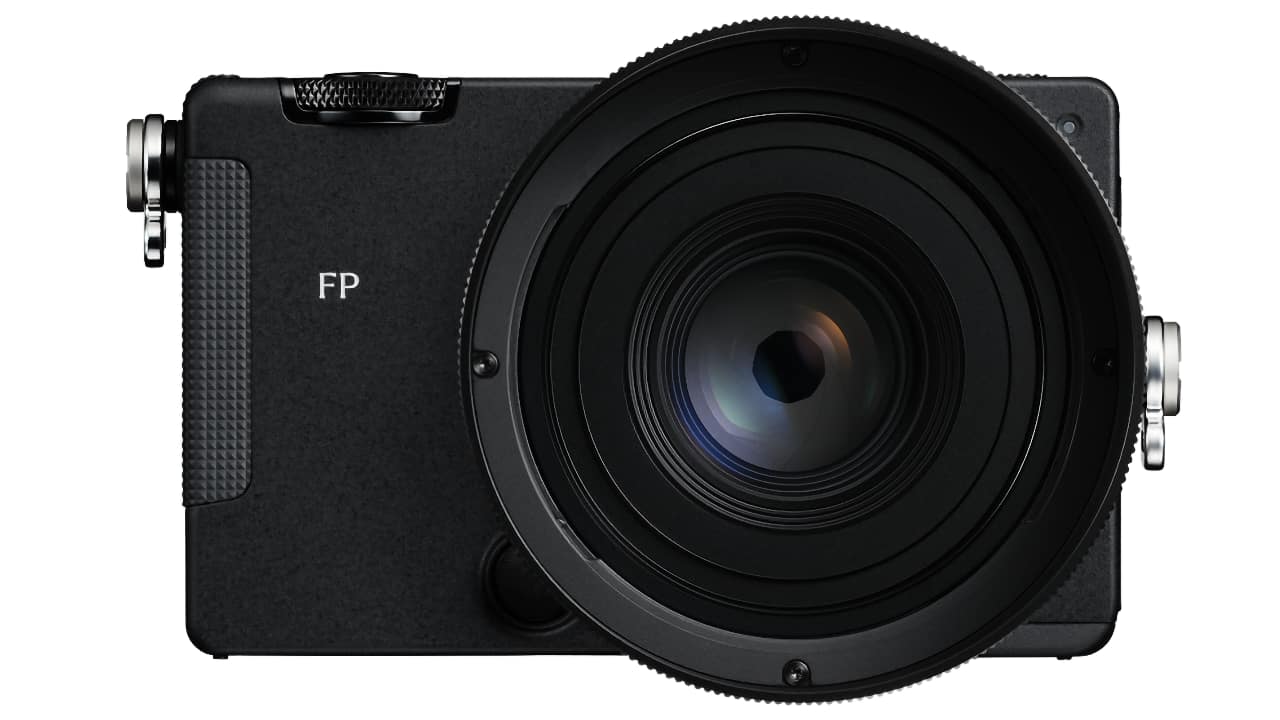
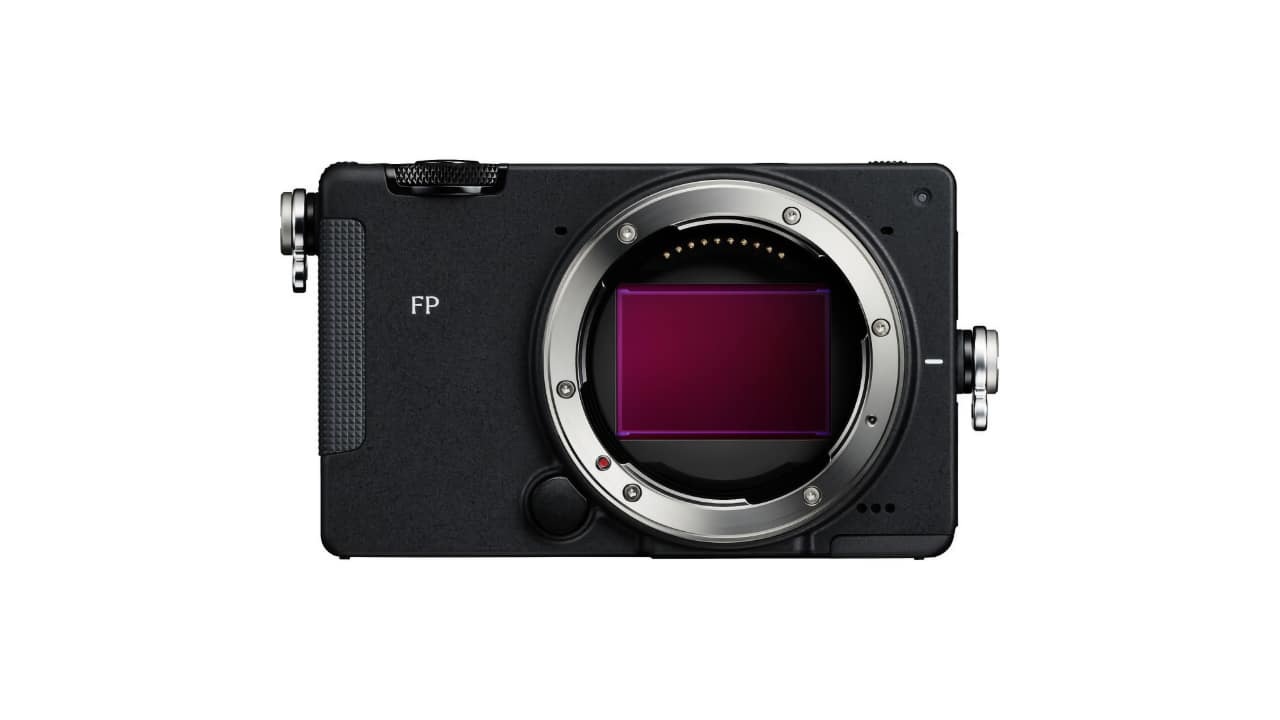
While the camera generated significant buzz throughout the autumn—notably due to inaccurate rumors regarding an integrated Electronic Viewfinder (EVF)—the final product confirms that Sigma is doubling down on its unique, box-like form factor. By eschewing a built-in viewfinder to maintain its status as the world’s smallest full-frame body, the FP2 remains a polarizing, albeit fascinating, piece of engineering.
Main Facts: The Anatomy of the FP2
The Sigma FP2 is defined by its extreme compactness and its dual-purpose architecture. Measuring just 112.8 x 69.9 x 41.8 mm and weighing a mere 388 grams (body only), it is designed to be the ultimate chameleon. Whether configured as a minimalist street-photography rig or a fully kitted cinema production unit with cage, matte box, and external monitors, the FP2 is built to adapt to the user’s specific environment.
Core Technical Specifications:
- Sensor: 24.5-megapixel partially stacked CMOS sensor with high-speed readout.
- Video Capabilities: 6K OpenGate recording with up to 14.1 stops of dynamic range (4K FF L-Log).
- Internal Storage: 70 GB of internal buffer memory, providing a crucial fail-safe when the primary SD card reaches capacity.
- Stills Performance: Up to 20 fps burst shooting (for up to 200 frames); ISO 100–102,400 (expandable down to ISO 6 for stills).
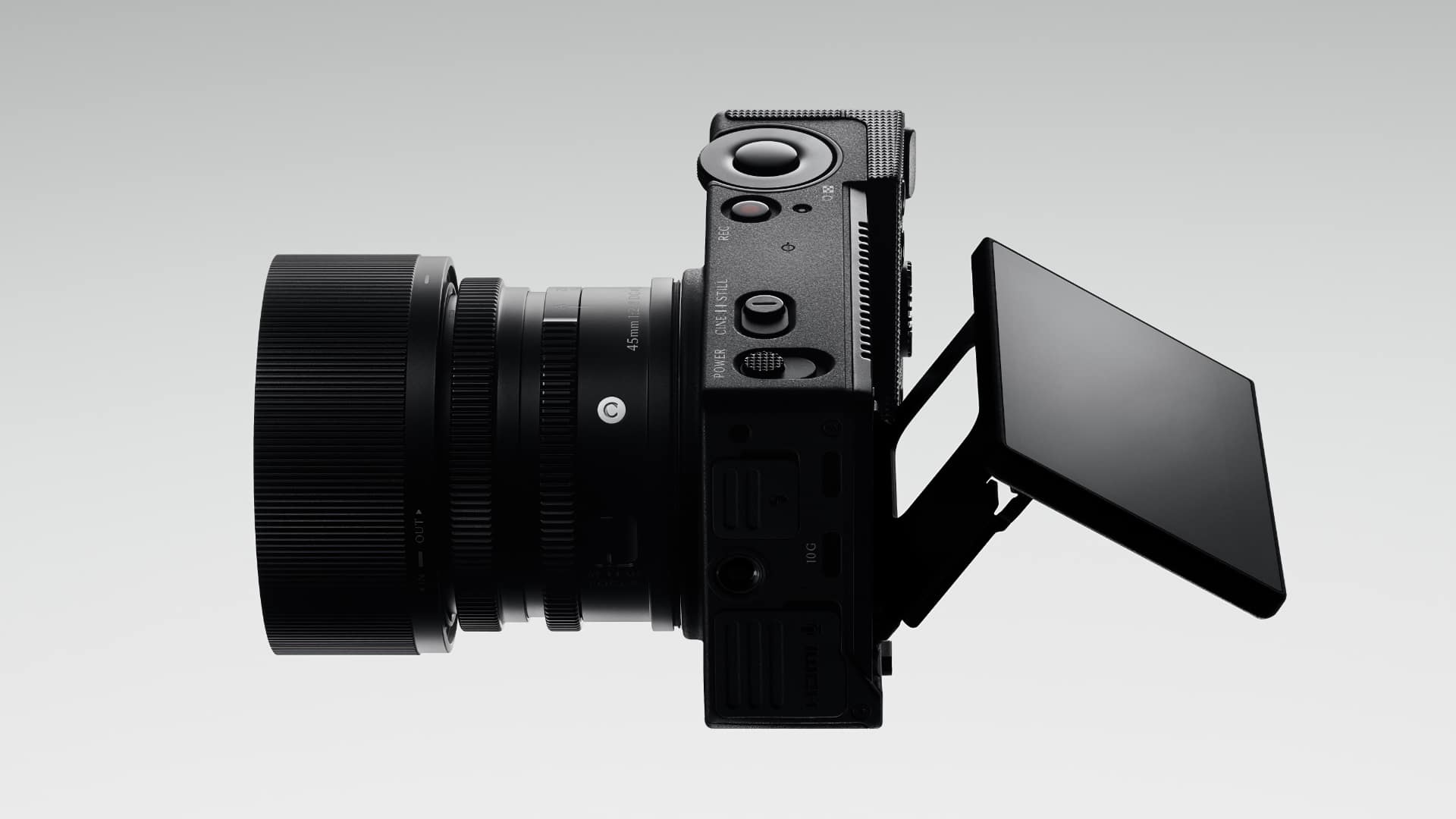
- Hybrid Workflow: A dedicated physical switch toggles between STILL and CINE modes, fundamentally altering the user interface and operational logic of the device.
The decision to opt for a 24.5-megapixel sensor, rather than the 61-megapixel sensor found in the earlier fp L, is a clear signal from Sigma that this camera is optimized for motion picture performance and low-light efficiency rather than pure resolution.
A Chronology of Expectation: From Rumor to Reality
The journey to the FP2’s launch has been marked by a high-stakes guessing game within the photography community. As early as the first week of October 2026, various industry outlets—including this publication—reported with high confidence that the FP2 would feature an internal EVF. This prediction was rooted in the common user feedback regarding the original fp series: that while the camera was brilliant, it was often difficult to use in bright, outdoor daylight without an eye-level finder.
The "EVF" Debacle
The rumor mill was, in retrospect, incorrect. When the official specifications were released, it became clear that Sigma had opted to maintain the structural integrity of the "brick" form factor rather than compromise its dimensions by carving out space for a prism or OLED viewfinder. This led to a mix of relief and disappointment among the enthusiast community—relief that the $2,500 rumored price tag was lower than expected, and disappointment that the "all-in-one" dream remained a modular dream instead.
The November Reveal
On November 11, the wait concluded. Sigma confirmed the pricing tiers:
- Body Only: $2,199.
- Bundle with 50mm F2 DG | Contemporary Lens: $2,749.
- Bundle with EVF-21 Electronic Viewfinder: $2,749.
By offering the EVF-21 as a bundled accessory rather than an integrated component, Sigma has preserved the user’s choice: pay for the extra bulk only if you actually need it.
Supporting Data: Performance Under the Hood
The FP2’s performance metrics suggest a camera designed for the professional video market. The inclusion of 6K OpenGate recording is a major upgrade for filmmakers who require the flexibility to crop, stabilize, or reframe footage in post-production without losing detail.
CINE Mode and Workflow
When the top-plate switch is moved to "CINE," the camera transforms. It gains access to professional-grade features such as:
- ProRes RAW Support: Ensuring maximum latitude for color grading.
- L-Log Integration: Developed in collaboration with Leica Camera AG, providing a flat color profile that maximizes the 14.1 stops of dynamic range.
- 32-bit Float Audio: When paired with the optional HU-21 hot shoe unit and compatible Panasonic audio gear, the FP2 offers professional-grade sound capture, a rarity for a body of this size.
The Director’s Viewfinder
Sigma has retained and improved upon its "Director’s Viewfinder" mode, which allows users to simulate the field of view of industry-standard cinema cameras like the ARRI ALEXA 35 and the Sony VENICE 2. This functionality makes the FP2 an essential tool for directors and cinematographers on set, even when they aren’t using the device as their primary A-camera.
Official Responses and Design Philosophy
Sigma’s design team has been vocal about the "modular" nature of the FP2. In official press materials, the company emphasizes that it is not competing with traditional mirrorless cameras that prioritize "do-it-all" ergonomics. Instead, Sigma is courting the "production-first" user.
The Lack of IBIS
One notable absence in the spec sheet is In-Body Image Stabilization (IBIS). When asked about this omission, Sigma representatives have pointed toward the target audience of the FP2—filmmakers who utilize gimbals, tripods, or shoulder rigs, where traditional IBIS is often either unnecessary or actively detrimental to the "organic" look of handheld cinematography. For stills shooters, the lack of IBIS may be a hurdle, but the camera’s reduced weight and high-speed readout—which minimizes rolling shutter distortion—are offered as mitigations for handheld work.
Implications: Where Does the FP2 Fit in the Market?
The release of the Sigma FP2 signals a maturation of the modular camera movement. In a market dominated by massive, heavy, and increasingly complex hybrid mirrorless cameras, the FP2 serves as a "reset" button.
Impact on the L-Mount Alliance
By reinforcing its commitment to the L-Mount, Sigma continues to provide a unique value proposition for the alliance. Users who invest in L-Mount glass for their Lumix or Leica bodies now have a secondary, highly specialized tool in the FP2. It serves as a perfect B-cam for large-scale productions or as an unobtrusive, high-performance unit for documentary filmmakers who need to disappear into a crowd.
The "Pro-Sumer" Divide
The pricing strategy of $2,199 places the FP2 in direct competition with high-end APS-C cameras and mid-range full-frame models. However, the FP2 is not a "generalist" camera. It does not have the best autofocus in the industry, nor does it have the most ergonomic grip. It is, however, one of the most capable video capture devices on the market, pound-for-pound.
The implication for the industry is clear: manufacturers are beginning to recognize that "hybrid" does not have to mean "one-size-fits-all." By providing a base unit and allowing users to customize it via the LVF-21 LCD magnifier, the EVF-21 electronic viewfinder, and the HU-21 audio interface, Sigma has created a platform that grows with the user.
Final Thoughts
The Sigma FP2 is not for everyone. If you are a wedding photographer who needs a reliable, all-in-one workhorse with stellar stabilization and long-lasting battery life, the FP2 may require too much "fiddling." But for the cinematographer, the street photographer who values size above all else, or the production designer who needs a digital light-metering tool, the FP2 is a masterclass in focused engineering.
By ignoring the pressure to conform to the "standard" mirrorless form factor, Sigma has once again proven that there is a significant, passionate, and professional audience for cameras that dare to be different. The FP2 is a testament to the idea that sometimes, the best way to move forward is to strip away the excess and focus on the core of the image. As November 11 approaches, the industry watches to see if this modular bet will pay off, but for those who have been waiting for a truly portable cinema machine, the wait is effectively over.
