
The Synthetic Disappointment: Ben Affleck’s Animals and the Shadow of AI in Hollywood
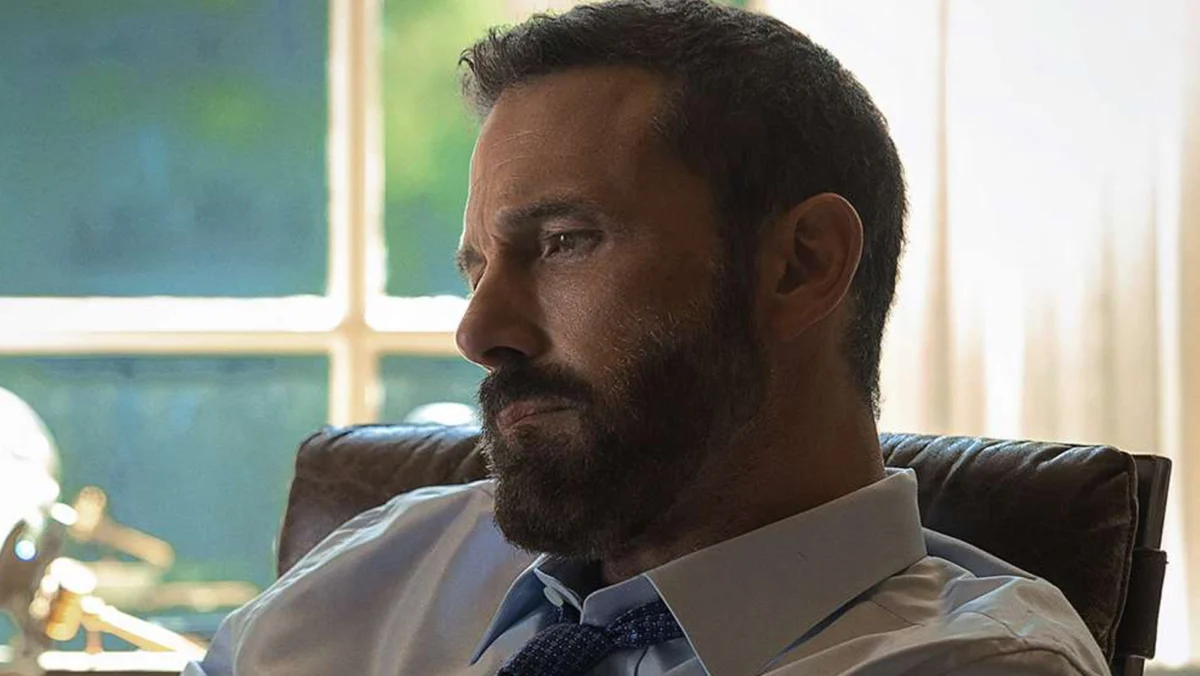
In an era where the intersection of artificial intelligence and creative labor has become the primary battleground of the entertainment industry, Ben Affleck’s latest directorial effort, Animals, has arrived not with a bang, but with a lingering, algorithmic hum. While the film is ostensibly a high-stakes crime thriller set in the underbelly of Los Angeles politics, its release has been overshadowed by a controversy that strikes at the heart of modern filmmaking: the overt integration of generative AI in a production that claims to be a grounded, human-centric story.
With a narrative that echoes the moral weight of Akira Kurosawa’s High and Low but fails to achieve its thematic resonance, Animals feels less like a passion project and more like a test case for a new, automated model of Hollywood production.
The Genesis of a Controversy: The AI Factor
The conversation surrounding Animals shifted dramatically following a recent interview in which Ben Affleck openly admitted to utilizing artificial intelligence throughout the production process. According to the filmmaker, AI was employed for "lots of things" during the film’s post-production phase.
"We did use it," Affleck noted in the interview. "And in fact, I thought it was a good example because it’s a very human movie. It’s not in space, it doesn’t have visual effects, but it allowed us to move in some cases more quickly, really mostly in post-production, to do things that otherwise we wouldn’t have been able to do."
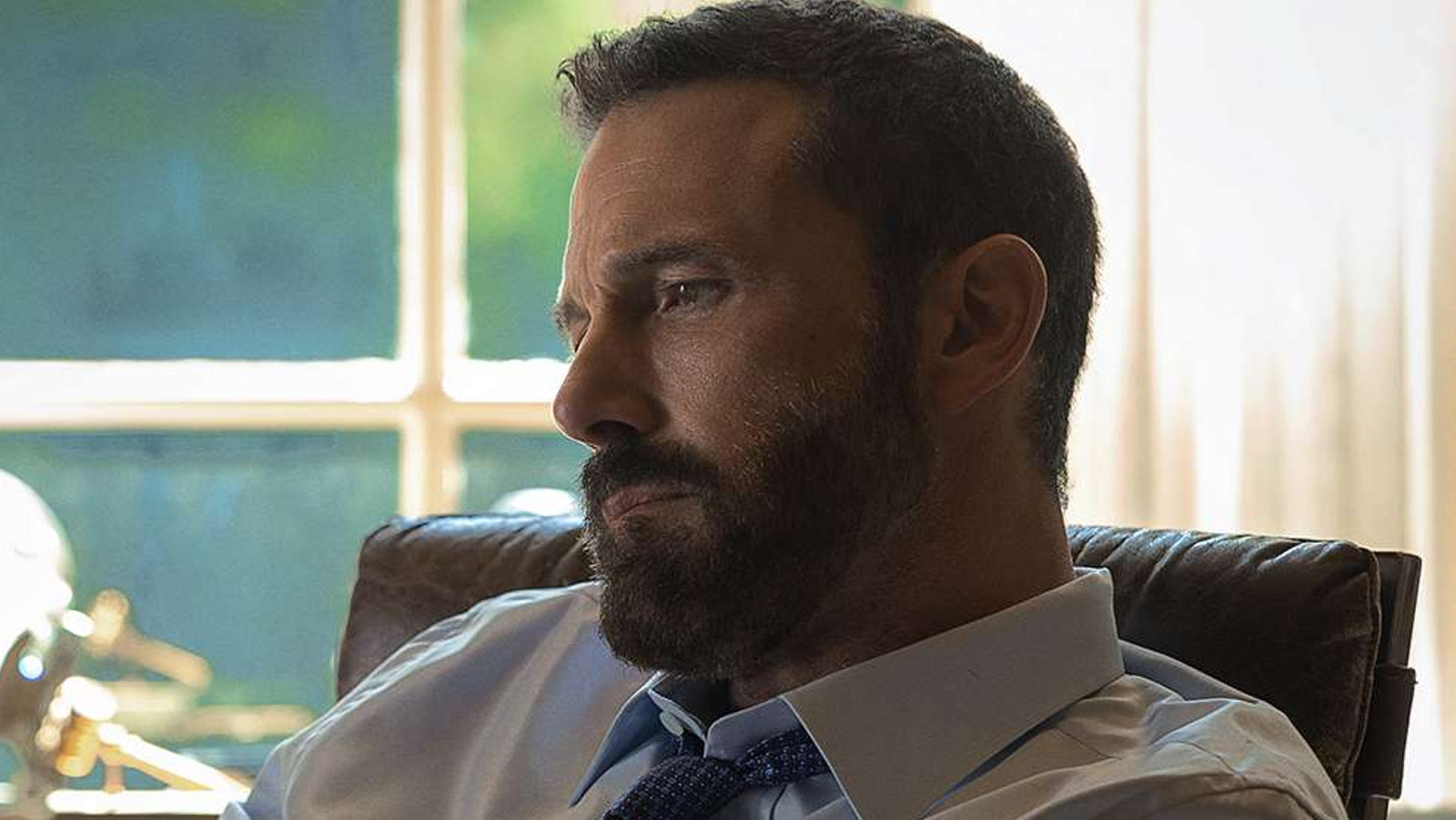
For many industry observers, this admission feels less like a technological triumph and more like a signal of a shifting paradigm. The disclosure is particularly resonant given Netflix’s recent acquisition of InterPositive—Affleck’s own AI startup—for a staggering $587 million. When a filmmaker who has historically been championed for his "human-centric" crime dramas begins to lean heavily on generative tools, it raises an existential question for the medium: if a movie doesn’t need visual effects or outer space, why is it being processed through an artificial filter?
For the viewer, this knowledge creates a persistent, distracting skepticism. As one watches the film’s establishing shots of Los Angeles—glossy, sterile, and eerily perfect—the suspicion that they were generated by a machine rather than captured by a lens creates a barrier between the audience and the narrative, turning the act of watching into an exercise in forensic analysis.
A Chronology of Declining Returns
To understand where Animals sits in the Affleck canon, one must look at his directorial trajectory. Affleck burst onto the scene with the gritty, authentic Gone Baby Gone (2007), a film that utilized the landscape of Boston as a character in itself. He followed this with The Town (2010), a masterclass in the heist genre, and the Oscar-winning Argo (2012), which displayed a command of pacing and historical tension. Even his more recent effort, the sports-drama Air (2023), showed a director capable of elevating corporate origin stories into compelling human narratives.
However, the descent began with Live By Night (2016), a period piece that lacked the soul of his earlier work. Animals appears to be the next step in this decline. It is a film that functions with the efficiency of a machine but lacks the heartbeat of a human creation. It is a thriller that refuses to thrill, opting instead for a polished, "Netflix-original" aesthetic that feels more designed by an algorithm to optimize viewer retention than directed by a human to elicit genuine emotion.
Plot Breakdown: The Anatomy of a Failed Thriller
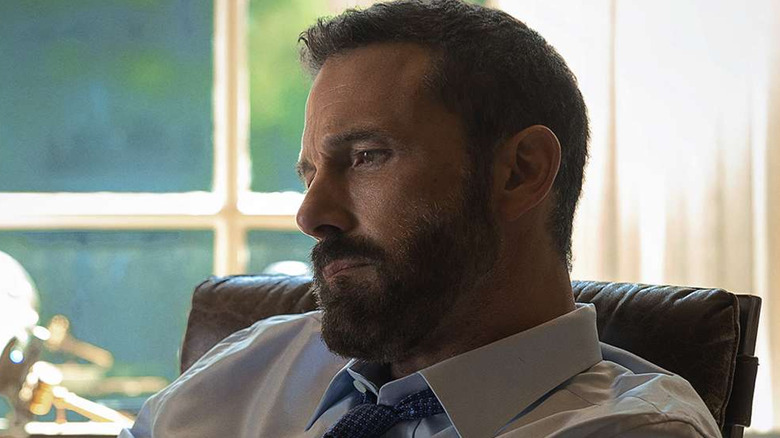
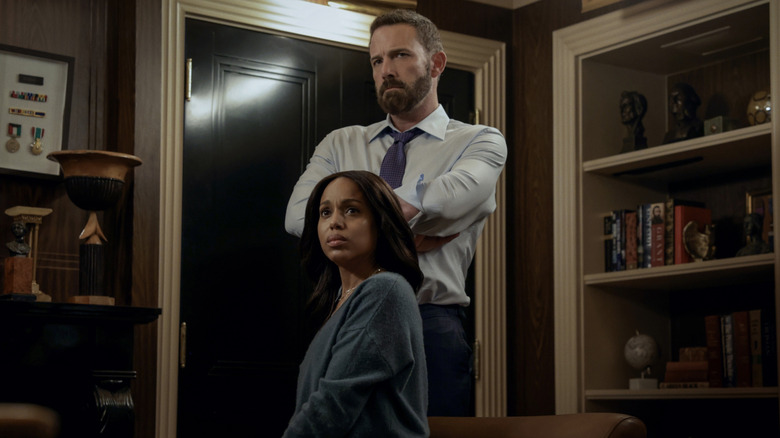
The narrative setup of Animals is classic, bordering on archetypal. Mark Kimball (played by Affleck) is a wealthy, high-powered attorney mounting an independent campaign for the Mayor of Los Angeles. He resides in a palatial estate with his wife, Abigail (Kerry Washington), and their young son, Danny (Christopher Woodley).
The domestic stability of the Kimballs is mirrored by their housekeeper, Cecilia (Adriana Paz), whose boyfriend, Ramon (Luis Gerardo Méndez), is an undocumented immigrant seeking employment. The script creates a tension point here: Mark, ever the political strategist, fears that hiring an undocumented worker would jeopardize his mayoral aspirations. It is a cynical, albeit realistic, look at the compromises of the elite.
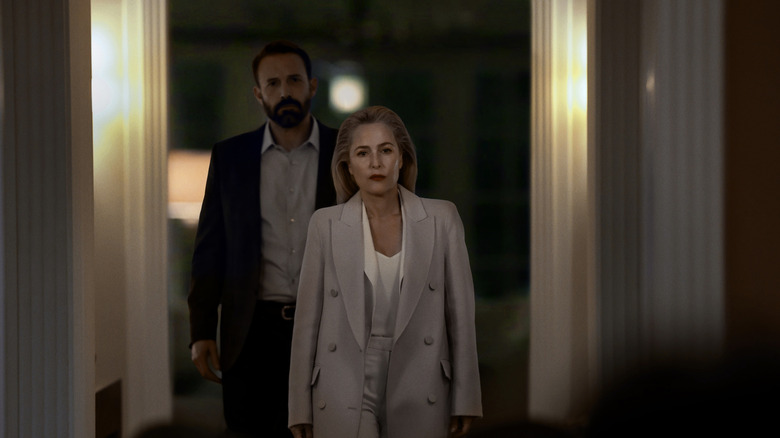
The catalyst for the "thriller" elements occurs on Halloween, when the family receives the dreaded kidnapping call. The stakes are raised, but the execution remains flat. Enter Sam (Steven Yeun), the campaign manager who connects the desperate parents with Dale (Gillian Anderson), a shadowy "broker" who specializes in these illicit negotiations. Dale offers to front the ransom, provided the Kimballs agree to pay her back with interest—a deal that places the family under the thumb of a predatory lender.
While the premise is sound, the delivery is hollow. Affleck, as a director, struggles to translate the urgency of the situation to the screen. The film relies on repetitive shouting matches, frantic camera movements, and a bombastic, ominous score to signal "tension" that is never actually earned through the performances or the writing.
The Supporting Cast: A Study in Wasted Talent
One of the most frustrating aspects of Animals is the underutilization of its high-caliber cast. Kerry Washington, an actress capable of immense emotional depth, is largely relegated to the role of the "concerned mother" archetype, rarely given a moment to transcend the script’s limitations.
Gillian Anderson, however, provides the film’s only true spark. Her portrayal of Dale is icy, calculating, and genuinely enigmatic. She brings a gravitas to the role that suggests a much more compelling, complex movie exists just out of reach—a movie focused entirely on her character’s machinations rather than the generic kidnapping plot. Her presence serves as a reminder of what the film could have been if it were interested in character study rather than the rote mechanics of a procedural.
The Implications for Future Filmmaking
The failure of Animals is not merely artistic; it is symptomatic of a larger, systemic shift in how content is produced for global streaming platforms. When an auteur like Ben Affleck is incentivized to integrate AI into his process, it signals to the rest of the industry that "human-made" is no longer the gold standard.
The implications are twofold:
- The Homogenization of Aesthetics: By relying on AI to "move more quickly" in post-production, directors risk smoothing out the rough, idiosyncratic edges that make cinema unique. If establishing shots and background elements are generated, the visual language of the film becomes standardized, leading to a "Netflix look" that feels increasingly detached from reality.
- The Devaluation of Creative Labor: The $587 million acquisition of InterPositive by Netflix is a staggering investment in automation. When a film’s director is also the owner of the technology used to build the film, the incentives for human labor—be it in visual effects, editing, or background production—diminish.
Conclusion: A Hollow Victory
Animals is not an offensively bad film; it is something arguably worse: it is forgettable. It is a movie that moves with a brisk, calculated pace, fulfilling the basic requirements of the genre while stripping away the very elements—the texture, the nuance, the genuine stakes—that make thrillers worth watching.
The film concludes on a note of extreme cynicism, framed in a way that suggests a bizarre, misguided attempt at an uplifting resolution. It leaves the viewer with a bad taste, not because of the narrative choices, but because of the lack of conviction behind them.
Ultimately, Animals serves as a cautionary tale. Ben Affleck has proven before that he can be a great filmmaker, one capable of capturing the grit and humanity of the American experience. But with Animals, he has chosen the path of least resistance, trading in the messy, labor-intensive process of traditional filmmaking for the sleek, hollow convenience of the synthetic age. As we look toward the future of cinema, we have to ask ourselves: are we okay with the result being "good enough" for the number one spot on a streaming chart, or do we demand more from the art we consume? For now, at least, the answer seems to be found in the cold, efficient, and ultimately unthrilling pixels of Animals.
Final Rating: 4/10
