
Beyond the Final Frontier: The Intertwined Careers of William Shatner and Kim Darby
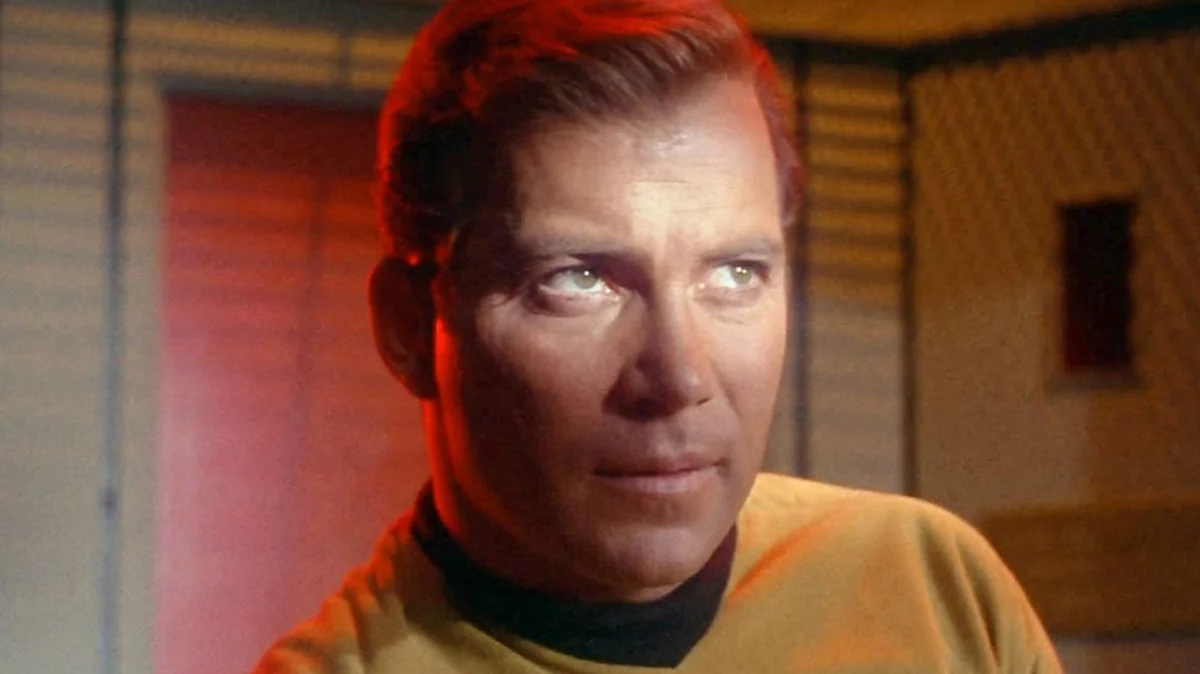
In the landscape of 1970s television, the boundaries between science fiction and pastoral drama often blurred, resulting in unique, meditative projects that have largely faded from the collective cultural memory. One such curiosity is the 1972 television film The People. Produced by the legendary Francis Ford Coppola and directed by John Korty, this atmospheric piece of speculative fiction offers a fascinating case study in mid-century television production. While the film is notable for its adaptation of Zenna Henderson’s "Pottage" stories, it remains a point of intense interest for Star Trek enthusiasts due to the unexpected reunion of two figures who had previously crossed paths in one of the most controversial chapters of the Enterprise’s history.
The Genesis of The People
The People serves as a distinct outlier in the sci-fi canon of the early 1970s. The film follows Melodye (Kim Darby), a schoolteacher who ventures into a remote, isolated community that functions with a stoic, almost Amish-like rigidity. The narrative tension is derived from the clash between Melodye’s modern sensibilities—her desire to bring "fun" and joy to the local children—and the community’s strict, joyless enforcement of their customs.
The speculative hook of the film is revealed in its extraterrestrial premise: the community members are not merely religious zealots, but refugees from a dying world who arrived on Earth in the late 19th century. Having suffered centuries of persecution for their innate, albeit subtle, psionic abilities, they have retreated into a life of anonymity and suppression. William Shatner, fresh off his iconic tenure as Captain James T. Kirk, stars as Dr. Curtis. Unlike the high-stakes, action-oriented narratives of Star Trek, The People is a deliberately mellow, pastoral experience. With a score composed by Carmine Coppola—father of the film’s executive producer—the production prioritizes atmosphere and character study over the spectacle typically associated with the genre at the time.
A Notorious Precedent: The "Miri" Connection
The casting of Shatner and Darby in The People invites a direct comparison to their previous collaboration in the Star Trek: The Original Series episode "Miri." First aired in 1966, "Miri" remains one of the most polarizing entries in the series’ history. The episode centers on the Enterprise crew’s arrival at a planet that mirrors 1960s Earth, which has been devastated by a viral pandemic. The disease, which causes rapid aging and death, has left the planet populated exclusively by children who have been trapped in a state of eternal childhood for over 300 years—the "onlies," who refer to the deceased adults as "grups."
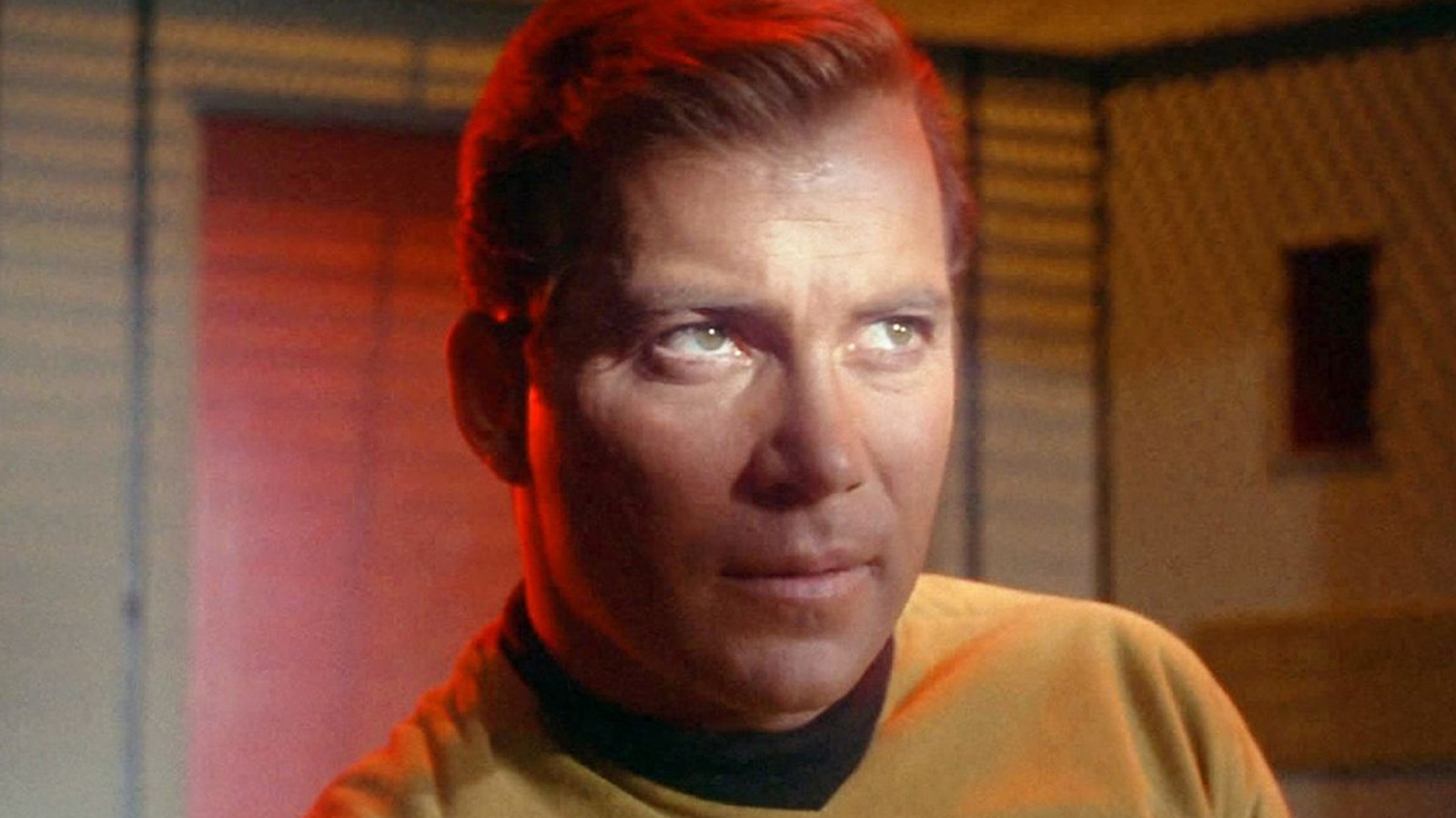
The controversy of the episode, however, stems from the interactions between Captain Kirk and the titular character, Miri, played by a then-19-year-old Kim Darby. The narrative trajectory requires Kirk to win the trust of these children to secure a cure for his crew, who have been infected by the same virus. The resulting dialogue, in which Kirk attempts to mentor Miri on the "adventure" of womanhood, has aged poorly by modern standards. Critics and fans alike have long pointed to the inherent power imbalance and the uncomfortable romantic undertones of the scenes between a seasoned star and a character depicted as being on the cusp of puberty.
Furthermore, behind-the-scenes accounts indicate that "Miri" was a production fraught with improvisation. Almost none of the original script’s dialogue survived the transition to the screen, leading to a frantic and often erratic tone that underscores the episode’s notorious status in the Star Trek archives.
Chronology of a Career: Kim Darby’s Journey
To understand the trajectory that led Kim Darby to The People, one must look at her rapid ascent in Hollywood during the mid-1960s. Before her appearance on the Enterprise, Darby was already a working actress with a resume that spanned gritty dramas and popular television. Her early credits include the 1965 film Bus Riley’s Back in Town and an appearance as a background teenager in the 1964 musical Bye Bye Birdie.
However, her career reached a significant milestone in 1969 with her performance as Mattie Ross in the John Wayne classic True Grit. This role garnered her widespread acclaim and solidified her status as a formidable talent capable of holding her own against industry giants. Throughout the late 60s and early 70s, Darby was a staple of the television landscape, appearing in essential series such as Bonanza, Gunsmoke, and the pilot for the long-running Ironside.
Following her work in The People in 1972, Darby continued to be a prolific presence on the small screen. Her filmography expanded into diverse genres, moving from the pastoral sci-fi of the early 70s to the cult horror of the late 80s and 90s. Notably, she appeared in the 1985 comedy Better Off Dead as the mother of John Cusack’s character—a role that showcased her versatility in comedic timing. Later, in 1995, she joined the horror canon by playing Debra Strode in Halloween: The Curse of Michael Myers. Her career, spanning over five decades, serves as a testament to her adaptability and sustained relevance in a volatile industry.
Supporting Data: The Evolution of Sci-Fi Television
The existence of The People highlights a transitional era for science fiction on television. In the early 1970s, the genre was shifting away from the space-faring adventures of the 60s toward more grounded, allegorical storytelling. The involvement of Francis Ford Coppola in a made-for-TV movie suggests that, for a brief window, television was viewed as a legitimate laboratory for auteur-driven speculative fiction.
While The People does not hold the same cultural weight as Star Trek, it provides a vital look at how actors of the time navigated the transition from episodic television to feature-length narratives. For Shatner, the project allowed him to step away from the rigidity of the Captain Kirk persona and inhabit a more muted, intellectual role. For Darby, it represented a maturation of her on-screen presence, moving away from the "child-woman" tropes of her earlier work toward more nuanced, adult characterizations.
Official Perspectives and Critical Implications
Historically, the reception of The People has been tepid, largely due to its lack of traditional dramatic conflict. However, academic analysis of the film often focuses on its thematic exploration of environmental disaster and the "othering" of immigrant populations. By presenting the extraterrestrials as a community attempting to integrate into rural American life while harboring "superpowers," the film functions as a soft metaphor for the immigrant experience and the suspicion faced by those who exist outside the societal norm.
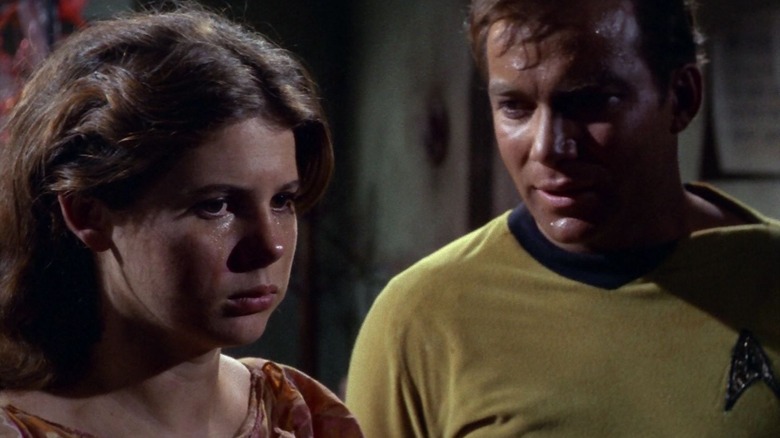
From an industry perspective, the reunion of Shatner and Darby is less about the quality of the film and more about the interconnected nature of the 1970s Hollywood talent pool. During this era, television stars were constantly cycling through various productions, creating a sense of continuity that defined the viewing habits of the decade. The shift from the high-tension, high-concept drama of Star Trek to the subdued, character-led narrative of The People illustrates the breadth of roles that actors were expected to fill as they sought to broaden their professional horizons beyond the constraints of a single hit series.
Conclusion: The Legacy of a Forgotten Collaboration
As we reflect on the careers of William Shatner and Kim Darby, The People stands as a quiet reminder of the fluidity of stardom. While it lacks the explosive energy of a Star Trek bridge sequence or the grit of True Grit, the film remains a meaningful waypoint in the history of television. It captures a moment where the "final frontier" was brought back down to Earth, and where two actors, tethered by a controversial past, found themselves navigating a new, more intimate genre. Whether or not it is remembered as a classic, The People serves as a valuable document of the craftsmanship and the eclectic choices that defined the working lives of Hollywood’s most enduring figures.
