
Brad Bird Returns to Animation with Ray Gunn: A Noir-Infused Sci-Fi Odyssey
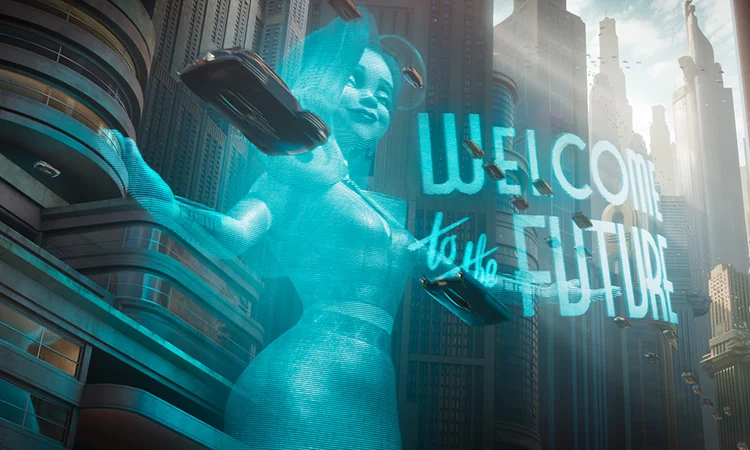
By Katherine McLaughlin
Published: October 10, 2026
Main Facts
Acclaimed animation visionary Brad Bird—the mastermind behind modern cinematic classics such as The Iron Giant, The Incredibles, and Ratatouille—makes his long-awaited return to the medium after an eight-year hiatus following 2018’s Incredibles 2. His latest feature, Ray Gunn, is an ambitious neo-noir detective animation that serves as a passionate, stylistic love letter to classic hardboiled cinema, blended seamlessly with speculative science fiction.
Set in the sprawling, futuristic metropolis of Metropia, the narrative unfolds in a world where humans and an array of diverse alien species coexist. However, this coexistence is far from utopian; systemic inequality ensures that extraterrestrial residents are stripped of basic rights, creating a stratified society ripe for social commentary. Beneath its classic detective framework—complete with private investigators, fatalistic plots, and mysterious femmes fatales—Ray Gunn tackles contemporary socio-political anxieties, including the impact of generative artificial intelligence on the creative industries, corporate exploitation, and the commodification of identity.
The film boasts an all-star voice cast led by Sam Rockwell as the titular private eye, Ray Gunn, alongside music legend Tom Waits as Eye-Ra, Ray’s loyal alien partner and co-worker. Academy Award nominee Scarlett Johansson rounds out the core cast as Venus Nova, a mega-pop star whose tangled personal life sets the central mystery in motion. Ray Gunn is scheduled for a limited theatrical run beginning December 4, 2026, before making its global streaming debut on Netflix on December 18, 2026.
Chronology
The journey toward Ray Gunn has been a protracted one, reflecting the meticulous and often arduous development cycles typical of Brad Bird’s auteur-driven projects.
- The Early Conception (Late 1990s–2000s): Long before Pixar cemented his status as a titan of computer-animated cinema, Brad Bird originally conceptualized Ray Gunn back in the late 1990s while working at Warner Bros. Feature Animation during the production of The Iron Giant. At the time, the project was envisioned as a live-action/animation hybrid or a traditional 2D noir feature, but it ultimately stalled in development hell as studios chased different commercial trends.
- The Pixar Interlude: For over two decades, Bird’s schedule was dominated by tentpole studio projects. He successfully transitioned to Pixar to direct The Incredibles (2004) and Ratatouille (2007), before trying his hand at live-action with Mission: Impossible – Ghost Protocol (2011) and Tomorrowland (2015). He subsequently returned to the superhero genre with Incredibles 2 (2018).
- Resurrection and Re-development (2020s): Following the massive box-office success of Incredibles 2, Bird quietly resurrected Ray Gunn, adapting the long-dormant script to reflect modern technological shifts, modern animation techniques, and contemporary anxieties surrounding artificial intelligence and systemic inequality.
- Casting and Production: Production ramped up over the intervening years, bringing aboard high-profile talent including Sam Rockwell, Tom Waits, and Scarlett Johansson.
- The Release Window (Late 2026): With post-production wrapping up in the autumn of 2026, the film’s release schedule was locked in: a qualifying theatrical run starting December 4, followed by a wide-release streaming rollout on Netflix on December 18, 2026.
Supporting Data & Creative Breakdown
Ray Gunn operates on multiple aesthetic, thematic, and auditory levels, blending nostalgic homages with modern star power.
Narrative Setup and Thematic Strands
The plot kicks off when Ray Gunn and his partner Eye-Ra are hired under precarious circumstances. In a premise reminiscent of Who Framed Roger Rabbit, Ray is tasked by an insecure husband to tail mega-pop star Venus Nova (Scarlett Johansson). Set against the backdrop of the cutthroat music industry, the story exposes the stark realities of late-stage capitalism. Industry executives care strictly for the bottom line, leaving ethical independent operators like Ray and Eye-Ra constantly dodging debt collectors. In Metropia, cash equals absolute power; while our protagonists lack financial capital, they remain fiercely protective of their moral integrity.
Visual and World-Building Elements
Visually, the film’s world-building leans heavily into cinematic history, though critics note it occasionally gets bogged down in nostalgia. The towering, shadowed architecture of Metropia evokes Fritz Lang’s foundational 1927 silent masterpiece Metropolis. Meanwhile, the character designs for the alien population occasionally bear a striking, perhaps overly familiar resemblance to creatures seen in Disney’s Lilo & Stitch or Pixar’s Monsters, Inc.
Music and Performances
Musically, the film occupies an interesting space. The original songs composed by Kimbra fall somewhat short of being truly inspired, and the narrative’s plot twists can be anticipated well in advance by seasoned mystery fans. However, these minor narrative and auditory shortcomings are largely elevated by the sheer charisma of the voice cast. Scarlett Johansson proves more than capable of handling the musical demands of her role, bringing an electric, powerhouse energy to a standout jazz number. Furthermore, Johansson imbues Venus Nova with a satisfying shroud of mystery, exuding genuine moxie that anchors the film’s second act.

Official Responses & Industry Perspectives
The announcement and early rollout of Ray Gunn have generated substantial industry chatter, particularly regarding Brad Bird’s return to original storytelling outside of established intellectual property.
Animation historians and critics have universally praised the decision to give a visionary director creative freedom on an original concept, contrasting it with the current Hollywood landscape heavily saturated by sequels and reboots. In early press statements, Bird emphasized that Ray Gunn represents a culmination of decades of stylistic fascination with the intersection of old-school pulp fiction and speculative sci-fi.
Industry analysts have also highlighted the strategic partnership with Netflix. By offering a theatrical window starting December 4 before the December 18 streaming debut, Netflix is positioning Ray Gunn not only as a major holiday home-viewing event but also as a serious contender in the upcoming awards season—particularly within the Best Animated Feature categories. Voice actors Rockwell, Waits, and Johansson have similarly expressed enthusiasm for the project, noting that the unique vocal dynamics—ranging from Rockwell’s world-weary cadence to Waits’ signature raspy growl—provided a rich, collaborative sandbox during recording sessions.
Implications
The arrival of Ray Gunn carries significant implications for the broader animation landscape, both commercially and culturally.
A Gateway for Younger Audiences to Neo-Noir
One of the most profound impacts of Ray Gunn may lie in its demographic reach. Critics have pointed out that the film functions exceptionally well as an introductory text for Young Adult (YA) audiences. By translating the tropes of hardboiled detective fiction, shadow-drenched alleyways, moral ambiguity, and existential dread into an animated, sci-fi-infused package, the film serves as a conceptual gateway. It is entirely plausible that a generation of young viewers introduced to the genre through Ray Gunn will eventually seek out foundational neo-noir and classic cinematic touchstones, such as Ridley Scott’s Blade Runner or Nicholas Ray’s In a Lonely Place.
The Battle Against Generative AI in Creative Industries
The film’s thematic exploration of generative artificial intelligence is particularly timely. As Hollywood grapples with the ethical, legal, and artistic ramifications of AI integration into filmmaking, writing, and visual effects, Ray Gunn uses its futuristic setting to comment on the devaluation of human labor and authentic artistic expression. By contrasting corporate greed with the struggling, integrity-driven private investigator, Bird subtly critiques an industry increasingly obsessed with algorithmic efficiency over human soul—a meta-commentary that will not be lost on industry insiders.
Brad Bird’s Legacy and the Viability of Original Animation
Finally, Ray Gunn acts as a litmus test for the commercial viability of high-budget original animation in the streaming era. For years, conventional wisdom has dictated that only recognizable franchises can secure massive financial backing. If Ray Gunn manages to capture both critical acclaim and massive streaming numbers on Netflix following its December release, it could pave the way for studios to take bolder risks on original, director-driven animated projects aimed at older, more discerning demographics.
As the release date draws closer, anticipation continues to build. Whether Ray Gunn ultimately achieves the timeless status of Bird’s earlier masterpieces or simply remains a stylish, entertaining genre exercise, its very existence is a victory for adventurous animation.
