
Other Mommy Dominates the Box Office with a $27.5 Million Opening Amid Polarizing Audiences and Critical Backlash
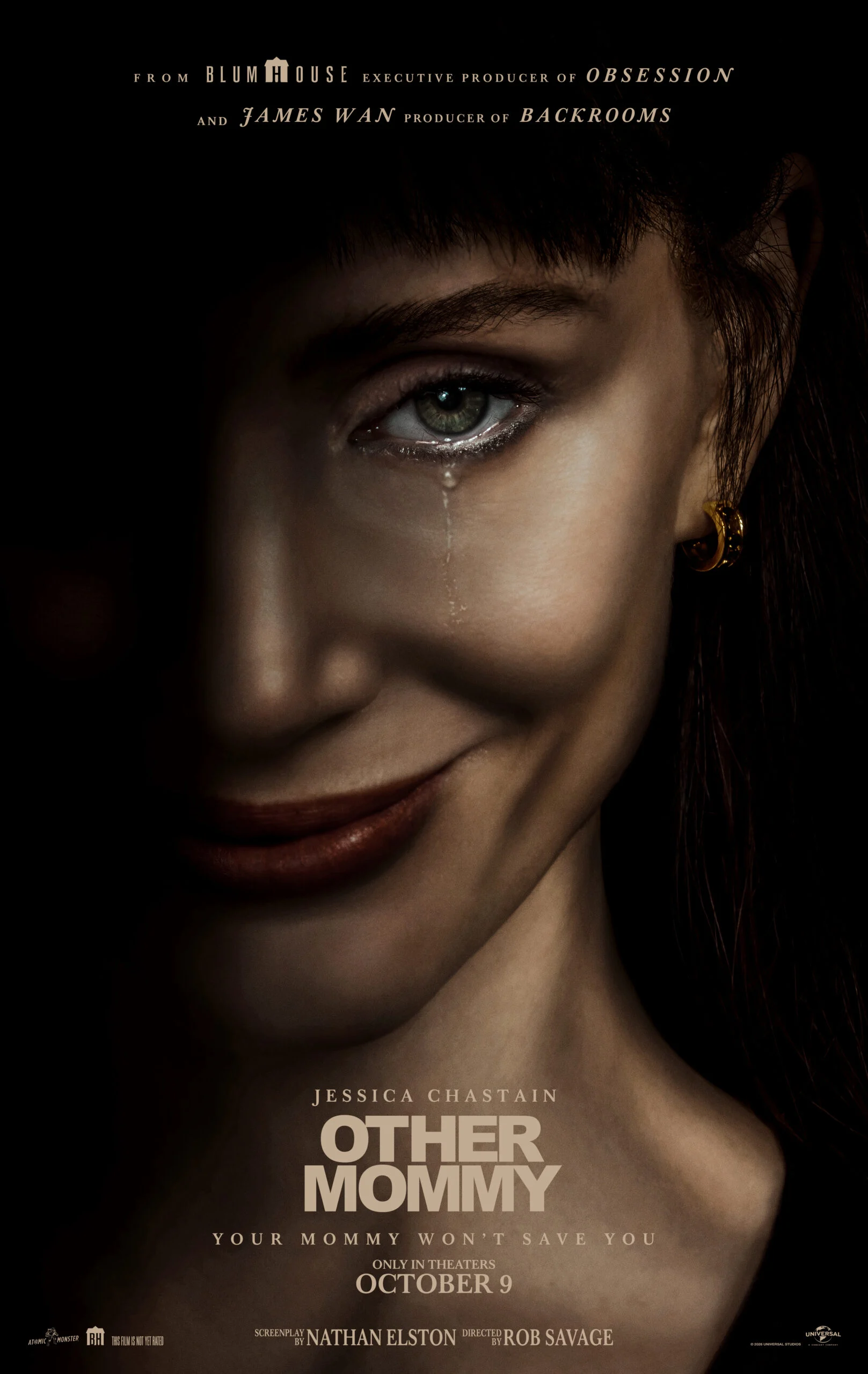
LOS ANGELES — In a cinematic landscape where word-of-mouth can make or break a film within hours, Blumhouse and Atomic Monster have once again proven that high-concept horror commands the theatrical marketplace. Other Mommy, the chilling cinematic adaptation of Josh Malerman’s acclaimed 2024 horror novel Incidents Around the House, easily surpassed industry expectations to capture the number-one spot at the domestic weekend box office.
Released by Universal Pictures on October 9, the film frightened up an estimated $27.5 million across 3,365 theaters, sailing past early weekend forecasts that had pegged its opening in the neighborhood of $20 million. Produced on a modest estimated budget of $19 million, the feature has already established itself as a profitable venture for the studio before factoring in robust international returns. However, the film’s financial success stands in stark contrast to its reception: ticket buyers handed the feature a dismal "D+" grade on CinemaScore, aligning it with some of the most polarizing releases in modern cinema history.
Main Facts
The commercial triumph of Other Mommy highlights the enduring appetite for theatrical horror, even when audiences and critics express deep divisions over the final product.
- Box Office Dominance: Other Mommy secured the weekend crown with a domestic haul of $27.5 million from 3,365 locations.
- Global Footprint: Alongside its domestic success, the film rolled out across 50 international markets, pulling in an impressive global opening weekend of $45.2 million.
- Production Economics: Produced through Blumhouse and Atomic Monster, the film carried a lean production budget of approximately $19 million, ensuring profitability early in its theatrical run.
- Critical and Audience Reception: The film opened to a punishing 20% critical approval rating on Rotten Tomatoes. General audiences were similarly divided, awarding the film a 47% audience score on the aggregator and a polarizing D+ on CinemaScore.
- Star Power and Creative Team: Directed by Rob Savage from a screenplay by Nathan Elston, the film stars Academy Award winner Jessica Chastain as Ursula—and the malevolent entity wearing her face—alongside young breakout star Arabella Olivia Clark as eight-year-old Bela.
Chronology: From Bedtime Inspiration to Box Office Titan
The journey of Other Mommy from a chilling concept to a screen-dominating feature film spans years of literary development, pandemic-era filmmaking innovation, and strategic studio distribution.
Genesis and Literary Roots
The genesis of Other Mommy traces back to author Josh Malerman, who drew inspiration for his 2024 source novel, Incidents Around the House, from a haunting phrase uttered by his brother’s child at bedtime. Malerman, who previously captured global attention with his 2014 novel Bird Box (subsequently adapted into the 2018 Netflix phenomenon starring Sandra Bullock), crafted a deeply psychological and terrifying narrative centered around eight-year-old Bela, who narrates the book as her family is targeted by a malignant entity that calls itself "Other Mommy."
Production and Direction
Universal Pictures and production powerhouses Blumhouse and Atomic Monster tapped director Rob Savage to helm the adaptation. Savage built a formidable reputation within the horror community during pandemic lockdowns, directing the acclaimed screen-life thriller Host and the subsequent Dashcam. His work caught the attention of Stephen King, leading to Savage directing the 2023 adaptation of The Boogeyman.
Savage brought this expertise to Other Mommy, working alongside screenwriter Nathan Elston to translate Malerman’s interior, claustrophobic novel into a cinematic experience. Casting was spearheaded by securing Jessica Chastain to play the dual role of Ursula and the horrifying entity mimicking her, paired with Arabella Olivia Clark as Bela.
The Theatrical Rollout
Universal placed the film strategically into theaters on October 9. While traditional tracking suggested a modest $20 million opening, aggressive marketing campaigns capitalizing on internet-age horror tropes and Chastain’s star power drove unexpected foot traffic. By Friday morning, reviews had locked in at a low 20% on Rotten Tomatoes, and opening-night CinemaScore polling was underway. Despite the digital discourse and mixed-to-negative reviews, audiences flooded multiplexes throughout the weekend, propelling the film to its $27.5 million domestic victory.
Supporting Data: Demographics, CinemaScore, and Box Office Context
The performance of Other Mommy must be contextualized within both its demographic footprint and the broader health of the theatrical box office.
Demographic Breakdown
Universal’s domestic distribution team noted a surprisingly broad demographic turnout for the R-rated horror feature. According to studio analytics, the opening weekend audience split evenly by gender and skewed heavily toward younger moviegoers. Approximately two-thirds of ticket buyers fell into the 18-to-34 age bracket.
"Everybody turned out for it," Jim Orr, Universal’s head of domestic distribution, told the Associated Press. "It wasn’t just one particular demographic." This cross-demographic appeal helped cushion the blow of mixed word-of-mouth, drawing in casual horror fans alongside devoted genre enthusiasts.

The CinemaScore Conundrum
The film’s "D+" CinemaScore grade has become a major talking point among industry analysts. A D+ grade is a rare and ominous metric for wide releases, placing Other Mommy in exclusive and notorious company. It matches the CinemaScore handed to Ari Aster’s elevated horror masterwork Hereditary (2018) and Francis Ford Coppola’s polarizing epic Megalopolis.
Critics on Rotten Tomatoes mirrored this harsh sentiment, keeping the film anchored at a 20% approval rating amid widespread questions regarding its heavy reliance on jump scares and bleak tonal shifts. Meanwhile, the audience score on the platform hovered at 47%. Historically, horror films with poor CinemaScores experience steep second-weekend drop-offs, making the upcoming days a crucial test for the film’s staying power.
The Wider Box Office Landscape
Other Mommy helped lift the broader weekend box office alongside several holdovers and new releases:
- Verity: Held steady in the number-two spot, grossing $11.5 million—a 64% drop in its second weekend.
- Resident Evil: Continued its lucrative theatrical run with $8.4 million, pushing its domestic cumulative total to an impressive $138.5 million.
- Heart of the Beast: Brought in $7.1 million.
- The Social Reckoning: Aaron Sorkin’s latest directorial effort landed in fifth place with $5.5 million against a reported $30 million production budget.
According to Rentrak data, overall domestic ticket sales crossed the $8 billion threshold for the year on Friday. The domestic box office is currently running more than 19% ahead of last year’s pace, though it remains roughly 8% behind the pre-pandemic benchmarks set in 2019.
Official Responses and Industry Reactions
Studio executives and filmmakers have responded to the film’s unexpected box office dominance with a mixture of vindication and cautious optimism regarding the horror genre’s theatrical resilience.
Universal Pictures has emphasized that the film’s multi-demographic appeal demonstrates the ongoing strength of the theatrical window for original horror properties. Despite critics panning the narrative structure and jump-scare reliance, studio representatives point to the global intake of $45.2 million as definitive proof that audiences are willing to take chances on spooky season cinematic offerings.
Rob Savage and the creative team have largely let the box office numbers speak for themselves, though the director has previously spoken about the unique pressures of adapting beloved contemporary horror literature. Translating Josh Malerman’s suffocating prose while adhering to studio expectations for a wide-release horror film inherently invited friction between artistic ambition and mass-market consumption—a friction clearly reflected in the wide gap between the film’s financial success and its critical reception.
Implications for the Horror Genre and Theatrical Windows
The triumph of Other Mommy carries significant implications for major studios, Blumhouse’s business model, and the future of literary horror adaptations.
The Blumhouse Formula Endures
Blumhouse Productions, alongside James Wan’s Atomic Monster, continues to demonstrate that strict budget controls can mitigate the financial risks of risky, high-concept horror. Operating on a $19 million budget means Other Mommy secured profitability within its first 72 hours of release. This risk-mitigation strategy allows studios to greenlight daring, unsettling concepts—such as a malevolent entity impersonating a mother—without requiring $100 million-plus production outlays to justify a theatrical release.
The "CinemaScore Disconnect"
The phenomenon of a film earning a "D+" CinemaScore while simultaneously winning the weekend box office highlights an ongoing evolution in modern moviegoer behavior. Increasingly, horror audiences approach opening weekends as an event-driven social experience rather than a curated artistic journey. Much like Hereditary before it, Other Mommy benefited from the intense digital discourse surrounding its polarizing quality. Viewers are actively choosing to see poorly reviewed horror films in theaters simply to participate in the cultural conversation and judge the scares for themselves.
What Lies Ahead
As Other Mommy enters its second week, industry watchers will be monitoring whether its harsh CinemaScore and Rotten Tomatoes metrics trigger the dreaded second-weekend box office collapse typical of poorly received horror films, or if its strong youth demographic will sustain its run through the lucrative Halloween corridor. Final weekend figures, slated for release on Monday, will provide a clearer picture of the film’s trajectory, but one thing is certain: the entity wearing Ursula’s face has already left an indelible, profitable mark on the autumn box office.
