
The Art of the Hangover: Why Don’t Puke is the Most Visceral Portrayal of Inebriation Ever Filmed
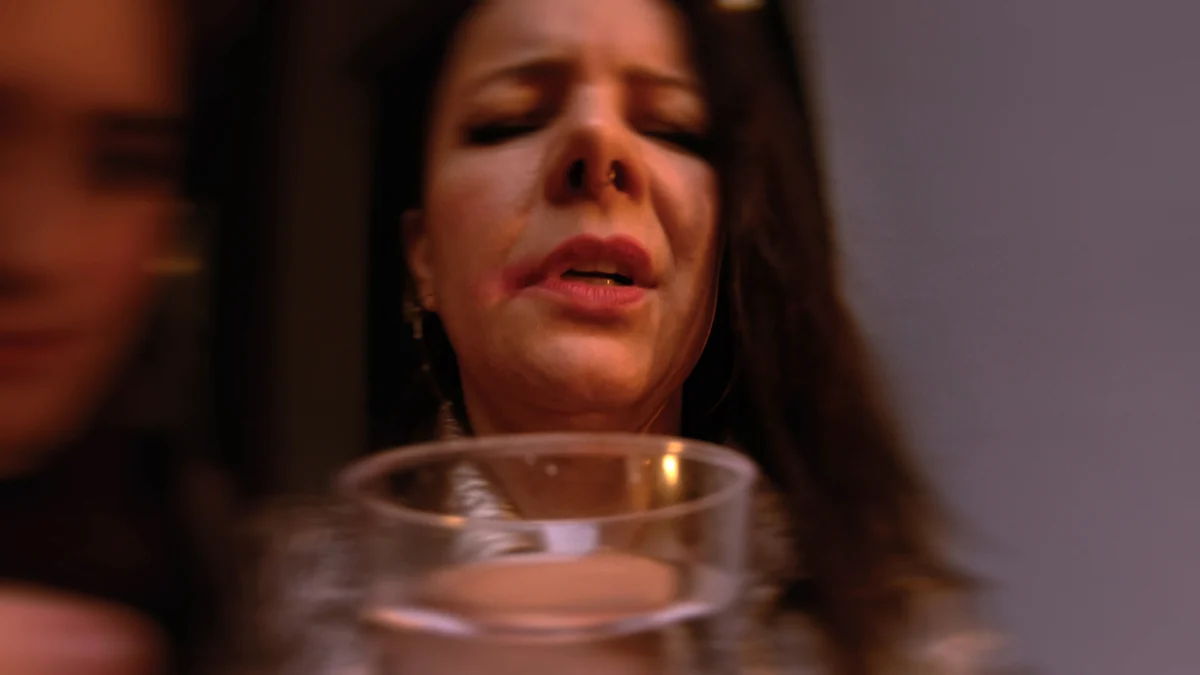
We have all been there: the smudged eyeliner, the spinning room, the desperate, singular quest for a slice of pizza or a glass of water, and the fragile, physiological hope that your stomach will hold out just long enough to reach the safety of your own bed. It is a universal rite of passage—a messy, chaotic, and often grotesque odyssey that many of us would rather forget. Yet, writer/director Daniel Chisholm has decided to immortalize this experience in his hyper-realistic short film, Don’t Puke.
Unlike the sanitized or stylized versions of drunkenness typically seen in mainstream cinema, Don’t Puke is an unflinching, stomach-churning, and remarkably effective masterclass in sensory immersion. It is a film that doesn’t just show you what being drunk looks like; it forces you to feel the room tilt, the nausea rise, and the world blur.
The Genesis of an Uncomfortable Truth
The inspiration for Don’t Puke did not come from a place of lofty artistic theory, but from the raw, unvarnished memories of Chisholm’s own student days. For many, the "drunk walk home" is a blurred sequence of fragmented memories, but for Chisholm, it was a creative goldmine that remained largely untapped by modern directors.
"Having such intimate knowledge of what it feels like to be smashed, I often felt a bit let down by the depictions of inebriation on screen," Chisholm explains. "Most films treat drunkenness as a performance—someone swaying a bit or slurring their speech. But they rarely capture the visceral, internal struggle of the experience."
Chisholm sought to bridge the gap between the audience and the screen, not through a dramatic narrative arc, but through the singular, arduous journey of returning home after a night of heavy drinking. By focusing on the staggering, the confusion, and the overwhelming physiological urge to keep one’s lunch down, he has created a film that is as much an endurance test as it is a cinematic work.
Crafting the Inebriated Perspective: A Technical Odyssey
Creating the feeling of extreme intoxication without relying on cliché is a daunting technical challenge. To achieve this, Chisholm assembled a powerhouse creative team, including cinematographer Dillon Ritchie, sound designer Alexei Galar, and composer Paul Child.
The Cinematography of Vertigo
Dillon Ritchie’s camera work is the heart of the film’s sensory assault. Rather than using cheap "drunken" camera tricks, the team utilized specific techniques to replicate the vestibular system’s failure. The footage is intentionally dizzying, mimicking the sensation of a room that refuses to stay still. It is more effective—and significantly more nauseating—than the "drunk goggles" used in high school safety courses.
Soundscapes of Nausea
If the visuals create the dizzying effect, the sound design by Alexei Galar provides the anxiety. Galar utilizes a claustrophobic sound mix that isolates the protagonist from the world, amplifying the internal ringing and the rhythmic, pounding pressure of a massive hangover-in-progress. Complemented by Paul Child’s score, which oscillates between whimsical irony and jarring tension, the soundscape ensures that the audience loses their footing right alongside the lead character.
Janka Horakova: A Performance of Physical Precision
While the technical team creates the environment, actress Janka Horakova is the anchor of Don’t Puke. Playing a character who is profoundly intoxicated is a notorious trap for actors; it is all too easy to drift into caricature or over-acting.
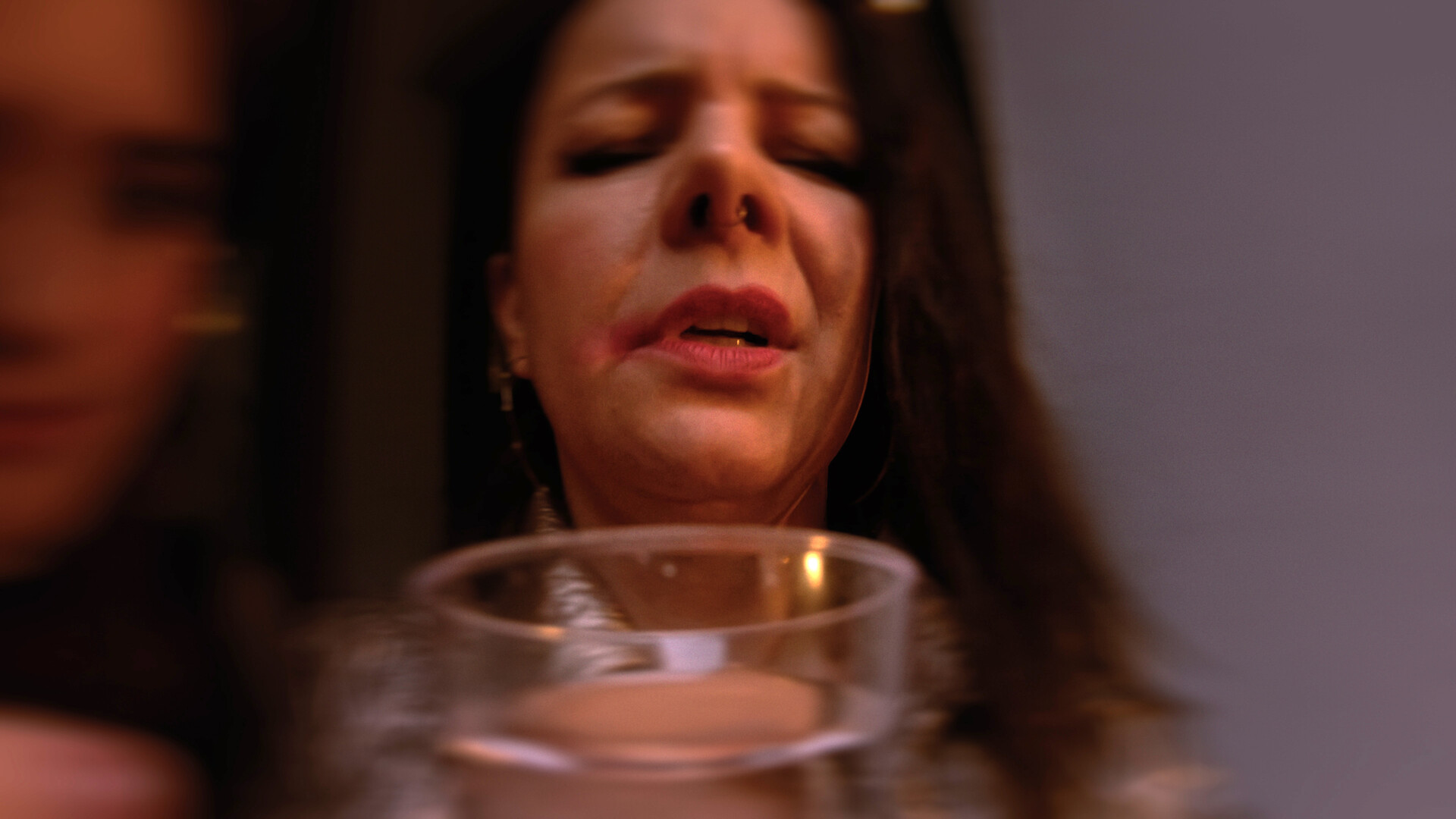
Horakova, however, strikes a delicate balance. She inhabits the role with a physical awareness that is both hilarious and deeply uncomfortable to witness. Her performance is defined by her lack of balance—the way she corrects her gait, the subtle flicker of her eyes as she tries to focus on a street sign, and the way her face cycles through annoyance, exhaustion, and brief flashes of resolve.
"She nails it effortlessly," says Chisholm. "It’s not just about acting drunk; it’s about acting the consequences of being drunk." Horakova carries the film through its quiet moments of struggle, making the audience root for her to reach her destination, if only to stop the cycle of her misery.
A Narrative of Trivial Persistence
At its core, Don’t Puke is a quest film. The narrative is deceptively simple: get home, find food, and find the bathroom. By providing this thin narrative thread, Chisholm is able to inject moments of dark, self-deprecating humor.
The film often shifts from a first-person, claustrophobic perspective to an objective, third-person shot. These transitions act as a "cheeky wink" to the audience. When we see the character from the outside, we are reminded of the absurdity of her situation. It is a clever narrative device that keeps the film from becoming too bleak. The humor lies in the recognition of our own past mistakes, creating a shared language between the creator and the viewer.
Festival Reception and the "Vomit Bag" Strategy
Don’t Puke has already made significant waves on the festival circuit, including screenings at the prestigious Aesthetica Film Festival and the Palm Springs ShortFest. The film’s reputation for being "not for the faint of heart" became a central part of its festival lore when the filmmakers began providing literal vomit bags to audience members during screenings.
This marketing choice highlights the film’s self-awareness. Chisholm understands that he has made a polarizing piece of art; it is designed to trigger a physical reaction. Whether this serves as a deterrent to binge drinking or simply a testament to the power of immersive cinema, the response from audiences has been overwhelmingly captivated.
Future Projects and The Path Ahead
With Don’t Puke now reaching a wider audience online, Daniel Chisholm is already pivoting toward his next major endeavors. His career trajectory suggests a filmmaker who is interested in exploring the edges of the human experience—whether through the physical disorientation of intoxication or the heavy, abstract weight of history.
Currently, Chisholm is developing a near-future sci-fi feature, a genre that will surely allow him to further experiment with the immersive, sensory-driven filmmaking techniques he honed in Don’t Puke. Simultaneously, he is working on a more personal, poignant short film that examines his own family’s history in Africa and the lingering, complex shadows of post-colonial guilt.
Implications: The Power of Visceral Cinema
The success of Don’t Puke raises an interesting question about the current state of film: in an era of high-definition, high-budget spectacle, why does a simple, gritty story about a woman walking home resonate so deeply?
The answer lies in the film’s commitment to "hyperrealism." By focusing on the minutiae of a common, if unpleasant, human experience, Chisholm has tapped into a vein of empathy that is often bypassed by larger, more dramatic narratives. The film validates the messy, unglamorous moments of life. It reminds us that our personal "odysseys"—no matter how pathetic they may seem in the light of day—are worthy of documentation.
For those watching Don’t Puke, the experience is a reminder of our own vulnerabilities. It is a film that challenges the viewer to look at the screen—and perhaps their own habits—with a new, slightly more critical eye.
Whether you walk away feeling entertained, amused, or slightly green around the gills, the film serves its purpose: it forces you to stop, look, and hold your breath until the credits roll. As Chisholm proves, sometimes the most profound cinema isn’t found in the stars, but in the slow, agonizing, and darkly funny walk to the nearest toilet.
