The 2026 Animated Box Office Paradox: Why DreamWorks’ Critically Adored ‘Forgotten Island’ Stumbled Out of the Gate
By [Author Name] Updated: September 2026
Main Facts
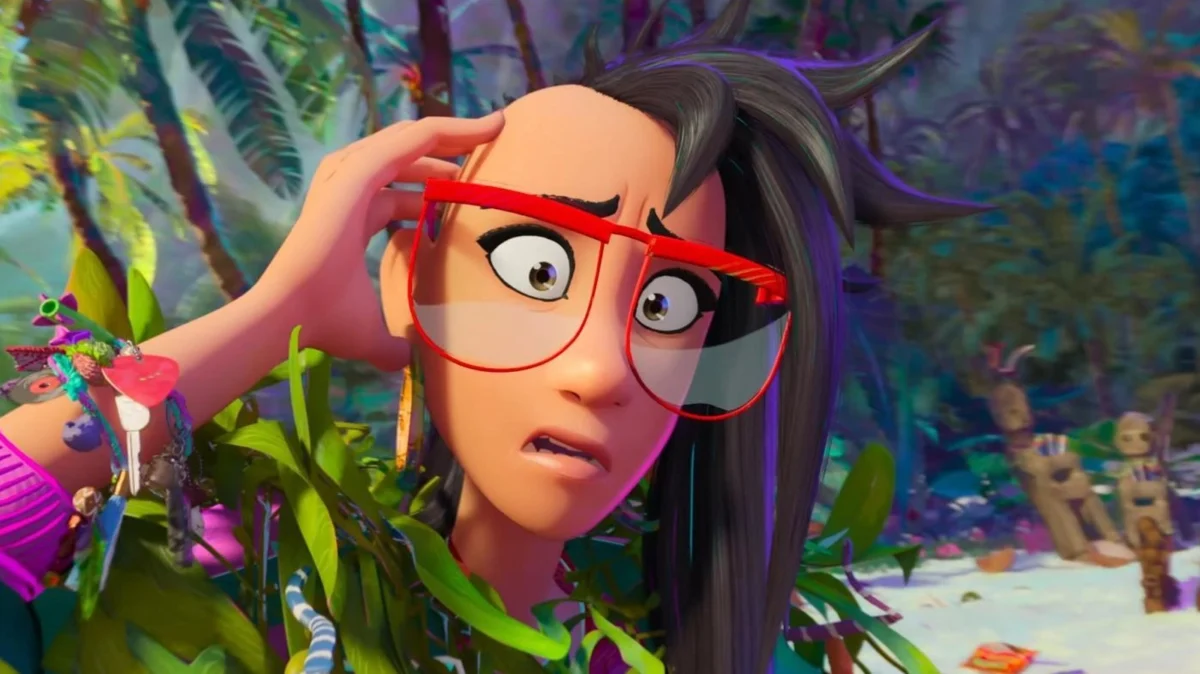
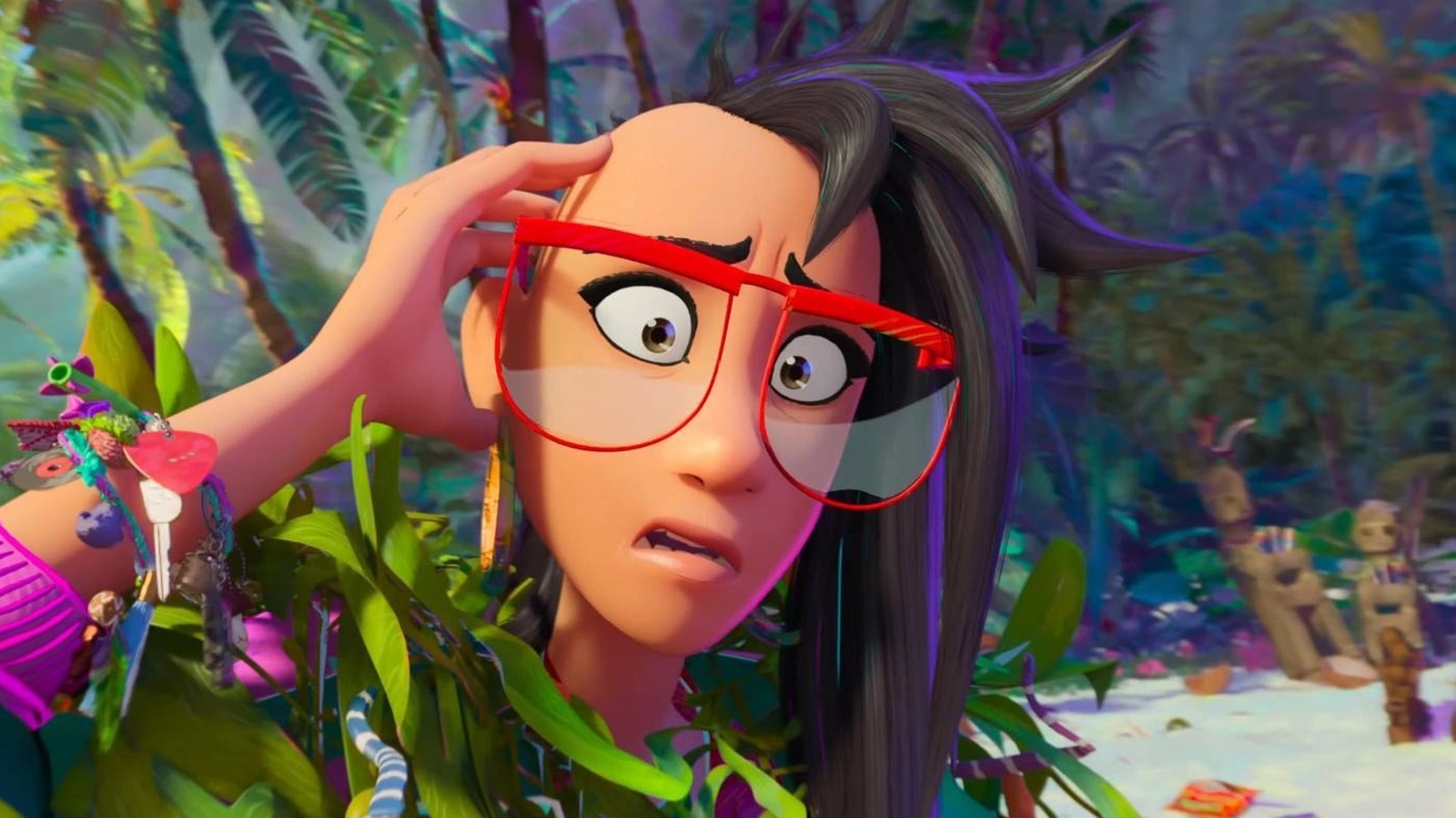
The theatrical landscape of 2026 continues to demonstrate a confounding disconnect between critical acclaim and commercial viability. While Universal Pictures and DreamWorksAnimation expected a triumph with their latest high-profile original feature, ForgottenIsland, the film has instead become the latest casualty in a grim box office trend plaguing original animated cinema.
Despite opening to an astounding 95% critical approval rating on Rotten Tomatoes and a matching 96% audience score, Forgotten Island debuted domestically to a meager $12.8 million over its opening weekend. Securing only a fifth-place finish at the domestic box office, the film was outpaced by a diverse array of competitors, including the unexpected theatrical resurgence of Avengers: Endgame (re-released seven years after its initial run), Zach Cregger’s horror hit Resident Evil, Robert Pattinson’s dark drama Primetime ($19.1 million), and Brad Pitt’s survival thriller Heart of the Beast ($20 million).
International markets offered little reprieve. Forgotten Island pulled in an underwhelming $7.8 million overseas, culminating in a global opening weekend total of $20.6 million. Against a relatively modest production budget of $80 million—lean by modern studio animation standards—this opening haul spells severe trouble for Universal’s recovery timeline. To achieve profitability and clear its global theatrical benchmarks, the film will ideally need to generate upward of $200 million worldwide, requiring a near-miraculous 10x multiplier on its opening figures.
Directed by the acclaimed filmmaking duo Joel Crawford and Januel Mercado—the creative minds behind the monumental success of 2022’s Puss in Boots: The Last Wish—Forgotten Island follows best friends Jo (voiced by H.E.R.) and Raissa (voiced by Liza Soberano). The story kicks off on the eve of their final night together, when a magical portal whisks them away to Nakali, a fantastical island steeped in the mythological creatures and folklore of their Filipino heritage.
Despite its cultural resonance, breathtaking animation, and universal praise, the film’s financial start highlights a persistent industry affliction: audiences are increasingly reluctant to gamble hard-earned cash on original, non-franchise intellectual property in theaters.
Chronology
To fully understand how Forgotten Island arrived at its current precarious position, it is helpful to trace the timeline of its release and the broader context of the 2026 box office calendar:
Pre-Release Phase (Mid-2026): Early tracking and studio test screenings for Forgotten Island yield extraordinarily high praise. Industry insiders flag the film as a dark-horse contender for major animation awards, praising its vibrant visual style and heartfelt cultural storytelling.
Early September 2026: Universal Pictures positions Forgotten Island as its major late-summer family offering. However, the September corridor proves crowded and uneven, wedged between lingering summer blockbusters and the early waves of autumn prestige dramas.
Opening Weekend (September 2026): The film officially hits theaters across North America and select international territories. Box office tracking quickly confirms industry fears: the movie captures just $12.8 million domestically, landing firmly in fifth place behind holdovers and fresh live-action competition.
The Post-Weekend Reality: Critical reviews flood in, solidifying Forgotten Island as one of the best-reviewed animated films of the year with its 95% Rotten Tomatoes score. Yet, daily ticket sales fail to experience the viral word-of-mouth surge required to offset its quiet opening.
Supporting Data
The commercial struggles of Forgotten Island do not exist in a vacuum. They are part of a broader, well-documented contraction for original theatrical animation in the post-pandemic era.
Film
Studio
Release Year
Production Budget (Est.)
Opening Weekend (Domestic)
Global Lifetime Box Office
Critical / Audience Reception
Forgotten Island
DreamWorks / Universal
2026
$80 Million
$12.8 Million
$20.6 Million (Opening)
95% RT / 96% Audience
Elio
Pixar / Disney
2025
$150 Million+
~$14 Million
Underperformed
Mixed-to-Positive
Wish
Walt Disney Animation
2023
$200 Million
$19.6 Million (3-day)
~$255 Million
Mixed
Strange World
Walt Disney Animation
2022
$135–180 Million
$11.9 Million (3-day)
$73.6 Million
Moderate
Elemental
Pixar / Disney
2023
$200 Million
$29.6 Million
$496 Million
Strong Leg-Out
The Hope for "Leggs": Can Lightning Strike Twice?
While the initial numbers for Forgotten Island look grim, Universal Pictures has history on its side when it comes to turning around slow-starting animated properties.
In late 2022, Puss in Boots: The Last Wish opened to a modest $12.4 million domestically. At the time, pundits questioned if the Shrek spin-off franchise had run its course. However, exceptional word-of-mouth, holiday legs, and enduring critical adoration propelled the film to a stunning $480.4 million worldwide.
A similar phenomenon occurred the following year with Universal and Illumination’s Migration, which also debuted to $12.4 million in December 2023 before legging out past the $300 million mark globally.
There is, however, a critical catch: both Puss in Boots: The Last Wish and Migration benefited immensely from a December release date. The winter holiday season is historically renowned for providing "legs" to family films, allowing them to sustain steady mid-week business as schools close. Forgotten Island, by contrast, launched in the historically more volatile September frame, missing out on the prolonged holiday tailwinds that saved its studio predecessors.
Official Responses and Industry Stakeholder Perspectives
As box office analyses circulate, executives, creators, and analysts have begun weighing in on the systemic issues facing original animated content.
Representatives for DreamWorks Animation and Universal Pictures have maintained a forward-looking stance, emphasizing the long-term value of the intellectual property. In internal statements shared with trade publications, studio representatives highlighted the overwhelming satisfaction of early audiences: "When families see Forgotten Island, they fall completely in love with Jo, Raissa, and the world of Nakali. Our priority now is letting that organic enthusiasm drive families to theaters throughout the autumn weeks."
Industry analysts, however, point to deep-seated shifts in consumer behavior forged over the last five years. Speaking on the condition of anonymity, a prominent box office forecaster noted:
"Families have been thoroughly trained by the streaming era to wait for original content to hit subscription platforms. When parents take kids to the theater, they increasingly want a guarantee on their investment—which translates to established brands, sequels, or recognizable toy and video game adaptations. An original mythos, no matter how beautifully crafted or culturally significant, faces a mountain of consumer indifference right out of the gate."
Directors Joel Crawford and Januel Mercado have previously spoken about the passion poured into representing Filipino folklore on a major Hollywood canvas. In interviews leading up to the film’s release, they expressed a desire to expand representation in mainstream animation, making the film’s soft opening a poignant moment for underrepresented creative voices in the medium.
Implications
The financial stumble of Forgotten Island carries profound implications for the future of greenlighting original, mid-budget animated features across major studios.
1. The Death of Mid-Budget Risk-Taking
With an $80 million budget, Forgotten Island was positioned as a fiscally responsible alternative to the soaring $150M–$200M price tags typical of Disney and Pixar productions. If even a leaner budget cannot recoup its costs due to a sluggish $12.8 million opening, Hollywood risk-assessment algorithms will likely lean even harder into safe, risk-averse programming. Expect studios to double down on sequels, reboots, and pre-sold intellectual properties.
2. The Cultural Cost of Box Office Rejection
The film’s failure to connect commercially despite stellar reviews is particularly disheartening for advocates of diverse storytelling. Forgotten Island broke new ground by centering Filipino mythology and characters in a major studio release. When culturally specific, original projects underperform, risk-averse executives may falsely conclude that audiences do not want diverse stories, rather than recognizing that the broader theatrical distribution model for original animation is fundamentally broken.
3. The Re-evaluation of Release Windows
The stark contrast between the box office fates of Forgotten Island (September) versus Puss in Boots: The Last Wish and Migration (December) reinforces the strategic necessity of the holiday corridor for family films. Studios may look twice before slotting original animated features into shoulder months where adult-skewing thrillers and holdover blockbusters dominate screen counts and consumer attention.
Looking Ahead
As Forgotten Island continues its run in theaters, its ultimate legacy will likely be twofold: celebrated by cinephiles and animation historians as one of the artistic high-water marks of 2026, yet mourned by industry observers as another casualty of a box office ecosystem that has grown increasingly hostile to originality. Whether word-of-mouth can spark a late-stage revival remains one of the final cinematic questions of the year.