
The Vanishing Frontier: 5 Prematurely Canceled Westerns That Deserved A Second Chance
The Western is, perhaps, the most quintessential American television genre. From the golden age of the 1950s—when the airwaves were saturated with tales of lawmen, outlaws, and the endless horizon—to the gritty, revisionist epics of the modern era, the genre has served as a mirror for the nation’s shifting moral compass. Yet, the history of the small-screen Western is not merely a collection of triumphs like Gunsmoke or Bonanza. It is a graveyard of "what-ifs," populated by ambitious, well-crafted series that were snuffed out long before they could reach their full potential.
In an era of ruthless network competition and shifting cultural appetites, many high-quality Westerns were discarded as collateral damage. Whether they were victims of the infamous "rural purge" of the 1970s, trapped in impossible time slots against juggernauts, or simply arriving a decade too early, these shows represented creative risks that deserved a far longer lifespan.
The Evolution of the Small-Screen Oater
To understand why so many Westerns were canceled prematurely, one must look at the climate of mid-20th-century broadcasting. In the 1950s and 60s, Westerns were the bedrock of network schedules. However, by the early 1970s, CBS executive Fred Silverman spearheaded a strategic shift known as the "rural purge." Networks began aggressively canceling shows with rural settings or traditional themes, believing they were alienating the younger, urban, and suburban demographics that advertisers craved.
Even titans were not immune. Gunsmoke, the longest-running live-action scripted primetime series of the 20th century, was famously canceled in 1975, proving that no level of success guaranteed long-term survival in an industry increasingly obsessed with modernization and youth-oriented programming.
1. The Quest (1976): A Revisionist Tragedy
Debuting in the twilight of the classic Western era, The Quest (1976) represented a sophisticated attempt to blend the traditional trail-drive narrative with the character-driven depth that defined the post-Vietnam, post-Watergate American psyche.
The Premise and Cast
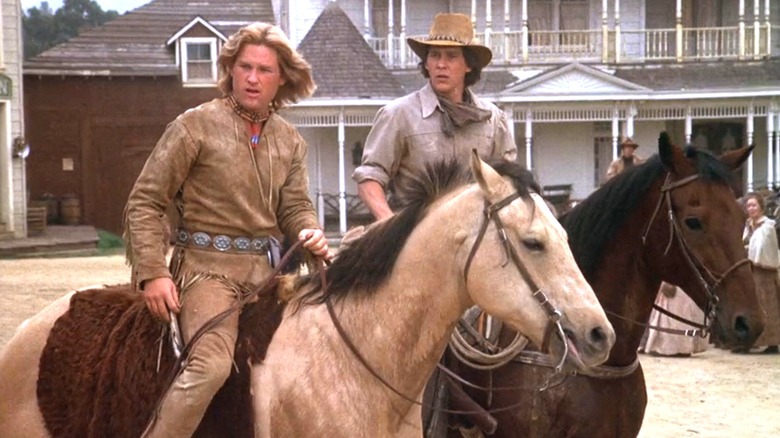
Starring Kurt Russell as Morgan Beaudine and Tim Matheson as his brother Quinton, the series followed two siblings on a harrowing search for their sister, Patricia, who had been abducted by Cheyenne warriors eight years earlier. The dynamic was compelling: Morgan, who had been raised by the Cheyenne, brought an indigenous perspective and a cynical edge, while Quinton represented the refined, San Francisco-educated upbringing. Bolstered by the presence of Brian Keith as the seasoned trail boss Tank Logan, the show possessed a gravitas rarely seen in episodic television of the time.
The Fatal Flaw
Despite a successful pilot movie, The Quest hit a wall of insurmountable competition. Scheduled opposite ABC’s cultural juggernaut Charlie’s Angels, the show never stood a chance at securing the ratings necessary to survive. NBC pulled the plug after a mere 11 episodes. Looking back, The Quest was a victim of timing; it was a gritty, high-quality production released into a market that had essentially decided it was "over" the Western.
2. Barbary Coast (1975–1976): The Spy in the Saddle
Barbary Coast remains one of the most curious experiments in the genre’s history. It attempted to marry the high-stakes espionage tropes of the 1960s—popularized by The Wild Wild West—with the gritty, gambling-hall atmosphere of 1870s San Francisco.
The Shatner Connection
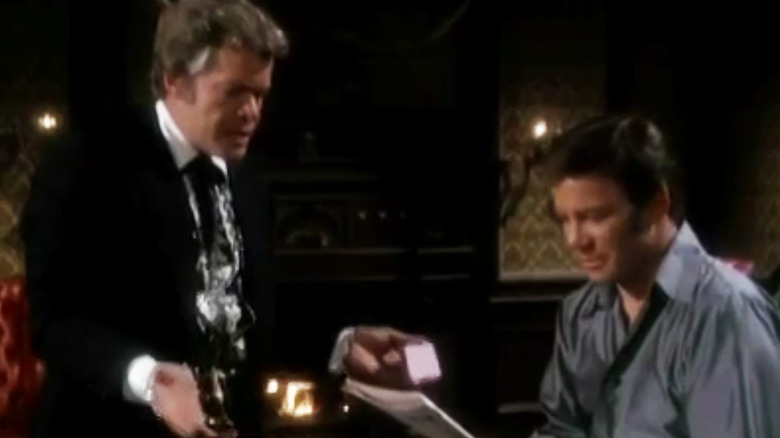
Coming off the heels of the Star Trek phenomenon, William Shatner took on the role of Jeff Cable, a government agent and master of disguise operating out of a local casino. Partnered with Doug McClure’s Cash Conover, the show promised a fun, fast-paced procedural. However, the production was cursed from the start: Shatner suffered a broken ankle during filming, forcing a 10-day shutdown. The chemistry between the two leads never quite crystallized, and the network’s desire for a "spy-Western" felt increasingly disjointed in the face of the era’s changing tastes. Canceled after 13 episodes, it remains a "what-if" for fans of genre-bending television.
3. Nichols (1971–1972): The Ahead-of-Its-Time Anomaly
If any show on this list deserves a retrospective appraisal for its brilliance, it is Nichols. Starring the legendary James Garner, the show was a defiant middle finger to the traditional Western tropes that were currently being purged by networks.
Setting the Stage
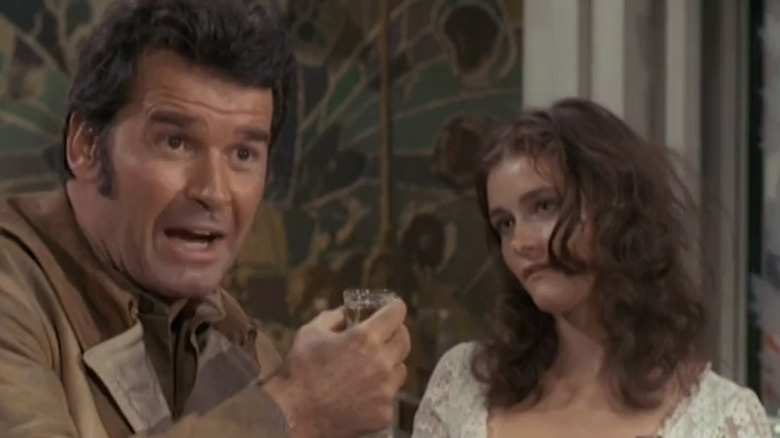
Set in 1914, Nichols placed its characters in an era where the frontier was rapidly disappearing. Garner played a sheriff who eschewed violence, rode a motorcycle instead of a horse, and possessed a cynical, modern wit that felt completely alien to the dusty, moralistic heroes of the 1950s. Featuring a young Margot Kidder, the show explored the absurdity of small-town politics with a level of self-awareness that would not become standard in television until decades later.
The Final Twist
The show’s cancellation was as bizarre as its premise. The final episode featured the protagonist being gunned down, only for his twin brother—complete with a mustache—to arrive in town to take his place. It was a meta-commentary on the nature of TV tropes that went completely over the heads of contemporary audiences. Today, Nichols is viewed as a proto-modern Western, a series that would have been right at home on a prestige cable network in the 2000s.
4. The Yellow Rose (1983–1984): The Soapy Predecessor
Long before Taylor Sheridan’s Yellowstone turned the "ranch drama" into the biggest trend in television, The Yellow Rose attempted the exact same formula.
The Dynasty Conflict
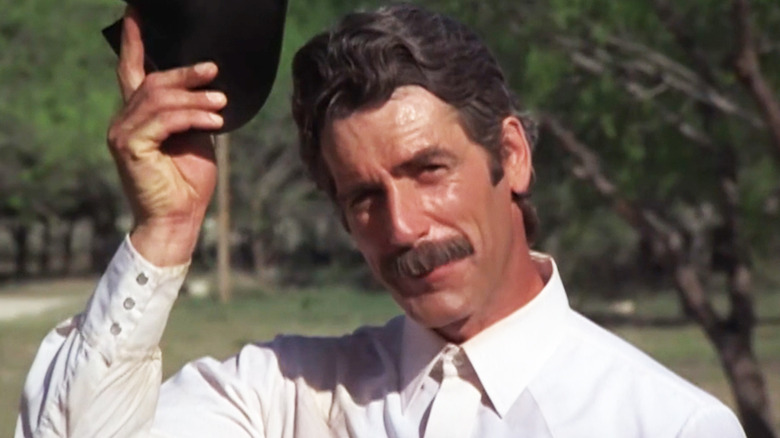
Set in Texas, the show followed the McKenzie family as they fought to maintain their sprawling ranch against encroaching corporate interests and historical rivalries. With a cast featuring heavyweights like Sam Elliott and Chuck Connors, the series had the pedigree of a hit. It was designed to mimic the success of Dallas, infusing the Western genre with the high-stakes, soapy melodrama that was dominating prime-time television at the time.
A Missed Opportunity
The show suffered from an identity crisis. It wanted to be a serious Western, but it played like a nighttime soap. NBC’s lack of confidence was evident when they canceled the show after 22 episodes, then attempted to burn off episodes in 1990. The Yellow Rose proved that the concept of a modern ranch dynasty was a winner, but it was forced to operate in a vacuum where audiences were not yet ready to embrace the genre’s shift toward high-stakes familial warfare.
5. Wildside (1985): The Six-Episode Wonder
Perhaps the most egregious example of a show denied its chance, Wildside was pulled from the air after only six episodes.
A Unique Premise
The premise was a western version of The Dirty Dozen or The A-Team. Five outlaws, including a sharpshooter played by William Smith, decide to go straight and settle in a small California town. When danger arrives, they are forced to use their criminal expertise for good. The inclusion of a young Meg Ryan added a layer of star power that could have propelled the show toward success had it been given even a half-season to build momentum.
The Cosby Factor
The show’s failure was not due to quality, but to the unstoppable force that was The Cosby Show on NBC. Wildside was placed in a time slot where it stood zero chance of survival. It is a cautionary tale of network scheduling; a show with a solid, unique premise and a strong ensemble cast was sacrificed simply because it was placed in the path of a cultural phenomenon.
Implications for Modern Television
The history of these five series illustrates a critical lesson in the economics of entertainment: a show is rarely canceled because it lacks quality. More often, it is canceled because of timing, scheduling, and the disconnect between creative vision and corporate strategy.
When we look at the success of modern neo-Westerns, we see the DNA of these "failures." The cynicism of The Quest, the meta-humor of Nichols, and the ranch-dynasty dynamics of The Yellow Rose all paved the way for the current landscape. While these shows did not survive their initial runs, their influence remains embedded in the genre. They were not failures of imagination; they were simply pioneers that arrived at the frontier before the path was fully cleared. In the age of streaming, where legacy content is constantly re-evaluated, these "prematurely canceled" series stand as a testament to the fact that sometimes, the best stories are the ones that are cut short before they can truly begin.
