
Inside the VFX and Emotional Core of Spider-Man: Brand New Day
Main Facts
The release of Spider-Man: Brand New Day marks a monumental milestone for the Marvel Cinematic Universe (MCU). Serving as the 38th feature film in the overarching franchise and the fourth solo outing for Tom Holland’s web-slinger, the movie brings back the beloved hero under the direction of Destin Daniel Cretton. Written by the seasoned duo Chris McKenna and Erik Sommers, the film explores the profound psychological toll of a world that has entirely forgotten the existence of Peter Parker.
Following the reality-altering spell cast by Doctor Strange at the conclusion of Spider-Man: No Way Home, Peter Parker has been effectively erased from the collective memory of humanity. While New York City continues to celebrate and rely on the heroics of Spider-Man, the human behind the mask suffers in total emotional isolation. MJ, Ned, and all of Peter’s former loved ones have moved on, leaving him to bury his grief in relentless, full-time vigilantism and quiet visits to Aunt May’s grave.
Beyond its heavy dramatic themes, Spider-Man: Brand New Day boasts a star-studded ensemble cast. Alongside Tom Holland, the film features Zendaya, Sadie Sink, Jacob Batalon, Jon Bernthal, Florence Pugh, Tramell Tillman, Michael Mando, and Mark Ruffalo. However, what truly sets the blockbuster apart in industry discussions is its ambitious production methodology. Blending grounded, street-level realism with cutting-edge visual effects, the film relies on a seamless hybrid approach to action sequences, merging practical stunts, physical locations, and digital wizardry.
In a recent episode of the VFXShow podcast (Episode 308), industry experts Matt Wallin, Jason Diamond, and Mike Seymour sat down to break down the technical achievements, action set pieces, and visual effects pipelines that brought Peter Parker’s latest cinematic evolution to life.
Chronology of the Narrative and Production
The Fallout of Oblivion
The timeline of Spider-Man: Brand New Day picks up four years after the events of No Way Home. The narrative immediately establishes a melancholic tone. Peter Parker no longer exists on paper or in human memory. Without a social safety net, a traditional education, or personal relationships, Peter’s life has contracted entirely into his alter ego. He swings through the canyons of Manhattan not just to save lives, but to escape the hollow ache of his own anonymity.
Street-Level Escalation
Moving away from the multiverse-shattering stakes of his previous adventure, the film grounds its narrative in the gritty underworld of New York City. The opening act introduces a familiar roster of street-level threats and allies. Over the past four years, Spider-Man has traded blows with criminals ranging from Mac Gargan (the Scorpion) to the clandestine ninja organization known as the Hand. He has also forged a tense, functional working relationship with police detective Jean DeWolff.
The status quo shifts dramatically during a sequence involving Frank Castle, better known as the Punisher. Castle’s relentless pursuit of an armored vehicle escalates into catastrophic collateral damage when a military-grade tank crashes directly into a Department of Damage Control (DODC) maximum-security prison. This explosive set piece serves as a thematic and stylistic thesis statement for the entire film, bridging the gap between old-school action filmmaking and modern digital enhancement.
Production and VFX Integration
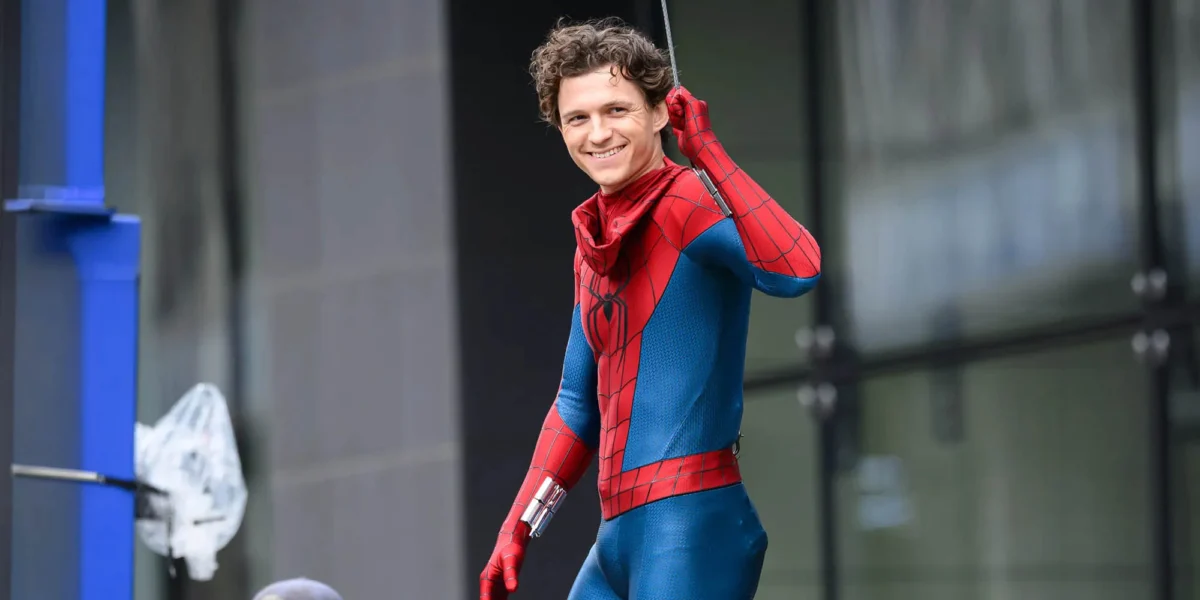
From a filmmaking perspective, the production of Spider-Man: Brand New Day was defined by a conscious push toward tangible realism. Tom Holland and Director Destin Daniel Cretton heavily emphasized the use of a real, physical Spider-Man suit and extensive practical stunt work. Rather than relying entirely on computer-generated imagery (CGI) for the hero’s gravity-defying acrobatics, the production utilized physical locations, real stunt performers, and practical vehicle destruction to anchor the scenes in a believable physical reality.
Supporting Data and Technical Breakdown
The illusion of Spider-Man in motion has always been one of the VFX industry’s most formidable challenges. In Brand New Day, the visual effects teams—spanning multiple renowned facilities—pushed the envelope of the "digital double" pipeline.
The Hybrid Methodology
According to technical breakdowns and discussions from the VFXShow panel, the filmmakers utilized a hybrid methodology that relies on a constant, invisible relay race between three distinct elements:
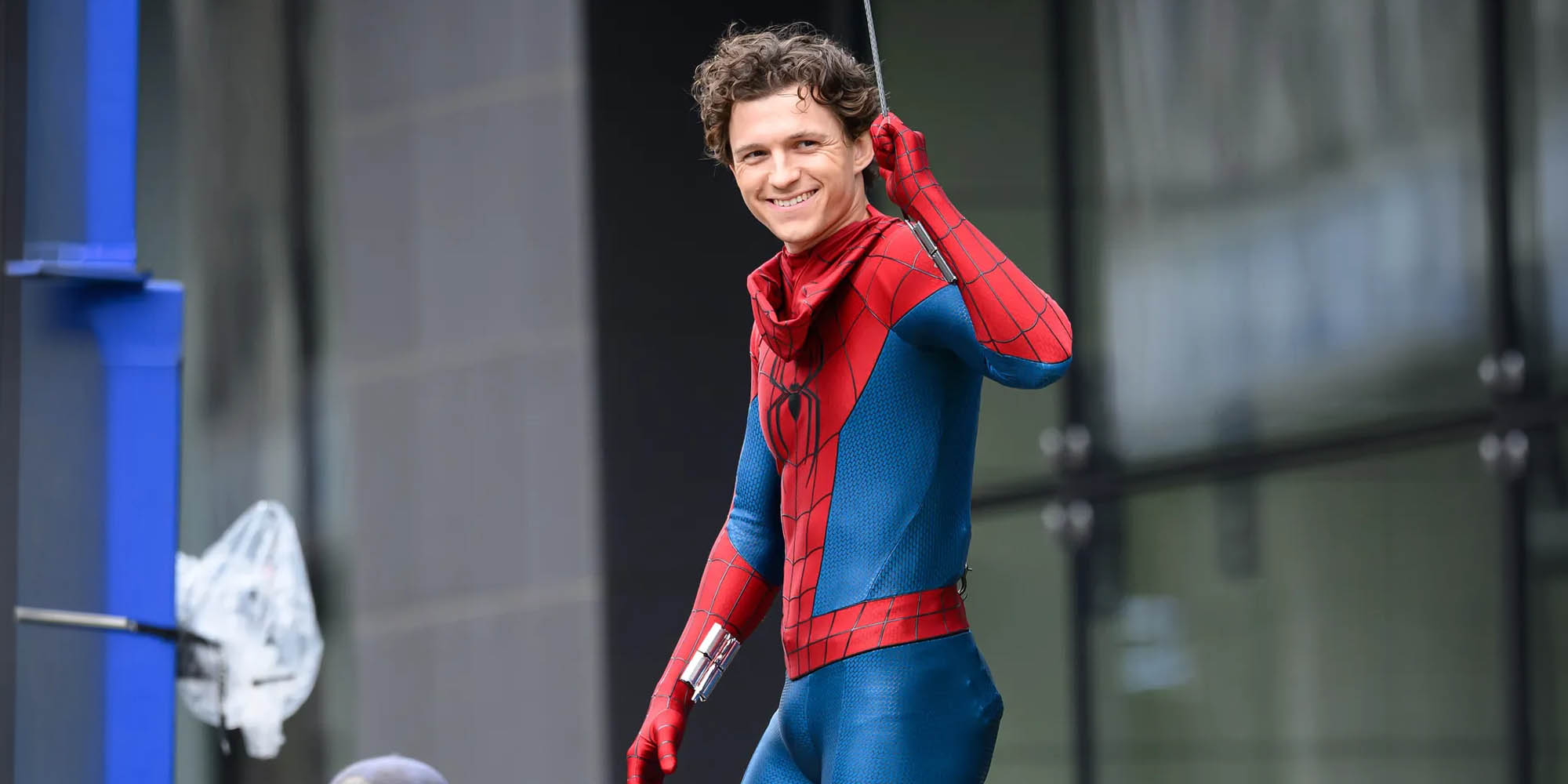
- Live-Action Photography: Tom Holland performing in the practical suit for close-ups, dialogue, and baseline physical interactions.
- Stunt Performers: Professional stunt coordinators and doubles executing high-velocity falls, combat choreography, and high-risk physical maneuvers.
- Digital Doubles (CG Spider-Man): Fully rendered digital characters utilized for extreme acrobatics, impossible trajectory shifts, web-swinging physics, and environments too dangerous or physically impossible for a human actor.
Invisible Transitions
The true triumph of the film’s visual effects lies in seamless continuity. A single continuous shot of Spider-Man leaping from a skyscraper, dodging gunfire, and landing in a dynamic superhero pose might transition between Holland, a stunt double, and a digital double multiple times.
While the practical photography provides essential data regarding weight, lighting interaction, contact friction, and the organic imperfections of human movement, the animation and compositing pipelines allow the character to accelerate, twist, and absorb impacts with the heightened, stylized athleticism expected of a comic book icon. Maintaining visual consistency across these transitions requires meticulous texture mapping, cloth simulation for the suit, and precise match-moving to ensure audiences never spot the seams where the actor ends and the computer begins.
Official Responses and Expert Commentary
The cinematic choices and technical execution of Spider-Man: Brand New Day were dissected in depth during VFXShow Episode 308, hosted by industry veterans Matt Wallin, Jason Diamond, and Mike Seymour.
The panel explored whether the film’s hybrid approach successfully resolved the uncanny valley issues that sometimes plague modern superhero cinema. Matt Wallin, humorously dubbed "The 4th Wall" for his analytical critiques, praised the film’s ability to keep audiences grounded in the narrative despite the high-concept visual effects. Meanwhile, Jason Diamond focused on the editorial rhythm of the action sequences, examining how cutting-edge pacing preserves the tension of street-level combat.
As is customary in technical breakdowns, the conversation inevitably drifted into spirited debates over physics and digital rendering. Mike Seymour—affectionately labeled the "Evil Doctor See More"—led a deep dive into the simulated laws of gravity within the Marvel Cinematic Universe, questioning how mass, momentum, and web-line tension are calculated when translating comic book physics into believable visual media.
Tom Holland has also been vocal in press junkets regarding the physical demands of returning to the role. The actor noted that the increased reliance on practical suit work for Brand New Day resulted in a more grueling physical regimen on set, but ultimately provided a tangible weight to his performance that translated directly through the camera lens.
Implications for the Marvel Cinematic Universe
Spider-Man: Brand New Day is more than just another blockbuster hit; it represents a strategic pivot for Marvel Studios. After years of escalating stakes involving alternate dimensions, cosmic entities, and universe-ending threats, Brand New Day proves that the MCU can successfully scale down its focus to tell a deeply intimate, character-driven story without sacrificing visual spectacle.
Redefining the Hero’s Journey
By stranding Peter Parker in a world where he is completely anonymous, the franchise has found a fresh narrative angle. The psychological weight of his sacrifice—retaining the burden of responsibility while losing all personal connection—transforms Spider-Man from a bright-eyed teenage prodigy into a hardened, ascetic protector of New York. This shift opens up rich storytelling avenues for future sequels, as Peter must eventually decide whether he can allow himself to be loved again, or if he is doomed to remain behind the mask forever.
The Future of VFX Pipeline Collaboration
On a technical level, the film sets a new benchmark for hybrid action filmmaking. As audiences grow increasingly fatigued by purely computer-generated third-act battles that lack physical weight, the success of Brand New Day validates the industry’s return to practical foundations. By treating visual effects as an extension of physical cinematography rather than a replacement for it, Marvel has established a blueprint for future blockbusters seeking to balance cinematic spectacle with tactile realism.
To hear the complete, unedited breakdown of the film’s visual effects, listen to VFXShow 308 on Apple Podcasts, Spotify, or via the official fxguide YouTube channel.
