
The Architect of Deception: Why Billy Evans Is the True Villain of 2026’s ‘You Can See Everything’
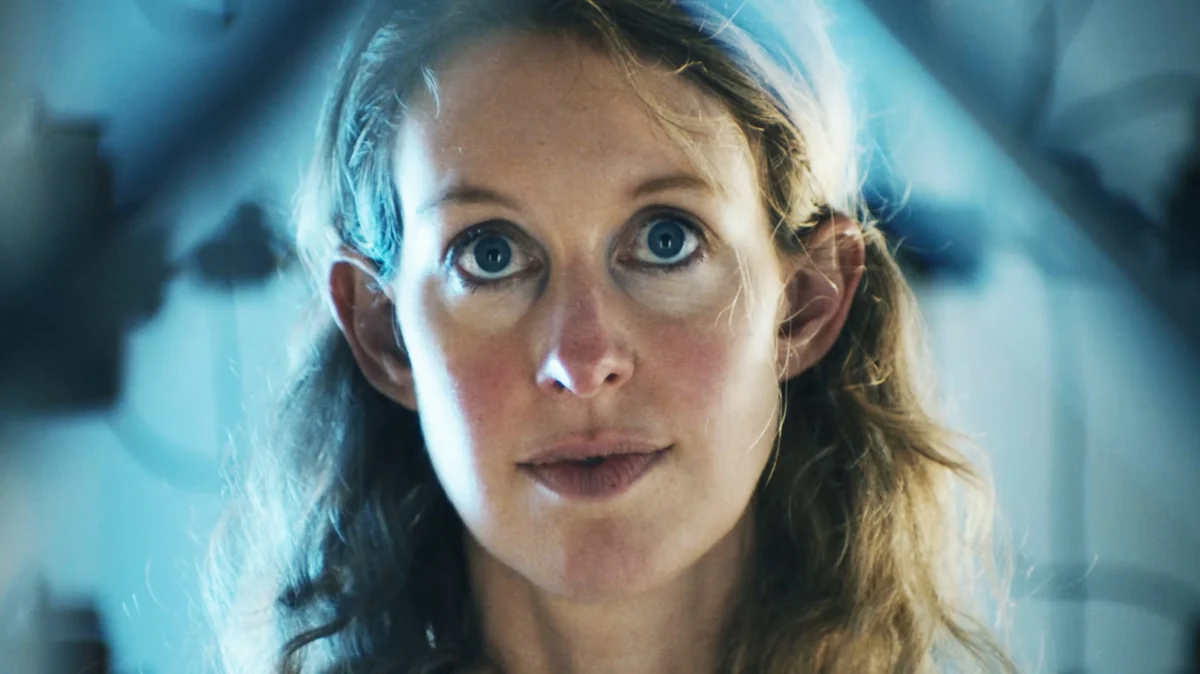
In the pantheon of modern media figures, few names evoke as much immediate, visceral revulsion as Elizabeth Holmes. The disgraced founder of Theranos, whose multi-billion-dollar blood-testing mirage crumbled under the weight of federal investigations and journalistic scrutiny, has long been the face of Silicon Valley hubris. However, the 2026 documentary You Can See Everything—a collaborative masterwork from Nathan Fielder and director Lance Oppenheim—has shifted the lens. While the film captures the chilling, hollowed-out remnants of Holmes’ life, it introduces a new, perhaps more insidious antagonist: her partner, Billy Evans.
As the documentary unfolds, it becomes increasingly clear that while Holmes provided the initial scandal, it is Evans who serves as the dark, manipulative engine behind their current existence. You Can See Everything is a staggering, mind-melting fusion of documentary, performance art, and psychological thriller, leaving audiences to wonder where the line between reality and curated narrative truly lies.
The Anatomy of an Unlikely Antagonist
The premise of You Can See Everything is as simple as it is invasive. Nathan Fielder, known for his brand of cringe-inducing, meta-documentary social experiments, embeds himself within the lives of Holmes and Evans, living in their home alongside their two children. The backdrop is the period leading up to Holmes’ 135-month prison sentence for conspiracy and wire fraud.
At first glance, Billy Evans fits the mold of a generic "tech bro" archetype—a scion of a San Diego hotel management dynasty, possessing an unearned sense of authority and a penchant for "normcore" attire. He carries the casual confidence of someone who has never been told no. However, as Fielder’s cameras roll, that thin veneer of suburban stability begins to crack, revealing a man who appears to be orchestrating a complex, and deeply cynical, performance.
A New Breed of Manipulator
What makes Evans so effective as a villain is his subtlety. Unlike Holmes, who is a known commodity—a fallen icon whose public persona has been dissected in The Dropout and countless news cycles—Evans operates in the shadows. He is the stage manager of their shared reality. He dictates the flow of information, controls the access Fielder has to the family, and frequently terminates interviews when the line of questioning threatens to penetrate his carefully constructed narrative.

Perhaps most unsettling is the revelation that Evans is actively pursuing a "Theranos 2.0" venture—a new blood-testing project utilizing laser technology. While Evans has attempted to dismiss these reports in interviews, such as his appearance on the All-In Podcast, the documentary presents compelling evidence that this is not merely a press invention, but a core component of his current ambitions.
Chronology of a Descent: From Partner to Power-Broker
To understand the transformation of Billy Evans from a mere supporting character in the "Holmes saga" to a primary antagonist, one must look at the timeline established within the film.
- 2017: Evans begins his relationship with Holmes, shortly before her inevitable legal collapse.
- 2018: The SEC files charges against Holmes. Evans remains by her side, a move that some initially interpreted as loyalty, but which the documentary recontextualizes as strategic positioning.
- 2023: Following Holmes’ sentencing, the documentary pulls back the curtain on the financial arrangements between Evans and the distributor, A24.
- The Post-Sentencing Era: With Holmes incarcerated, Evans assumes full control over their domestic affairs, including legal power of attorney, and begins utilizing her social media presence to broadcast his own personal grievances.
The film uses a series of stylized re-enactments to illustrate these power dynamics. In one particularly jarring scene, actress Amanda Seyfried—who gained critical acclaim for her portrayal of Holmes in Hulu’s The Dropout—reprises her role as a foil to Fielder’s investigative efforts. The scene underscores the absurdity of their situation: a Hollywood star investigating the reality of a woman she once played, while being confronted by a man who seems to be playing his own version of a victimized husband.
Supporting Data: The Profit Motive
The most damning evidence against Evans arrives in the final act of the documentary. Fielder uncovers that Evans negotiated a lucrative deal with A24 to profit from the very documentary that exposes his partner’s fraud.
This revelation serves as the turning point for the audience’s perception of him. While Holmes insists to Fielder that she has "no economic interest" in the film, the documentary suggests that Evans may have bypassed her knowledge entirely, or worse, that the two are working in tandem to monetize her infamy.

The moral ambiguity of the film is intentional. Fielder and his team, including Seyfried, struggle to ascertain the truth: Is Evans protecting his family, or is he systematically stripping away Holmes’ remaining autonomy to serve his own financial and ego-driven interests? The ambiguity, however, serves only to heighten the sense of dread surrounding Evans’ character.
Official Responses and Public Perception
Public reaction to You Can See Everything has been polarized, primarily due to the ethical questions surrounding Fielder’s methods. Critics have noted that by inserting himself into the family’s home, Fielder creates an environment where the subjects are forced to perform. However, even the most sympathetic viewers find it difficult to defend Evans’ behavior as depicted on screen.
When confronted by Fielder regarding his Twitter activity—where he has been seen posting inflammatory and vulgar messages under Holmes’ account—Evans offers little in the way of remorse. His admission of having "vengeance in his heart" and his vocal admiration for divisive political figures like Charlie Kirk suggest a man whose ideology is as volatile as his business ethics.
Evans’ attempts to mitigate the damage through mainstream podcast appearances have, by and large, failed to shift the narrative. His insistence that the "Theranos 2.0" claims were manufactured by the media rings hollow when viewed in the context of the documentary’s immersive, unfiltered footage.
The Implications: A Mirror to Modern Opportunism
The rise of Billy Evans as a villain of 2026 is symptomatic of a broader cultural moment. We live in an era where the lines between reality, truth, and branding have been completely eroded. Evans represents a new, dangerous iteration of the "fixer"—a person who doesn’t just manage a crisis, but actively leans into the chaos to extract value.
The Erosion of Autonomy
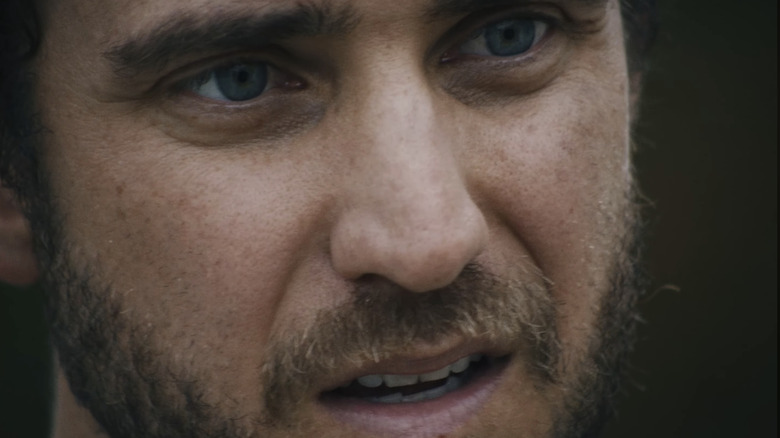
The most chilling implication of the documentary is the total loss of Elizabeth Holmes’ agency. Whether or not she is a willing participant in Evans’ schemes, the film paints a portrait of a woman who has become an extension of her partner’s will. By securing power of attorney and managing her digital footprint, Evans has essentially become the curator of her legacy.
The Future of "True Crime" Documentaries
You Can See Everything also forces a reckoning within the documentary genre itself. If a filmmaker can live in a subject’s home and influence their daily decisions, are they still documenting reality, or are they creating it? Fielder’s work challenges the audience to remain skeptical not just of the subjects on screen, but of the medium that brought them to us.
Conclusion: A Villain for Our Time
Ultimately, You Can See Everything succeeds not because it provides answers, but because it asks the right, uncomfortable questions. It strips away the familiar headlines and the tired tropes of the Elizabeth Holmes story and replaces them with a raw, unsettling look at human greed and manipulation.
Billy Evans emerges from the shadows not as a savior or a spouse, but as a man who understands that in the modern world, infamy is a currency. By positioning himself as the mastermind behind the scenes, he has secured his place as one of the most compelling and repulsive villains of the year. While Holmes may be the one serving time, it is Evans who remains at large, continuing to navigate the fine line between business innovation and personal exploitation.
As the credits roll on this masterwork, one thing is certain: the true horror of the Theranos scandal wasn’t just in the failed blood tests—it was in the people who found a way to keep the grift alive, long after the machines stopped working.
